How to Protect Your Credit From Phishing Scams
It’s a truly frightening thought: you open an email that looks legitimate, click a link, enter some information, and suddenly, your financial life is turned upside down. Phishing scams are a relentless threat, preying on our trust and leading to devastating consequences like identity theft and ruined credit. This comprehensive guide is here to arm you with the knowledge and practical strategies you need to recognize these insidious attacks, protect your sensitive financial information, and safeguard your credit score from the very real dangers of phishing.
Understanding What Phishing Scams Are and Their Threat to Your Credit
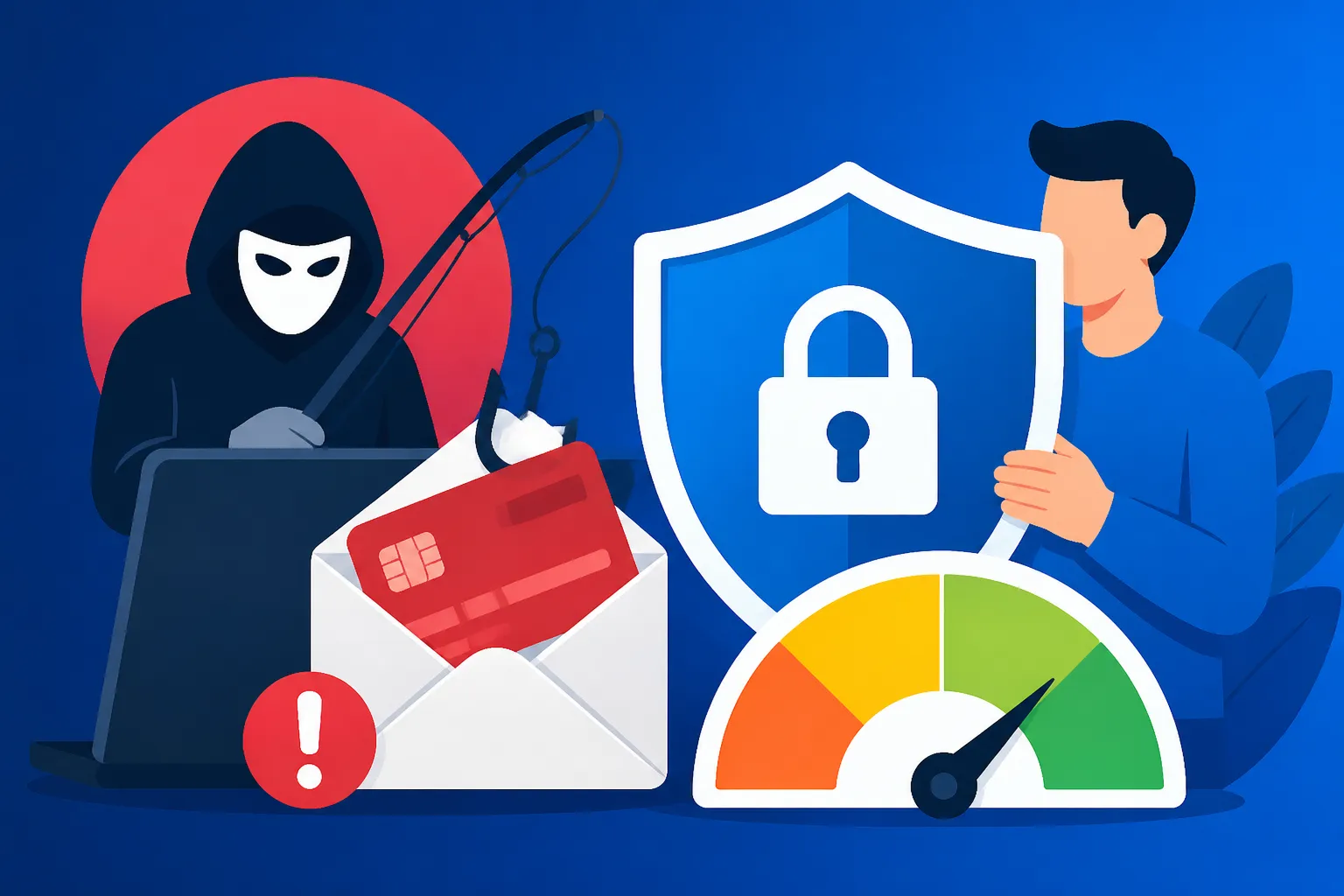
Phishing isn't just a buzzword; it's a sophisticated form of cybercrime where scammers impersonate trusted entities—like your bank, a government agency, or a familiar company—to trick you into revealing sensitive information. They do this by sending fraudulent communications, usually emails or text messages, that look incredibly convincing. The goal? To steal your personal data, which can then be used to wreak havoc on your financial standing, including opening new accounts in your name or draining existing ones.
The core threat to your credit stems from this stolen information. If a scammer gets their hands on your Social Security number, birth date, bank account details, or existing credit card numbers, they have the keys to your financial kingdom. They can apply for new credit cards, personal loans, or even mortgages under your identity. These fraudulent activities will then appear on your credit report, often as new accounts with missed payments or defaults, plummeting your credit score and making it incredibly difficult for you to secure legitimate credit, housing, or even employment in the future. The emotional toll of dealing with the aftermath of identity theft, which often begins with a phishing attack, can be immense, leaving victims feeling violated and helpless.
The Mechanics Behind a Phishing Attack
A phishing attack often starts subtly. You might receive an email that looks exactly like one from your bank, complete with logos, formatting, and even a sender address that seems legitimate at first glance. The email will typically contain an urgent plea: "Your account has been compromised," "Verify your details immediately," or "Click here to avoid account suspension." This urgency is a classic tactic designed to bypass your critical thinking and prompt an immediate, emotional response.
When you click that link, you're usually redirected to a fake website that mirrors the real one perfectly. This fraudulent site is where the actual data harvesting happens. Any information you input—usernames, passwords, Social Security numbers, dates of birth, credit card details, even your mother's maiden name—goes directly into the scammer's database. From there, they can use this information to access your genuine accounts, make unauthorized purchases, or engage in full-blown identity theft. It's a digital bait-and-switch, and the consequences for your credit can be severe, requiring significant effort to dispute fraudulent accounts and restore your financial good name.
Why Your Credit is a Prime Target
Your credit history and personal financial information are goldmines for phishers. A good credit score can allow them to open high-limit credit cards or secure significant loans, all in your name, which they have no intention of repaying. This leaves you with the debt and a severely damaged credit profile. Even if they don't open new accounts, simply having access to your existing credit card details means they can rack up charges, leading to high utilization and missed payments, which are two of the biggest detractors from your credit score.
Think about it: every aspect of modern financial life relies on your credit. From renting an apartment in San Diego to getting a car loan in Boston, your credit report and score are under scrutiny. A phishing scam that leads to identity theft can jeopardize all of these aspirations, making it nearly impossible to move forward financially without a lengthy and often frustrating credit repair process. That’s why proactive protection isn't just a good idea; it's absolutely essential in today's digital landscape.
Recognizing Common Types of Phishing Attacks
Phishing scams are constantly evolving, but they often share common characteristics and come in a few recognizable forms. Knowing what to look for can be your first line of defense. Scammers are becoming incredibly sophisticated, so a keen eye and a healthy dose of skepticism are your best tools.
Email Phishing (The Classic Attack)
This is the most common type of phishing. You receive an email that looks like it's from a reputable source—maybe your bank, a well-known online retailer like Amazon, or a government entity like the IRS. The email might claim there's a problem with your account, a suspicious transaction, or that you're eligible for a refund. It will almost always contain a link that, when clicked, takes you to a fake website designed to steal your credentials.
A common giveaway is a sense of urgency or threat. "Click now or your account will be closed!" or "Your package is being held due to an unpaid fee, click here to resolve." Always hover over links before clicking them (without actually clicking!) to see the true destination URL. If it doesn't match the company's official website, it's likely a scam. Also, look for grammatical errors, strange formatting, or generic greetings ("Dear Customer" instead of your name). Reputable institutions usually use your actual name.
Smishing (SMS Phishing)
Smishing is phishing delivered via text message. These messages often mimic alerts from banks, package delivery services, or even phone companies. They might say something like, "Your bank account has been locked. Click this link to verify," or "Your package is delayed. Update delivery preferences here." Just like email phishing, the goal is to get you to click a malicious link or call a fraudulent number where you’ll be prompted to provide personal details.
These texts often contain shortened URLs (like bit.ly links) which make it harder to see the true destination. Exercise extreme caution with any unsolicited text message asking you to click a link or provide information. If you're unsure, go directly to the official website or app of the company in question, or call their official customer service number (found on their website, not in the suspicious text).
Vishing (Voice Phishing)
Vishing involves phone calls where scammers impersonate legitimate organizations. This could be a "bank fraud department" calling about suspicious activity, an "IRS agent" demanding immediate payment of back taxes, or someone claiming to be from tech support (e.g., "Microsoft Support") needing remote access to your computer. These calls often employ scare tactics, threatening legal action or immediate financial penalties if you don't comply.
The scammer might already have some of your personal information, which they use to sound more convincing. They might even spoof the caller ID to display a legitimate company name or government agency. If you receive such a call, especially one demanding immediate action or payment, hang up. If you're concerned, call the organization back using an official number you find independently, not one provided by the caller. Remember, government agencies like the IRS or Social Security Administration will never demand immediate payment over the phone or threaten you with arrest for unpaid taxes.
Spear Phishing and Whaling
These are more targeted forms of phishing. Spear phishing targets specific individuals or organizations, often after extensive research. The scammer might know your name, job title, email address, and even some personal interests, making the fraudulent communication seem highly credible. For example, an email might appear to come from your CEO asking you to urgently transfer funds or provide sensitive company data.
Whaling is a form of spear phishing that specifically targets high-profile individuals, such as senior executives or government officials, due to the potential for larger financial gain or access to highly sensitive information. Because these attacks are so personalized, they are often much harder to detect. They exploit the trust built within an organization or an individual's professional role. If you work for a company that handles a lot of personal data, like a law firm or a healthcare provider in Houston, you might be a target. These attacks often require a heightened sense of vigilance and verification of all unusual requests, even if they appear to come from a trusted colleague.
Practical Steps to Proactively Protect Your Credit from Phishing
Protecting your credit from phishing scams requires a multi-layered approach. It’s not just about knowing what to look for, but also about building habits and utilizing tools that create a strong defense. Think of it as building a digital fortress around your financial information.
Be Skeptical and Verify Everything
This is arguably the most important rule. Treat every unsolicited email, text, or call with suspicion, especially if it asks for personal information, demands urgent action, or offers something too good to be true. Always verify the sender. Don't just look at the display name; examine the full email address. A common trick is a slight misspelling, like "amaz0n.com" instead of "amazon.com."
If you receive a suspicious communication from a company or organization, do not use any links or phone numbers provided in the message. Instead, navigate to their official website by typing the URL directly into your browser or use a known, legitimate phone number (e.g., from a past statement or their official 'Contact Us' page). Take that extra minute to be sure; it's far better than spending months or years unraveling identity theft. You can also refer to our guide on How to Get Your Free Credit Report regularly to spot any unauthorized activity early.
Secure Your Accounts with Strong Passwords and 2FA
Your passwords are the first line of defense for your online accounts. Make them long, complex, and unique for each account. Avoid using easily guessable information like birthdays or pet names. A password manager can be a huge help in generating and storing these complex passwords securely.
Even better, enable two-factor authentication (2FA) or multi-factor authentication (MFA) on all your sensitive accounts. This adds an extra layer of security, usually by requiring a code sent to your phone or generated by an authenticator app, in addition to your password. So, even if a scammer manages to steal your password through a phishing attempt, they won't be able to access your account without that second factor. Many financial institutions and email providers now offer this, and it's a game-changer for digital security. Products that emphasize financial discipline, like those offered by Credit Strong, often highlight the importance of secure account management as part of overall financial health.
Keep Software and Devices Updated
Outdated software is a cybersecurity vulnerability waiting to be exploited. Phishing attacks often leverage known weaknesses in operating systems, web browsers, and antivirus software. Make sure your computer, smartphone, and other devices are always running the latest software versions. Enable automatic updates whenever possible.
Antivirus and anti-malware software can detect and block malicious websites or downloads that might be part of a phishing campaign. Keep these programs updated and run regular scans. This proactive maintenance helps create a robust barrier against threats, even if you accidentally encounter a phishing attempt.
Monitor Your Credit Reports and Financial Statements
Regularly checking your credit reports is absolutely critical for catching fraudulent activity early. You're entitled to a free credit report from each of the three major bureaus—Equifax, Experian, and TransUnion—once every 12 months via AnnualCreditReport.com. Make it a habit to pull one report every four months, staggering them throughout the year.
When you review your report, look for any accounts you don't recognize, inquiries you didn't authorize, or changes to your personal information. These can be red flags indicating that your identity has been compromised. Similarly, scrutinize your bank and credit card statements for any unfamiliar transactions. Catching a small fraudulent charge quickly can prevent it from escalating into a full-blown identity theft crisis. Understanding How to Read Your Credit Report (2026 Guide) will be immensely helpful here.
| Action Item | Description | Frequency | Key Benefit |
|---|---|---|---|
| Verify Sender/Caller | Double-check email addresses, website URLs, and caller ID. Never trust at face value. | Always | Prevents initial compromise. |
| Strong Passwords & 2FA | Use unique, complex passwords and enable two-factor authentication on all critical accounts. | Setup + Ongoing | Major barrier even if password is stolen. |
| Software Updates | Keep your operating systems, browsers, and security software up to date. | Regularly/Automatic | Patches vulnerabilities exploited by scams. |
| Credit Monitoring | Review your credit reports from Equifax, Experian, and TransUnion. | At least Annually (suggest quarterly) | Detects fraudulent accounts/activity early. |
| Financial Statement Review | Scrutinize bank and credit card statements for unauthorized transactions. | Monthly | Catches smaller fraud before it escalates. |
| Limit Personal Info Sharing | Be cautious about what personal details you share online, especially on social media. | Always | Reduces data available for spear phishing. |
Understand How to Handle Suspicious Situations
It's one thing to know about phishing, but another to know what to do when faced with a suspicious situation. If you receive an email that looks like a phishing attempt, do not click any links or download any attachments. Instead, mark it as spam or junk, and then delete it. If you believe it might be legitimate but are unsure, contact the company directly using their official contact information.
For suspicious phone calls, politely hang up. If they claim to be from a government agency or your bank, find the official phone number online and call them back yourself to verify. Never give out personal information over the phone unless you initiated the call to a trusted, verified number. Learning How to Place a Fraud Alert on Your Credit is also a crucial step if you feel your information might have been compromised, even if you’re not certain.
What to Do If You Suspect You've Been Phished
Even with the best precautions, sometimes a phishing scam slips through. It’s a terrible feeling to realize you might have accidentally given away your information, but quick action can significantly mitigate the damage. Don’t panic; act swiftly and methodically.
Immediate Steps to Take
The moment you suspect you've been phished and provided information, your priority is to secure your existing accounts. First, change the password on the account you believe was compromised. If you used the same password for other accounts, change those immediately as well. This is why unique passwords for every account are so vital. When setting up a new password, consider using a combination of upper and lowercase letters, numbers, and symbols to make it very strong.
Next, notify your financial institutions. If you entered credit card details, call your credit card company and explain what happened. They can cancel the card and issue a new one, stopping any potential fraudulent charges. If you provided bank account information, contact your bank immediately to monitor for suspicious activity or freeze the account if necessary. Remember, the faster you act, the less damage a scammer can do. Regularly reviewing your financial health, perhaps with the aid of tools like Credit Strong, can also make you more attuned to any unusual activity on your financial records.
Check Your Credit Reports for Fraudulent Activity
Once you’ve secured your immediate accounts, it’s time to check your credit reports from all three major bureaus: Equifax, Experian, and TransUnion. Look for any new accounts opened in your name, hard inquiries you didn't authorize, or changes to your personal information like addresses or employer details. These are clear signs of identity theft. You can get your How to Get Your Free Credit Report from AnnualCreditReport.com.
If you find anything suspicious, dispute it immediately. Each credit bureau has a process for disputing errors or fraudulent accounts. You'll need to provide details about what you believe is incorrect and why. Keep meticulous records of all communications, dates, and reference numbers. Our guide on How to Dispute Fraudulent Accounts can walk you through this process.
Place a Fraud Alert or Credit Freeze
To prevent further damage, consider placing a fraud alert on your credit file. This tells creditors to take extra steps to verify your identity before issuing new credit in your name. You only need to contact one of the three credit bureaus (Equifax, Experian, or TransUnion), and they are legally required to notify the other two. A fraud alert typically lasts for one year.
For even stronger protection, you might want to consider a credit freeze. This locks down your credit file, preventing anyone, including yourself, from opening new credit accounts. If you need to apply for credit, you can temporarily unfreeze it. Freezing your credit is a powerful tool to prevent identity thieves from establishing new lines of credit in your name. Learn more in our guide on How to Freeze Your Credit (All 3 Bureaus).
Report the Phishing Attempt and Identity Theft
Reporting the incident is crucial, not just for your own protection but also to help law enforcement track and stop scammers. File a report with the Federal Trade Commission (FTC) at IdentityTheft.gov. This site will help you create a personalized recovery plan and provides an official identity theft report, which is often required by creditors and law enforcement.
You should also report the phishing email or text message to the Anti-Phishing Working Group (APWG) or to the company that was impersonated. For example, if it was a PayPal phishing email, forward it to spoof@paypal.com. These actions help these organizations become aware of new threats and protect other potential victims. For more extensive guidance, refer to What to Do If You're a Victim of Identity Theft. Taking all these steps ensures you're doing everything possible to rebound and rebuild your financial security.
Disclaimer
The information provided in this article is for general informational purposes only and does not constitute financial, legal, or professional advice. While we strive to offer accurate and up-to-date content, circumstances can vary, and it is always recommended to consult with a qualified financial advisor, credit counselor, or legal professional for advice tailored to your specific situation. Credit policies and regulations can change, so it's important to verify any information with official sources or professionals.