Should You Freeze Your Credit If You’re Not Applying for Anything?
It's easy to think that if you're not actively applying for a new credit card, a car loan, or a mortgage, then you don't really need to worry about things like freezing your credit. We've all been there, pushing financial tasks to the back burner because they don't seem immediately urgent. However, neglecting this simple step can leave you vulnerable to identity theft and financial fraud, which can strike even when you're completely out of the market for new credit. This guide will walk you through why a credit freeze is a smart, proactive move for everyone, regardless of their current lending needs.
The Reality of Credit Freezes Beyond Active Applications
Many people only consider a credit freeze when they're worried about a specific application or an immediate threat. They view it as a reactive measure, something you do after you've been a victim of identity theft or when you're about to make a major financial move. But that's a narrow perspective that leaves the door open to potential trouble. The truth is, a credit freeze offers a layer of protection that benefits you at all times, not just during peak financial activity.
What Exactly Is a Credit Freeze?
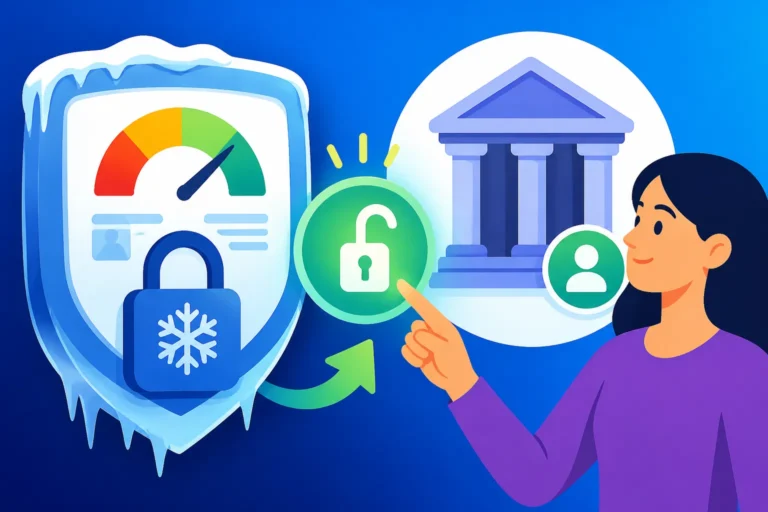
A credit freeze, also known as a security freeze, is a powerful tool that restricts access to your credit report. When your credit report is frozen, it essentially locks down the information that lenders, creditors, and other entities use to check your creditworthiness. If someone tries to open a new account in your name while your credit is frozen, the lender won't be able to access your report, and therefore, they can't approve the application. It's like putting a padlock on your financial identity.
This isn't about hiding your credit history; it's about controlling who sees it and when. It prevents unauthorized access, making it significantly harder for criminals to open fraudulent accounts. And here's the best part: thanks to federal law (the Economic Growth, Regulatory Relief, and Consumer Protection Act of 2018), placing and lifting a credit freeze is now free with all three major credit bureaus – Equifax, Experian, and TransUnion. This wasn't always the case, so it's a huge win for consumers.
Why It Matters Even When You're Not "Active"
Think about it: most identity theft isn't targeted at people who are currently applying for loans. It's often indiscriminate, with thieves using stolen personal information from data breaches or other sources to open accounts in unsuspecting victims' names. You could be perfectly happy with your current financial situation, no plans for a new car, no mortgage applications on the horizon, but your Social Security number could be floating around on the dark web right now.
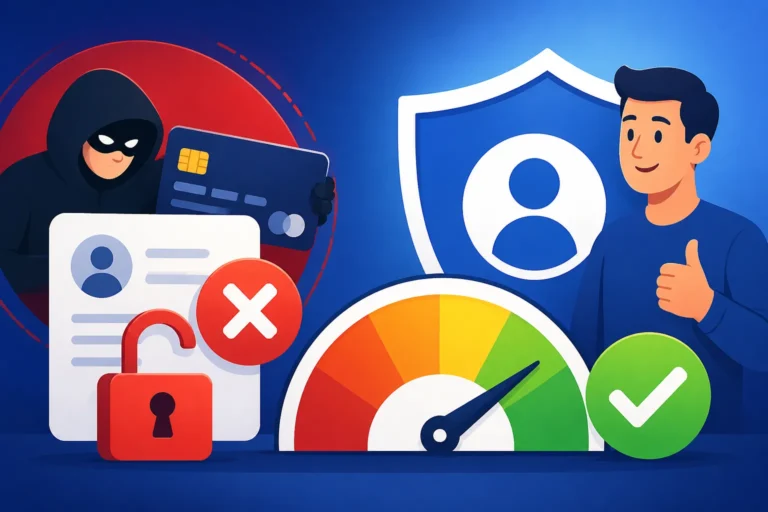
If your credit is frozen, even if a scammer gets hold of your personal details, they won't be able to easily open new lines of credit like credit cards, phone contracts, or utility accounts in your name. It's a preventative measure that stops fraud before it starts, saving you countless hours and immense stress down the line. It's not just about protecting your future applications; it's about protecting your financial peace of mind today.
The Hidden Dangers: Identity Theft and Fraud
You might think you're safe because you're careful with your personal information, but unfortunately, data breaches are a disturbingly common occurrence. Millions of people have their information compromised every year through no fault of their own. Even without a breach, clever scammers have myriad ways to get their hands on your details. This constant threat makes a credit freeze an essential defensive strategy, whether you're actively seeking credit or not.
Data Breaches and Identity Theft
Remember the massive Equifax data breach in 2017? Or the countless others that have affected everything from major retailers to healthcare providers? These incidents expose sensitive information like names, addresses, Social Security numbers, and dates of birth. Once this information is out there, it's virtually impossible to pull back. Identity thieves thrive on these datasets, and they don't care if you're planning to buy a house next week or retire in a decade. They just need an opportunity to exploit your identity.
If your credit isn't frozen, a thief could use your stolen data to open new credit card accounts, secure personal loans, or even get a new phone contract, all in your name. You wouldn't know until you start receiving bills for accounts you never opened or see unexplained drops in your credit score. Freezing your credit is a crucial step to prevent these new accounts from ever being approved, even if your data has been compromised.
Fraudulent Accounts Opened in Your Name
The impact of fraudulent accounts can be devastating and incredibly time-consuming to resolve. Imagine trying to get a mortgage five years from now, only to find out you have multiple collection accounts for credit cards you never applied for, opened by a scammer years ago. This isn't just a hypothetical scenario; it's a reality for many victims of identity theft.
Resolving these issues involves disputing each fraudulent account with the credit bureaus and often with the creditors themselves. It can be a long, drawn-out process that affects your credit score and your ability to secure legitimate credit when you need it. By having a credit freeze in place, you essentially put up a barrier that makes it significantly harder for these fraudulent accounts to be opened in the first place, saving you from a future headache. This proactive measure is part of What to Do If You're a Victim of Identity Theft.
Errors and Mistakes on Your Report
Beyond outright fraud, your credit report can sometimes contain errors or inaccuracies that aren't necessarily malicious but can still harm you. Perhaps an old address or an incorrect account status appears. While these might not lead to new fraudulent accounts, a frozen credit report encourages you to be more diligent about checking your report regularly.
Regularly checking your credit report, which you can do for free, is a good habit. You can access your report from each of the three major bureaus once a year for free through AnnualCreditReport.com. If you find errors, you'll need to know How to Dispute Credit Report Errors (Step-by-Step). While a freeze doesn't prevent these errors from appearing, it means that if someone did try to leverage an error to open new credit, they'd still be blocked by the freeze. It creates a secondary layer of protection while you work to correct any inaccuracies.
The Peace of Mind a Credit Freeze Offers
A credit freeze isn't just about blocking bad actors; it's about empowering you with control over your financial narrative. It offers a unique sense of security, allowing you to breathe a little easier knowing your credit files are locked down. This peace of mind is invaluable, especially in an age where our personal information feels constantly under threat.
Protecting Your Existing Accounts
One common misconception is that a credit freeze affects your existing credit accounts. It doesn't. You can still use your current credit cards, pay your bills, and manage your existing loans as usual. The freeze only prevents new credit accounts from being opened in your name. This means your daily financial life remains completely unaffected.
So, while you're not applying for anything new, your existing accounts are already active and reporting to the bureaus. A credit freeze ensures that no one can piggyback on your good payment history or available credit by opening additional accounts you don't know about. It's a defensive shield for your entire credit profile, not just a temporary barrier for applications.
Peace of Mind and Proactive Security
Imagine receiving a notification from a credit monitoring service about a new account opened in your name. That sinking feeling in your stomach? A credit freeze helps prevent that. Knowing your credit reports are locked provides a significant psychological benefit. You're not waiting for something bad to happen; you're actively preventing it.
This proactive approach to financial security is similar to having good antivirus software on your computer or a robust lock on your front door. You might not have any immediate threats, but you're protected against potential ones. Many people find that once they implement a credit freeze, they feel a tangible reduction in anxiety about identity theft, allowing them to focus on their financial goals, whether it's saving for a down payment or boosting their retirement fund. Taking simple steps like this can significantly improve your overall financial well-being.
When You Do Need Credit Later
Of course, life happens. Even if you're not planning on applying for anything right now, circumstances change. You might unexpectedly need a new car loan, want to refinance your home, or decide to pursue a new credit card with better rewards. When that time comes, temporarily lifting a credit freeze (often called a "thaw") is a straightforward process. You simply unfreeze your report for a specific period or to a specific lender, and then refreeze it when you're done.
This flexibility means you get the best of both worlds: robust protection when you don't need new credit and easy access when you do. Some financial tools, like a credit builder product such as Credit Strong, can help you establish a positive payment history and build a strong credit profile over time. If you decide to use such a tool in the future, you can simply unfreeze your report for the specific lender, apply, and then refreeze it. This controlled access is far more secure than leaving your reports wide open indefinitely. For those interested in improving their credit health, understanding How to Build Credit From Scratch (2026 Guide) can be incredibly useful.
How to Implement a Credit Freeze: Simple Steps
Freezing your credit might sound intimidating, but it's actually quite simple and can usually be done online in just a few minutes. You'll need to contact each of the three major credit bureaus individually. Each bureau will provide you with a unique PIN or password, which you'll need to keep in a safe place. This PIN is crucial for temporarily lifting or permanently removing your freeze in the future.
Freezing with Each Major Credit Bureau
To ensure comprehensive protection, you'll need to place a freeze with Equifax, Experian, and TransUnion. Here's a quick overview of how to do it:
- Equifax: You can place a freeze online through their dedicated security freeze page. You'll need to create an account if you don't have one.
- Experian: Experian also offers an online portal for placing a security freeze. You'll usually be asked to provide some identifying information to verify your identity.
- TransUnion: Similarly, TransUnion has an online system for initiating a credit freeze. They will also provide you with instructions on how to manage your freeze moving forward.
It's important to keep track of the PINs or passwords you receive from each bureau. While some bureaus are moving towards identity verification methods that don't always require a PIN, having it can simplify the process, especially if you need to unfreeze your credit by phone or mail. If you're looking for more detailed instructions, our guide on How to Freeze Your Credit (All 3 Bureaus) covers this thoroughly.
Temporary Thaws and Permanent Unfreezes
When you're ready to apply for new credit, you have a few options for temporarily lifting your freeze:
- Temporary Thaw: You can lift the freeze for a specific period (e.g., 7 days) and then it automatically refreezes. This is ideal if you know you'll be applying for multiple things within a short timeframe, like shopping for a car loan.
- Specific Lender Thaw: You can often unfreeze your report only for a particular company. This is a highly secure option, ensuring only the intended party can access your report.
- Permanent Unfreeze: If you decide you no longer want a freeze in place, you can permanently remove it. You'll use your PIN or go through an identity verification process.
The process for thawing or unfreezing is just as straightforward as placing the freeze, making it a flexible solution for long-term security. Remember, the goal isn't to make your credit inaccessible forever, but to give you the power to control when and how it's accessed. For instance, if you were working to improve your credit with a platform like Credit Strong, you would simply unfreeze your report for them during the application process and then refreeze it once the account is established.
Comparing Credit Security Options
It's easy to get confused with all the different terms for credit protection. Beyond a credit freeze, you might hear about credit locks and fraud alerts. While they all aim to protect you, they offer different levels of security and convenience. Understanding the nuances can help you decide which option or combination is best for your situation, especially if you're not applying for anything right now but want robust protection.
| Feature | Credit Freeze (Security Freeze) | Credit Lock (Credit Lock Service) | Fraud Alert (Initial, Extended) |
|---|---|---|---|
| Purpose | Stops access to your credit report for new accounts. | Similar to a freeze but often managed through a paid subscription. | Alerts lenders to take extra steps to verify your identity for new credit. |
| Legal Basis | Federal law (free to place/lift). | Varies by provider, often a contractual service. | Federal law (free to place). |
| Cost | Free. | Can be free with some providers or part of a paid monitoring service. | Free. |
| Protection | Highest level of protection against new account fraud. | High protection, usually instant on/off via app. | Moderate protection, relies on lenders' diligence. |
| Access Control | You control who sees your report by temporarily lifting the freeze. | You control who sees your report by locking/unlocking via app. | Lenders are asked to contact you to verify identity for new credit. |
| Impact on Score | None. | None. | None. |
| Lifting/Thawing | Requires PIN or identity verification (can take time). | Instant on/off via app or online portal. | Expires automatically (90 days for initial, 7 years for extended). |
Credit Freeze vs. Credit Lock vs. Fraud Alert
You might be asking, "What's the difference between all these things?" It's a great question, and an important one for anyone looking to safeguard their financial information.
- Credit Freeze: This is the most robust option for preventing new account fraud. It's a federal right, free to implement, and requires a specific action (like providing a PIN) to temporarily lift it. It works by preventing anyone, even you, from opening new credit until the freeze is lifted. It's truly a "lockdown" for your credit file. For more, check out Credit Freeze vs Credit Lock vs Fraud Alert.
- Credit Lock: Many credit bureaus and credit monitoring services offer credit locks. These often provide similar functionality to a freeze – blocking access to your credit file – but they are typically managed through an app or online portal, allowing for instant on/off switching. While convenient, locks are usually governed by a contract with the provider, not federal law, and some may come with a fee as part of a larger credit monitoring package.
- Fraud Alert: A fraud alert is a notice added to your credit report that tells potential creditors to take extra steps to verify your identity before extending credit. If you place a fraud alert with one bureau, that bureau is required to notify the other two. An initial fraud alert lasts for 90 days, while an extended fraud alert (which requires an identity theft report) lasts for seven years. While helpful, it relies on the lender actually following the alert, making it less foolproof than a freeze or lock.
For someone not actively applying for credit, a credit freeze offers the maximum, free protection. It requires a bit more effort to thaw, but that deliberate step is precisely what makes it so secure against unauthorized new accounts.
Common Concerns and Misconceptions
Despite the clear benefits, some people hesitate to freeze their credit due to misunderstandings or worries about how it might impact their financial life. Let's clear up some of these common concerns so you can feel confident in taking this important step.
Does a Credit Freeze Affect Your Credit Score?
This is one of the most frequent questions, and it's a critical one. The good news is, no, placing a credit freeze has absolutely no impact on your credit score. A credit freeze doesn't affect any of the factors that make up your credit score, such as your payment history, credit utilization, length of credit history, or types of credit used.
The credit bureaus do not view a freeze as a negative mark. It's simply a security measure you've chosen to implement. You won't see your score dip when you place a freeze, nor will it jump up when you lift it. This means you can secure your credit without worrying about any unintended consequences on your financial standing. You can freely check How to Check Your Credit Score for Free without impacting your score, even with a freeze in place.
Can You Still Use Existing Credit Cards?
Another common worry is that a credit freeze will somehow block you from using your current credit cards, car loans, or mortgage. This is also a misconception. A credit freeze does not affect your existing accounts in any way.
You can continue to use your credit cards for purchases, make payments on your loans, and access your existing lines of credit as you always have. The freeze specifically targets new credit applications. This distinction is vital because it means you can enjoy the robust protection of a credit freeze without disrupting your everyday financial activities. Your current creditors and lenders can still access your report to monitor your existing accounts or send you pre-approved offers, but they cannot open new accounts in your name. For details on how existing credit cards function, our guide on How to Use a Credit Card to Build and Keep Good Credit might be helpful.
The Role of Monitoring and Alerts
Even with a credit freeze, it's a good idea to stay vigilant. While a freeze stops new accounts from being opened, it doesn't protect against other types of fraud, such as someone using your existing credit card numbers or gaining access to your bank accounts. This is where credit monitoring and fraud alerts come into play as complementary tools.
- Credit Monitoring: Services like those from Experian or TransUnion (or even free options like Credit Karma) can alert you to suspicious activity, changes to your credit report, or inquiries. While a freeze prevents new accounts, monitoring can catch other red flags.
- Fraud Alerts: As mentioned, a fraud alert is a good secondary layer of defense, especially if you've been a victim of a data breach. It prompts lenders to verify your identity for new applications, adding another hurdle for fraudsters.
So, even if you're not applying for anything, a credit freeze is your frontline defense against new account identity theft. Pairing it with regular review of your How to Read Your Credit Report (2026 Guide) and perhaps a free credit monitoring service creates a comprehensive strategy for financial security. Even if you're working to proactively build credit with a service like Credit Strong, these layers of protection are still essential for safeguarding your financial journey.
Final Thoughts: Protecting Your Financial Future
In a world where data breaches and identity theft are unfortunately commonplace, being proactive about your financial security is more important than ever. You don't need to be in the market for a new loan or credit card to benefit from the powerful protection a credit freeze offers. It's a simple, free step that puts you in control, safeguarding your financial identity against unseen threats.
By taking the time to freeze your credit with each of the three major bureaus, you're not just preventing potential fraud; you're investing in your peace of mind. It allows you to focus on your financial goals, knowing that a significant layer of defense is in place. So, if you're not applying for anything right now, consider it the perfect time to set up your credit freeze. It’s an easy way to protect your future self from a lot of unnecessary hassle and potential financial damage.
Disclaimer
This article is for general informational purposes only and does not constitute professional advice. Laws, prices and regulations vary by location and change over time. Consult a qualified professional for guidance on your specific situation.