How to Freeze Your Credit in Illinois
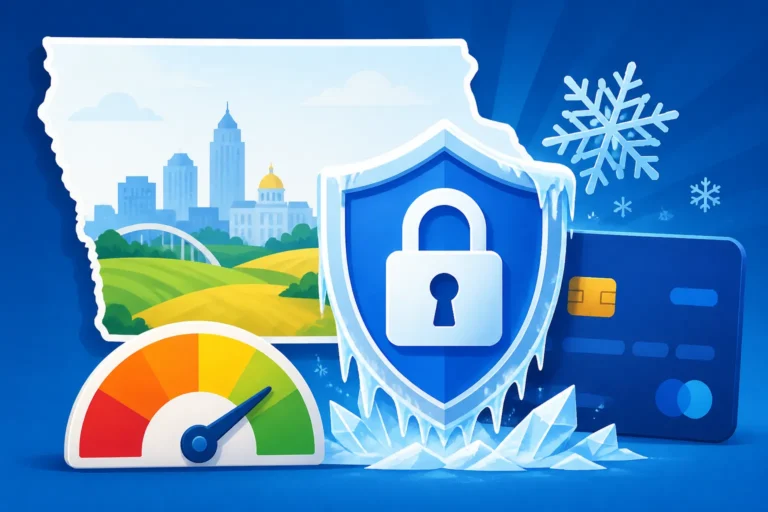
Dealing with the constant threat of identity theft and data breaches can feel like a never-ending battle, especially when your personal information is floating out there. For residents across Illinois, from Chicago's bustling streets to the quiet towns downstate, securing your financial future means taking proactive steps. This comprehensive guide will walk you through exactly how to freeze your credit in Illinois, empowering you to protect your sensitive financial data from unauthorized access.
Understanding the "Why" Behind a Credit Freeze in Illinois
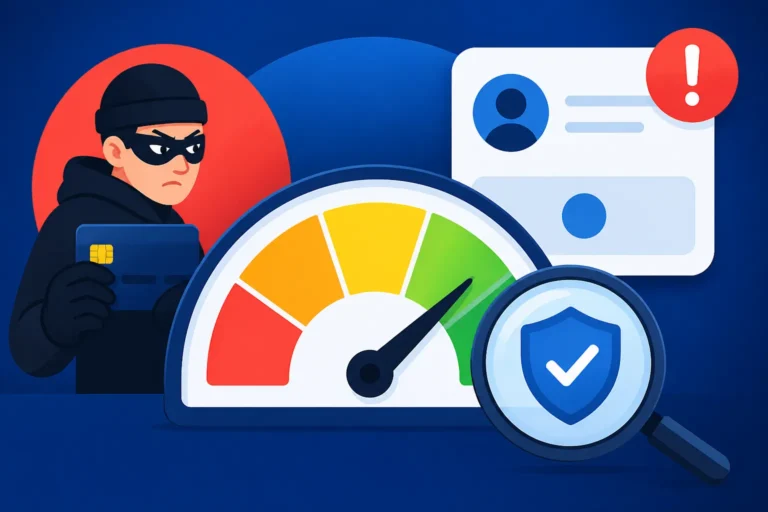
It’s easy to feel overwhelmed by the sheer volume of news about data breaches. One day it's a major retailer, the next it's a healthcare provider. The reality is that your personal information – your Social Security number, address, date of birth – might already be compromised, even if you don't know it yet. This isn't just about a credit card being stolen; it's about someone potentially opening new accounts, loans, or even utilities in your name, leaving you with the financial mess. That’s where a credit freeze, sometimes called a security freeze, becomes your ultimate defense. It's a powerful tool that restricts access to your credit reports, making it incredibly difficult for identity thieves to open new accounts using your information.
A credit freeze isn't a permanent solution that locks you out of your own financial life forever; rather, it’s a temporary lock that you control. Think of it as putting a heavy-duty padlock on your credit file. If a potential creditor, like a bank or a car dealership, tries to pull your credit report while it's frozen, they simply won't be able to access it. This means they can't approve any new credit in your name, effectively stopping an identity thief dead in their tracks. It's a proactive measure that gives you peace of mind, knowing that even if criminals have your data, they can't easily monetize it through new credit accounts.
Many people wonder if freezing their credit will hurt their existing accounts or prevent them from using their current credit cards. The good news is, it doesn't. A credit freeze only prevents new credit from being opened. Your existing credit cards, loans, and other accounts will remain active and unaffected. You can still use your debit and credit cards, pay your bills, and manage your current finances as usual. This distinction is really important because it means you can protect yourself without disrupting your daily financial routine. To learn more about other protective measures, you might want to read about Credit Freeze vs Credit Lock vs Fraud Alert.
Your Step-by-Step Guide to Freezing Credit with Each Bureau
Freezing your credit in Illinois involves contacting each of the three major credit bureaus individually: Equifax, Experian, and TransUnion. While the process is generally straightforward, it does require a separate request to each agency. The good news is that under federal law, placing a credit freeze is free, and it's also free to lift or temporarily thaw it. This makes it an accessible and cost-effective way for anyone, including Illinois residents, to bolster their financial security.
Before you begin, make sure you have your personal information handy: your full legal name, current and previous addresses, date of birth, and Social Security number. You might also need to answer some security questions based on your credit history to verify your identity.
Freezing Your Credit with Equifax
Equifax offers a dedicated portal for placing, temporarily lifting, or permanently removing a security freeze. Visiting their website is usually the quickest and easiest way to manage your freeze. They will require you to create an account if you don't already have one, which helps streamline future interactions with your freeze.
If you prefer, you can also request a freeze by phone or mail. When opting for mail, send your request via certified mail, return receipt requested. This provides proof that Equifax received your request. Be sure to include copies of documents verifying your identity, such as a government-issued ID and a utility bill showing your current address. Equifax will then provide you with a unique PIN (Personal Identification Number) or password. Keep this PIN in a secure place, as you'll need it whenever you want to thaw or unfreeze your credit.
Freezing Your Credit with Experian
Experian also provides an online method for placing a security freeze, which is often the most convenient option. You'll navigate to their security freeze section, where you can follow the prompts to establish your freeze. Similar to Equifax, you may need to register or log in to manage your account and security settings.
For those who prefer not to use the internet, Experian accepts freeze requests by phone or mail. If you choose to mail your request, just like with Equifax, certified mail with a return receipt is a good idea. Include clear copies of identification documents, such as a driver’s license or state ID, and a recent utility bill or bank statement with your name and address. Experian will then send you a confirmation and instructions on how to manage your freeze, including any necessary PINs or security questions for future access.
Freezing Your Credit with TransUnion
TransUnion provides similar options for managing your credit freeze. Their website is typically the most user-friendly way to initiate a freeze, offering a streamlined process to secure your credit file. They will guide you through identity verification steps, which may include answering questions about your credit history that only you would know.
Alternatively, you can contact TransUnion by phone or send your request via mail. If mailing, remember to use certified mail for your records and include copies of two forms of identification, like a social security card and a recent pay stub or bank statement. After processing your request, TransUnion will send you a confirmation letter detailing your freeze and how to manage it in the future. They will also provide the necessary credentials to lift or thaw the freeze when you need to apply for new credit. You can explore more about The 3 Credit Bureaus: Equifax, Experian & TransUnion in detail.
Here's a quick reference table for freezing your credit:
| Credit Bureau | Online Method | Phone Number | Mailing Address | What to Include (Mail) |
|---|---|---|---|---|
| Equifax | Visit Equifax.com/personal/credit-report-services/credit-freeze/ | 1-888-298-0045 | Equifax Security Freeze, P.O. Box 105788, Atlanta, GA 30348-5788 | Copy of ID, proof of address, Social Security Card |
| Experian | Visit Experian.com/freeze/center.html | 1-888-397-3742 | Experian Security Freeze, P.O. Box 9554, Allen, TX 75013 | Copy of ID, proof of address, Social Security Card |
| TransUnion | Visit TransUnion.com/credit-freeze | 1-888-909-8872 | TransUnion, P.O. Box 2000, Chester, PA 19016 | Copy of ID, proof of address, Social Security Card |
Note: Always double-check the latest contact information on each bureau's official website, as addresses and phone numbers can change.
Living with a Credit Freeze: What to Expect and How to Manage It
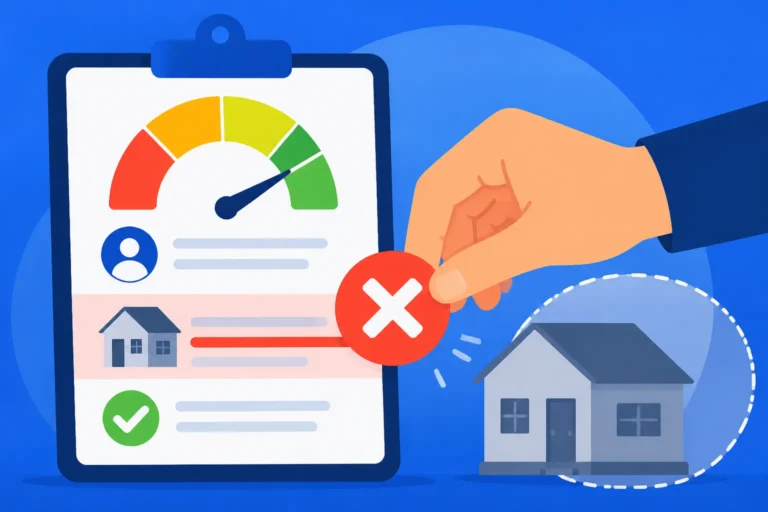
Once your credit is frozen, you might be wondering about the day-to-day implications. The most important thing to remember is that while your credit is frozen, no new credit can be extended in your name without your explicit permission. This is precisely the protection you're seeking. However, it also means that if you want to apply for a new loan, credit card, or even some rental applications, you'll need to temporarily "thaw" or "lift" the freeze.
Temporarily Thawing Your Credit for Specific Applications
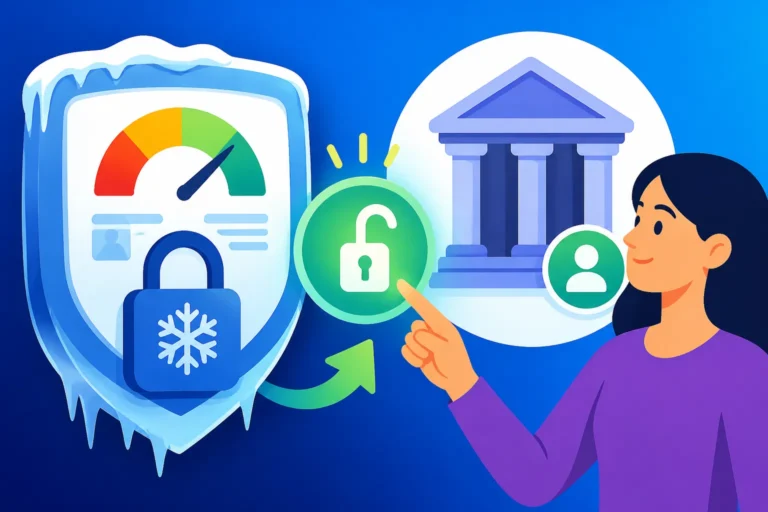
Let's say you're ready to apply for a new mortgage in Springfield, or perhaps a personal loan for a home renovation. Before submitting your application, you'll need to lift your credit freeze. This isn't a complicated process, but it does require a bit of planning. You can usually do this online or by phone with each credit bureau. When you request a temporary lift, you'll typically be asked for your PIN or to answer security questions you set up. You can choose to lift the freeze for a specific period (e.g., 7 days) or for a specific creditor if they provide you with their exact access code.
It’s crucial to know which credit bureau(s) the lender will pull your report from. Most lenders pull from one or two, but some might check all three. If you're unsure, it's safest to temporarily unfreeze your credit with all three bureaus. This proactive step ensures your application goes through smoothly without unnecessary delays. Imagine you're at a dealership in Bloomington, ready to get pre-approved for a car, and your application is denied because you forgot to unfreeze your Experian report! A little foresight goes a long way. You can find more specific guidance on How to Unfreeze Your Credit Temporarily.
The Benefits and Limitations of a Credit Freeze
The primary benefit of a credit freeze is unparalleled protection against new account fraud. If an identity thief tries to open a credit card or take out a loan in your name, their application will be denied because the lender can't access your credit report. This is a huge relief for many, especially those who have been victims of identity theft or have concerns about their personal data after a breach.
However, a credit freeze isn't a silver bullet. It won't prevent someone from using your existing credit card numbers if they're stolen, nor will it stop unauthorized transactions on your bank account. It also won't stop someone from using your personal information for things that don't involve a credit check, like filing a fraudulent tax return or getting a job. For comprehensive protection, consider a combination of strategies. Additionally, while it protects against new lines of credit, it doesn't address the underlying issue of poor credit habits if you're trying to improve your score. Tools like Credit Strong, for example, are designed to help you build a positive payment history, but you'd need to consider thawing your freeze to participate fully if they report to all bureaus for their credit-builder loan products.
Beyond the Freeze: Other Ways to Protect Your Financial Identity
While a credit freeze is a powerful safeguard, it's just one piece of the puzzle when it comes to protecting your financial identity. A holistic approach involves regular monitoring, smart financial habits, and being vigilant about your personal information. Even with a freeze in place, keeping an eye on your existing accounts and being aware of potential scams remains critical.
Regular Credit Monitoring and Report Checks
Even if your credit is frozen, you should still regularly check your credit reports for errors or suspicious activity. You’re entitled to a free copy of your credit report from each of the three major bureaus once every 12 months through AnnualCreditReport.com. Make it a routine to review them. Look for accounts you don't recognize, incorrect personal information, or addresses where you've never lived. Even minor discrepancies could be red flags. Understanding How to Get Your Free Credit Report is a fundamental step in proactive financial management.
Beyond annual checks, many banks and credit card companies now offer free credit monitoring services, which can alert you to significant changes on your credit file. While these often don't provide the same granular detail as paid services, they can be a helpful early warning system. Staying informed about How to Spot Signs of Identity Theft on Your Report can help you catch issues quickly.
Strengthening Your Online Security and Financial Habits
Your online habits play a significant role in your financial security. Always use strong, unique passwords for all your online accounts, especially banking, email, and social media. Consider using a password manager to help you keep track of them. Enable two-factor authentication (2FA) wherever possible, adding an extra layer of security that requires a code from your phone or another device to log in.
Be wary of phishing scams, where criminals try to trick you into giving up your personal information through fake emails, texts, or phone calls. Legitimate organizations, like your bank or the IRS, will never ask for your Social Security number or account passwords via email. If something feels off, err on the side of caution and contact the organization directly using a verified phone number or website. Building a strong credit profile also means maintaining good payment habits, whether through traditional credit accounts or innovative products like Credit Strong, which helps users establish positive payment history through a secured loan structure. This approach complements the protective layer of a credit freeze once you're ready to build credit responsibly again.
What to Do If Identity Theft Occurs
Even with the best precautions, identity theft can still happen. If you suspect you're a victim, acting quickly is paramount. First, contact the companies where the fraud occurred (e.g., your bank, credit card issuer). Next, file an identity theft report with the Federal Trade Commission (FTC) at IdentityTheft.gov. This report is incredibly valuable as it can help you dispute fraudulent charges and prove to creditors that you were a victim, not responsible for the debt. Finally, consider placing a fraud alert on your credit reports – a different, less restrictive protection than a freeze – and potentially filing a police report, especially if you know the thief or significant losses occurred. For a detailed guide on recovery, refer to What to Do If You're a Victim of Identity Theft.
Freezing your credit in Illinois is a smart and effective way to protect yourself from certain types of identity theft. By understanding the process for each bureau and remaining vigilant with your overall financial security, you can significantly reduce your risk and gain greater peace of mind.
Disclaimer
Please note that this article provides general information and recommendations regarding credit freezes and credit protection. Laws and regulations can change, and individual circumstances vary. It is always advisable to consult with a financial advisor or legal professional for personalized advice. The information here is not intended as legal, financial, or tax advice.