How to Spot Signs of Identity Theft on Your Report
It’s a truly terrifying feeling, isn't it? That knot in your stomach when you check your credit report, expecting everything to be in order, and instead you find something completely unfamiliar. Identity theft is a rampant problem, and it can feel like a devastating violation. But here's the good news: knowing the warning signs can empower you to act fast. This guide is all about helping you become a detective for your own financial well-being, showing you exactly what to look for on your credit report and beyond to spot identity theft before it spirals out of control.
What Identity Theft Looks Like on Your Credit Report
Your credit report is often the first place the ripples of identity theft will appear. It's like a financial diary of your borrowing life, and when someone else starts writing in it, those entries will stick out like a sore thumb. Regularly checking your credit reports is absolutely crucial for safeguarding your financial health.
Unfamiliar Accounts or Debts
One of the most glaring red flags you'll encounter is finding accounts or debts on your credit report that you never opened or authorized. Imagine pulling your report and seeing a new credit card from Capital One or a personal loan from a bank you've never even stepped foot in. The immediate panic is understandable. These could be credit cards, car loans, mortgages, or even utility accounts opened in your name. Criminals often try to open new lines of credit using stolen personal information, hoping to max them out before you even realize what's happening.
You might see things like an account number from a store credit card you've never held, or a personal loan from a lender like Marcus by Goldman Sachs that you didn't apply for. This isn't just a simple error; it's a clear indication that someone has used your identity to acquire credit. The balances on these accounts might be zero if they're newly opened, or they could show significant debt if the thief has already gone on a spending spree. It’s critical to investigate every single account listed, no matter how small or insignificant it might seem. If you didn't open it, it's a problem.
Hard Inquiries You Didn't Authorize
Whenever you apply for a new line of credit – like a credit card, a mortgage, or a car loan – a lender typically performs a "hard inquiry" on your credit report. This inquiry temporarily lowers your credit score by a few points and indicates to other lenders that you're seeking new credit. So, if you're reviewing your report and notice a hard inquiry from a company you haven't recently applied for credit with, that's a serious warning sign. It suggests someone else has attempted to open credit in your name.
These unauthorized hard inquiries will usually list the name of the inquiring creditor and the date of the inquiry. If you see an inquiry from, say, Bank of America, and you haven't applied for anything with them recently, it's time to dig deeper. It's especially concerning if these inquiries are clustered together, as this often indicates an identity thief attempting multiple fraudulent applications. You can learn more about what these mean by reading up on What Is a Hard Pull and Who Can Make One?. If you spot any such inquiries, you'll need to know How to Dispute a Hard Inquiry You Don't Recognize right away.
Incorrect Personal Information
While not always a direct sign of active fraud, finding incorrect personal information on your credit report is a significant red flag that your identity might be compromised or has been targeted. This could include an unfamiliar address, a misspelled name, an incorrect date of birth, or even employers you've never worked for. Sometimes, identity thieves will change your address on file to divert mail containing sensitive financial information, giving them a greater window of opportunity to commit fraud without your knowledge.
It’s crucial to ensure that all personal details on your credit report are accurate. An incorrect address, for instance, could be an early indicator that someone is trying to take over your accounts or open new ones at a different location. Even a slight misspelling of your name could point to a synthetic identity where a thief combines real and fake information to create a new identity. It's a subtle but important detail that warrants immediate attention. If you find discrepancies, you'll want to take steps to correct them, starting with knowing How to Correct Wrong Personal Information on Your Report.
Collection Accounts You Don't Recognize
Few things cause more immediate stress than seeing a collection account appear on your credit report for a debt you absolutely do not owe. These are usually accounts that went unpaid, and the original creditor sold the debt to a third-party collection agency. When an identity thief opens an account in your name and then defaults on payments, that debt will eventually be sent to collections, appearing on your report as a derogatory mark.
This could be for anything from an old medical bill for services you didn't receive to an overdue utility bill from an address you've never lived at. The presence of these accounts is a strong indicator that someone has used your identity to incur debt. Not only does this damage your credit score, but it can also lead to aggressive collection calls and letters, adding emotional distress to the financial fallout. Understanding How to Remove Collections From Your Credit Report will be a vital step if this happens to you.
Beyond the Report: Other Red Flags to Watch For
While your credit report is a powerful tool for spotting identity theft, it's not the only place to look. Identity thieves are clever, and their activities can manifest in other areas of your life, often before anything even hits your credit file. Being vigilant across all aspects of your financial and personal information is key.
Unexpected Bills or Collection Notices
Imagine opening your mailbox to find a utility bill for an address you've never resided at, or a collection notice for a credit card you've never applied for. These unexpected pieces of mail are major red flags. Identity thieves might initially use your information to open accounts that don't immediately report to credit bureaus, such as cellular phone services, internet providers, or even smaller store credit cards. When payments are missed, these accounts eventually go to collections, and the notices start arriving at your actual address.
Even if you shred most junk mail, pay close attention to anything that looks official or mentions a debt you don't recognize. Sometimes these notices are the very first indication that your personal information has been compromised. Don't dismiss them as spam; take the time to investigate. Receiving a bill from a medical provider for a procedure you didn't have, or a notice about an overdue bill from a telecom company you're not a customer of, demands immediate action.
Denials for Credit or Services
You're finally ready to apply for that dream apartment in Seattle or a new car in Miami, confident in your financial standing. But then, to your shock, you're denied credit or services, despite believing you have good credit. Often, a lender or landlord might tell you it's due to a low credit score, too many inquiries, or negative items on your report that you weren't aware of. This sudden denial, especially when you have a good financial history, can be a frustrating and confusing sign of identity theft.
When identity thieves open numerous accounts in your name or max out fraudulent credit lines, it can severely impact your credit score, making legitimate applications difficult or impossible. Your credit utilization might suddenly appear very high, or your payment history could show delinquencies from accounts you don't even know exist. This kind of rejection forces you to look closer at your credit file, revealing the damage that someone else has caused.
Strange Communication from Creditors
Have you ever received a phone call, email, or even a text message from a credit card company or a lender about an account that means absolutely nothing to you? This isn't just annoying spam; it could be a direct result of identity theft. Thieves might open accounts in your name, and when they fail to make payments, the original creditor or a debt collector will naturally try to contact the "account holder" – which is you.
These communications might sound legitimate, asking you to verify information or make a payment on an account you've never heard of. Be extremely cautious. Never give out personal information over the phone or by replying to suspicious emails. Instead, contact the company directly using a verified phone number or website, not the one provided in the suspicious communication, to inquire about the account. This proactive step can confirm if a fraudulent account has indeed been opened in your name.
Medical Bills for Services You Didn't Receive
Medical identity theft is a particularly insidious form of fraud that can have far-reaching and dangerous consequences. This occurs when someone uses your personal information, like your name, insurance policy number, or Social Security number, to obtain medical services, prescription drugs, or even to file false claims with your insurance provider. You might only discover this when you receive a bill for a medical procedure you never had, a prescription you never filled, or an Explanation of Benefits (EOB) from your health insurer detailing services you didn't receive.
The impact can be severe: fraudulent medical entries in your health records could lead to misdiagnoses or incorrect treatments in the future. Imagine going to the emergency room and your records show you're allergic to a life-saving medication because an identity thief fraudulently received treatment under your name. Always review any medical bills or EOBs thoroughly, even if you just glance at them. If something looks amiss, question it immediately.
Here's a quick overview of potential identity theft signs:
| Category | On Your Credit Report | Beyond Your Credit Report |
|---|---|---|
| New Accounts | Unfamiliar credit cards, loans, mortgages | Unexpected bills for utilities, phone, internet |
| Credit Inquiries | Hard inquiries from unknown lenders | Denials for credit you expected to receive |
| Personal Info | Incorrect name, address, phone, employer | Mail intended for someone else at your address (or vice-versa) |
| Debt & Payments | Collection accounts you don't recognize, late payments | Strange calls/emails from creditors, unexpected medical bills |
| Official Records | Public records for bankruptcy/foreclosure you didn't file | IRS notices about income you didn't earn |
What to Do When You Spot Identity Theft
Finding out you're a victim of identity theft can be overwhelming, but panicking won't help. The most crucial thing is to act quickly and systematically. The faster you respond, the better your chances of minimizing the damage and reclaiming your financial life. This isn't a quick fix, but a series of deliberate steps.
Act Quickly and Methodically
The moment you discover any sign of identity theft, whether it's an unrecognized account on your credit report or a strange bill in your mail, speed is of the essence. Identity thieves thrive on anonymity and delay. Every minute counts in preventing further fraudulent activity. Start by gathering all the evidence you have: copies of your credit report, suspicious bills, denial letters, and any other relevant documentation. This information will be vital in proving your case to creditors and authorities.
It’s easy to feel helpless, but remember, you have rights. The Fair Credit Reporting Act (FCRA) gives you the power to dispute inaccurate information on your credit report. Don't let the fear paralyze you; instead, channel that energy into taking concrete steps. Even if it feels like a monumental task, tackling it piece by piece will make it manageable.
Contact the Credit Bureaus and Creditors
Your first major step should be to contact the three major credit bureaus – Equifax, Experian, and TransUnion – and dispute any fraudulent accounts or unauthorized inquiries. You'll need to send a dispute letter, ideally with supporting documentation, clearly stating which items are not yours. Each bureau has a specific process for disputes, and it's important to follow them precisely. You can find detailed instructions on How to Dispute With Equifax, Experian, and TransUnion.
Simultaneously, you need to contact the specific creditors where the fraudulent accounts were opened. Call their fraud departments and explain the situation. They will often require you to fill out an affidavit of identity theft. Be prepared to provide the FTC Identity Theft Report (which we'll cover next). It's a tough conversation, but critical. For guidance on addressing specific fraudulent entries, check out How to Dispute Fraudulent Accounts. Remember to also officially How to Report Identity Theft to the Credit Bureaus to kickstart their investigation.
File an Identity Theft Report
This step is absolutely critical. You need to file an official Identity Theft Report with the Federal Trade Commission (FTC) at IdentityTheft.gov. This report is more than just a complaint; it's a legal document that will be invaluable in your recovery process. It acts as proof that you've been a victim of identity theft, which creditors and law enforcement will require.
Once you complete the FTC report, you'll get a recovery plan tailored to your specific situation, including pre-filled letters to send to creditors and credit bureaus. This report is your official record and will simplify many of the subsequent steps, giving you legal standing. You can dive deeper into this process by learning How to Get an Identity Theft Report. After filing with the FTC, consider filing a police report with your local law enforcement agency. While not always legally required for every type of identity theft, a police report can provide additional weight to your claims, especially if you need to go to court or if the theft involves large sums of money.
Place Fraud Alerts or Credit Freezes
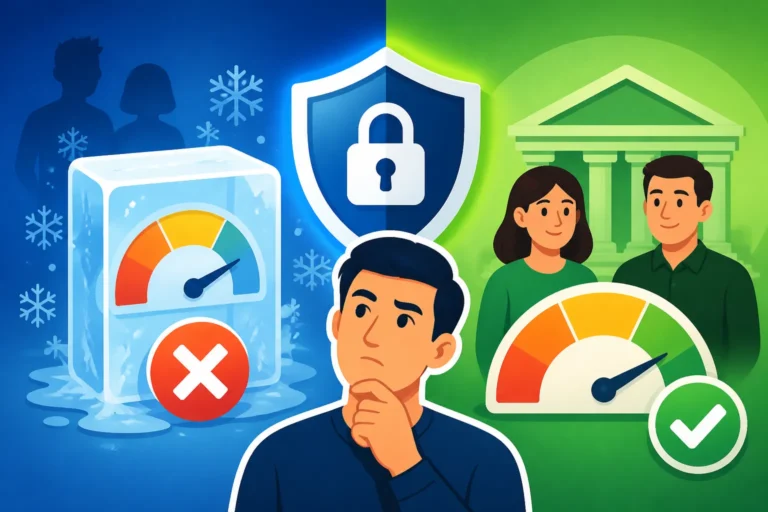
To prevent further damage while you sort things out, immediately place a fraud alert on your credit reports with one of the major credit bureaus. That bureau is then required to inform the other two. A fraud alert means that lenders must take reasonable steps to verify your identity before extending new credit. This provides a temporary layer of protection. For more robust and long-term protection, consider placing a credit freeze.
A credit freeze completely restricts access to your credit report, making it impossible for new accounts to be opened in your name without your explicit permission to "thaw" or unfreeze it. This is arguably the strongest defense against new account fraud. You'll want to understand the distinctions between these options, so learning about Credit Freeze vs Credit Lock vs Fraud Alert is a great next step. And for comprehensive instructions on safeguarding your credit, refer to How to Freeze Your Credit (All 3 Bureaus). Taking these steps is crucial to stopping the bleeding from ongoing theft.
Proactive Steps to Protect Yourself
Recovering from identity theft is tough, but a strong offense can prevent many problems from happening in the first place. Think of it as building a robust immune system for your financial life. Proactive measures are your best defense against the ever-evolving tactics of identity thieves.
Regularly Monitor Your Credit Reports
The single most effective proactive step you can take is to regularly review your credit reports from all three major bureaus. The Fair Credit Reporting Act (FCRA) entitles you to a free copy of your credit report from each of the three nationwide credit reporting companies (Equifax, Experian, and TransUnion) once every 12 months. However, during the pandemic, annualcreditreport.com made these reports available weekly, and that helpful access has been extended indefinitely, so take advantage of it!
Make it a habit to pull one report every four months, rotating between the bureaus. This way, you're essentially reviewing your credit information three times a year. Don't just skim it; go through every single line item with a fine-tooth comb. Look for anything that doesn't belong, from accounts you didn't open to inquiries you didn't authorize. Knowing How to Get Your Free Credit Report is the first step, and then understanding How to Read Your Credit Report (2026 Guide) will empower you to identify any suspicious activity. This vigilance acts as your personal early warning system.
Secure Your Personal Information
Identity thieves often gain access to your information through everyday vulnerabilities. Protecting your personal data is paramount. Be mindful of what you share online, especially on social media, where seemingly innocuous details like your pet's name or your high school can be used to answer security questions. Always use strong, unique passwords for all your online accounts, and enable two-factor authentication whenever possible.
Shred sensitive documents like old bills, bank statements, and pre-approved credit card offers before throwing them away. Don't carry your Social Security card in your wallet. Be cautious about clicking on suspicious links in emails or text messages, as these are common phishing attempts designed to trick you into revealing your login credentials or other personal data. Physical mail theft is also a concern; consider a locking mailbox if you live in an area prone to such issues. By being diligent in your everyday habits, you significantly reduce the avenues available to potential thieves.
Consider Credit Monitoring or Freezes
Beyond manual checks, credit monitoring services can provide an extra layer of defense by alerting you to suspicious activity in real-time. These services track changes on your credit reports and often include features like dark web monitoring, checking for your personal information being traded online. While not foolproof, they offer peace of mind and prompt notification if something unusual occurs.
Alternatively, or in conjunction, maintaining a credit freeze on your reports is a robust protection strategy. Many people freeze their credit even when they haven't been victims of identity theft, simply as a preventative measure. It's free to place and lift a credit freeze, and it ensures that no new credit can be opened without your explicit consent. This effectively locks out identity thieves from opening new accounts. Some might even leverage tools like Credit Strong not directly for identity theft prevention in the traditional sense, but as part of a broader financial wellness strategy. By building a robust and healthy credit history with services like Credit Strong, you create a clear, positive financial footprint that can make fraudulent or outlier accounts stand out even more starkly if they appear. A strong credit foundation, fostered by responsible financial tools like Credit Strong credit builder loans, can also make you a less attractive target for certain types of fraud that prey on individuals with thin or poor credit files. Moreover, in the unfortunate event of identity theft, having a well-established credit history, potentially built with the help of Credit Strong, can sometimes make the recovery and rebuilding process smoother, as lenders might have more verifiable positive data on file for you.
Be Wary of Phishing and Scams
The digital age has brought with it an increase in sophisticated phishing and scam attempts. Identity thieves often pose as legitimate organizations – like your bank, the IRS, or a well-known company – to trick you into divulging sensitive information. These attempts can come through email, text messages, or even phone calls. Always be skeptical of unsolicited communications asking for personal details, account numbers, or passwords.
Genuine organizations typically won't ask for this kind of information through unsecure channels. If you receive a suspicious message, do not click on any links or download any attachments. Instead, go directly to the organization's official website or call them using a phone number you know to be legitimate (from their official website, not from the suspicious message). Understanding How to Protect Your Credit From Phishing Scams is crucial in today's interconnected world. Your vigilance against these tactics is a frontline defense for your identity.
Disclaimer
Please note that this article is intended for informational purposes only and does not constitute financial, legal, or professional advice. Always consult with a qualified professional for advice tailored to your specific situation.