How to Freeze Your Credit in Maryland
It can feel incredibly frustrating and even frightening when you realize your personal financial information might be vulnerable. In today's digital world, data breaches are unfortunately a common occurrence, leaving many of us wondering how we can truly protect ourselves from identity theft and unauthorized access to our credit. This comprehensive guide is here to walk Maryland residents through the essential steps of freezing their credit, offering peace of mind and a robust layer of protection against potential fraudsters.
Understanding the Power of a Credit Freeze
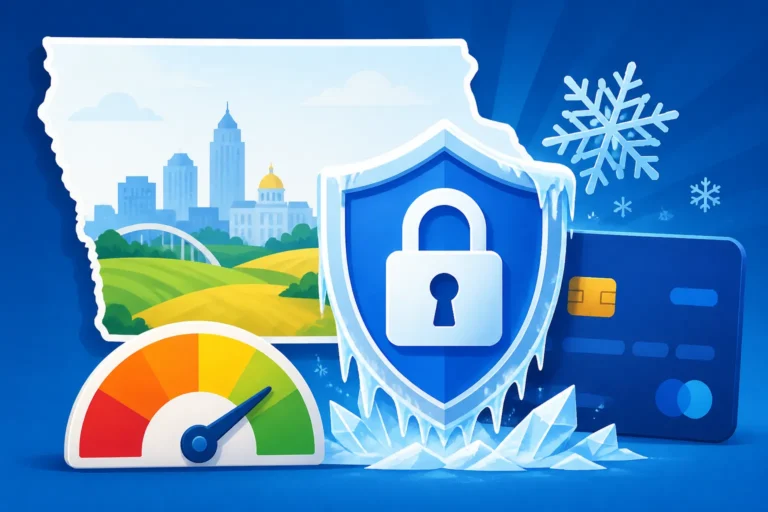
A credit freeze, sometimes called a security freeze, is one of the most effective tools you have to protect your credit report from unauthorized access. Think of it like putting a padlock on your financial file. When your credit is frozen, lenders and creditors cannot access your credit report, which means they can't open new accounts in your name, even if a scammer has your Social Security number or other personal details. This isn't just a minor inconvenience for potential fraudsters; it's a significant roadblock that often stops identity theft in its tracks.
For many Marylanders, the decision to freeze credit often comes after a data breach notification – perhaps a company you've done business with, like a healthcare provider or a retailer, announces that their systems have been compromised. Or maybe you've simply become more aware of the risks involved in sharing personal information online. The good news is that placing a credit freeze is now free by federal law, making it an accessible and vital defense for everyone.
What a Credit Freeze Protects You From
When your credit is frozen, it essentially blocks new credit applications from being processed under your name. This means:
- New Credit Card Accounts: A fraudster can't open a new credit card account in your name to rack up debt.
- Loans and Lines of Credit: They won't be able to take out personal loans, car loans, or even mortgages using your stolen identity.
- Utilities and Services: In some cases, identity thieves try to open new utility accounts (like electricity or gas) or cell phone contracts. A freeze helps prevent this too.
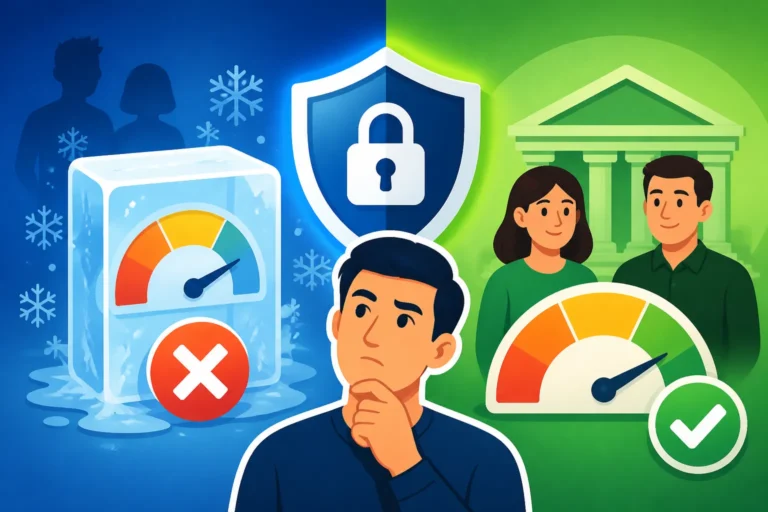
It's important to understand that a credit freeze doesn't impact your existing accounts. Your current credit cards, mortgage, and other loans will continue as normal. You can still use your existing credit cards, and your payment history will still be reported to the bureaus. It simply prevents new credit from being extended in your name without your explicit permission. This distinction is crucial, as some people worry it will somehow disrupt their everyday financial life. Rest assured, it primarily affects the opening of new accounts.
Credit Freeze vs. Credit Lock vs. Fraud Alert
Navigating the world of credit protection can feel like learning a new language, especially with terms like "credit freeze," "credit lock," and "fraud alert" often used interchangeably. But they are distinctly different, and knowing the nuances can help you choose the best protection for your situation.
A credit freeze, as we've discussed, is a powerful, federally mandated tool that restricts access to your credit report. It requires specific steps to place and lift, offering robust protection. On the other hand, a credit lock is typically a service offered by the credit bureaus themselves (like Experian's CreditLock or TransUnion's TrueIdentity) that often comes with a monthly fee or is bundled with a credit monitoring service. While a lock might offer faster on-off control through a mobile app, it's a contractual agreement, not a right granted by law, and its protections can vary.
Then there's the fraud alert. This is a shorter-term measure, often placed for 90 days (or seven years if you've reported identity theft). When you place a fraud alert, potential creditors are required to take extra steps to verify your identity before extending credit. While helpful, it's not as ironclad as a freeze, as a determined fraudster might still find a way around it. It's more like a "proceed with caution" sign, whereas a freeze is a "do not enter" barrier. If you're wondering What Is a Credit Freeze vs Credit Lock vs Fraud Alert, you'll find an even deeper dive into the distinctions there.
Step-by-Step Guide to Freezing Your Credit with Each Bureau
To truly protect your credit, you need to freeze it with all three major credit bureaus: Equifax, Experian, and TransUnion. This is because lenders don't all report to or pull from the same bureau. A comprehensive freeze means contacting each one individually. While the process is generally similar for each, there are slight differences in their online portals and customer service numbers. The good news is that Maryland residents, like all Americans, are entitled to free credit freezes and unfreezes by law.
It's a good idea to gather some personal information before you start, as you'll need it for verification. This typically includes your full name, current and previous addresses, Social Security number, and date of birth. Having this handy will make the process much smoother.
Freezing Your Credit with Equifax
Equifax makes it relatively straightforward to place a security freeze online. Most people find the online portal the easiest and fastest way to go.
- Visit the Equifax Security Freeze Page: Head directly to the dedicated security freeze section on the Equifax website. You'll usually find clear instructions and a prominent "Place a Security Freeze" button.
- Verify Your Identity: Equifax will ask for your personal information to confirm your identity. Be prepared to answer some security questions that only you should know, perhaps related to past addresses or loans.
- Confirm the Freeze: Once your identity is verified, you'll confirm your request. Equifax will then provide you with a confirmation or Personal Identification Number (PIN). This PIN is incredibly important, so make sure to keep it in a safe, secure place. You'll need it if you ever want to lift or unfreeze your credit.
If you prefer to freeze your credit by phone or mail, those options are also available. For phone, you can call their automated line, but expect a longer process for verification. For mail, you'll need to send a letter with copies of identity verification documents (like a driver's license and utility bill) to their specified address. The mail option often takes longer to process, sometimes up to 3 business days after they receive your request.
Freezing Your Credit with Experian
Experian also provides an easy-to-use online platform for managing your credit freeze.
- Access the Experian Security Freeze Center: Navigate to the security freeze section on the Experian website. Look for options to "Add a Security Freeze" or "Place a Security Freeze."
- Provide Required Information: You'll enter your personal details for identity verification. Experian, like Equifax, uses knowledge-based questions to ensure it's really you.
- Receive Confirmation: After successful verification, Experian will confirm the freeze. They might provide a PIN or a confirmation number, which, again, you should store securely. This number is your key to future access.
You can also opt to freeze your credit with Experian via phone or mail. Their customer service lines are available during business hours, but wait times can vary. Mailing your request is an option if you prefer, but be sure to include all necessary identification documents to avoid delays. Remember, the goal is to make it harder for identity thieves to get new credit in your name. If you're a victim of identity theft, you'll want to take additional steps, which you can learn more about in What to Do If You're a Victim of Identity Theft.
Freezing Your Credit with TransUnion
The process for TransUnion is very similar to the other two bureaus, emphasizing consistency across the board for consumer protection.
- Go to the TransUnion Credit Freeze Page: Find the credit freeze portal on the TransUnion website. You'll typically see options to "Add a Freeze" or "Manage Your Freeze."
- Enter Personal Data: Input your identifying information for verification. TransUnion will use its own set of questions to confirm your identity before proceeding.
- Obtain Your PIN/Confirmation: Once the freeze is placed, TransUnion will issue a PIN or a confirmation number. Jot this down and keep it somewhere safe. Without it, managing your freeze in the future can be a significant hassle.
Like its counterparts, TransUnion offers phone and mail options for initiating a credit freeze. If you choose the mail route, remember to send copies of your identification documents. It’s always recommended to use certified mail with a return receipt for mailed requests, just so you have proof of delivery.
Here's a quick comparison of the three major bureaus for freezing credit:
| Bureau | Online Freeze Link (General) | Phone Number (General) | What to Keep Safe | Notes |
|---|---|---|---|---|
| Equifax | equifax.com/personal/credit-report-services/credit-freeze/ | 1-800-685-1111 | PIN | Online portal generally fastest and easiest. |
| Experian | experian.com/freeze/center.html | 1-888-EXPERIAN (397-3742) | PIN/Confirmation Number | Can sometimes offer instant control through apps (CreditLock). |
| TransUnion | transunion.com/credit-freeze | 1-888-909-8872 | PIN/Confirmation Number | Important to keep track of confirmation for future management. |
Please note: These links and phone numbers are subject to change. Always verify the most current information directly on the credit bureau's official website.
Managing Your Credit Freeze: Lifting, Thawing, and Unfreezing
Placing a credit freeze is an excellent defensive move, but life happens. You might need to apply for a new credit card, a car loan, an apartment, or even a mortgage. This is where "lifting," "thawing," or "unfreezing" your credit comes into play. It's important to know how to temporarily or permanently remove a freeze so that legitimate creditors can access your report when needed. Remember, the process for managing your freeze is also free, thanks to federal law. For more detailed guidance, consider reading How to Unfreeze Your Credit Temporarily.
Temporarily Lifting (Thawing) Your Credit
Most of the time, you won't want to permanently unfreeze your credit. Instead, you'll want to "thaw" it for a specific period or for specific creditors. This allows a lender to pull your report for a limited time, or for a specific purpose, and then the freeze automatically reinstates afterward.
- Access the Bureau's Freeze Management Portal: Just like when you placed the freeze, you'll go to the security freeze section on each credit bureau's website.
- Provide Your PIN/Confirmation Number: This is where that securely stored PIN or confirmation number becomes indispensable. You'll need it to verify your identity and authorize the temporary lift.
- Choose Your Thaw Option:
- Date Range: You can specify a start and end date for the freeze to be lifted. For example, if you know you're applying for a loan between June 1st and June 15th, you can set those dates.
- Specific Creditor: Some bureaus allow you to lift the freeze for a particular creditor only, using a special access code provided to that lender. This is the most secure method, as only that specific entity can view your report.
- Confirm and Note: Confirm the temporary lift and make a note of the dates or the specific creditor it was for. The freeze should automatically go back into effect once the specified period ends or the specific creditor has pulled the report.
It's crucial to thaw your credit with all three bureaus if you're not sure which one your potential lender will use. Many lenders pull from only one, but others may pull from two or even all three. Playing it safe by thawing all three ensures your application goes through without a hitch.
Permanently Removing a Credit Freeze
There might be situations where you decide you no longer need the protection of a credit freeze and want to permanently remove it. Perhaps your situation has changed, or you've decided to rely on other forms of credit monitoring.
- Return to the Bureau's Freeze Management Portal: Again, you'll visit the respective credit bureau's website for managing security freezes.
- Verify Your Identity with Your PIN: You'll use your PIN or confirmation number to access your freeze settings.
- Select Permanent Removal: Look for the option to permanently remove or lift the security freeze.
- Confirm the Action: Confirm that you wish to remove the freeze permanently. Once confirmed, your credit report will be accessible to anyone making a legitimate inquiry, just as it was before you placed the freeze.
It's a significant step to permanently remove a freeze, so make sure you're comfortable with the increased exposure before you do it. Many financial experts, including us, recommend keeping a freeze in place as a default protection, only thawing it when absolutely necessary.
Key Considerations and Protections for Maryland Residents
While the process for freezing and unfreezing credit is federally standardized, it's always good for Maryland residents to be aware of the broader context of consumer protections and best practices.
Timing and Effectiveness
When you place a credit freeze, it typically takes effect within minutes if you do it online or by phone. If you mail your request, it takes effect no later than three business days after the credit bureau receives your request. When you lift or thaw a freeze, it generally takes effect within an hour if done online or by phone. If you send a request by mail, the lift takes effect no later than three business days after the bureau receives it. This timing is important to keep in mind, especially if you're on a tight deadline for a loan application.
Freezing Credit for Minors or Incapacitated Adults
Identity theft isn't just a concern for adults. Children and incapacitated adults are also vulnerable, as their Social Security numbers are often clean and can be used to open fraudulent accounts unnoticed for years. Maryland law, like many states, specifically addresses the ability to place a security freeze on a minor's credit report. You'll need to provide proof of identity for both yourself and the minor, and proof of your authority to act on their behalf (e.g., birth certificate, guardianship papers). The process generally involves submitting a written request with supporting documentation to each credit bureau. This is a critical step for protecting vulnerable family members.
What a Credit Freeze Does Not Prevent
While incredibly powerful, a credit freeze isn't a silver bullet for all types of identity theft. It won't prevent:
- Fraud on existing accounts: If a thief gets your current credit card number, they can still make unauthorized purchases on that existing account. You'll need to monitor your bank and credit card statements closely and report any suspicious activity immediately.
- Medical identity theft: This involves someone using your identity to get medical services.
- Tax identity theft: A thief might use your Social Security number to file a fraudulent tax return and claim your refund.
- Utility or cell phone accounts opened using an existing name on the account: If you already have a utility account, a fraudster might be able to add a new line of service in your name without a credit check.
For these reasons, a credit freeze should be part of a broader strategy for identity protection, which includes regularly checking your credit reports for errors (you can get them free at AnnualCreditReport.com), monitoring your financial accounts, and being cautious about sharing personal information. If you find errors, knowing How to Dispute Errors on Your Credit Report will be invaluable.
Considering Other Credit-Building and Monitoring Tools
Even with a credit freeze in place, it's vital to stay proactive about your financial health. This means not just protecting what you have but also continuing to build and manage your credit responsibly. For example, while a freeze prevents new unauthorized accounts, you might still want to build your credit with new authorized accounts down the line. Companies like Credit Strong offer credit builder loans, which can be a valuable tool for establishing or improving your credit history by demonstrating responsible repayment habits. This is a distinct process from freezing credit but complements it by focusing on the positive side of your credit profile. If you’re looking to actively improve your credit while maintaining security, understanding Credit Builder Loans Explained (Self, Kikoff & More) can be very beneficial.
Keeping an eye on your existing credit report is also crucial. Tools like credit monitoring services can alert you to suspicious activity or changes on your report. While a credit freeze stops new credit from being opened, monitoring helps you catch any existing account fraud or other discrepancies. What exactly should you be looking for? Our guide on What's on Your Credit Report? Explained can walk you through it.
The Myth of Credit Score Impact
A common concern among Marylanders and consumers nationwide is whether placing a credit freeze will negatively impact their credit score. This is a complete myth! Freezing your credit has absolutely no effect on your credit score. It's a security measure, not a factor in credit scoring models like FICO or VantageScore. Your existing payment history, credit utilization, and length of credit history remain unchanged. So, you can freeze your credit with peace of mind, knowing that you're protecting yourself without harming your financial standing. You can dive deeper into this topic by exploring Does Freezing Your Credit Hurt Your Score?.
In Case of a Data Breach
If you receive a data breach notification – something that unfortunately happens with increasing frequency in Maryland and beyond – placing a credit freeze should be one of your first lines of defense. The sooner you act, the less opportunity identity thieves have to exploit your information. Companies like T-Mobile, for example, have experienced significant data breaches impacting millions, highlighting the constant threat consumers face. Once you've frozen your credit with all three bureaus, you might then consider taking additional steps to How to Protect Your Credit After a Data Breach. This can include changing passwords, setting up fraud alerts, and monitoring your financial accounts vigilantly.
The ability to freeze your credit is a powerful consumer right. By understanding how to effectively use it, Maryland residents can significantly reduce their risk of identity theft and gain greater control over their financial security.
Disclaimer
The information provided in this article is for general informational purposes only and does not constitute financial, legal, or professional advice. While we strive to provide accurate and up-to-date information, credit laws and regulations can change, and individual circumstances vary. Always consult with a qualified financial advisor or legal professional for advice tailored to your specific situation.