How Credit Card Debt Affects Your Credit Score
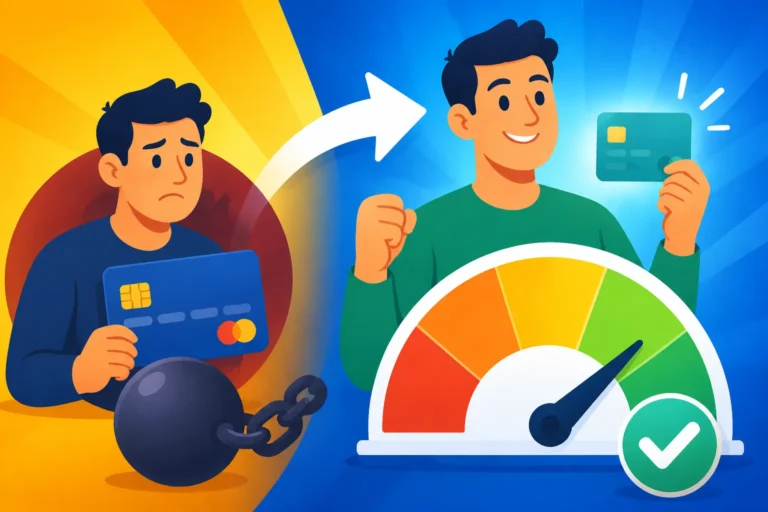
It's incredibly frustrating when you're trying your best to manage your finances, only to feel like your credit score is constantly taking a hit because of credit card debt. Many people find themselves in a challenging cycle, struggling to understand exactly how their balances impact their ability to get approved for loans, rent an apartment, or even secure better insurance rates. This comprehensive guide is here to demystify the complex relationship between credit card debt and your credit score, helping you understand the mechanics and offering actionable insights to improve your financial standing.
The Basics: How Credit Scores Are Calculated and Why It Matters
Let's be honest, credit scores can feel like a mysterious, all-powerful number dictating your financial life. You probably know that a higher score is generally better, but do you know why or, more importantly, how it's actually put together? Understanding the fundamental components that make up your FICO Score, the most widely used credit scoring model, is the first critical step toward managing and ultimately improving your credit, especially when dealing with credit card debt.
The Five Pillars of Your FICO Score
The Fair Isaac Corporation (FICO) score is the gold standard, used by about 90% of top lenders. It's not just a random number; it's a carefully calculated assessment of your creditworthiness based on five key categories. Think of these as the ingredients in your credit score recipe, and each one carries a different weight. Ignoring any of these can lead to unexpected dips in your score or make it harder to climb out of a low-score rut.
The largest piece of the pie is your payment history, which accounts for a whopping 35% of your score. This category looks at whether you've paid your bills on time, every time. A single late payment can have a significant negative impact. Next up is credit utilization, making up 30%. This is all about how much of your available credit you're actually using, and it's where credit card debt really starts to show its teeth. Length of credit history is 15%, favoring those who have managed credit responsibly over many years. New credit makes up 10%, reflecting how often you apply for and open new credit accounts. Finally, credit mix, or the types of credit you have (like credit cards, mortgages, and auto loans), accounts for the remaining 10%. Understanding What Affects Your Credit Score? The 5 Factors is crucial for anyone looking to make a meaningful change.
Each of these categories plays a vital role, and they interact in complex ways. For instance, even if you have a perfect payment history, high credit utilization due to maxed-out credit cards can still drag your score down considerably. Conversely, a diverse credit mix won't do much good if you're constantly missing payments. It's a delicate balance, and credit card debt can throw that balance off quickly if not managed proactively and strategically.
Why a Good Credit Score is Your Financial Passport
Having a good credit score isn't just about bragging rights; it's genuinely your financial passport to a world of better opportunities and lower costs. When lenders look at your credit score, they're essentially assessing how risky it is to lend you money. A higher score signals that you're a responsible borrower who pays debts on time, making you a more attractive candidate for loans, credit cards, and even mortgages.
Imagine trying to buy a house in a competitive market like Austin, Texas. With a stellar credit score, you're more likely to qualify for the best interest rates on a mortgage, potentially saving you tens of thousands of dollars over the life of the loan. The difference between a 620 FICO score and a 740 FICO score could mean thousands of dollars in interest alone on a major purchase. Similarly, if you're looking to finance a new car in Los Angeles or even just get a cell phone plan without a hefty deposit, your credit score will be a key factor. Beyond lending, landlords often check credit scores before approving rental applications, and insurance companies may use credit-based insurance scores to determine your premiums. In essence, a strong credit score saves you money and opens doors, while a poor one can cost you dearly and limit your choices at every turn.
This means that every action you take with your credit cards – every purchase, every payment – has potential implications for your future. When credit card debt starts to accumulate, it directly impacts these core factors, ultimately diminishing your financial flexibility and increasing the overall cost of living. It's not just about avoiding debt; it's about understanding its pervasive influence on your entire financial ecosystem.
Credit Utilization: The Big Kahuna of Credit Card Debt Impact
When we talk about credit card debt affecting your credit score, the conversation inevitably circles back to credit utilization. This one factor is incredibly powerful, and it's often the most immediate and impactful way that accumulating balances can ding your score. It’s not just if you have debt, but how much debt you have relative to your available credit that really counts.
Understanding Your Credit Utilization Ratio
Your credit utilization ratio, often referred to as your "debt-to-limit ratio," is a simple yet profoundly influential calculation. It's determined by dividing your total credit card balances by your total available credit across all your credit cards. For example, if you have two credit cards – one with a $5,000 limit and a $2,000 balance, and another with a $3,000 limit and a $1,000 balance – your total available credit is $8,000 ($5,000 + $3,000), and your total balance is $3,000 ($2,000 + $1,000). Your utilization ratio would then be $3,000 / $8,000 = 0.375, or 37.5%.
This ratio is reported by credit card companies to the three major credit bureaus (Equifax, Experian, and TransUnion) typically once a month, usually around your statement closing date. What's often overlooked is that the bureaus don't just look at your overall utilization; they also consider the utilization on individual cards. So, if one card is maxed out, even if your overall utilization is low, it can still negatively impact your score. This factor alone accounts for a significant portion of your FICO score, making it a critical area to monitor and manage actively. Check out Credit Utilization: The Complete Guide for a deeper dive into this vital aspect of your credit health.
Many people think that as long as they pay their minimums, they’re doing fine. But even if you're paying on time, if your balances are consistently high, your credit utilization will suffer. This is a common pitfall that keeps many individuals from seeing their credit scores improve, even when they’re diligent with payments. It's a direct indicator to lenders of how reliant you are on credit and whether you might be overextended.
The "30% Rule" and Why It's Often Misunderstood
You’ve probably heard the "30% rule" when it comes to credit utilization: try to keep your credit card balances below 30% of your available credit. While this is a widely accepted guideline and a good starting point, it's frequently misunderstood as a hard and fast ceiling. The truth is, the lower your utilization, the better, and even falling below 30% might not be enough if you're aiming for an excellent score.
For instance, someone with a FICO score in the 800s often has utilization rates in the single digits, perhaps 1% to 10%. Crossing that 30% threshold often signals to lenders a higher risk, potentially leading to a noticeable drop in your score. But it's not a cliff; it's more like a gradient. A 29% utilization is better than 31%, but 10% is even better than 29%. Furthermore, the impact can vary based on your overall credit profile. Someone with a long history of perfect payments might see a smaller dip from higher utilization than someone with a newer credit history.
Many consumers also get confused by thinking they need to carry a balance to build credit. This is a persistent myth! You do not need to carry a balance and pay interest to improve your credit score. Paying your statement balance in full every month before the due date is the optimal strategy, as it ensures you avoid interest charges while still showing responsible credit use. The bureaus report the balance from your statement, so having a low balance on that date is what matters most for utilization.
How High Utilization Can Tank Your Score
High credit utilization is one of the quickest ways to severely damage your credit score, sometimes causing a drop of 50 points or more if you jump from low to very high utilization. Imagine you have a total credit limit of $10,000 across all your cards. If you consistently maintain a balance of $8,000, your utilization is a sky-high 80%. Lenders see this and immediately categorize you as a much higher risk, even if you’re making minimum payments on time. They worry that you're stretched thin, making you more likely to default on future obligations.
The consequences go beyond just a lower score. High utilization can trigger lower credit limits on your existing cards, making your ratio even worse. It can also lead to higher interest rates on new loans you try to take out, because lenders price their loans based on risk. You might find it harder to get approved for new credit cards, personal loans, or even competitive auto loan rates. Companies like Credit Strong exist to help people build credit, and a key part of that is understanding how to keep utilization low. If you're constantly pushing against your limits, you're sending a strong signal that you're financially vulnerable.
The good news is that credit utilization has no memory. This means if you have high utilization one month and then pay down your balances the next, your score can rebound fairly quickly. This makes tackling credit card debt a powerful strategy for immediate credit score improvement. Focusing on paying down your highest-interest balances first, or using strategies like the debt snowball or debt avalanche, can make a significant difference. For more details, explore How Many Points Does High Utilization Cost You? to truly grasp the impact.
Payment History: The Unforgiving Truth About Missed Payments
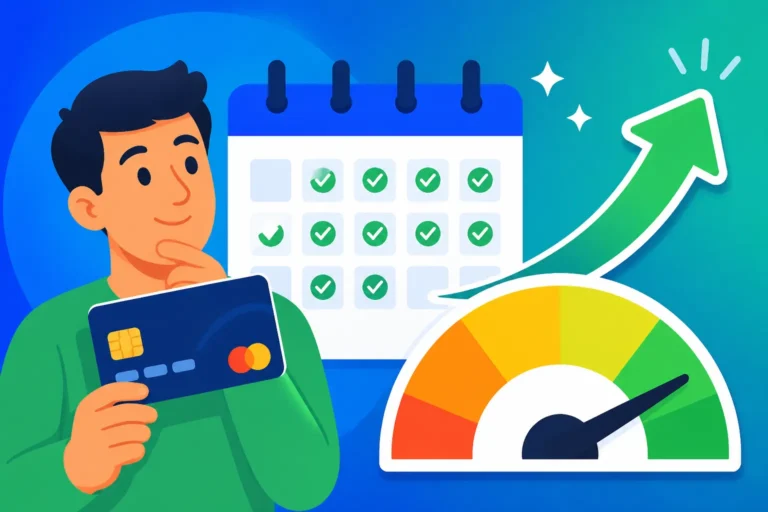
While credit utilization hits hard, nothing quite wounds your credit score like a missed payment. Payment history is the most important factor in your FICO score, carrying a weight of 35%. This means that even if you're diligently managing your credit utilization and have a long history of credit, one slip-up can have a devastating and long-lasting impact.
The Weight of Late Payments
A payment that is 30 days or more past due can be reported to the credit bureaus and will instantly drop your credit score. The impact isn't just a minor blip; it can be significant. Lenders view timely payments as the ultimate indicator of your financial responsibility. When you miss a payment, it flags you as a higher risk, suggesting you might struggle to meet future financial commitments.
Consider this scenario: You live in Chicago and accidentally miss a credit card payment because you were traveling. Even if it was an oversight and you pay it quickly, once it hits the 30-day mark, it's likely to be reported. This single event can overshadow months or even years of good behavior. The later the payment (60 days, 90 days, 120 days), and the more frequently it happens, the more severe the damage. The impact is also more pronounced if you have an otherwise pristine credit history. A first-time late payment for someone with an excellent score might cause a steeper drop than for someone who already has a few blemishes on their report.
This factor is why automation can be your best friend when managing credit card debt. Setting up automatic payments for at least the minimum amount can act as a crucial safety net, ensuring you never inadvertently miss a deadline. While it's always best to pay off your full balance, making sure the minimum is covered is non-negotiable for preserving your payment history.
How Many Points Does a Late Payment Drop Your Score?
There's no single universal answer to how many points a late payment will drop your credit score, as it depends on several factors, including your starting score and the severity of the lateness. However, we can tell you it's often a substantial hit. For someone with an excellent credit score (say, 780 or above), a single 30-day late payment could cause a drop of 90 to 110 points. That's enough to knock you from "excellent" to "good" or even "fair" in one fell swoop.
If your score is already lower, the drop might be less dramatic in terms of points, but it could still push you into a "poor" category, making it incredibly difficult to obtain new credit. A 60-day late payment typically causes more damage than a 30-day late payment, and a 90-day late payment is even worse. Each subsequent late payment on the same account within a short period only compounds the negative effect. These negative marks can remain on your credit report for up to seven years, making them a long-term hurdle. For a comprehensive understanding, refer to How Many Points Does a Late Payment Drop Your Score?.
It's not just the immediate score drop either. Lenders looking at your report will see that late payment and it can influence their perception for years, even after your score starts to recover. This is why disputing any incorrect late payments is so important, as even one error can cost you.
The Ripple Effect: Beyond Just Your Score
The consequences of late payments on credit card debt extend far beyond a mere number drop. They create a significant ripple effect across your entire financial life. First, you'll incur late fees from your credit card issuer, adding to your overall debt. Many issuers also apply penalty APRs (Annual Percentage Rates) after a late payment, meaning your interest rate could skyrocket, making it even harder to pay down your existing debt.
Beyond the immediate costs, a poor payment history makes you a less attractive borrower for other lenders. If you're looking to refinance a loan, apply for a mortgage, or even get a new auto loan, a history of late payments will almost certainly result in higher interest rates, if you're approved at all. This means you'll pay more for every loan you take out, costing you thousands of dollars over time. Some landlords will also view a history of late payments as a red flag, making it harder to secure housing.
In some cases, a pattern of missed payments can even lead to your credit card account being closed by the issuer, which not only removes a line of credit but can also further harm your credit utilization by reducing your overall available credit. The bottom line is that while credit card debt can impact your score in various ways, consistently missing payments is a direct hit to your financial reputation that takes considerable time and effort to repair. To get started on the path to recovery, learn How to Raise Your Credit Score (Step-by-Step).
Credit Mix and Account Age: Subtle Yet Significant Factors
When we talk about how credit card debt affects your credit score, most of the focus is rightly on credit utilization and payment history. However, it’s important not to overlook the more subtle, yet still significant, factors of credit mix and the length of your credit history. These elements don't hit as hard as a missed payment or maxed-out card, but they contribute to the overall picture of your financial maturity and stability.
The Role of Different Credit Types
Your credit mix refers to the variety of credit accounts you have. This typically falls into two main categories: revolving credit (like credit cards and lines of credit) and installment credit (like auto loans, mortgages, student loans, and personal loans). This factor makes up about 10% of your FICO score. Lenders like to see that you can responsibly manage different types of credit because it demonstrates a broader financial capability.
Having a healthy mix suggests that you're not overly reliant on one type of credit, or that you're capable of handling various financial commitments. For example, someone who has managed a credit card responsibly for years and also successfully paid off an auto loan shows a more robust credit profile than someone who only has one credit card. The key here isn't to open a bunch of random accounts just for the sake of it, especially if it means taking on unnecessary debt. It's about demonstrating diverse and responsible borrowing over time.
However, be careful not to open new accounts just to diversify. Each new account, especially a loan, can involve a hard inquiry which temporarily dings your score. Furthermore, if you take on more credit card debt simply to broaden your mix, you could easily undermine the positive effect by increasing your credit utilization. It's a fine line to walk, and it's something that naturally improves over time as you take on different financial commitments responsibly.
Why Older Accounts Are Better Accounts
The length of your credit history, which contributes about 15% to your FICO score, looks at several things: the age of your oldest account, the age of your newest account, and the average age of all your accounts. Generally, the longer your credit history, the better your score will be. This is because a long history of responsible credit use provides lenders with more data points to assess your reliability.
Imagine a lender reviewing two applicants in Portland, Oregon. One has a credit card opened five years ago and an auto loan taken out three years ago, both consistently paid on time. The other has only one credit card opened six months ago. Even if both have perfect payment histories, the first applicant's longer history demonstrates a more established pattern of responsibility. This makes them a less risky prospect in the eyes of the lender.
Credit card debt can impact this in several ways. If you're struggling with debt and decide to close your oldest credit card account, you might inadvertently shorten your average account age, potentially harming your score. While closing an account doesn't immediately remove it from your credit report (it usually stays for up to 10 years if in good standing), it can reduce your total available credit, which could worsen your credit utilization if you carry balances on other cards. Maintaining older, well-managed credit card accounts, even if you only use them occasionally, is generally beneficial for your credit score due to the positive impact on your credit age.
The Downward Spiral: When Credit Card Debt Becomes a Collection Nightmare
Credit card debt can take a turn for the worse if left unchecked, escalating from manageable balances to severe derogatory marks on your credit report. When debt becomes overwhelming, it can lead to situations like charge-offs and collections, which have a profoundly negative and long-lasting impact on your financial future. This isn't just about a few points; these are major red flags that signify significant financial distress.
Charge-Offs and Collections: What They Mean for Your Credit
A charge-off occurs when a creditor, like your credit card company, determines that a debt is unlikely to be collected. This typically happens after several months (usually 180 days) of missed payments. When an account is charged off, the creditor writes it off as a loss on their books. However, this doesn't mean the debt disappears; it simply means the original creditor has given up trying to collect it directly. Often, they will then sell the debt to a third-party collection agency.
Both charge-offs and collections are extremely detrimental to your credit score. A charge-off will appear on your credit report, indicating a severe delinquency. If the debt is then sold to a collection agency, a new collection account will also appear on your report, often showing up as a separate negative entry. This means a single debt can effectively cause two negative entries. These derogatory marks can cause your credit score to plummet by a significant amount – easily 100 points or more – and they will remain on your credit report for seven years from the date of the original delinquency.
The presence of charge-offs and collections sends a clear signal to prospective lenders that you have a high-risk financial history. It makes getting approved for new credit, especially prime lending products, incredibly difficult, if not impossible. Even if you are approved, you'll likely face exorbitant interest rates and unfavorable terms. Understanding How to Remove Collections From Your Credit Report is essential if you find yourself in this situation, but prevention is always the best strategy.
The Lingering Impact of Public Records
In extreme cases, credit card debt can lead to even more severe public records on your credit report, such as bankruptcies or judgments. While credit card companies rarely sue for small debts, if you owe a significant amount and repeatedly fail to pay, the original creditor or the collection agency might take legal action. If they win, a court judgment could be filed against you. A judgment is a public record that will appear on your credit report and can severely damage your score.
A judgment not only signals to lenders that you've been sued for unpaid debt but can also lead to wage garnishment, bank account levies, or liens on your property, depending on state laws. These are serious consequences that go far beyond just a bad credit score. Furthermore, if your financial situation is so dire that you have to declare bankruptcy to discharge overwhelming credit card debt, that will also become a public record on your credit report. A Chapter 7 bankruptcy can stay on your report for up to 10 years, making it one of the most severe derogatory marks possible.
These public records indicate a complete failure to meet financial obligations and are the deepest wounds your credit score can sustain from credit card debt. They can make it incredibly challenging to secure housing, employment (in some industries), and any form of credit for years to come. The goal is always to address credit card debt proactively long before it reaches this critical stage, preventing these public records from ever appearing on your financial record.
Strategies to Mitigate Damage and Rebuild Your Credit
Falling into credit card debt or experiencing a dip in your score because of it can feel overwhelming, but it's not a permanent state. There are concrete, actionable strategies you can employ to not only mitigate further damage but also actively work towards rebuilding your credit. It requires discipline and a clear plan, but the payoff of a healthy credit score is well worth the effort.
Aggressive Debt Reduction Methods
The most impactful way to stop credit card debt from harming your score is to pay it down. The faster you reduce your balances, the quicker your credit utilization will improve. There are two popular debt reduction strategies: the debt snowball and the debt avalanche. The debt snowball method, popularized by financial guru Dave Ramsey, involves paying off your smallest debt first while making minimum payments on all others. Once the smallest debt is paid, you take the money you were paying on that debt and add it to the payment of the next smallest debt. This method provides psychological wins, keeping you motivated.
The debt avalanche method, on the other hand, focuses on paying off the debt with the highest interest rate first, while making minimum payments on all other debts. Once that highest-interest debt is gone, you move to the next highest. This method saves you the most money in interest over time. While the debt snowball offers motivational boosts, the debt avalanche is mathematically superior for minimizing total costs. Many people find success by transferring high-interest balances to a Balance Transfer Cards: How They Work with a 0% APR promotional period, giving them a window to pay down debt without accruing more interest. No matter which method you choose, consistency is key. For a comprehensive guide on tackling this, read How to Pay Off Credit Card Debt Fast.
Additionally, consider negotiating with your credit card companies. If you've been a long-time customer and are facing financial hardship, they might be willing to lower your interest rate or offer a temporary payment plan. It never hurts to ask, and this could provide much-needed breathing room as you work to pay down your balances.
Strategic Use of Credit-Building Tools
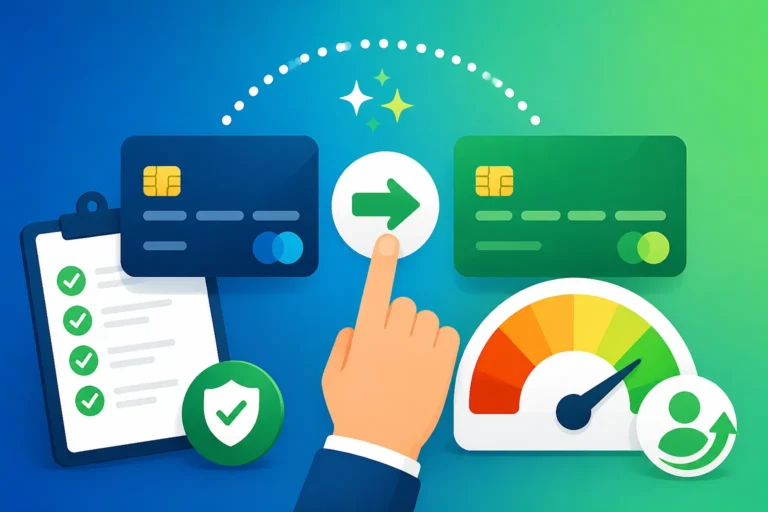
Even if your credit score has taken a hit due to credit card debt, there are tools specifically designed to help you rebuild. Secured credit cards are an excellent option for those with damaged credit or very little credit history. With a secured card, you put down a cash deposit, which typically becomes your credit limit. This deposit secures the card, reducing the risk for the issuer. By using the card responsibly – making small purchases and paying them off in full and on time each month – you demonstrate positive payment behavior, which is reported to the credit bureaus. Over time, this can significantly improve your score. Learn more about Secured Credit Cards: How They Build Credit.
Another powerful tool is a credit builder loan. These loans, offered by various financial institutions, are structured differently than traditional loans. Instead of receiving money upfront, the loan amount is typically placed in a locked savings account or Certificate of Deposit (CD) while you make monthly payments. Once the loan is fully paid off, you receive the money. The payments are reported to the credit bureaus, building a positive payment history. Companies like Credit Strong specialize in these types of loans, helping individuals establish or re-establish a positive credit footprint without the risk associated with traditional borrowing. These tools are fantastic for demonstrating consistent, responsible payments, which is 35% of your FICO score. Find out more about Credit Builder Loans Explained (Self, Kikoff & More).
The key with both secured cards and credit builder loans is to treat them with extreme responsibility. The goal is to establish a flawless payment history and low utilization. These aren't meant for accumulating more debt; they are strategic instruments for demonstrating creditworthiness.
Monitoring Your Credit Report Diligently
You can't effectively manage your credit if you don't know what's on your report. Regularly monitoring your credit report is absolutely essential, especially when you're working to recover from credit card debt. You are entitled to a free copy of your credit report from each of the three major credit bureaus – Equifax, Experian, and TransUnion – once every 12 months through AnnualCreditReport.com. It's a good practice to check them quarterly, pulling one report from a different bureau each time, to ensure you're always up-to-date.
When you review your reports, look for accuracy. Are all your accounts listed correctly? Are there any accounts you don't recognize? Are your credit limits and balances reported accurately? Most importantly, check for any late payments, charge-offs, or collections. If you find errors, dispute them immediately with the credit bureau. Errors can unfairly drag down your score and make your rebuilding efforts much harder. Knowing How to Read Your Credit Report (2026 Guide) empowers you to identify these discrepancies.
Beyond the annual reports, many credit card companies and financial services offer free credit monitoring services, giving you access to your credit score and alerts for changes to your report. Platforms like Credit Karma or Experian's free service can provide valuable insights and help you stay on top of your credit health. Consistent monitoring helps you catch fraudulent activity early, identify potential problems with reporting, and track your progress as you work to improve your credit score.
Common Misconceptions About Credit Card Debt and Your Score
The world of credit scores is rife with misinformation, and some of the most persistent myths relate directly to credit card debt. Believing these misconceptions can lead to financial decisions that actively harm your credit rather than help it. Let's debunk a couple of the most common ones.
"Carrying a Balance Helps My Score"
This is perhaps one of the most widespread and damaging credit myths out there. Many people mistakenly believe that carrying a small balance on their credit card from month to month, and paying interest on it, somehow demonstrates responsible credit use and helps their score. This is simply not true.
In reality, carrying a balance means you are paying interest, which is essentially throwing money away. For your credit score, what matters is demonstrating that you can manage credit, not necessarily use it extensively. Paying your full statement balance every single month before the due date is the ideal strategy. This shows lenders that you are capable of handling your credit responsibly, you don't overspend, and you are not a high-risk borrower. Furthermore, paying your balance in full ensures your credit utilization ratio is as low as possible (ideally 1-10%), which is fantastic for your score.
The only "benefit" some people perceive is that by having a reported balance (even if paid in full by the due date), your credit utilization isn't 0%. Some scoring models theoretically prefer a very small, non-zero utilization over 0% (which can be interpreted as not using credit at all). However, this "benefit" is negligible, often just a few points, and certainly not worth paying interest for. The best practice is to always pay in full and avoid all interest charges. Your credit score will thank you, and so will your wallet.
"Closing Accounts Boosts My Score"
When you're overwhelmed by credit card debt, it might seem logical to close some of your credit card accounts, especially those with high balances, thinking it will simplify your financial life and boost your score. Unfortunately, this can often backfire and actually hurt your credit.
Here's why:
Closing a credit card account impacts two major components of your credit score:
- Credit Utilization: When you close an account, its credit limit is removed from your total available credit. If you still carry balances on other cards, this immediate reduction in your total available credit will increase your credit utilization ratio. For example, if you have two cards, each with a $5,000 limit, and you have a $2,000 balance on one ($10,000 total limit, $2,000 balance = 20% utilization). If you close the card with a zero balance, your total limit drops to $5,000, making your utilization 40% ($2,000 / $5,000). That's a huge jump that will negatively impact your score.
- Length of Credit History: The age of your credit accounts is a factor in your FICO score. Your oldest accounts contribute positively to your average account age. When you close an old account, it doesn't immediately disappear from your report, but eventually, it will fall off, which can reduce the average age of your credit history over time. A shorter average credit history can result in a lower score.
While there might be rare situations where closing an account makes sense (e.g., an annual fee card you no longer use, or to remove temptation), it should be done carefully and with full awareness of the potential consequences. For most people grappling with credit card debt, keeping accounts open and focusing on paying down balances is the smarter move for credit health. If you are struggling with overwhelming debt, exploring options like Debt Settlement vs Credit Repair: What's the Difference? might be a better path than simply closing accounts.
Disclaimer
The information provided in this article is for general informational purposes only and does not constitute financial, legal, or professional advice. Always consult with a qualified financial advisor, credit counselor, or legal professional before making any financial decisions. Credit scoring models and regulations can change, and individual results may vary.