Does Paying Off Credit Cards Raise Your Score?
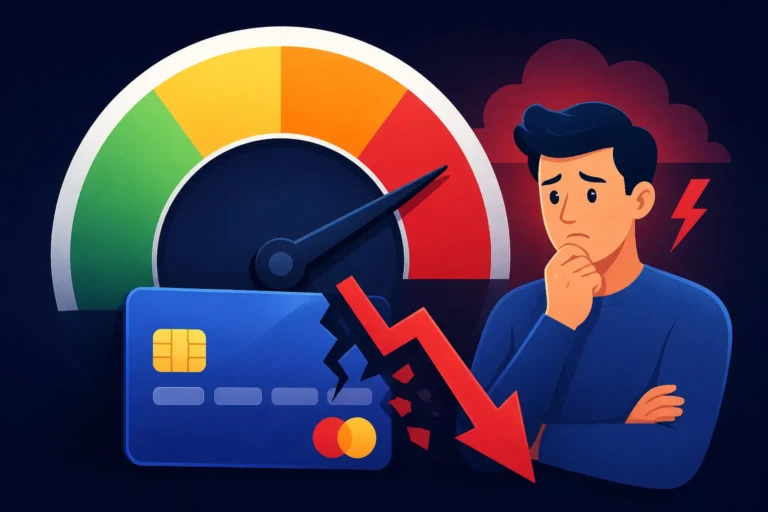
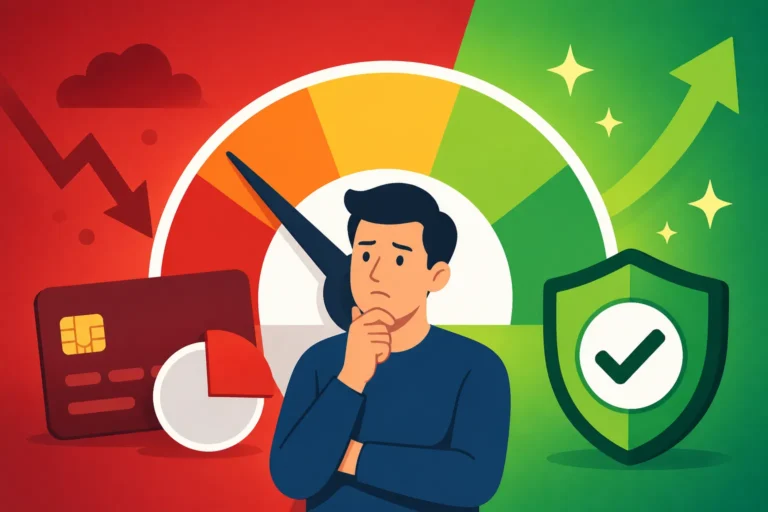
It’s a truly satisfying feeling, isn't it? You’ve worked hard, scraped by, and finally paid off that last credit card balance. You hit submit on the payment, maybe even celebrated a little, and then you rush to check your credit score, expecting to see it shoot up like a rocket. But then… crickets. Or worse, a barely noticeable bump. This can be incredibly frustrating, leaving you wondering if all that effort was even worth it. This guide is here to demystify what really happens to your credit score when you pay off credit cards, explaining the immediate impacts, the long-term benefits, and how to maximize your score's growth.
The Immediate Impact of Paying Off Credit Cards
When you finally clear that credit card balance, you're doing something truly beneficial for your financial health. However, the impact on your credit score isn't always instant, and it's driven by a few key factors that are worth understanding. It's not just about the act of paying; it's about when and how that payment gets reported.
Reporting Cycle Realities: When Do Bureaus See the Change?
One of the biggest reasons for the delayed gratification is the credit reporting cycle. Credit card companies don't typically report your balance changes to the three major credit bureaus – Equifax, Experian, and TransUnion – in real time. Instead, they usually do it once a month, often around your statement closing date.
Think of it like this: if your statement closes on the 15th of every month, and you pay off your card on the 10th, that zero balance will likely be reflected on the report sent to the bureaus shortly after the 15th. However, if you pay it off on the 16th, right after your statement has already closed for the month, that zero balance might not show up until the next reporting cycle, which could be another 3-4 weeks away. This lag can be a source of confusion and disappointment for many, as they expect an immediate update that just isn't how the system works. Patience is definitely a virtue when it comes to seeing these changes reflected on your official credit report.
The 'Zero Balance' Myth vs. Reality for Your Score
There's a common belief that carrying some small balance on your credit card is somehow good for your score, or that a zero balance isn't ideal. Let's bust that myth right now: a zero balance is almost always the best scenario for your credit score, especially when it comes to credit utilization. Credit utilization, which we'll dive deeper into shortly, is a major factor in your FICO and VantageScore models. It measures how much of your available credit you're using. The lower your utilization, the better.
So, while having a zero balance doesn't magically add points just for being zero, it drastically improves your utilization ratio, which in turn does have a significant positive impact. The "myth" about needing to carry a balance often stems from misunderstanding how credit is built – it's built by using credit responsibly and paying it off, not by consistently paying interest on a small balance. Paying off your card to a zero balance demonstrates responsible credit management, and that's exactly what lenders want to see.
The Big Picture: How Credit Utilization Really Works
Understanding credit utilization is paramount when talking about how paying off credit cards affects your score. It’s one of the most heavily weighted factors in both FICO and VantageScore models, right after payment history. Essentially, it's a snapshot of how much of your available credit you're actually using.
Understanding the Golden Rule of 30%
The "golden rule" you'll often hear is to keep your credit utilization below 30% of your total available credit. This means if you have a credit card with a $10,000 limit, you ideally want to keep your balance below $3,000. Going above this threshold can start to negatively impact your score, signaling to lenders that you might be over-reliant on credit or potentially in financial distress.
However, many experts will tell you that even lower is better. Aiming for under 10% utilization is often considered excellent and can give your score a significant boost. For example, if you have that same $10,000 limit, keeping your balance under $1,000 would put you in that top tier. When you pay off a credit card completely, you're not just getting under 30% or 10%; you're hitting 0% for that specific card, which dramatically lowers your overall utilization ratio. This is a powerful move to increase your credit score.
Per-Card Versus Overall Utilization: Both Matter
It's crucial to understand that credit scoring models look at utilization in two ways: per-card utilization and overall utilization.
- Per-Card Utilization: This is the ratio of the balance on an individual credit card to its specific credit limit. For instance, if you have a card with a $2,000 limit and a $1,500 balance, its utilization is 75%. This looks high and can pull your score down.
- Overall Utilization: This is the total of all your credit card balances divided by the sum of all your credit card limits. If you have three cards with a total limit of $15,000 and total balances of $3,000, your overall utilization is 20%.
While your overall utilization is often the most impactful, high utilization on even just one card can still ding your score, even if your overall ratio looks good. This is why paying off a single high-balance card can sometimes lead to a quicker and more noticeable score improvement than making small payments across multiple cards. By paying off a card, you're addressing both the individual card's utilization and contributing to a lower overall utilization, hitting two birds with one stone. If you're wondering How to Lower Your Credit Utilization Fast, focusing on paying down cards with high individual ratios is a smart strategy.
Beyond Utilization: Other Factors at Play
While credit utilization is a huge piece of the puzzle, your credit score is a complex beast influenced by several interconnected factors. Paying off credit cards is a fantastic step, but it's important to remember it exists within a larger ecosystem of financial habits.
Payment History: Still the Most Important
Payment history is king. Seriously, it accounts for about 35% of your FICO Score, making it the single most important factor. Paying off a credit card ensures you're making on-time payments, which is exactly what lenders want to see. Every on-time payment reinforces a positive payment history. Conversely, even one late payment can have a significant negative impact on your score, often dropping it by several points, especially if your score was already high.
Think about it from a lender's perspective: they want to know if you can be trusted to pay back money you borrow. A spotless payment history on your credit cards, showing you consistently meet your obligations, is the strongest signal that you are a reliable borrower. So, while paying off the entire balance is ideal for utilization, consistently making at least the minimum payment on time is foundational for your entire credit profile. Understanding Payment History: Why It's 35% of Your Score is crucial for anyone looking to build or maintain good credit.
Length of Credit History: Why Old Accounts Matter
The length of your credit history, also known as credit age, accounts for about 15% of your FICO Score. This factor considers how long your credit accounts have been open, particularly the age of your oldest account, the age of your newest account, and the average age of all your accounts. Lenders see a long, established history of responsible credit use as a sign of stability and trustworthiness.
This is why, generally, it's not advisable to close old credit card accounts once you've paid them off, even if you don't use them frequently. Closing an old account can shorten your average credit age, potentially causing a dip in your score. If you pay off an old card and close it, you're removing an account that contributes positively to your average age, and you're also reducing your total available credit, which could inadvertently increase your utilization ratio on your remaining cards. It's often better to keep old, paid-off accounts open and use them sparingly, perhaps for a small, recurring charge you pay off immediately each month, to keep them active and contributing positively to your credit age and available credit.
Credit Mix and New Credit: Diversifying Your Portfolio
Credit mix makes up about 10% of your FICO Score and looks at the different types of credit you manage. This could include revolving credit (like credit cards) and installment loans (like car loans, mortgages, or personal loans). Having a healthy mix of both, and demonstrating responsible management across these different types, can positively influence your score.
When you pay off a credit card, you're managing revolving credit responsibly. If you also have installment loans that you're paying off on time, this diversification can further strengthen your credit profile. Adding new credit, like opening a new credit card or taking out a new loan, can have a mixed impact. While it might slightly lower your average credit age and involve a hard inquiry (which can temporarily ding your score), if managed well, it can contribute to a stronger credit mix over time. For those looking to establish a good credit mix without traditional loans, options like a credit builder loan, like those offered by Credit Strong, can be a valuable tool to add an installment loan to your credit history while also saving money. This demonstrates to lenders that you can handle different types of debt, which is a sign of financial maturity.
Strategic Payoff: Maximizing Your Score Boost
Paying off credit card debt isn't just about throwing money at the problem; it's about doing it smartly to get the biggest bang for your buck, both financially and for your credit score. There are specific strategies that can help ensure your hard work translates into a noticeable score increase.
Timing Your Payments for Maximum Impact
This is a game-changer that many people overlook. To get the best credit utilization reported to the bureaus, you should aim to pay off your credit card balance before the statement closing date. Remember, the credit card company typically reports the balance on your statement closing date.
Here's a scenario: Your credit card statement closes on the 20th of the month. You use the card throughout the month, and by the 18th, you have a $1,500 balance on a $5,000 limit. If you wait until the due date (which might be the 15th of the next month) to pay, your statement will close with that $1,500 balance, showing 30% utilization. That's what gets reported. However, if you pay down that $1,500 balance to, say, $100 by the 19th, your statement will close with only $100, showing a much healthier 2% utilization. That's the number the credit bureaus see, and that's what directly impacts your score. This little trick can often lead to a quicker boost than simply paying it off by the due date.
Prioritizing High-Interest Debt: Financial Health First
While credit scores are important, sometimes the most strategic move is to prioritize your financial well-being first. High-interest credit card debt can be a silent killer, eating away at your income through exorbitant interest charges. Focusing on paying down cards with the highest Annual Percentage Rate (APR) should often be your priority.
Let's say you have two credit cards: one with a $2,000 balance at 24% APR and another with a $3,000 balance at 15% APR. From a purely financial standpoint, attacking that 24% APR card first will save you more money in interest over time. Once that card is paid off, you free up cash flow that you can then direct to the next highest interest card. Not only does this save you money, but it will also eventually lead to lower utilization and a higher credit score. It’s a win-win: better financial health and a better credit score. If you're juggling multiple cards, you might find our guide on How to Pay Off Credit Card Debt Fast particularly useful.
The Debt Snowball vs. Debt Avalanche: Which Strategy is Right for You?
When faced with multiple credit card debts, people often wonder about the best approach to tackle them. Two popular methods are the debt snowball and the debt avalanche.
- Debt Snowball Method: With this strategy, you pay the minimum amount on all your debts except for the one with the smallest balance. You throw all extra money at that smallest debt until it's paid off. Once that's done, you take the money you were paying on the first debt plus your extra payment and apply it to the next smallest debt. This method focuses on psychological wins, giving you momentum as you quickly knock out smaller debts. For instance, if you have a $500 balance on one card, a $1,000 on another, and a $3,000 on a third, you'd pay off the $500 first.
- Debt Avalanche Method: This strategy focuses on financial efficiency. You pay the minimum on all debts except for the one with the highest interest rate. You then put all your extra money towards that highest-interest debt. Once it's paid off, you move to the next highest interest rate. This method saves you the most money in interest charges over time. Using the previous example, if the $3,000 balance had the highest interest rate, you'd target that one first.
Both methods will eventually lead to lower utilization and a higher credit score as debts are eliminated. The best choice really depends on your personal motivation. If you need quick wins to stay motivated, the snowball might be for you. If you're disciplined and want to save the most money, the avalanche is the way to go. You can learn more about these strategies in our article Debt Snowball vs Debt Avalanche: Which Is Better?.
Common Misconceptions: What Doesn't Affect Your Score (or Not How You Think)
The world of credit scores is rife with myths and misunderstandings. It's easy to fall prey to outdated advice or urban legends about what helps or hurts your score. Let's clear up some common misconceptions, especially after you've worked hard to pay down your credit cards.
Closing Old Accounts: A Potential Pitfall
After paying off a credit card, especially one you rarely use or have had for a long time, the thought of closing it might cross your mind. It seems logical, right? One less account to worry about, and it's paid off! However, closing an old credit card account can actually hurt your credit score, rather than help it.
There are two main reasons for this:
- Reduced Available Credit: When you close an account, you reduce your total available credit. If you have other credit cards with balances, this can immediately increase your overall credit utilization ratio. For example, if you had a $10,000 limit and a $2,000 balance (20% utilization) and you close a card with a $5,000 limit, your total available credit drops to $5,000. Now, that same $2,000 balance represents 40% utilization, which is much higher and could cause your score to drop.
- Shorter Credit History: The length of your credit history is a factor in your score. Closing an old account shortens your average age of accounts, as that long-standing account is no longer contributing to the calculation of how long you've managed credit.
Unless an account has an annual fee you absolutely want to avoid and you have plenty of other available credit, it's generally best to keep old, paid-off accounts open. Even if you don't use them, they contribute positively to your credit age and available credit.
Carrying a Small Balance: Unnecessary and Costly
As mentioned earlier, there's a persistent myth that you need to carry a small balance on your credit card to "show activity" and help your score. This is simply not true and can cost you money in interest.
Your credit score benefits from showing responsible use, which means using your credit and paying it off in full and on time. You don't need to carry a balance and pay interest to demonstrate this. In fact, if you pay your statement balance in full every month, you can avoid paying any interest at all, thanks to the grace period most credit cards offer. Carrying a balance only benefits the credit card company, not your credit score. A zero balance (or very low utilization) reported to the credit bureaus is always better than carrying even a small balance. Your goal should be to pay off your statement balance in full before the due date, every single month, to maximize your score and minimize your costs.
Maintaining Momentum: Keeping Your Score High After Paying Off Debt
Paying off your credit cards is a huge accomplishment, but it's just one step in a lifelong journey of financial health. The key now is to maintain that positive momentum and continue to build an excellent credit profile.
Continuous Monitoring and Responsible Use
Once you've cleared your credit card debt, it's essential to keep a vigilant eye on your credit reports and continue practicing responsible credit habits.
- Regularly Check Your Credit Report: You're entitled to a free credit report from each of the three major bureaus (Equifax, Experian, and TransUnion) once every 12 months through AnnualCreditReport.com. Make it a habit to review these reports for accuracy. Look for any errors, fraudulent accounts, or unexpected changes. Catching and disputing errors quickly can prevent them from negatively impacting your score. Knowing How to Read Your Credit Report (2026 Guide) is a powerful skill.
- Keep Utilization Low: After paying off debt, make a conscious effort to keep your credit card utilization as low as possible. Aim for under 10% on all your cards, not just overall. This might mean using your credit cards only for purchases you can immediately pay off, or keeping spending well within your means.
- Make On-Time Payments: This never changes. Always pay your bills on time, every time. Set up automatic payments or reminders to ensure you never miss a due date. Your payment history remains the most critical factor in your credit score.
Exploring Other Credit-Building Tools
Your credit profile doesn't have to be limited to just credit cards. Exploring other credit-building tools can diversify your credit mix and further strengthen your score.
- Credit Builder Loans: These are specifically designed to help people build credit while saving money. A good example is a credit builder loan from a provider like Credit Strong. With a Credit Strong Credit Builder Loan, you make regular payments into a locked savings account, and those payments are reported to the credit bureaus as an installment loan. Once the loan term is up, you get access to the money you've saved. It’s a fantastic way to add positive payment history for an installment loan, which can be beneficial for your credit mix, without incurring new debt or interest on a traditional loan.
- Secured Credit Cards: If you still feel the need for a credit card but want to avoid the temptation of overspending, a secured credit card can be a great option. You put down a deposit, which becomes your credit limit, and you use it like a regular credit card. Your payment activity is reported to the bureaus, helping you build a positive history.
- Becoming an Authorized User: If a trusted family member with excellent credit is willing, becoming an authorized user on one of their credit cards can add their positive payment history to your report. Just make sure they are a responsible user! You can read more about How to Build Credit From Scratch (2026 Guide) for a comprehensive overview of these tools.
Graduating to Better Credit Products
As your credit score improves, you'll find yourself eligible for better credit products with more favorable terms.
- Unsecured Credit Cards with Better Rewards: You might qualify for credit cards with lower interest rates, no annual fees, and attractive rewards programs (cash back, travel points, etc.).
- Personal Loans with Lower APRs: If you need to borrow for a specific purpose, a strong credit score can get you access to personal loans at much more competitive interest rates, saving you money on interest charges.
- Better Rates on Mortgages and Car Loans: When it comes time for big purchases, a higher credit score can translate into significant savings on interest over the life of a loan. Even a half-point difference in an interest rate on a mortgage can save you tens of thousands of dollars.
The journey to excellent credit is ongoing, but paying off your credit cards is a major milestone. By understanding how the system works and continuing with smart financial habits, you can not only raise your credit score but also unlock a world of financial opportunities.
Disclaimer
The information provided in this article is for general educational and informational purposes only, and does not constitute financial or legal advice. Credit score calculations and reporting can be complex and may vary. Always consult with a qualified financial professional for advice tailored to your specific situation.