What Does 70% Credit Utilization Do to Your Score?
It’s a frustrating scenario: you’ve been relying a little too heavily on your credit cards, and suddenly you notice your balances are creeping up, or maybe you're already staring at a statement where your credit card utilization is a whopping 70%. You know high balances aren't ideal, but what does that percentage really mean for your credit score? This guide will dive deep into the specific impact of 70% credit utilization, what it signals to lenders, and crucially, how you can turn things around.
Understanding Credit Utilization and Why It Matters So Much
Before we zoom in on the 70% mark, let's take a moment to truly grasp what credit utilization is and why it carries so much weight in the credit scoring world. In simple terms, your credit utilization ratio (often called your credit utilization rate) is the amount of credit you're currently using compared to the total amount of credit available to you. So, if you have a credit card with a $1,000 limit and your current balance is $700, your utilization is 70%. This isn't just a quirky metric; it's one of the most critical factors influencing your FICO and VantageScore credit scores.
Credit utilization makes up about 30% of your FICO Score, which is a massive chunk second only to your payment history. Lenders view your utilization as a direct indicator of how reliant you are on borrowed money. A low utilization rate suggests you're a responsible borrower who can manage debt effectively and isn't overextending themselves. Conversely, a high utilization rate sends up red flags, making you appear riskier. It implies you might be struggling financially, using a large portion of your available credit just to get by, or that you could be prone to defaulting on your payments.
Most financial experts and credit scoring models suggest keeping your overall credit utilization below 30% – and ideally, even lower, below 10%, for the best possible scores. This doesn't just apply to your total credit across all cards; it also matters on individual credit cards. If you have five cards, each with a $2,000 limit, and you max out one card ($2,000 balance, 100% utilization on that card) while keeping the others at zero, your overall utilization might be low ($2,000 / $10,000 total available credit = 20%). However, the single card being maxed out can still negatively impact your score. It’s always best to spread out your balances or, even better, keep them low across the board. If you're looking for a comprehensive breakdown, our guide on How Credit Scores Work: The Complete Guide (2026) offers a deeper dive into all the contributing factors.
The Harsh Reality of 70% Credit Utilization on Your Score
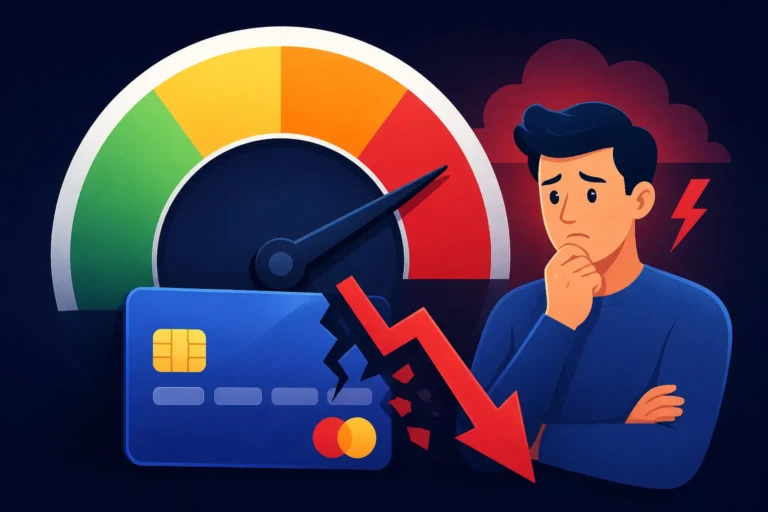
Now, let's talk about 70% credit utilization. This isn't just "high"; it's in the realm of "very high" from a lender's perspective and will almost certainly have a significantly negative impact on your credit score. When your utilization hits 70%, it signals to lenders that you are heavily using your available credit, which is often a precursor to financial distress or an inability to manage debt responsibly.
Imagine you have a total credit limit of $10,000 across all your credit cards, and your combined balance is $7,000. That 70% utilization tells potential creditors a few things:
- Increased Risk: Lenders see you as a much higher risk for defaulting on future payments. Historical data shows a strong correlation between high utilization and increased likelihood of missed payments or bankruptcy.
- Limited Financial Cushion: It suggests you don't have much available credit left for emergencies, which could lead to further financial strain if unexpected expenses arise.
- Reliance on Debt: It implies you might be relying on credit to cover regular expenses rather than using it as a convenient payment tool.
So, how many points could your score drop? While there's no exact number – credit scores are complex and depend on your entire credit profile – a jump to 70% utilization from a lower percentage (like 10-20%) can easily shave 50 to 100 points or more off your FICO Score. For instance, if you had an excellent score of 780 with 10% utilization, seeing it jump to 70% could very realistically push your score down into the "good" or even "fair" range, perhaps settling somewhere between 680-730, or even lower depending on other factors in your credit history. This can be a really frustrating experience, especially if you've worked hard to build good credit, only to see it erode quickly due to high balances.
The impact isn't just theoretical; it has real-world consequences. Lenders use your credit score to make crucial decisions. If you're applying for a new credit card, a personal loan, or even a mortgage, a 70% utilization rate will make lenders wary. They might deny your application outright, or if they approve it, they'll likely offer you much less favorable terms, such as significantly higher interest rates. This means you'll pay more for the money you borrow, making it harder to get out of debt. Our article on How Credit Card Debt Affects Your Credit Score goes into further detail about this ripple effect. Even things like car insurance premiums or a landlord's decision to rent you an apartment can be influenced by your credit score, making a high utilization rate a widespread hindrance in your financial life.
| Credit Utilization Ratio | General Credit Score Impact | Lender Perception | Example FICO Range (Estimated) |
|---|---|---|---|
| 0-9% | Excellent | Very Low Risk, Excellent Management | 760-850 |
| 10-29% | Good to Very Good | Low Risk, Responsible Management | 700-759 |
| 30-49% | Fair to Good | Moderate Risk, Managing but Nearing Concern | 640-699 |
| 50-69% | Poor to Fair | High Risk, Over-reliance on Credit | 580-639 |
| 70%+ | Very Poor | Very High Risk, Significant Financial Strain | Below 580 |
Note: These are general estimations. Individual score impacts can vary based on other credit factors.
Actionable Steps to Bring Your 70% Utilization Down and Rebound Your Credit
Seeing your credit utilization at 70% can feel daunting, but the good news is that utilization is one of the quickest credit factors to improve. Once you pay down your balances, your score can rebound relatively fast. The key is to be proactive and consistent.
Prioritize Paying Down Your Debt
The most direct and impactful way to lower your credit utilization is to reduce your outstanding balances. This might sound obvious, but it's often the hardest step. If you're able to, focus your efforts on paying down the cards with the highest balances first, or those with the highest interest rates.
- Debt Snowball: This method suggests paying off your smallest debts first, regardless of interest rate, to build momentum and psychological wins. Once the smallest debt is paid, you roll that payment amount into the next smallest.
- Debt Avalanche: This method focuses on paying off debts with the highest interest rates first. This saves you the most money in interest over time.
Both strategies are effective for different reasons, and you can learn more about them in Debt Snowball vs Debt Avalanche: Which Is Better?. The goal is simple: get those balances down to as close to zero as possible. Even small, consistent extra payments can make a difference over time.
Make Multiple Payments Throughout the Month
Instead of waiting for your statement due date to make one large payment, consider making smaller payments throughout the month as you earn money. For example, if you get paid bi-weekly, make a payment after each paycheck. Credit card companies typically report your balance to the credit bureaus once a month, often on your statement closing date. By making payments before this date, you can ensure that the lower balance is reported, which can positively impact your utilization sooner. This is a savvy way to manage your cash flow while also improving your reported utilization.
Strategically Request a Credit Limit Increase
This approach can be a double-edged sword, so proceed with caution. If approved, a credit limit increase can instantly lower your utilization ratio (more available credit, same balance = lower percentage). However, only consider this if you are confident you will not spend up to the new higher limit. If you simply increase your limit and then spend more, you'll be back to square one, or worse. Also, be aware that a credit limit increase request may result in a hard inquiry on your credit report, which can cause a slight temporary dip in your score. Our article Should You Ask for a Credit Limit Increase? offers important considerations before you proceed.
Explore Balance Transfer Credit Cards
If you have excellent credit (which might not be the case with 70% utilization, but it's worth checking), or if you're able to qualify for a good balance transfer offer, this could be a powerful tool. A balance transfer card allows you to move existing high-interest credit card debt to a new card, often with a 0% introductory APR for a period (e.g., 12-21 months). This can give you crucial breathing room to pay down the principal without accumulating more interest. Remember to pay off the transferred balance before the promotional period ends, as regular interest rates can be quite high afterward. We have a detailed guide on Balance Transfer Cards: How They Work that can walk you through the process.
Utilize Credit Builder Tools
While these tools don't directly tackle high credit card utilization, they can significantly improve your overall credit profile, which helps offset the negative impact and build a stronger foundation. Credit builder loans, for example, are designed to help you build credit history and add an installment loan to your credit mix, which can diversify your credit file. Companies like Credit Strong offer these kinds of loans, where you make fixed monthly payments that are reported to the credit bureaus. Over time, this consistent positive payment history can improve your score. When you successfully complete a Credit Strong loan, you also get access to the money you've been saving. This can be a great way to show responsible borrowing behavior and improve your overall score while you work on reducing credit card debt. Even something like a secured credit card can help by providing you with additional available credit that, if managed well, contributes to lowering your overall utilization. For a broader view, read about Credit Builder Loans Explained (Self, Kikoff & More).
Beyond the Numbers: Long-Term Credit Health and Recovery
The immediate impact of 70% credit utilization on your score is indeed negative, but the great news is that credit utilization is a "memory-less" factor in credit scoring models. This means that past high utilization doesn't haunt your score indefinitely; only your most recently reported utilization matters. Once you reduce your balances, your credit score can rebound relatively quickly. You won't have to wait years for your score to recover like you might with a bankruptcy or a severe late payment. This makes tackling high utilization one of the most effective ways to raise your credit score in the short to medium term.
How Fast Can Your Score Rebound?
The speed of your score's recovery largely depends on how quickly you can pay down your balances and when your creditors report those lower balances to the credit bureaus. Typically, credit card issuers report to the bureaus once a month, usually around your statement closing date. If you pay down a significant chunk of your debt and your new, lower balance is reported, you could see a noticeable improvement in your score within one to two billing cycles. Consistent payments and a sustained low utilization will then solidify that improvement. For specific strategies on rapid improvement, check out our guide on How to Lower Your Credit Utilization Fast.
Maintaining Healthy Habits Going Forward
Once you've worked hard to bring your utilization down, the next critical step is to develop habits that prevent you from falling back into the same pattern.
- Budgeting: Create a realistic budget and stick to it. Knowing exactly where your money goes can prevent overspending on credit cards.
- Emergency Fund: Build an emergency fund. Having a cash cushion means you won't need to rely on credit cards for unexpected expenses.
- Automate Payments: Set up automatic payments for at least the minimum amount due on all your credit cards to avoid late payments, which are far more damaging than high utilization. Even better, automate payments for more than the minimum if you can.
- Monitor Your Spending: Regularly check your credit card statements and online accounts to keep an eye on your balances and spending. Our article How Much of Your Credit Limit Should You Use? provides excellent guidelines for responsible credit use.
Remember, your credit score is a dynamic entity, always changing with your financial behavior. High utilization at 70% is a clear warning sign, but it's also an opportunity to take control and implement lasting positive changes. By focusing on debt reduction, smart credit management, and leveraging tools like those from Credit Strong, you can not only reverse the negative impact but also build a much stronger, healthier financial future. If you're overwhelmed, remember that consistency, even in small steps, is key to success when you’re looking to How to Raise Your Credit Score (Step-by-Step).
Disclaimer
The information provided in this article is for general informational purposes only and does not constitute financial, legal, or professional advice. Credit scores and financial situations are complex and individual. Always consult with a qualified financial advisor for advice tailored to your specific circumstances.