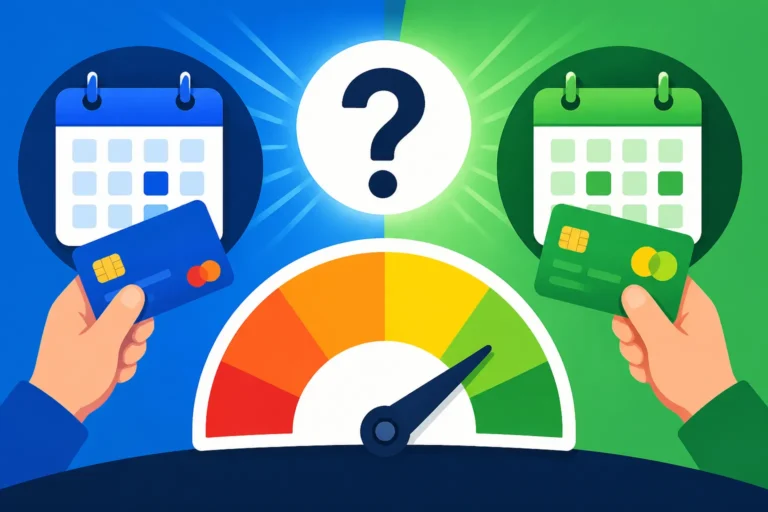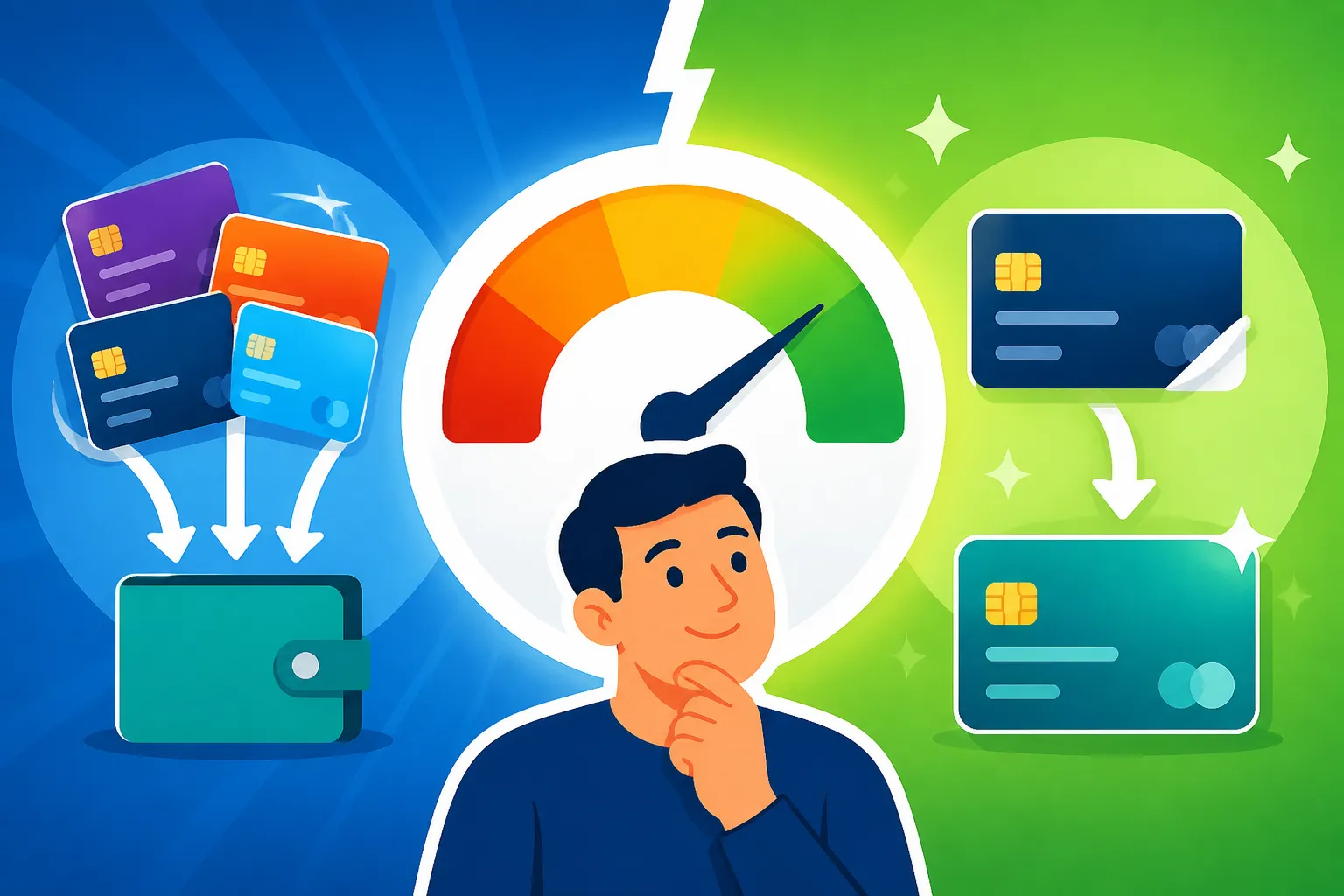
Debt Consolidation vs Balance Transfer
It’s a tough spot to be in when you’re staring down multiple credit card statements, each with its own interest rate, due date, and minimum payment. The sheer mental load of managing it all can be overwhelming, making you feel trapped in a cycle of never-ending debt. This guide will walk you through two of the most popular strategies for tackling this challenge – debt consolidation and balance transfers – helping you understand their mechanics, pros and cons, and ultimately, which path might be the most effective for your unique financial situation.
Understanding the Debt Dilemma: Why We Seek Solutions
When the weight of credit card debt becomes too much, it’s natural to start looking for a way out. Many people find themselves juggling several high-interest accounts, making only minimum payments, and watching their balances barely budge, if at all. This isn't just a financial burden; it's an emotional one, causing stress and anxiety.
The Weight of Revolving Debt
Revolving debt, primarily from credit cards, can be particularly insidious because the interest charges compound quickly. You might have made a few large purchases, or perhaps you relied on credit cards during a challenging period, and now those small monthly payments aren't doing enough to tackle the principal. The average credit card interest rate can be quite high, often in the double digits, meaning a significant portion of your minimum payment goes straight to interest, leaving less to chip away at what you actually owe. This can feel like running on a treadmill, expending a lot of effort without actually moving forward. It’s a common frustration, and one that many people share.
Common Signs You Need a Debt Strategy
How do you know if it’s time to consider a formal debt strategy like a balance transfer or consolidation? There are a few clear indicators. If you’re consistently only able to make minimum payments, or if you're frequently missing payments because you can't keep track of everything, it's a huge red flag. Another sign is when your credit utilization ratio is consistently high across your cards, meaning you're using a large percentage of your available credit. This not only burdens your finances but also negatively impacts your credit score. If you find yourself avoiding your bills or feeling a constant knot in your stomach about your finances, it’s a strong signal that it's time to explore options like how to pay off credit card debt fast. Ignoring the problem only makes it grow larger, so taking proactive steps is crucial for regaining control.
What Exactly is a Balance Transfer?
A balance transfer is a strategy where you move debt from one or more credit cards to a new credit card, typically one with a lower interest rate, often an introductory 0% APR offer. The goal is to give yourself a window of time to pay down a significant portion of your principal without the added burden of high interest charges. It's a popular choice for those with good credit who want to tackle manageable credit card debt.
How Balance Transfer Cards Work
When you apply for a balance transfer credit card, the issuer will typically review your creditworthiness. If approved, you can then request to transfer balances from your existing credit accounts. The new card issuer will pay off your old balances, and you'll then owe that money to the new card, usually at a promotional 0% APR for a set period, like 12, 18, or even 21 months. This effectively consolidates your credit card debt into one payment, albeit still on a credit card. It's a streamlined approach that simplifies your monthly bill paying and allows you to focus your payments directly on the principal balance. However, it's important to understand the full terms, including any balance transfer fees, before committing. For more on the mechanism, check out our guide on Balance Transfer Cards: How They Work.
The Allure of 0% APR: What You Need to Know
The biggest draw of a balance transfer card is undoubtedly the promotional 0% APR. Imagine being able to make meaningful progress on your debt without watching a chunk of every payment disappear into interest. This period can be a financial lifesaver, allowing you to pay off thousands of dollars in debt much faster than you would otherwise. It gives you breathing room to focus on the principal, assuming you can commit to making consistent, larger-than-minimum payments. Many people find this temporary reprieve from interest charges incredibly motivating, transforming what felt like an impossible task into an achievable goal.
However, this 0% period isn't forever. It’s crucial to know exactly when that promotional rate expires and what the standard APR will be afterward. If you don't pay off the transferred balance before the introductory period ends, you'll start accruing interest on the remaining amount, often at a rate comparable to, or even higher than, your original cards. This is why having a clear payment plan is non-negotiable.
Potential Pitfalls and Fees
While enticing, balance transfers aren't without their downsides. The most common pitfall is the balance transfer fee. Most cards charge a fee for each transfer, usually 3-5% of the amount transferred. For example, transferring $10,000 might cost you $300-$500 right off the bat. This fee is added to your new balance, so factor it into your calculations.
Another trap is transferring a balance you can't pay off within the promotional period. If you still have a significant balance when the 0% APR expires, you could end up paying a high regular APR on that remaining amount, potentially negating some of the savings you initially gained. It’s not uncommon for people to transfer debt, ease up on their payment efforts, and then get hit with interest charges again. Additionally, opening a new credit card account involves a hard inquiry on your credit report, which can cause a temporary dip in your score. You also need to resist the temptation to rack up new debt on your old, now empty, credit cards. That's a surefire way to end up in an even deeper hole than when you started.
Diving Deep into Debt Consolidation
Debt consolidation is a broader term that encompasses various methods of combining multiple debts into a single, new debt. The primary goal is to simplify payments and often to secure a lower interest rate or a more favorable payment schedule. Unlike a balance transfer, which is almost exclusively for credit card debt, consolidation can apply to a wider range of unsecured debts, including personal loans, medical bills, or even older installment loans.
Exploring Different Consolidation Avenues
When we talk about debt consolidation, we're usually referring to a few key strategies. The most common is a personal loan. You take out a new, larger loan from a bank, credit union, or online lender, and use that money to pay off all your smaller, existing debts. This leaves you with one loan, one monthly payment, and hopefully, a lower interest rate and a fixed repayment term. Lenders like Discover, LightStream, or SoFi are popular options for personal consolidation loans. Eligibility for the best rates typically requires a good credit score.
Another avenue is using a Home Equity Line of Credit (HELOC) or a home equity loan. If you own a home and have sufficient equity, you can borrow against it at what are often much lower interest rates than unsecured debt. However, this is a significant risk because your home becomes collateral. If you default, you could lose your home. It's a powerful tool but one that should be approached with extreme caution and a clear understanding of the risks involved. Some people also use a secured credit card or a credit builder loan from providers like Credit Strong to build up their credit score first, with the aim of qualifying for a better personal loan rate later down the line. This indirect approach focuses on improving creditworthiness as a stepping stone to more affordable consolidation.
The Role of Debt Management Plans (DMPs)
For those who struggle to qualify for traditional consolidation loans or balance transfer cards due to lower credit scores or higher debt-to-income ratios, a Debt Management Plan (DMP) offered by non-profit credit counseling agencies can be a viable option. In a DMP, a credit counselor negotiates with your creditors on your behalf to reduce interest rates, waive fees, and set up a single, affordable monthly payment. While it simplifies your payments and can significantly reduce the total interest paid, it's important to know that it typically involves closing your credit card accounts and may be noted on your credit report, which could impact your ability to get new credit for a while. The benefit, however, is a structured path out of debt with professional guidance, without taking on new loans.
Potential Downsides and Long-Term Implications
Just like balance transfers, debt consolidation comes with its own set of potential downsides. If you opt for a personal loan, the interest rate you receive will heavily depend on your credit score. If your score isn't strong, you might not get a rate significantly lower than what you're currently paying, making the consolidation less impactful. Furthermore, the repayment term, while often fixed, can be quite long, meaning you could be paying off this debt for many years.
For HELOCs or home equity loans, the major risk is putting your home on the line. Defaulting on a consolidation loan secured by your home could lead to foreclosure, a far more severe consequence than defaulting on a credit card. Even with unsecured personal loans, if you consolidate and then continue to spend on your old credit cards, you could end up with even more debt than you started with – a common and painful trap. It's essential that debt consolidation is paired with a real change in spending habits and financial discipline to truly be effective long-term.
Comparing the Two: Balance Transfer vs. Debt Consolidation
While both balance transfers and debt consolidation aim to simplify debt repayment and potentially save you money on interest, they achieve these goals through different mechanisms and are best suited for different situations. Understanding these key distinctions is crucial for making an informed decision.
Key Differences in Approach
The most significant difference lies in the type of financial product used. A balance transfer involves moving credit card debt to another credit card, usually one offering a promotional 0% APR. It's essentially shuffling credit card debt around. Debt consolidation, on the other hand, typically involves taking out a new loan (like a personal loan or home equity loan) to pay off existing, usually unsecured, debts. The new debt might not necessarily have a 0% APR, but ideally, it will have a lower interest rate and a fixed payment schedule, providing a clear end date to your repayment journey.
Another difference is the breadth of debt types they can address. Balance transfers are almost exclusively for credit card debt. Debt consolidation, however, is more versatile and can be used for credit cards, personal loans, medical bills, and other unsecured debts. If you have a mix of debt types, consolidation might be the more comprehensive solution.
Ideal Scenarios for Each Strategy
A balance transfer is often the ideal choice if you:
- Have a good to excellent credit score (typically 670+ FICO) to qualify for the best 0% APR offers.
- Have a manageable amount of credit card debt (usually under $10,000-$15,000, as credit limits on balance transfer cards can vary).
- Are confident you can pay off the entire transferred balance before the 0% APR introductory period expires.
- Are disciplined enough to avoid accumulating new debt on your old credit cards.
Debt consolidation through a personal loan is generally more suitable if you:
- Have a larger amount of unsecured debt that might exceed typical balance transfer credit limits.
- Have a mix of different types of unsecured debt, not just credit cards.
- Prefer a fixed monthly payment and a clear end date for your debt repayment, rather than a revolving credit line.
- Have a good credit score to secure a favorable interest rate on a consolidation loan.
If your credit isn't stellar, or if you prefer a non-loan approach, a Debt Management Plan (DMP) via a credit counseling agency might be a better fit under the umbrella of debt consolidation, especially if you need assistance with budgeting and financial education.
A Quick Comparison Table
To help visualize the distinctions, here's a table outlining the primary characteristics of each strategy:
| Feature | Balance Transfer | Debt Consolidation (Personal Loan) | Debt Management Plan (DMP) |
|---|---|---|---|
| Debt Type Primarily Addressed | Credit card debt | Credit card, personal, medical, other unsecured debt | Credit card, some unsecured debt |
| Typical Interest Rate | 0% introductory APR for 12-21 months, then variable | Fixed interest rate, depends on credit | Negotiated lower interest rates by counseling agency |
| Fees | 3-5% balance transfer fee (common) | Origination fees (0-8% of loan amount, common) | Monthly program fee (often $30-$50) |
| Impact on Credit | Temporary dip from hard inquiry; improves with payments | Temporary dip from hard inquiry; improves with payments | Negative notation (closing accounts); improves with payments |
| Collateral Required? | No | No (for unsecured personal loans) / Yes (for HELOCs) | No |
| Account Closure? | No, typically keep old accounts open (but don't use!) | No | Yes, typically closes enrolled credit card accounts |
| Repayment Term | Defined by 0% APR period, then ongoing revolving | Fixed term (e.g., 3-7 years) | Fixed term (e.g., 3-5 years) |
| Best For | Good credit, manageable credit card debt, self-disciplined | Good credit, larger/mixed unsecured debt, fixed payments | Struggling with payments, lower credit, needs structured help |
Impact on Your Credit Score
Any major financial move, especially involving debt, will inevitably have an impact on your credit score. It's not always a clear-cut positive or negative, but rather a series of short-term fluctuations and long-term potential gains. Understanding these effects can help you prepare and manage expectations. To learn more about how different elements affect your score, dive into our guide on How Credit Scores Work: The Complete Guide.
Initial Credit Score Effects
When you apply for a new balance transfer credit card or a debt consolidation loan, the lender will typically perform a hard inquiry on your credit report. This is a check that signals to other lenders you're seeking new credit, and it can cause a slight, temporary dip in your credit score, usually by a few points. The impact of these hard inquiries lessens over time and they generally fall off your report after two years. For some, the thought of this temporary drop can be concerning, especially if you're already trying to improve your financial standing. You can read more about how many points a hard inquiry is worth if you’re concerned.
Beyond inquiries, a balance transfer will initially show a new account on your credit report, which can slightly reduce your average age of accounts. If you successfully transfer debt and pay it down, your credit utilization ratio on your other cards might initially look better, but the new card will show a high utilization. Consolidation loans, being installment loans, change your credit mix, which can be a positive if you previously only had revolving credit.
Long-Term Credit Health Benefits
The real power of both balance transfers and debt consolidation lies in their potential for long-term credit health improvement. By successfully paying down high-interest debt, you'll significantly improve your credit utilization ratio – a major factor in your credit score. Lowering this ratio on your revolving accounts can lead to a substantial boost in your score over time.
Furthermore, making consistent, on-time payments on a balance transfer card or a consolidation loan demonstrates responsible credit behavior, which is the single most important factor in your payment history. This consistent positive behavior builds a strong credit history, which is invaluable. Imagine the relief of having fewer debts to track and seeing your total debt load decrease. This financial discipline, fostered by a clear strategy, is what truly builds good credit over the long haul. For those with a plan, the path to a higher score is clear, offering access to better lending terms in the future.
Navigating Hard Inquiries and Utilization
The temporary dip from a hard inquiry is usually minor and short-lived. The benefits of reducing high-interest debt and improving your credit utilization ratio far outweigh this initial ding. The key is to avoid applying for multiple new credit products in a short period, which could signal higher risk to lenders. Plan your application strategically.
As for utilization, with a balance transfer, you'll want to aim for a low utilization on the new card by paying it down aggressively. With debt consolidation, especially a personal loan, your revolving credit utilization should drop dramatically as those credit cards are paid off. This immediate reduction in credit card utilization is a huge benefit and often leads to a quick positive impact on your score, provided you don't then turn around and rack up new credit card debt. Learning how to lower your credit utilization fast can be a game-changer for your credit health.
Which Option is Right for You?
Choosing between a balance transfer and debt consolidation isn't a one-size-fits-all decision. Your personal financial situation, credit score, debt amount, and even your personality and discipline all play a role in determining the best path forward. It's about finding the strategy that aligns best with your capabilities and goals.
Assessing Your Debt Load and Financial Habits
Start by taking a hard look at your debt. How much do you owe in total? How many different accounts is that spread across? What are the interest rates on each? If you have only a few credit cards with relatively high balances that you believe you can pay off within a year or two, a balance transfer might be very appealing. The 0% APR period can save you a lot of money in interest, but it requires significant self-discipline and the ability to make substantial monthly payments. If you tend to overspend or struggle with sticking to a budget, the temptation to use your old cards or not pay down the new balance quickly enough could leave you in a worse position.
Conversely, if you have a larger amount of debt, a mix of debt types, or if you prefer a fixed payment structure over a revolving credit line, a personal loan for debt consolidation might be a better fit. This option provides a clear repayment schedule and often a lower, fixed interest rate, making budgeting simpler and providing a definite end date to your debt. However, you still need to be committed to not accruing new debt once your old accounts are paid off. It's crucial to address the underlying habits that led to the debt in the first place, regardless of the method you choose.
Considering Your Creditworthiness
Your credit score plays a massive role in what options are available to you and at what cost. To qualify for the most attractive 0% APR balance transfer cards, you'll typically need a good to excellent credit score (generally 670 FICO and above). The same goes for securing a low-interest personal loan for debt consolidation. Lenders want to see a history of responsible borrowing before they offer you their best rates.
If your credit score is fair or poor, your options might be more limited. You might not qualify for a 0% APR card, or the interest rate offered on a consolidation loan might not be much better than what you're currently paying. In such cases, exploring alternatives like a Debt Management Plan through a reputable credit counseling agency, where counselors negotiate on your behalf, might be more appropriate. Alternatively, focusing on improving your credit score first through methods like secured credit cards or credit builder loans (like those offered by Credit Strong, which help you build payment history) could be a strategic first step before attempting consolidation or a balance transfer. This proactive approach might take longer but could open the door to much better terms down the road, making your debt management efforts more successful.
Seeking Professional Guidance
Sometimes, the best strategy is to admit you don't have all the answers and seek professional help. A non-profit credit counseling agency can provide an unbiased assessment of your financial situation, help you create a budget, and recommend the best course of action. They can also explain options like a Debt Management Plan in detail. Organizations like the National Foundation for Credit Counseling (NFCC) offer resources and connections to certified counselors.
These professionals can help you weigh the pros and cons of each option for your specific situation, considering factors you might not have thought of. They can also help you understand how to negotiate with debt collectors, if that becomes part of your strategy. This isn't about shame; it's about empowerment. Getting an expert opinion can provide clarity and a structured plan, reducing the stress of figuring it all out alone.
Practical Steps to Take
Once you've decided which path seems most promising – whether it's a balance transfer or debt consolidation – it's time to put your plan into action. The execution phase requires careful attention to detail and a commitment to follow through.
Gathering Your Debt Information
Before you can apply for anything, you need a complete and accurate picture of your current debt. This means gathering statements from all your credit cards, personal loans, and any other unsecured debts. For each debt, you'll want to note:
- The current balance
- The interest rate (APR)
- The minimum monthly payment
- The account number and creditor contact information
This comprehensive overview will allow you to prioritize debts, accurately calculate potential savings, and know exactly how much you need to transfer or consolidate. Don’t forget to check your credit reports from Equifax, Experian, and TransUnion for any unexpected debts or errors that might need to be disputed. Our guide on how to read your credit report (2026 Guide) can help you through this process. You can get your free credit reports annually from AnnualCreditReport.com.
Researching Providers
With your debt information in hand, it's time to research balance transfer cards or consolidation loan providers.
- For balance transfers: Look for cards with the longest 0% APR introductory period and the lowest balance transfer fees. Read the fine print carefully to understand the regular APR that kicks in after the promotional period. Compare offers from major issuers like Capital One, Chase, Citi, and Discover.
- For personal loans: Shop around with various banks, credit unions, and online lenders. Compare interest rates, origination fees, and repayment terms. Online lenders have become increasingly competitive, offering pre-qualification options that don't impact your credit score. If you're looking to build credit as a pathway to better rates later, a credit builder loan from a company like Credit Strong could be a stepping stone.
Remember, the goal is to find the option that offers the greatest savings and the most manageable repayment terms for your specific financial standing.
Executing Your Chosen Strategy
Once you've selected your preferred balance transfer card or consolidation loan, meticulously follow the application and transfer process.
- For balance transfers: Apply for the card. Once approved, initiate the balance transfer request, providing accurate account numbers and amounts for the debts you wish to move. Make sure to continue making minimum payments on your old cards until you receive confirmation that the transfer is complete.
- For consolidation loans: Apply for the loan. If approved, the funds will typically be deposited into your bank account. Use these funds immediately to pay off all your old debts. It's crucial not to keep the money or use it for anything else. Get confirmation from your old creditors that the accounts are paid in full.
Regardless of your chosen path, the most important step after execution is adherence to your new payment plan. Make sure you understand the new monthly payment and consistently pay on time, ideally more than the minimum if possible. Resist the urge to use your newly freed-up credit lines on your old cards. The ultimate success of either strategy hinges on sustained financial discipline and a commitment to a debt-free future.
Disclaimer
This guide is intended for informational purposes only and does not constitute financial advice. Debt consolidation and balance transfer decisions can have significant financial implications. It is always recommended to consult with a qualified financial advisor or credit counseling agency to discuss your individual situation and determine the best course of action.