Does a Credit Limit Increase Hurt Your Score?
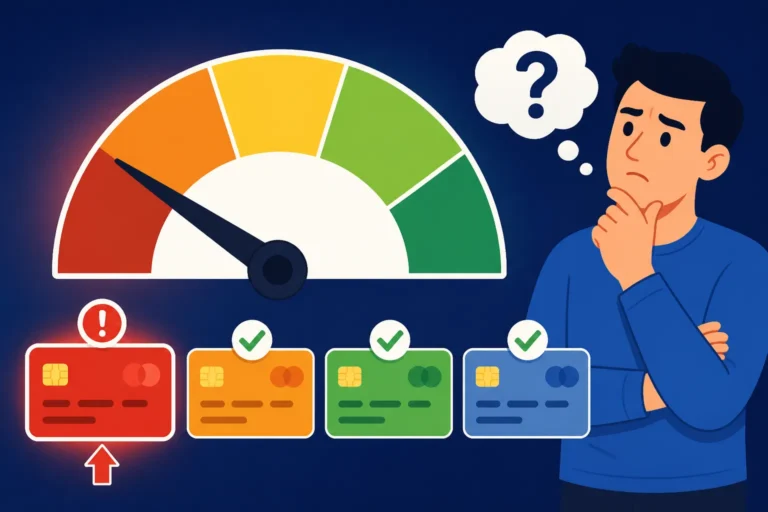
It's a common worry, isn't it? You've been working hard to manage your finances, perhaps even improve your credit score, and then the idea of asking for a credit limit increase pops into your head. Immediately, a little voice whispers, "But what if it hurts my score?" This concern is totally valid, as the credit world can feel like a labyrinth of conflicting advice. This comprehensive guide will clear up the confusion, explain the nuances of credit limit increases, and help you understand their true impact on your credit score, both good and potentially bad.
Understanding Credit Limit Increases
Navigating the ins and outs of credit can be daunting, and credit limit increases are one of those areas where myths and misunderstandings often create unnecessary anxiety. Let's break down what they are, why you might want one, and how you can go about getting one.
What Exactly Is a Credit Limit Increase?
At its simplest, a credit limit increase means your credit card issuer has raised the maximum amount of money you're allowed to borrow on a specific credit card. For instance, if your current card has a $2,000 limit, and your issuer approves an increase, it might jump to $4,000 or even $5,000. This isn't extra cash instantly available in your bank account; it's simply a larger line of credit that you can draw upon, assuming you're approved.
Think of it like an umbrella. A larger credit limit gives you a bigger umbrella to shield yourself from unexpected expenses. However, just because you have a bigger umbrella doesn't mean you should stand out in a hurricane every day. It's about having more capacity, not necessarily an invitation to spend more. Understanding how credit scores work is crucial here, as your limit plays a role in several key factors.
Why Do People Seek Credit Limit Increases?
There are several compelling reasons why someone might want a higher credit limit, and not all of them involve wanting to spend more. One of the most common and strategic reasons is to improve your credit utilization ratio, which is a major component of your credit score. If you have a $1,000 limit and carry a $500 balance, your utilization is 50%, which is generally seen as high. If that limit increases to $2,000 while your balance stays at $500, your utilization drops to a much healthier 25%.
Another reason might be anticipating a large, planned expense, like a home renovation or a big appliance purchase. Having a higher limit can provide the necessary flexibility without opening a new account, which would involve another hard inquiry and potentially a brand new, short credit history. Some people also seek increases to consolidate debt onto a lower-interest card (if applicable) or simply to have a larger emergency fund safety net. The goal is often about financial flexibility and strategic credit management, not just increasing spending power.
Different Ways to Get an Increase
There are generally two main avenues for a credit limit increase:
- Automatic Increases: Many credit card issuers will periodically review your account, often after six months to a year of responsible usage. If you've been paying on time, keeping your balances low, and generally being a good customer, they might automatically increase your limit without you even asking. This is often the ideal scenario because it typically doesn't involve a hard inquiry.
- Requesting an Increase: You can also proactively ask your credit card issuer for an increase. This usually involves logging into your online account, calling their customer service line, or sometimes even sending a written request. When you request an increase, the issuer will typically review your credit history and income to determine your eligibility. This is where the concern about your credit score often comes into play, as your request might trigger a hard inquiry.
Some institutions, like Credit Strong, also offer tools and services designed to help you build credit and potentially qualify for better credit products, including higher limits, over time by demonstrating responsible financial behavior. Even with secured cards, demonstrating consistent payments can lead to higher limits or conversion to unsecured cards down the line.
The Immediate Impact of a Credit Limit Increase Request
Now, let's get to the heart of the matter: what happens to your credit score right after you ask for a credit limit increase? This is where understanding the difference between inquiries comes in handy.
Hard Inquiry vs. Soft Inquiry
When a lender or creditor checks your credit report, it falls into one of two categories: a hard inquiry or a soft inquiry.
- Hard Inquiry: A hard inquiry, also known as a "hard pull," occurs when you apply for new credit, such as a credit card, a loan, or sometimes even a credit limit increase. These inquiries are visible to other lenders and can stay on your credit report for up to two years, though their impact on your score typically diminishes after a few months. When you apply for new credit, lenders want to see if you're taking on too much debt, and multiple hard inquiries in a short period can signal higher risk.
- Soft Inquiry: A soft inquiry, or "soft pull," happens when someone checks your credit report without you formally applying for new credit. This could be you checking your own credit score, a potential employer doing a background check, or your existing credit card company reviewing your account for an automatic credit limit increase or other promotional offers. Soft inquiries are only visible to you and generally do not affect your credit score.
The key distinction for a credit limit increase request is whether your card issuer performs a hard or soft inquiry. Some issuers will use a soft inquiry for existing customers requesting an increase, especially if you've been with them for a while and have a strong payment history. Others will perform a hard inquiry. It's always a good idea to ask your issuer beforehand what type of inquiry they will perform. This is one of the crucial points when you're looking at How Many Points Does a Hard Inquiry Worth?.
How a Hard Inquiry Affects Your Score
If your credit card issuer performs a hard inquiry for your credit limit increase request, it can cause a slight, temporary dip in your credit score. Typically, a single hard inquiry might lower your FICO score by a few points – usually no more than 5-10 points. This impact is usually minimal and short-lived, with your score recovering within a few months, assuming other aspects of your credit profile remain strong.
The real issue arises if you have multiple hard inquiries in a short period. For example, if you request credit limit increases from three different cards within a couple of weeks, those multiple inquiries could signal to lenders that you're desperate for credit, which is seen as a higher risk. This could lead to a more significant drop in your score. However, a single hard inquiry from a thoughtful credit limit request is often outweighed by the long-term benefits of a higher limit, which we'll discuss next. For a deeper dive into credit factors, you might want to read our guide on What Affects Your Credit Score? The 5 Factors.
When a Soft Inquiry Is Used
Fortunately, not all credit limit increase requests result in a hard inquiry. As mentioned, many card issuers will use a soft inquiry for existing customers. This is particularly common if you're requesting a modest increase, or if they were already considering an automatic increase for you. Discover and Capital One, for instance, are known to frequently use soft pulls for customer-initiated credit limit increase requests, though policies can vary and change.
The best way to know for sure is to directly ask your card issuer, "Will this request result in a hard inquiry on my credit report?" before proceeding. If they confirm it will be a soft inquiry, then you can proceed without worrying about any immediate negative impact on your score. This scenario allows you to potentially reap the benefits of a higher limit without the temporary score dip. It's a bit like checking Does Checking Your Own Credit Score Hurt It?; generally, it won't if done right.
The Long-Term Benefits of a Higher Credit Limit
While the immediate impact of a hard inquiry might give you pause, a higher credit limit, when managed responsibly, can offer significant long-term advantages for your credit score.
Improving Your Credit Utilization Ratio
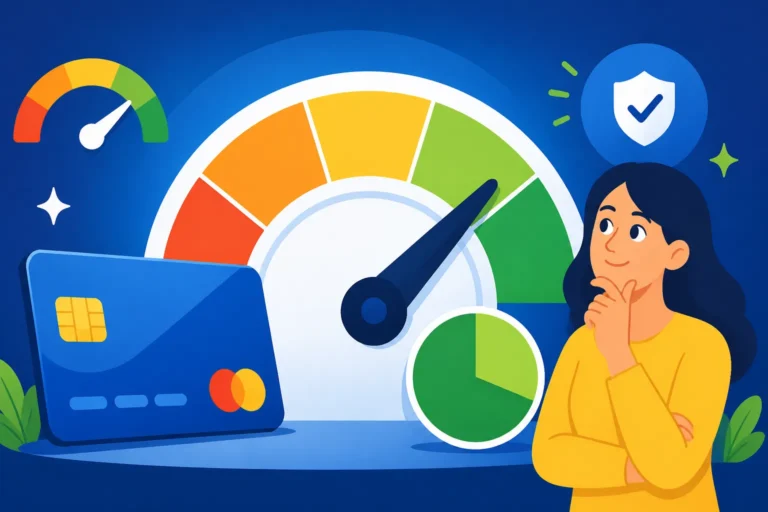
This is arguably the biggest and most immediate positive impact of a credit limit increase. Your credit utilization ratio is the amount of credit you're using compared to your total available credit. It accounts for about 30% of your FICO score, making it a critical factor. Experts generally recommend keeping your overall utilization below 30%, and ideally even lower, like 10%.
Let's say you have a credit card with a $3,000 limit and you regularly carry a balance of $1,000. Your utilization on that card is roughly 33% ($1,000/$3,000). If your card issuer increases your limit to $6,000, and you maintain that same $1,000 balance, your utilization immediately drops to about 16% ($1,000/$6,000). This significant reduction can lead to a noticeable boost in your credit score because you appear less risky to lenders. It shows you're using a smaller portion of your available credit, which is a sign of responsible management. For a more detailed breakdown, check out our guide on Credit Utilization: The Complete Guide and How Many Points Does High Utilization Cost You?.
Boosting Your Payment History
While a credit limit increase itself doesn't directly boost your payment history, it can indirectly support it. A higher limit provides more breathing room, which can help prevent you from maxing out cards and potentially struggling to make payments. When you have a lower limit, it's easier to hit that ceiling, leading to higher utilization and the risk of only being able to afford minimum payments, or worse, missing payments.
By having a larger limit, you have more flexibility. This makes it easier to keep your balances low relative to your limit, manage unexpected expenses without overextending yourself, and consistently make on-time payments. Payment history is the most important factor in your credit score, accounting for 35% of it. Therefore, anything that supports consistent, on-time payments ultimately contributes to a stronger credit profile. Companies like Credit Strong aim to help individuals establish this positive payment history through their credit builder products, laying a foundation for future credit health.
The Impact on Your Credit Mix and Age
A credit limit increase doesn't directly affect the age of your credit accounts or your credit mix (the variety of credit types you have, like credit cards, auto loans, and mortgages). However, it can indirectly support these factors by reducing the need to open new accounts. If you need more available credit, getting an increase on an existing card is often preferable to opening a brand-new card.
Opening a new card would result in a new hard inquiry, a new account with a very short history (which can lower your average age of accounts), and potentially a temptation to take on more debt. By getting an increase on an existing card, you keep your average age of accounts high, avoid an additional hard inquiry (if it's a soft pull), and simply expand the capacity of an already established and well-managed account. This is part of the strategic thinking behind How to Raise Your Credit Score (Step-by-Step).
Potential Downsides and How to Mitigate Them
While a credit limit increase can be a powerful tool for credit health, it's not without its potential pitfalls. Being aware of these downsides and having strategies to mitigate them is crucial for responsible credit management.
The Temptation to Overspend
This is perhaps the most significant and common pitfall of a credit limit increase. When you see that shiny new, higher limit, it can be incredibly tempting to spend more. "I have more room now, so I can afford that extra purchase," you might think. This mindset can quickly lead to accumulating more debt, especially if you haven't disciplined your spending habits. If you increase your spending along with your limit, you negate the positive impact on your credit utilization ratio and could find yourself in a worse financial position.
To mitigate this, it's essential to view a credit limit increase as an opportunity to improve your credit ratio by keeping your spending consistent, not an invitation to spend more. Treat your original credit limit as your personal spending ceiling, even if your official limit is higher. For example, if your limit goes from $3,000 to $6,000, but you only ever wanted to use $1,000, stick to that $1,000 budget. This self-discipline is key to harnessing the benefits without falling into a debt trap. Our guide on How to Get Out of Credit Card Debt (Step-by-Step) has valuable insights on managing debt.
Risk of Unnecessary Hard Inquiries
As we discussed, a hard inquiry can cause a small, temporary dip in your credit score. While one hard inquiry isn't usually a big deal, multiple inquiries in a short period can be more detrimental. If you're constantly requesting credit limit increases from various lenders, or if you're denied an increase and immediately apply elsewhere without understanding why, you could accumulate several hard inquiries that collectively bring your score down.
To avoid unnecessary hard inquiries, always ask your credit card issuer if your request will result in a hard or soft inquiry before you give them the green light. If it's a hard inquiry and you're not planning a major loan application (like a mortgage or car loan) in the immediate future, the temporary dip might be acceptable for the long-term benefits. However, if you're trying to optimize your score for an upcoming loan, it might be better to wait or stick to issuers known for soft inquiries.
Impact on Debt-to-Income Ratio
While a credit limit increase directly affects your credit utilization (a ratio on your credit report), it doesn't directly change your debt-to-income (DTI) ratio. Your DTI ratio is the percentage of your gross monthly income that goes toward paying your monthly debt payments. Lenders, especially mortgage lenders, look closely at this ratio.
However, if a higher credit limit leads you to accumulate more debt, then your actual monthly debt payments will increase, which will raise your DTI ratio. A high DTI can make it harder to qualify for new loans, even if your credit score looks good. It's a crucial factor that sometimes gets overlooked. Therefore, managing the actual amount of debt you carry, not just your available credit, is vital. You can learn more about this by reading Debt-to-Income Ratio: What It Is and Why It Matters.
Strategies for Requesting a Credit Limit Increase Wisely
Requesting a credit limit increase doesn't have to be a shot in the dark. With a bit of strategic planning, you can increase your chances of approval and maximize the benefits while minimizing any potential downsides.
When Is the Right Time to Ask?
Timing is everything. Generally, the best time to request a credit limit increase is after you've demonstrated a solid history of responsible credit behavior with that particular card issuer. This typically means:
- At Least 6-12 Months of On-Time Payments: If you're relatively new to the card or have missed payments recently, it's better to wait until you have a longer, unblemished payment history.
- No Significant Changes in Income or Employment: Lenders like stability. If you've recently changed jobs or experienced a significant income drop, it might be best to stabilize your finances before requesting more credit.
- Low Current Credit Utilization: While a higher limit helps utilization, asking when your current utilization is already low (e.g., under 10-20%) shows lenders you're not desperate for credit and manage what you have responsibly.
- No Other Recent Hard Inquiries: If you've recently applied for other loans or credit cards, it's wise to let those hard inquiries age a bit before requesting another credit check.
Additionally, consider why you're asking. If it's purely for strategic credit utilization management and you plan to keep your spending habits the same, that's a strong reason. If you're struggling to make ends meet, a credit limit increase might not be the best solution and could lead to more debt.
Preparing for Your Request
Before you make that call or click that button, gather your information and do a little homework.
- Check Your Credit Reports: Get a copy of your credit report from AnnualCreditReport.com. Review it for any errors or inaccuracies that could hurt your chances. Make sure your income and employment information is up-to-date.
- Know Your Income: Lenders will ask for your current income. Be prepared to provide an accurate figure. A higher income demonstrates a greater ability to handle more credit.
- Understand Your Payment History: Be aware of your recent payment history with the card in question. Have you paid on time? Have you carried high balances?
- Know the Lender's Policy: As discussed, find out if the issuer will perform a hard or soft inquiry. A quick call to customer service can clarify this.
- Have a Reason (Optional but Helpful): While not always necessary, having a legitimate reason for the increase can sometimes help. For example, "I'm looking to reduce my overall credit utilization," or "I'd like to increase my financial flexibility for emergencies, but I plan to continue using the card responsibly."
For those still establishing their credit, platforms that report to credit bureaus, like Credit Strong, can be invaluable. They help you build a positive payment history and demonstrate creditworthiness, which can then make it easier to get approved for higher limits on traditional cards down the line.
What to Do If Your Request is Denied
A denial can be disheartening, but it's not the end of the world. It's also an opportunity to learn and improve.
- Understand the Reason: By law, the creditor must send you an adverse action notice explaining why your request was denied. This letter will provide valuable insights into what you need to work on. Common reasons include too many recent inquiries, high existing debt, low income, or a short credit history.
- Don't Reapply Immediately: Don't just apply for an increase with another card. Take time to address the reasons for the denial.
- Focus on Improvement: If the reason was high debt, focus on reducing your balances. If it was income, look for ways to increase it or demonstrate stability. If it was a short credit history, just keep making on-time payments. Remember, building credit takes time. Our guide on How Long Does It Take to Improve Your Credit Score? offers realistic timelines.
- Consider Alternatives: If a direct credit limit increase isn't feasible, explore other options to improve your credit, such as opening a new (but carefully chosen) credit card, becoming an authorized user on someone else's account, or using credit builder products like a secured credit card or credit builder loan. These can help strengthen your credit profile for future requests.
| Factor | Immediate Impact (Request) | Long-Term Impact (Approved & Managed) |
|---|---|---|
| Hard Inquiry | Slight temporary score dip (5-10 pts) | Recovers within months, negligible. |
| Soft Inquiry | No impact on score | No impact on score. |
| Credit Utilization Ratio | No immediate change | Significantly improves if balances stay low, boosting score (30% factor). |
| Payment History | No immediate change | Easier to maintain excellent payment history (35% factor). |
| Credit Age | No change (same account) | Helps avoid opening new accounts, preserving average age. |
| New Credit | Hard inquiry counts here | Reduces need for new credit if capacity is met. |
| Risk of Overspending | High if not disciplined | Can lead to more debt and negative score impact. |
| Debt-to-Income Ratio | No direct change | Can worsen if increased spending leads to higher payments. |
Alternative Ways to Improve Your Credit Profile
While a credit limit increase can be beneficial, it's just one piece of the puzzle. There are many other effective ways to improve your credit profile, especially if you're denied an increase or want to avoid any potential short-term score dips.
Focusing on Payment History and On-Time Payments
This cannot be stressed enough: your payment history is the single most important factor in your credit score, making up 35% of your FICO score calculation. Consistently making all your payments on time, every time, is the most powerful thing you can do to build and maintain excellent credit. Even a single late payment (30 days or more past due) can cause a significant drop in your score and stay on your report for seven years.
If you struggle with remembering due dates, set up automatic payments or calendar reminders. If you're living paycheck to paycheck, explore budgeting strategies to ensure you have funds available. Prioritizing your payments over other expenses is crucial. Tools that help you manage these payments, or even directly report your on-time payments for things like rent or utilities, can be incredibly valuable in strengthening this foundational aspect of your credit. If you're just starting, our guide on How to Build Credit From Scratch (2026 Guide) delves into this topic thoroughly.
Diversifying Your Credit Mix
Your credit mix, which accounts for about 10% of your FICO score, looks at the different types of credit accounts you have. Lenders like to see that you can responsibly manage various forms of credit, such as revolving credit (credit cards) and installment loans (car loans, mortgages, personal loans, student loans).
If you only have credit cards, consider a small, responsible installment loan, like a credit-builder loan. These are designed specifically to help people build credit by making small, regular payments. You make payments into a locked savings account, and once the loan is paid off, you get access to the funds. This adds a different type of account to your report, which can be positive. Similarly, if you only have installment loans, opening a starter credit card and using it wisely can help round out your profile.
Utilizing Credit Builder Tools
For those with limited credit history or who are trying to rebound from past credit challenges, dedicated credit builder tools can be a game-changer. These products are specifically designed to help you establish a positive credit history.
- Secured Credit Cards: These cards require a security deposit, which typically acts as your credit limit. They function like regular credit cards, and your on-time payments are reported to the credit bureaus. After a period of responsible use, you might even qualify for an unsecured card.
- Credit Builder Loans: As mentioned above, these loans are structured to help you save money while building credit. Credit Strong is an example of a service that offers credit builder loans, reporting your consistent payments to all three major credit bureaus. This helps establish a positive payment history and adds an installment loan to your credit mix, contributing to a more robust credit profile.
- Authorized User Status: Becoming an authorized user on a trusted family member's credit card can allow you to benefit from their good credit history. However, choose wisely, as their missteps could also affect you.
- Rent Reporting Services: Services like Experian Boost or other rent reporting platforms can allow your on-time rent payments to be reported to credit bureaus, turning a regular expense into a credit-building asset.
By combining these strategies with responsible management of any existing credit, you can steadily improve your credit profile, potentially making future credit limit increase requests easier to obtain and more beneficial for your financial journey. Remember, building good credit is a marathon, not a sprint, and consistency is key. Our guide on Credit Builder Loans Explained (Self, Kikoff & More) can provide more details.
Disclaimer
The information provided in this article is for general informational purposes only and does not constitute financial, legal, or professional advice. Always consult with a qualified financial advisor, credit counselor, or legal professional for advice tailored to your specific situation. Credit policies and regulations can change, and individual results may vary.