How to Freeze Your Credit in Maine
It's an unsettling feeling, isn't it? That nagging worry that someone, somewhere, might be trying to use your good name to open accounts, rack up debt, or just generally make a mess of your financial life. Identity theft is a real and present danger, and for folks here in Maine, protecting your credit is just as important as anywhere else. This guide is all about giving you peace of mind by showing you exactly how to freeze your credit in the Pine Tree State, step by step.
Understanding Credit Freezes and Why They Matter in Maine
Let's face it, our financial lives are intertwined with our credit reports. When those reports are exposed, even a minor data breach can feel like a major personal invasion. A credit freeze is one of the most powerful tools you have in your arsenal to protect yourself. It's not just for victims of identity theft anymore; it's a proactive measure everyone should consider, especially when you're not actively seeking new lines of credit.
What Exactly Is a Credit Freeze?
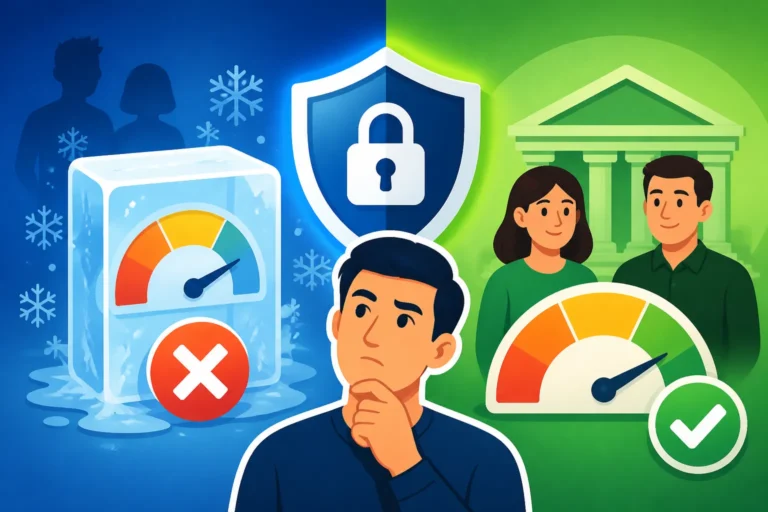
At its heart, a credit freeze, often called a security freeze, is a simple concept with profound implications for your financial security. When you place a freeze on your credit report, you're essentially locking it down. This means that credit reporting agencies like Equifax, Experian, and TransUnion cannot release your credit file to potential creditors without your explicit permission. Think of it like putting a deadbolt on your financial front door.
What does this mean in practice? If a fraudster tries to open a new credit card account, apply for a loan, or even get new utility services in your name, the lender or service provider will attempt to pull your credit report. With a freeze in place, they won't be able to access it. This usually results in the application being denied, effectively stopping the identity thief dead in their tracks. It's an incredibly effective way to prevent new account fraud, which is one of the most damaging types of identity theft. It's a different level of protection than, say, a simple fraud alert, which only requires businesses to take reasonable steps to verify identity, but doesn't block access entirely. If you're wondering about the nuances, you can delve deeper into the differences between a credit freeze, credit lock, and fraud alert to fully grasp each option.
It's important to remember that a credit freeze only prevents access to your credit report for new credit applications. It doesn't affect your existing accounts. Your current credit cards, loans, or mortgages will continue to function as normal, and you'll still make payments on them. It also doesn't prevent you from getting your own free credit reports, which you should still check regularly.
Why Freeze Your Credit in Maine?
While the process for freezing your credit is federal, the reasons to do so can feel very personal, even hyper-local. In a state like Maine, where communities can feel close-knit, a local business data breach could impact many residents. Perhaps you've heard about a recent data breach at a healthcare provider in Portland, or a financial institution with offices spanning from Bangor to Augusta. Or maybe you simply want to add an extra layer of security because you're worried about your online privacy.
Freezing your credit offers a significant layer of peace of mind. Without it, your credit report could be accessed by anyone with enough identifying information, whether it's through a data breach, a lost wallet, or even just information gleaned from social media. By taking control and freezing your reports, you prevent unauthorized access, which means fewer worries about fraudulent loans, credit cards, or utility accounts being opened in your name.
This proactive step can be especially valuable if you're not planning to apply for new credit in the near future. If you're happy with your current credit lines and loans, and aren't looking to buy a house or a new car anytime soon, a credit freeze essentially closes the door on a major avenue for identity thieves. It's a fundamental part of a robust personal finance security strategy, much like regularly reviewing your bank statements or using strong passwords. Even people who have worked diligently to build a good credit score know that protecting it from external threats is paramount.
How to Freeze Your Credit with Each Major Bureau in Maine
The process of freezing your credit is handled individually by each of the three major credit bureaus: Equifax, Experian, and TransUnion. While the federal law standardized many aspects, like making freezes free and permanent until you lift them, you still need to contact each bureau separately. This might seem a bit tedious, but it's a crucial step to ensure comprehensive protection. If you only freeze with one or two bureaus, a determined identity thief might simply try to apply for credit with a lender who pulls from the unfrozen bureau.
Here’s how you can freeze your credit with each of them, whether you're living in Presque Isle or Kittery:
Freezing Your Credit with Equifax
Equifax makes it relatively straightforward to place a security freeze. You have a few options:
- Online: This is generally the fastest and easiest method. Visit the Equifax website, navigate to their "Security Freeze" section, and follow the prompts. You'll need to create an account if you don't already have one, verify your identity, and then you can initiate the freeze. They'll ask for personal information like your name, address, Social Security number, and date of birth to confirm it's really you.
- Phone: If you prefer to speak to someone, you can call Equifax's dedicated security freeze line. Be prepared to provide the same personal identification details over the phone.
- Mail: You can also send a written request via mail. This option is often slower but provides a paper trail. You'll need to include a copy of a government-issued identification card (like your driver's license) and a copy of a utility bill, bank statement, or other document with your current mailing address.
Once you request the freeze, Equifax will typically provide you with a PIN or password. Keep this information safe! You'll need it if you ever want to temporarily lift or permanently remove the freeze. Without this PIN, accessing your frozen report becomes a much more complicated process, requiring additional identity verification steps.
Freezing Your Credit with Experian
Similar to Equifax, Experian offers multiple ways to place a freeze on your credit report. They are also compliant with federal regulations regarding free credit freezes for all consumers.
- Online: Head over to Experian's website and look for their security freeze page. You'll need to go through an identity verification process, which might involve answering some security questions based on your credit history. Once verified, you can elect to place the freeze.
- Phone: Experian also has a phone number specifically for placing and managing security freezes. This can be a good option if you have questions or prefer direct assistance.
- Mail: As with Equifax, you can mail in a request for a security freeze. Remember to include copies of your identifying documents. Experian will then process your request and typically provide you with a unique PIN or password for future management of your freeze.
Experian usually processes online requests almost instantly, while phone requests can take a few minutes. Mailed requests will take the longest, often a few days to a week after they receive your documentation.
Freezing Your Credit with TransUnion
TransUnion is the third major player, and their process for freezing your credit is very much in line with the others. It’s essential to contact them directly, even if you’ve already frozen your credit with Equifax and Experian.
- Online: Visit TransUnion's website and locate their security freeze portal. You’ll be guided through their identity verification steps, which are standard across all bureaus to protect your information. After successful verification, you can easily place the freeze electronically.
- Phone: TransUnion also provides a toll-free number for consumers to initiate a credit freeze. Have your personal details ready to share for verification purposes.
- Mail: The mail option is available here as well. Send your written request along with photocopies of your proof of identity and address. TransUnion will send you confirmation and a unique PIN or password to manage your freeze moving forward.
Each bureau's system is designed to provide you with a unique identifier (like a PIN or password) that acts as your key to managing your frozen credit report. Losing this key can be a headache, so store it securely, perhaps in a locked fireproof box or a secure digital vault, separate from other identifying documents. Knowing how to dispute with Equifax, Experian, and TransUnion can also be useful if you ever spot something amiss on your report even with a freeze.
Here's a quick comparison of the options:
| Bureau | Online Request | Phone Request | Mail Request | Required for Future Management | Cost |
|---|---|---|---|---|---|
| Equifax | Yes | Yes | Yes (with ID proof) | PIN/Password | Free |
| Experian | Yes | Yes | Yes (with ID proof) | PIN/Password | Free |
| TransUnion | Yes | Yes | Yes (with ID proof) | PIN/Password | Free |
Managing Your Credit Freeze in Maine
Placing a credit freeze isn't a "set it and forget it" action, though it can feel that way once it's in place. There will inevitably be times when you need to temporarily lift it, or even permanently remove it. Knowing how to manage your freeze is just as important as knowing how to place it.
Temporarily Thawing or Permanently Lifting a Freeze
The most common reason to adjust your credit freeze is when you need to apply for new credit or services. Whether you’re finally ready to apply for that new credit card, take out a car loan, or even rent an apartment, the lender or landlord will need to access your credit report. Since your report is frozen, you'll need to "thaw" it.
Here’s how you generally go about it:
- Identify the Bureau(s): Find out which credit bureau the lender or service provider intends to pull your report from. Sometimes they'll tell you; other times, you might have to ask. If you're not sure, it's safest to thaw your report with all three.
- Contact Each Bureau: Using the PIN or password you received when you initiated the freeze, contact the relevant credit bureau(s) via their online portal, phone, or mail.
- Choose Your Option:
- Temporary Thaw: You can choose to lift the freeze for a specific period (e.g., 7 days) or for a specific creditor. This is often the best approach if you know exactly when and where your credit will be checked.
- Permanent Lift: If you no longer want the protection of a freeze and anticipate frequent credit checks, you can opt for a permanent lift. This essentially removes the freeze entirely, and your report will be accessible to all authorized parties.
When you thaw your credit, it usually takes effect fairly quickly, especially if done online. This means you can often apply for credit the same day you thaw it. For a deeper dive into this, check out our guide on how to unfreeze your credit temporarily.
What Happens After You Place a Credit Freeze?
Once your credit is frozen, a few things will change in your financial life, mostly for the better. The primary change is that no new creditors will be able to perform a "hard inquiry" on your credit report without your explicit permission. A hard inquiry is what happens when you apply for a new loan or credit card, and too many of them can actually impact your credit score. Rest assured, placing a credit freeze itself does not hurt your credit score in any way.
However, a freeze won't stop "soft inquiries." These are credit checks that don't affect your score, such as when you check your own credit, or when existing creditors review your account for promotional offers or account management. It also doesn't prevent debt collectors from contacting you about existing debts, nor does it block access to your credit report for government agencies responding to a court order or warrant.
The main takeaway is security. You can continue to use your existing credit cards and loans as usual, make payments, and maintain your good credit habits. The freeze is specifically designed to stop new, unauthorized accounts from being opened. It simplifies your life by removing a major vector for financial fraud, allowing you to focus on other aspects of your financial well-being.
Monitoring Your Credit While Frozen
Even with a robust credit freeze in place across all three bureaus, maintaining a vigilant eye on your financial health is still paramount. A credit freeze is an excellent preventative measure for new accounts, but it doesn't protect against all forms of identity theft or fraudulent activity on existing accounts.
For instance, if someone gets hold of your existing credit card number, a freeze won't stop them from using that card. It also won't prevent someone from filing fraudulent tax returns in your name or committing other non-credit-related forms of identity theft. Therefore, it's crucial to continue monitoring your bank statements, existing credit card statements, and even medical billing statements for any suspicious activity.
Regularly checking your free credit reports from AnnualCreditReport.com is also a smart move, even with a freeze. This allows you to review your payment history, account balances, and personal information to ensure everything is accurate and legitimate. Think of it as a secondary layer of defense. While a freeze stops unauthorized access for new credit, monitoring ensures that your existing financial life isn't compromised in other ways. If you're also in a phase of actively building your credit profile, perhaps looking to leverage tools like a secured credit card or a credit builder loan, services like Credit Strong can play a role once your freeze is temporarily lifted for specific applications, helping ensure consistent positive reporting.
Common Questions and Misconceptions About Credit Freezes
There's a lot of information floating around about credit freezes, and it can sometimes lead to confusion. Let's clear up some of the most common questions and bust a few myths, especially with Maine residents in mind.
Does Freezing Your Credit Cost Money in Maine?
This is a fantastic question, and the answer is a resounding no, not anymore! For many years, depending on your state, there used to be a small fee—sometimes around $5 to $10—to place or lift a credit freeze. This often caused frustration for consumers, especially those who were already victims of identity theft and were trying to protect themselves further.
However, thanks to the Economic Growth, Regulatory Relief, and Consumer Protection Act, federal law changed in September 2018. This legislation made credit freezes and thaws free for everyone across all three major credit bureaus in all U.S. states, including Maine. So, if you're a resident of Portland, Lewiston, or anywhere else in Maine, you can breathe a sigh of relief knowing that protecting your financial identity through a credit freeze won't cost you a dime. You no longer have to worry about if you have to pay to freeze your credit. This change was a huge win for consumers and removed a significant barrier to financial security.
How Long Does a Credit Freeze Last?
Another common misconception is that a credit freeze is a temporary measure that expires after a certain period. The reality is quite the opposite! Once you place a security freeze with Equifax, Experian, and TransUnion, it remains in effect indefinitely until you choose to remove or temporarily lift it.
This means you don't have to worry about renewing it every year or forgetting to re-freeze your credit. It's a "set it and forget it" kind of protection in terms of its duration. The only time it changes is when you actively decide to make a change using the PIN or password you were provided. This permanent nature is one of its strongest features, providing long-term protection against unauthorized access to your credit file. For a more detailed breakdown, you might want to read about how long a credit freeze lasts.
What About Freezing a Child's Credit?
Protecting children from identity theft is an increasingly vital concern, and credit freezes play a crucial role here. Unfortunately, children are prime targets for identity thieves because they often have clean credit files with no history. A fraudster can open accounts in a child's name, and the theft might go undiscovered for years, only surfacing when the child tries to apply for their first student loan or credit card.
In Maine, you absolutely can and should freeze your child's credit. The process involves contacting each of the three major credit bureaus and providing proof of your child's identity (birth certificate, Social Security card) and your relationship to them (birth certificate, legal guardianship papers). The bureaus are required by law to offer this service for minors. They will typically create a credit file for your child, even if one doesn't exist, and then freeze it. This prevents a credit file from being opened fraudulently in their name in the first place.
Freezing a minor's credit can feel like an extra step, but it's a powerful preventative measure against a form of identity theft that can cause immense problems down the road. It ensures that when your child is ready to embark on their financial journey, their credit history will be their own, unblemished by someone else's fraud. Our guide on how to freeze your child's credit offers more in-depth advice on this important topic.
A credit freeze is one of the most effective tools you have to safeguard your financial identity. Whether you're a long-time resident of Maine or new to the state, taking these steps to protect yourself and your family provides invaluable peace of mind in an increasingly complex financial world.
Disclaimer
This article is intended for informational purposes only and does not constitute financial or legal advice. While we strive to provide accurate and up-to-date information, credit laws and regulations can change. It is always recommended to consult with a qualified financial advisor or legal professional for advice tailored to your specific situation.