How to Remove Fraudulent Inquiries
Finding an inquiry on your credit report that you absolutely don't recognize can be incredibly unsettling, even alarming. It feels like a violation, and the thought that someone might be trying to open accounts in your name is enough to send shivers down anyone's spine. This guide is here to walk you through the precise steps you need to take to identify, dispute, and ultimately remove those pesky fraudulent inquiries, helping you regain control over your financial identity.
Understanding Fraudulent Inquiries and Their Impact
When you apply for new credit – whether it’s a credit card, a car loan, or even a mortgage – the lender will typically check your credit history. This check results in what's known as a "hard inquiry" on your credit report. It signals to other lenders that you’ve recently sought credit, and a few of these inquiries in a short period can sometimes indicate higher risk. But what happens when an inquiry shows up that you didn't authorize? That's where fraudulent inquiries come into play, and they can be a real headache.
What Is a Fraudulent Inquiry?
A fraudulent inquiry is essentially a hard pull on your credit report that you did not initiate or authorize. This often happens when someone attempts to open a new line of credit using your personal information without your knowledge or consent. It's a tell-tale sign that you might be a victim of identity theft. These inquiries can stem from various malicious acts, from a stolen wallet to sophisticated data breaches where your personal data ends up in the wrong hands. It’s important to distinguish these from "soft inquiries," which don't impact your score and often occur when you check your own credit, or when a lender pre-approves you for an offer.
Imagine checking your credit report and seeing a hard inquiry from "Speedy Loans Inc." when you've never even heard of them, let alone applied for anything. That's a classic example of a fraudulent inquiry. It means someone, somewhere, tried to get credit in your name. This could be an isolated incident, or it could be part of a larger scheme where the fraudster is testing the waters to see what they can get away with. It's a critical red flag that demands immediate attention.
Why Fraudulent Inquiries Matter
Even a single fraudulent inquiry, while it might not tank your credit score completely, can still have a negative impact. Hard inquiries typically cause a small dip in your credit score, usually just a few points, and remain on your report for two years, although their impact lessens over time. If a fraudster makes multiple attempts, you could see several inquiries pile up, causing a more significant drop in your score. More importantly, these inquiries are often the first sign of a much larger problem – identity theft.
Beyond the numerical impact, fraudulent inquiries can raise flags for legitimate lenders. If you apply for a mortgage and the underwriter sees several recent inquiries from various lenders you didn't apply to, it could make them hesitant. They might view it as a sign of financial instability or a potential fraud risk, even if you’re the victim. This could lead to denied applications or less favorable interest rates, directly affecting your financial goals. That's why being proactive about removing them is so important for your financial health and peace of mind. Keeping your credit report clean helps services like Credit Strong, which focuses on building positive payment history, work their magic more effectively.
Gathering Your Evidence: The First Crucial Steps
Before you can effectively dispute and remove fraudulent inquiries, you need to arm yourself with information. This means thoroughly reviewing your credit reports, identifying the specific inquiries, and taking steps to officially document the identity theft. This foundational work is non-negotiable and will significantly strengthen your case.
Reviewing Your Credit Reports
Your first order of business is to obtain copies of your credit reports from all three major credit bureaus: Equifax, Experian, and TransUnion. You are legally entitled to a free copy of your credit report from each bureau once every 12 months through AnnualCreditReport.com. It's always a good idea to check all three because not all creditors report to every bureau, meaning an unauthorized inquiry might appear on one report but not another.
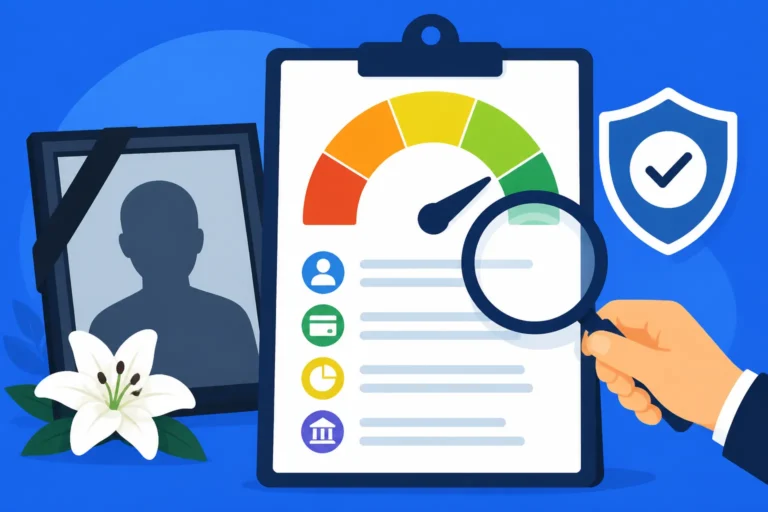
When you're sifting through these reports, don't just skim. Look at every single detail. Check personal information like your name, address, and employers to ensure they are accurate. Then, meticulously examine the "inquiries" section. You're looking for any hard inquiries listed that you don't recall authorizing. Note the date of the inquiry, the name of the creditor, and the type of credit requested. This information will be vital when you proceed with your dispute. You'll want to review "How to Get Your Free Credit Report" for detailed instructions on accessing these crucial documents.
Identifying the Unauthorized Inquiries
Once you have your reports in hand, highlight or list every inquiry that appears suspicious. For each potentially fraudulent inquiry, ask yourself:
- Did I apply for credit with this company on this date?
- Do I even recognize this company name?
- Was I recently shopping for this type of loan or credit card?
If the answer to these questions is no, you’ve likely found a fraudulent inquiry. Pay close attention to the dates. If you were truly a victim of identity theft, you might see several inquiries pop up around the same time. Note down the creditor's name, the date the inquiry was made, and the specific bureau (Equifax, Experian, or TransUnion) on which it appears. It’s also helpful to look for any new accounts opened around the same time as these inquiries. An inquiry without an associated account could indicate an attempted fraud that was thankfully unsuccessful, but it still needs to be addressed. Sometimes, even if no account was opened, the inquiry itself indicates a breach of your personal information.
Filing an Identity Theft Report
This is a critical step and often the most overlooked. Before you even think about contacting the credit bureaus directly, you need to file an official identity theft report. The Federal Trade Commission (FTC) is your primary resource for this. Go to IdentityTheft.gov and follow their step-by-step process. They will guide you through creating a personal recovery plan and provide you with an official Identity Theft Report. This document is golden because it proves to creditors and credit bureaus that you are a victim, not someone trying to shirk legitimate debt.
In addition to the FTC report, consider filing a police report with your local law enforcement agency. While not always strictly necessary for every fraudulent inquiry, a police report can carry significant weight, especially if you suspect extensive identity theft or if the FTC recommends it. Local police might not actively investigate every case of credit fraud, but having an official report on file can be incredibly helpful for your disputes and can offer additional legal protections. When you have this official documentation, companies like Credit Strong that help individuals build and improve their financial standing will understand the serious nature of your situation and the importance of having accurate credit reports. For more guidance, see "How to Get an Identity Theft Report".
The Step-by-Step Process to Remove Fraudulent Inquiries
With your evidence gathered and identity theft reports filed, you're ready to tackle the credit bureaus and creditors directly. This process requires patience and persistence, but following these steps diligently will increase your chances of success.
Contacting the Credit Bureaus
Once you have your FTC Identity Theft Report (and ideally a police report), it's time to contact each credit bureau where the fraudulent inquiry appears. Each of the three major credit bureaus – Equifax, Experian, and TransUnion – has a dedicated process for disputing fraudulent items.
Here's how to generally approach each:
- Equifax: You can dispute online, by mail, or by phone. Their online dispute portal is often the quickest. You'll need to provide the inquiry details, your identity theft report number, and any other supporting documentation. You can learn more about this in "How to Dispute With Equifax, Experian, and TransUnion".
- Experian: Similar to Equifax, Experian offers online, mail, and phone dispute options. When disputing a fraudulent inquiry, make sure to explicitly state that it's due to identity theft and provide your FTC Identity Theft Report. Experian is typically efficient in processing these types of disputes when proper documentation is provided.
- TransUnion: TransUnion also provides online, mail, and phone channels. It’s crucial to clearly mark your dispute as "fraudulent inquiry due to identity theft" and attach copies of your FTC report. Be prepared to follow up, as sometimes these disputes can take a little longer.
For each bureau, make sure to send copies (never originals) of your FTC Identity Theft Report, your police report (if applicable), and any other supporting evidence. Keep detailed records of when you sent your disputes, what you sent, and any reference numbers you receive. Each bureau has a legal obligation under the Fair Credit Reporting Act (FCRA) to investigate disputed information, especially when identity theft is involved. Generally, they have 30 days to investigate and respond. For detailed instructions on removing various negative items, check out guides like "How to Remove Negative Items From Your Credit Report".
Communicating with the Creditor
Sometimes, especially if the fraudulent inquiry led to a new account being opened in your name, you might also need to directly contact the creditor that made the inquiry. While the credit bureaus are responsible for cleaning up your report, the creditor holds the information about the alleged account.
When contacting the creditor, explain that you are a victim of identity theft and that the inquiry (and any associated account) is fraudulent. Provide them with your FTC Identity Theft Report. They should have a fraud department equipped to handle these situations. Request that they remove the inquiry from your credit report and close any fraudulent accounts opened in your name. For instance, if you see an inquiry from Capital One, even if you don't have an account with them, contacting their fraud department directly can help expedite the process. Keep detailed records of these communications as well, including names, dates, and what was discussed. Remember, the goal here is not only to remove the inquiry but also to ensure no fraudulent accounts remain open under your name.
Following Up and Monitoring
Disputing a fraudulent inquiry isn't always a "set it and forget it" process. It's essential to follow up with both the credit bureaus and potentially the creditors. After the initial 30-day investigation period, check your credit reports again to see if the inquiry has been removed. If it hasn't, you may need to escalate your dispute or send another letter, perhaps with additional documentation. You can also contact the Consumer Financial Protection Bureau (CFPB) if you feel your dispute is not being handled appropriately.
Beyond just the current fraudulent inquiry, it's crucial to implement ongoing credit monitoring. Many credit card companies and financial institutions offer free credit monitoring services, or you can opt for paid services. These services alert you to any significant changes on your credit report, including new inquiries, new accounts, or changes to your personal information. Regularly checking your credit reports (you can do this more frequently than once a year directly with the bureaus, or via services like Credit Karma for VantageScore) is a proactive way to catch fraud early. This ongoing vigilance is key to protecting your financial future and ensuring your hard work with services like Credit Strong isn't undermined by future fraud. You might find guidance in "Credit Monitoring: Is It Worth It?" helpful.
Preventing Future Fraudulent Inquiries
Taking the steps to remove fraudulent inquiries is reactive, but it's equally important to be proactive in preventing them from happening again. Identity theft is an ongoing threat, and by understanding and utilizing available tools, you can significantly reduce your risk.
Freezing Your Credit
A credit freeze is one of the most powerful tools at your disposal to prevent future fraudulent inquiries and new account fraud. When you freeze your credit, you restrict access to your credit report, making it impossible for new lenders to check your credit history. Since a hard inquiry is a necessary step for opening most new lines of credit, a freeze effectively prevents fraudsters from opening accounts in your name. You need to place a freeze with each of the three major credit bureaus individually: Equifax, Experian, and TransUnion. This is free to do and can be done online or by mail.
Keep in mind that if you want to apply for new credit, you'll need to temporarily "thaw" or unfreeze your credit with the specific bureau(s) the lender will check. This can usually be done online and takes effect quickly. While it adds an extra step to your own credit applications, the peace of mind it offers against identity theft is invaluable. It’s an essential step, and you can learn more about it in "How to Freeze Your Credit (All 3 Bureaus)".
Setting Up Fraud Alerts
Fraud alerts are another layer of protection, especially useful if you've recently been a victim of identity theft. Unlike a credit freeze, which blocks all access, a fraud alert simply flags your credit report. When a business pulls your credit report, they are alerted that they must take extra steps to verify your identity before opening a new account or increasing a credit limit. This might involve calling you on a specific phone number you provide.
There are different types of fraud alerts:
- Initial Fraud Alert: Lasts for one year. You only need to place it with one credit bureau, and that bureau will notify the other two.
- Extended Fraud Alert: Lasts for seven years. This is available if you provide an identity theft report.
- Active Duty Military Alert: Lasts for one year and is specifically for active duty military personnel.
While a fraud alert doesn't stop inquiries outright like a freeze, it adds a crucial verification step that can deter fraudsters. It's less restrictive than a freeze, which might appeal to some, but also offers less ironclad protection. For detailed information, explore "How to Place a Fraud Alert on Your Credit".
Best Practices for Protecting Your Identity
Beyond freezes and alerts, everyday habits play a massive role in protecting your financial identity.
- Strong Passwords and Two-Factor Authentication: Use complex, unique passwords for all your online accounts and enable two-factor authentication wherever possible. A password manager can be a lifesaver here.
- Secure Online Habits: Be wary of phishing emails, suspicious links, and unsolicited requests for personal information. Only provide sensitive data on secure websites (look for "https://" in the URL).
- Shred Sensitive Documents: Don't just toss old bills, bank statements, or credit card offers in the trash. Shred anything with your personal information before discarding it.
- Monitor Your Financial Accounts: Regularly check your bank and credit card statements for any unauthorized transactions. Catching small discrepancies early can prevent larger problems.
- Be Cautious with Public Wi-Fi: Avoid conducting sensitive transactions like online banking or shopping when connected to public, unsecured Wi-Fi networks.
- Review Your AnnualCreditReport.com Reports Regularly: Even with monitoring, directly reviewing your full credit reports from all three bureaus annually gives you the most comprehensive overview.
- Consider Identity Theft Protection Services: While optional, services that actively monitor the dark web for your information, provide identity theft insurance, and assist with recovery can add an extra layer of security. Companies that emphasize credit building like Credit Strong also often provide some level of credit monitoring to help clients stay on top of their credit health.
Here’s a quick comparison of credit freezes and fraud alerts:
| Feature | Credit Freeze | Fraud Alert |
|---|---|---|
| Impact on New Credit | Prevents new credit accounts from being opened. | Requires businesses to verify identity before opening new credit. |
| Ease of Use | Must be placed with each bureau individually. Thawing required for new applications. | Place with one bureau, they notify others. No thawing needed. |
| Duration | Indefinite (until you lift it). | Initial: 1 year. Extended: 7 years (with ID theft report). |
| Cost | Free. | Free. |
| Protection Level | Stronger protection against new account fraud. | Good protection; relies on businesses verifying identity. |
| Ideal Use Case | Proactive protection for everyone, especially identity theft victims. | If you suspect identity theft but still need easier credit access. |
By being proactive and vigilant, you can significantly reduce your risk of falling victim to identity theft and the headaches of fraudulent inquiries. Maintaining good credit is a journey, and protecting your reports is a crucial part of that journey.
Disclaimer
The information provided in this guide is for general informational purposes only and does not constitute financial, legal, or credit counseling advice. While we strive to provide accurate and up-to-date information, credit laws and practices can change. Always consult with a qualified financial advisor, credit counselor, or legal professional for advice tailored to your specific situation.