Is 740 a Good Credit Score?
It's completely normal to feel a bit lost when you first dive into the world of credit scores. You hear so many numbers thrown around, and it can be hard to know what's truly considered "good" or "excellent" when it comes to your financial health. This guide is here to clear up any confusion and help you understand exactly what a 740 credit score means for your financial future.
Demystifying Credit Score Ranges: Where 740 Stands
When we talk about credit scores, we're usually referring to one of two main scoring models: FICO Score and VantageScore. While they use slightly different calculations, their general ranges for what constitutes "good" or "excellent" are quite similar. It's really important to understand these ranges, not just to know your number, but to grasp what opportunities that number unlocks.
FICO Score Breakdown
FICO scores, which range from 300 to 850, are the most widely used scores by lenders, with about 90% of top lenders relying on them for their lending decisions. They break down like this:
- Exceptional: 800-850
- Very Good: 740-799
- Good: 670-739
- Fair: 580-669
- Poor: 300-579
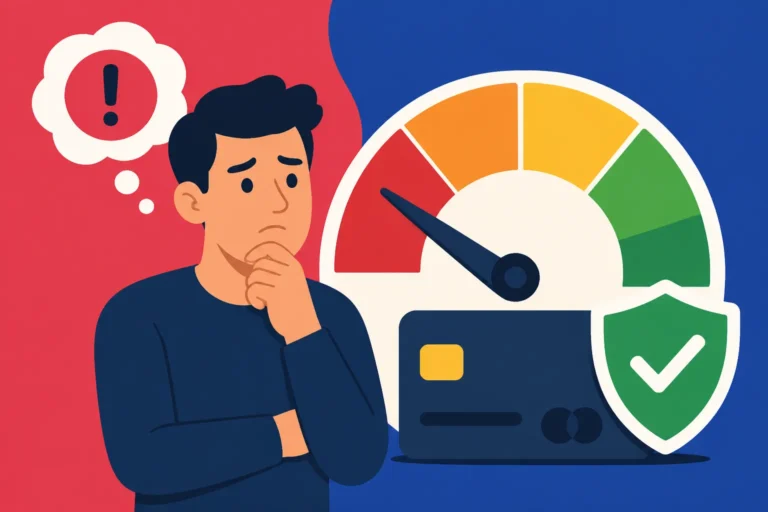
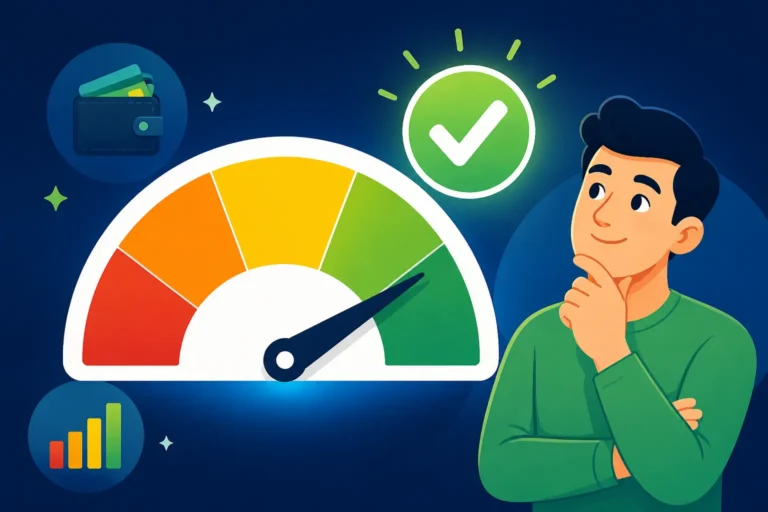
When you look at this, a 740 credit score places you squarely in the "Very Good" category right off the bat. This is a fantastic place to be! It tells lenders that you are a highly responsible borrower with a strong history of managing your financial obligations. It's a score that opens many doors and significantly improves your chances of getting approved for loans and credit cards with favorable terms. If you're wondering what a good credit score generally looks like, checking out our guide on what is a good credit score? (2026 ranges explained) can give you an even broader perspective.
VantageScore Breakdown
VantageScore, a newer model developed by the three major credit bureaus (Equifax, Experian, and TransUnion), also ranges from 300 to 850. While its methodology differs, the categorizations are quite comparable:
- Excellent: 781-850
- Good: 661-780
- Fair: 601-660
- Poor: 500-600
- Very Poor: 300-499
Under the VantageScore model, a 740 credit score still falls comfortably within the "Good" range, nearly tipping into "Excellent." This reinforces the idea that a 740 is a very strong score, indicating low risk to potential lenders. No matter which scoring model a lender uses, a 740 is consistently seen as a desirable score that demonstrates financial reliability and prudent credit management. For a deeper dive into the nuances, you might find our comparison of FICO Score vs VantageScore: What's the Difference? quite insightful.
The Perks and Privileges of a 740 Credit Score
Having a 740 credit score isn't just about bragging rights; it's about real, tangible benefits that can save you thousands of dollars over your lifetime and give you access to premium financial products. This score is a golden ticket in many ways, influencing everything from the interest rate on your mortgage to the security deposit you might pay on an apartment.
Access to Top-Tier Loans and Lower Interest Rates
One of the most significant advantages of a 740 credit score is the ability to secure the best possible interest rates on major loans. Lenders reserve their lowest rates for borrowers they consider least risky, and a 740 score puts you squarely in that preferred group.
- Mortgages: When you're looking to buy a house, even a slight difference in your interest rate can translate into tens of thousands of dollars saved over the life of a 15-year or 30-year mortgage. With a 740 score, you're highly likely to qualify for conventional loans and potentially FHA or VA loans with excellent terms, often receiving rates that are significantly better than someone with a "good" or "fair" score. This can make homeownership much more affordable. What credit score do you need to buy a house? explains this further.
- Auto Loans: Shopping for a new car can be exciting, but high interest rates can quickly make it a burden. A 740 credit score often qualifies you for promotional rates directly from manufacturers or the lowest rates offered by banks and credit unions. This means lower monthly payments and less money paid in interest over the life of the loan.
- Personal Loans: Whether you need to consolidate debt, finance a home improvement project, or cover an unexpected expense, a personal loan with a 740 score will come with highly competitive interest rates. This makes borrowing cheaper and more manageable.
Premium Credit Card Opportunities
A 740 credit score is your entry pass to some of the most exclusive and rewarding credit cards on the market. These aren't just any old cards; they come packed with benefits that can genuinely enhance your financial life.
- High Credit Limits: Lenders are more comfortable extending higher lines of credit to trustworthy borrowers, giving you more financial flexibility and helping to keep your credit utilization low.
- Lucrative Rewards Programs: You'll qualify for cards with generous cashback percentages, valuable travel points, and sign-up bonuses worth hundreds of dollars. Imagine earning free flights or hotel stays just by using your card for everyday purchases!
- Exclusive Perks: Many premium cards offer perks like travel insurance, extended warranties on purchases, airport lounge access, concierge services, and no foreign transaction fees, making them ideal companions for both domestic and international travel.
Favorable Terms for Rent, Insurance, and Utilities
Your credit score influences more than just loans and credit cards. Many other aspects of your daily life are touched by your creditworthiness.
- Renting an Apartment: Landlords frequently check credit scores to assess a prospective tenant's reliability. With a 740 score, you're seen as a low-risk tenant, which can make it easier to get approved for competitive rental properties, potentially avoid large security deposits, and even gain an edge in competitive housing markets.
- Insurance Premiums: In many states, insurance companies use credit-based insurance scores to help determine your rates for auto and home insurance. A higher score often translates to lower premiums, saving you money on essential coverage.
- Utility Services: While not always a deal-breaker, a strong credit score can sometimes help you avoid paying security deposits when setting up new utility accounts like electricity, gas, or internet service. It's another small way your good credit can save you cash upfront.
In essence, a 740 credit score means you've demonstrated a strong ability to manage credit responsibly. This trust from lenders and service providers translates directly into financial advantages and greater peace of mind. If you're just starting your credit journey or have encountered some bumps along the way, remember that tools like Credit Strong can provide a structured path to building a solid credit history, helping you climb toward that 740 milestone.
The Pillars Behind Your 740 Credit Score
Your credit score isn't just a random number; it's a reflection of several key factors that show lenders how you handle financial responsibility. To maintain or even improve your 740 score, it’s crucial to understand these fundamental components. It's like a recipe where each ingredient plays a vital role in the final outcome. To truly grasp the bigger picture, reading our guide on what affects your credit score? The 5 Factors can give you comprehensive insights.
Payment History: The Foundation of Good Credit
This is, without a doubt, the most critical factor, making up about 35% of your FICO Score. Lenders want to know if you pay your bills on time, every time. A 740 score almost certainly means you have an impeccable payment history, with very few, if any, late payments.
- Why it matters: Every single payment you make on credit cards, loans, and even some utility bills, is reported to the credit bureaus. A consistent history of on-time payments signals reliability. Even one late payment can have a noticeable impact, and the further past due it is (30, 60, 90+ days), the more severe the damage.
- Maintaining perfection: The best strategy here is simple: always pay at least the minimum amount due by the due date. Setting up automatic payments for all your accounts is an excellent way to ensure you never miss a deadline. This consistent positive behavior is the bedrock of a strong credit score.
Credit Utilization Ratio: How Much You Owe
Your credit utilization, or the amount of credit you're using compared to your total available credit, accounts for about 30% of your FICO Score. To achieve a 740, you’ve likely kept this ratio quite low.
- The "magic" number: Most experts recommend keeping your overall credit utilization below 30%, but truly excellent scores often see ratios under 10%. For example, if you have a total credit limit of $10,000 across all your cards, ideally you'd want to owe less than $1,000 at any given time.
- Impact on your score: High utilization suggests that you might be over-reliant on credit, which lenders view as a higher risk. Even if you pay your balances in full each month, your credit score can fluctuate if your reported balance to the credit bureaus is high. This is why paying off credit cards before the statement closing date can be a smart move. Our in-depth guide to Credit Utilization: The Complete Guide can shed more light on this vital factor.
Length of Credit History: The Value of Time
The longer you've had credit accounts open and maintained them responsibly, the better. This factor makes up about 15% of your FICO Score. A 740 score often comes with a reasonably long credit history.
- Average age of accounts: Lenders like to see a long history because it provides more data points to assess your long-term financial behavior. The average age of your accounts, as well as the age of your oldest account, both play a role.
- Don't close old accounts: Even if you don't use an old credit card much anymore, keeping it open (especially if it has no annual fee) helps maintain your average account age and your overall available credit, both of which are good for your score.
Credit Mix: Variety is the Spice of Life
Having a healthy mix of different types of credit (e.g., credit cards, installment loans like mortgages or car loans, student loans) demonstrates that you can manage various forms of debt responsibly. This accounts for about 10% of your FICO Score.
- Showing versatility: While not as impactful as payment history or utilization, a diverse credit portfolio shows lenders you're a well-rounded borrower. However, it's crucial not to open new accounts just to diversify; this can backfire with hard inquiries and new account age. Building credit through a combination of methods, like a secured credit card and a credit builder loan from a service like Credit Strong, can be an effective way to establish a positive credit mix over time.
New Credit: Tread Lightly
When you apply for new credit, it typically results in a "hard inquiry" on your credit report, which temporarily dings your score. This factor accounts for about 10% of your FICO Score.
- The impact of inquiries: A few inquiries over a long period are usually fine, but too many in a short time can signal to lenders that you might be in financial distress or taking on too much new debt, making you a higher risk.
- Strategic applications: Be strategic about when and how often you apply for new credit. Only apply for credit you genuinely need, and space out your applications if possible. Remember that checking your own credit score for free doesn't impact it, so regularly monitoring your progress is a smart move.
Sustaining and Elevating Your Excellent Credit Score
Congratulations on achieving a 740 credit score! It's a fantastic accomplishment that shows your dedication to sound financial habits. However, credit scores aren't static; they require ongoing attention to maintain and, if you desire, to push even higher into the "Excellent" or "Exceptional" ranges. Think of it like tending a garden – even after it's beautiful, it still needs regular care to thrive. If you're aiming even higher, our comprehensive guide on how to raise your credit score (step-by-step) offers many actionable strategies.
Consistent On-Time Payments: Never Waver
This can't be stressed enough: your payment history is the bedrock of your 740 score. Any slip-ups here can cause a significant drop.
- Automate Everything: The easiest way to ensure you never miss a payment is to set up automatic payments for all your credit cards, loans, and even utility bills. Most banks and creditors offer this feature. Just make sure the funds are always available in your linked account.
- Calendar Reminders: Even with automation, a secondary reminder can be helpful. Mark payment due dates on your calendar, or set up alerts on your phone. Life happens, and these small safeguards can prevent accidental oversights.
- Review Statements Regularly: Don't just pay and forget. Take a few minutes each month to review your statements. This helps you catch any errors, identify fraudulent charges, and stay on top of your spending.
Master Your Credit Utilization: Stay Lean
Keeping your credit utilization low is a powerful way to maintain your 740 score and potentially boost it further. Remember the golden rule: aim for under 30%, but under 10% is ideal for top scores.
- Pay Down Balances Frequently: Instead of waiting for your statement due date, consider making multiple payments throughout the month, especially if you use your credit cards frequently. This keeps your reported balance to the credit bureaus lower. For example, if your credit limit is $5,000, and you spend $1,000, try to pay $800 of it before your statement closes, leaving only $200 (4% utilization) to be reported.
- Request Credit Limit Increases (Strategically): If you've been a responsible borrower for a while, you can ask your credit card company for a credit limit increase. If approved, this immediately lowers your utilization ratio (assuming your spending doesn't increase). Be cautious, though; only do this if you trust yourself not to spend the extra available credit. A hard inquiry might occur depending on the issuer.
- Avoid Maxing Out Any Card: Even if your overall utilization is low, maxing out a single credit card can negatively impact your score. Lenders prefer to see that you have plenty of available credit on all your accounts.
Monitor Your Credit Reports and Scores
Even with a great score, vigilance is key. Errors can happen, and identity theft is a constant threat.
- Get Your Free Credit Reports: You're entitled to a free copy of your credit report from each of the three major bureaus (Equifax, Experian, and TransUnion) once every 12 months through AnnualCreditReport.com. Make it a habit to review one report every four months to ensure accuracy. This is a crucial step for maintaining an accurate financial picture.
- Utilize Free Credit Monitoring: Many banks and financial apps offer free credit score monitoring services. While these often provide a VantageScore, they can alert you to significant changes in your report, such as new accounts being opened or hard inquiries, which could signal fraudulent activity. Credit Karma or other similar services can be quite helpful here, though remember they usually show VantageScore, not FICO.
- Dispute Errors Promptly: If you find any inaccuracies on your credit report, dispute them immediately with the credit bureau and the creditor. Errors, even small ones, can negatively affect your score. Our guide on how to dispute credit report errors (step-by-step) walks you through the process.
Strategic Credit Management
Even with a 740 score, continuous learning and smart choices can keep you on top.
- Keep Old Accounts Open: As mentioned, the length of your credit history is important. Don't close old credit cards, especially those with no annual fees, as this can shorten your average account age and reduce your total available credit, negatively impacting your utilization.
- Consider a Credit Builder Loan: Even if your credit is already good, some people find value in tools like Credit Strong for diversifying their credit mix with an installment loan and reinforcing positive payment habits. These tools can sometimes help solidify your financial profile even further.
- Limit New Credit Applications: While diversifying your credit mix is generally good, applying for too many new accounts in a short period can lead to multiple hard inquiries and lower your average account age. Be mindful of when and why you apply for new credit.
By following these strategies, you can confidently maintain your excellent 740 credit score and potentially see it climb even higher, unlocking even more significant financial opportunities.
What a 740 Credit Score Means for Your Future
| Loan Type | Typical Interest Rate (740+ Score) | Typical Interest Rate (670-739 Score) | Potential Savings (Over Time) |
|---|---|---|---|
| 30-Year Fixed Mortgage | 6.50% – 7.00% | 7.00% – 7.50% | Tens of Thousands of Dollars |
| 5-Year Auto Loan | 5.00% – 6.00% | 6.50% – 8.00% | Hundreds to Thousands of Dollars |
| Personal Loan | 8.00% – 12.00% | 13.00% – 20.00% | Hundreds to Thousands of Dollars |
| Credit Card APR | 18.00% – 22.00% | 23.00% – 29.00% | Significant (avoid interest if possible) |
Note: These are illustrative ranges and actual rates vary based on market conditions, lender, and specific borrower profile.
As you can see from the table above, a 740 credit score truly puts you in an advantageous position across a spectrum of financial products. The difference in interest rates, even a small percentage point, compounds over time into substantial savings. Whether you're planning a major purchase like a home or a car, or simply want access to the best credit card rewards, your 740 score acts as a powerful financial asset. Keep up the excellent work in managing your credit!
Disclaimer
The information provided in this article is for general informational purposes only and does not constitute financial, legal, or credit advice. Credit scores and lending terms are subject to change and depend on individual circumstances. Always consult with a qualified financial professional for advice tailored to your specific situation.