How to Handle a Debt That Isn’t Yours
Identity theft, mixed files, and clerical errors create false debts on credit reports, requiring specific steps to remove them.
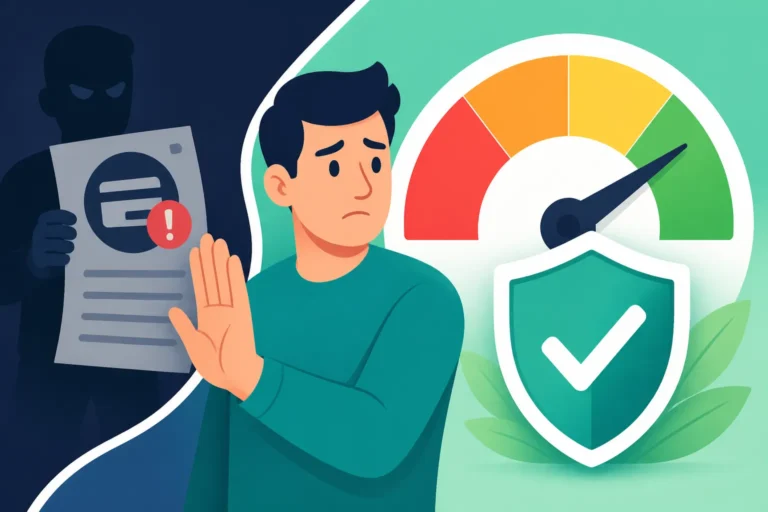
Identity theft, mixed files, and clerical errors create false debts on credit reports, requiring specific steps to remove them.
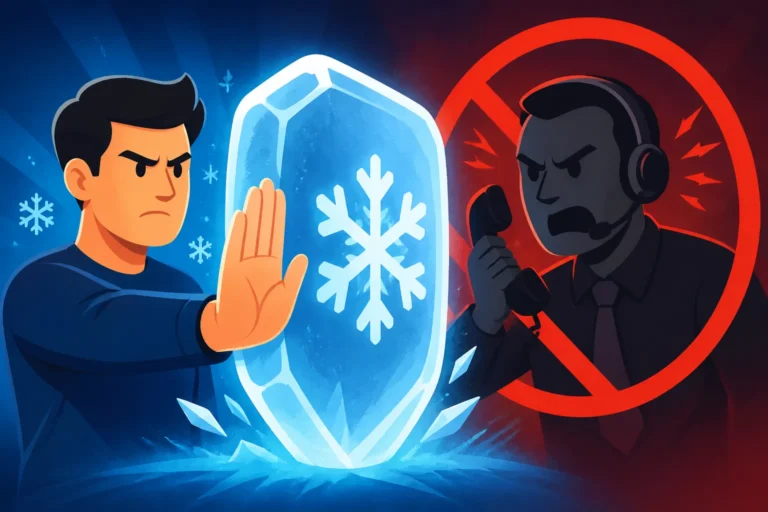
A cease and desist letter stops third-party debt collectors from contacting you under the Fair Debt Collection Practices Act.

Federal student loan default removal strategies explain how borrowers fix credit reports after missing payments for 270 days.
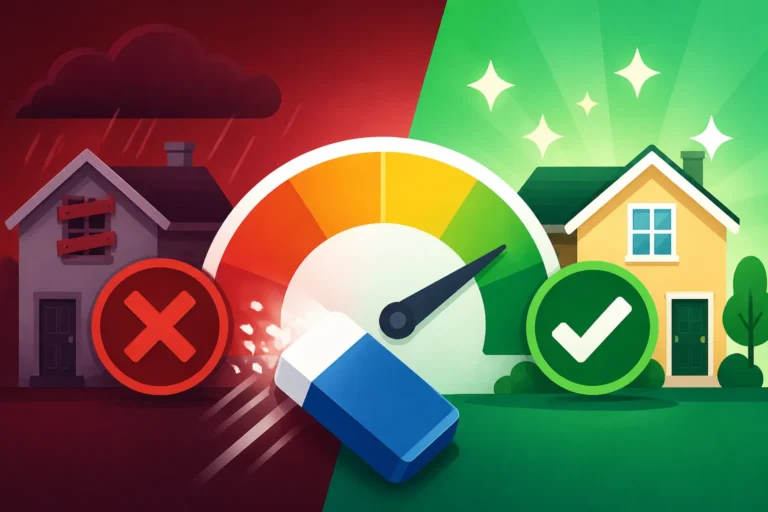
Eviction marks on credit reports explain collection accounts and public records, detailing how to remove them and repair credit.
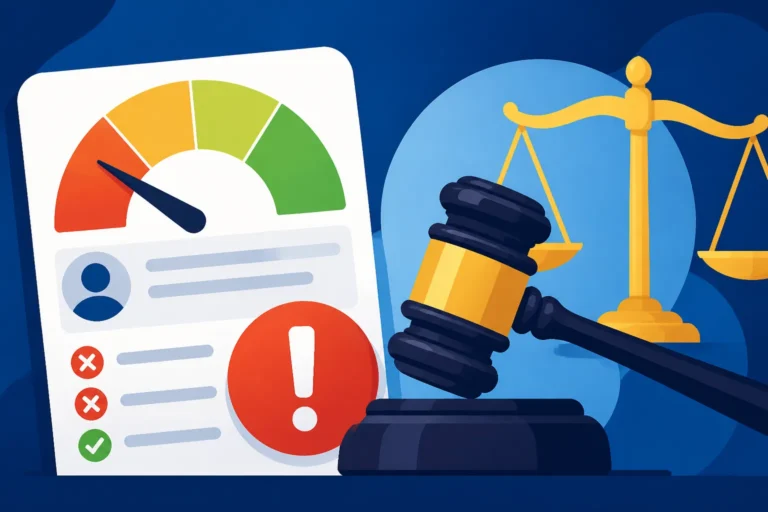
Suing credit bureaus for unresolved report errors requires following formal dispute rules under the Fair Credit Reporting Act.

A formal written offer to a collection agency proposes paying all or part of a debt in exchange for deleting the negative entry, a strategic barter with limits.

Credit card debt settlement reporting details and negative impacts on FICO scores and Equifax, Experian, and TransUnion reports.
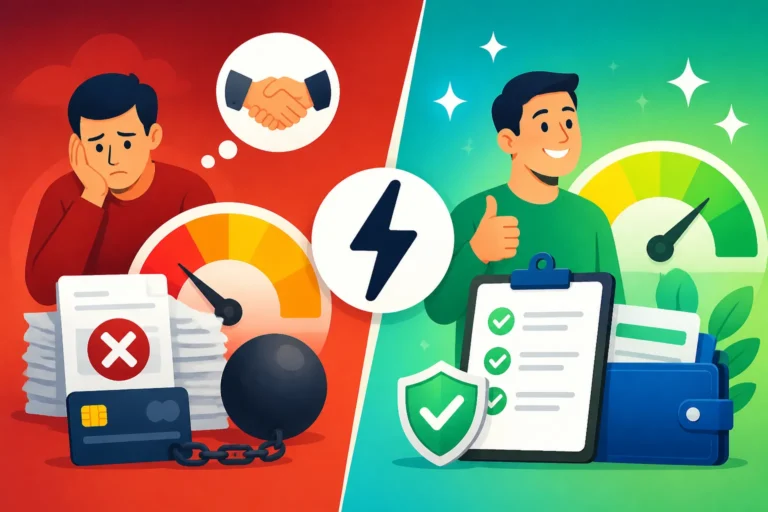
Debt settlement negotiates paying a lower amount to unsecured creditors, while credit repair addresses negative report items.
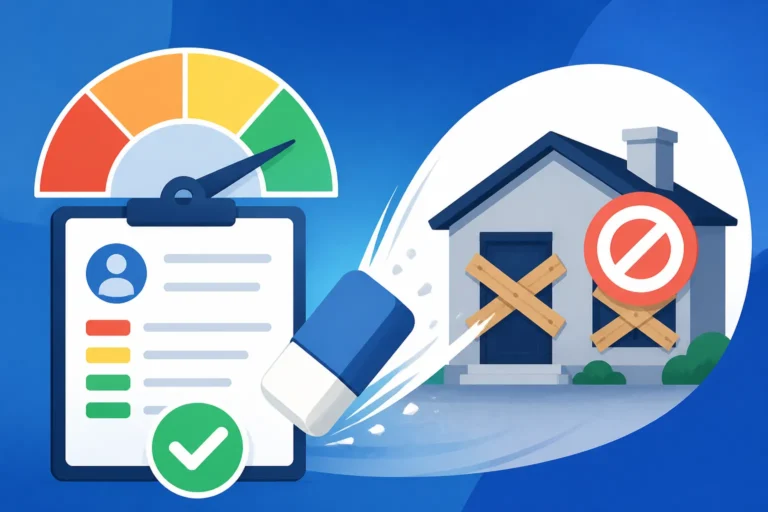
Foreclosure removal from credit reports, including steps to fight errors or manage legitimate records staying for seven years.

Credit repair companies legally dispute inaccurate information and follow federal and state laws regarding service fees.