Why Did My Credit Score Drop After Checking Your Own Score?
Soft inquiries from checking your own credit score cause no damage, while hard inquiries from new applications lower scores.
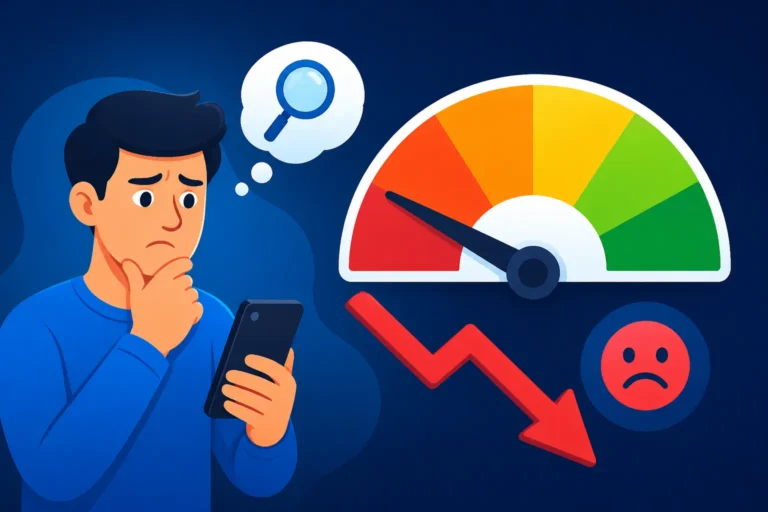
Soft inquiries from checking your own credit score cause no damage, while hard inquiries from new applications lower scores.
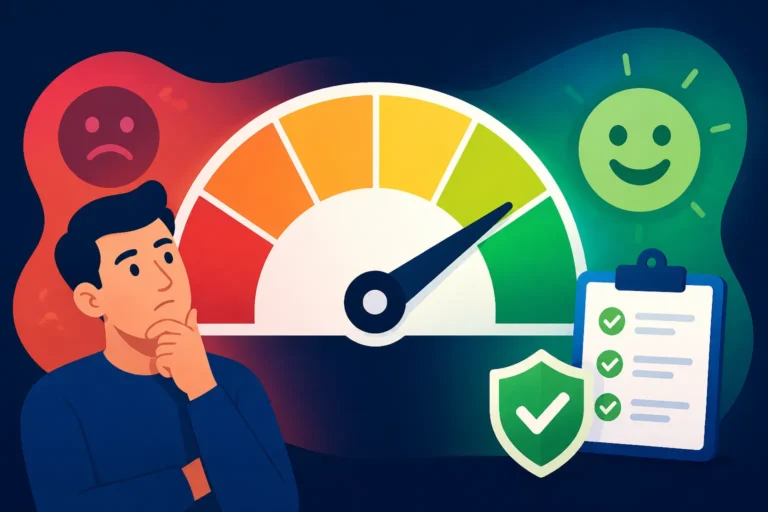
A 620 credit score falls into the fair range for FICO models, indicating moderate risk and higher interest rates for borrowers.

A 600 credit score qualifies buyers for an FHA loan requiring a 3.5 percent down payment, despite higher interest rates and mortgage insurance.
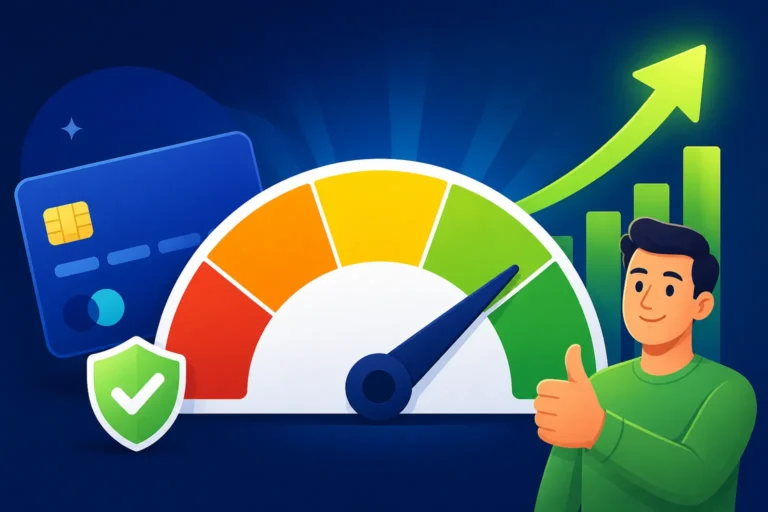
Raising your credit score from 680 to 720 unlocks lower mortgage interest rates and thousands of dollars in savings over time.
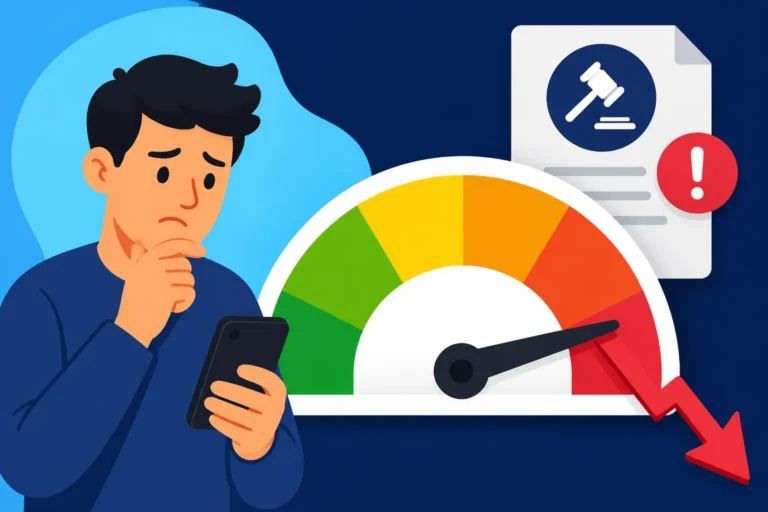
A collection account from Equifax, Experian, or TransUnion causes a credit score drop and signals high financial risk to lenders.
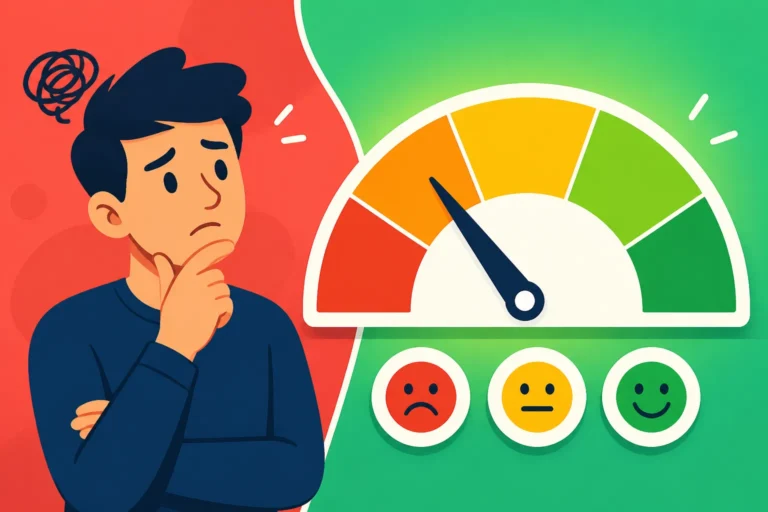
A 600 credit score falls into the fair range between 580 and 669, resulting in higher interest rates from lenders.

Homeownership with a 580 credit score, available FHA loan options, and qualifying for a 3.5 percent down payment are explained.

Raising a 550 credit score to 650 involves checking Equifax, Experian, and TransUnion reports and disputing credit errors.
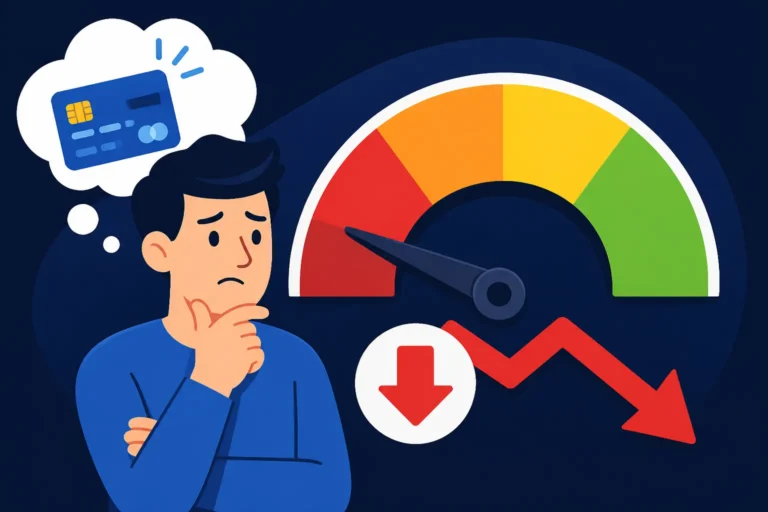
New credit cards cause initial credit score drops because hard inquiries lower points and new accounts reduce average account age.
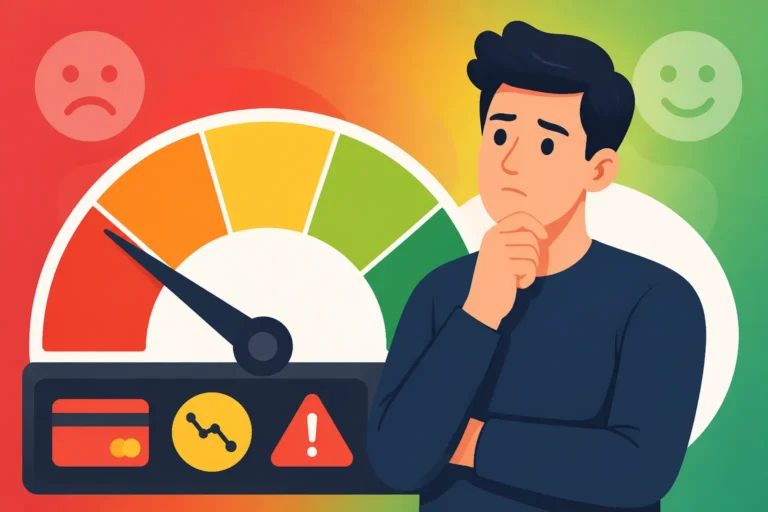
A credit score of 580 falls into the fair or poor range and triggers higher interest rates or loan denials from lenders.