How to Pay Off Credit Card Debt Before Buying a House
Dreaming of owning a home is a wonderful goal, but for many, stubborn credit card debt can feel like a massive roadblock, making that dream seem impossible. The reality is, lenders scrutinize your financial health, and high credit card balances can significantly impact your ability to qualify for a good mortgage. This comprehensive guide will walk you through practical, step-by-step strategies to tackle that debt head-on, improving your financial standing and paving the way to homeownership.
Why Credit Card Debt Is a Major Hurdle for Homebuyers
It's easy to dismiss credit card debt as "just part of life," but when you're preparing to make the biggest purchase of your life – a home – those monthly minimums and high balances take on a whole new meaning. Lenders don't just look at your income; they want to see a full picture of your financial responsibility and your ability to manage new, substantial debt. Credit card debt impacts two crucial areas: your credit score and your debt-to-income ratio.
Impact on Your Credit Score
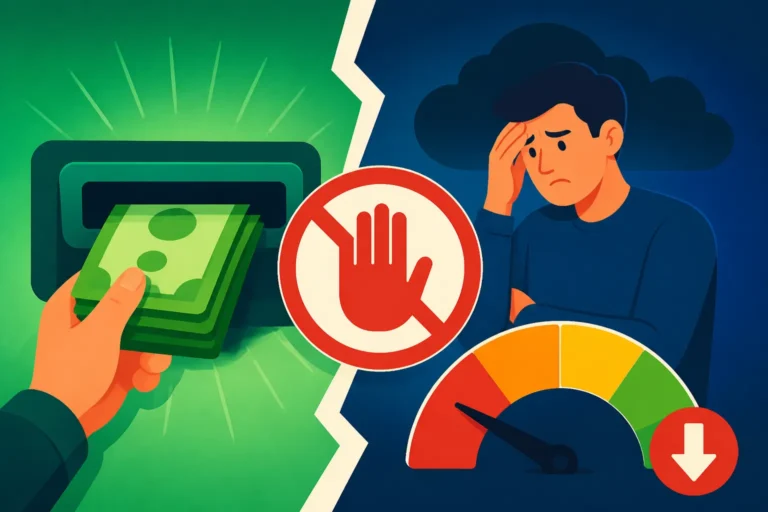
Your credit score is often the first thing a mortgage lender will look at. It's a quick snapshot of your financial reliability. When you carry high credit card balances, it directly harms one of the most significant factors in your score: your credit utilization ratio. This ratio looks at how much credit you're using compared to your total available credit. If you have a credit card with a $5,000 limit and a $4,000 balance, your utilization for that card is 80% – that's quite high. Most experts recommend keeping your overall credit utilization below 30%, and ideally even lower, like under 10%, to maintain an excellent score. When this ratio is high, your credit score takes a hit because it signals to lenders that you might be over-reliant on credit, which can be seen as a risk.
A lower credit score means that even if you qualify for a mortgage, you'll likely be offered a higher interest rate. Over the 15 or 30-year life of a mortgage, even a half-percentage point higher interest rate can translate to tens of thousands of dollars in extra payments. Think about it: a seemingly small difference in your monthly payment due to interest adds up massively over time. This makes paying off your credit card debt not just about improving your chances of approval, but about saving a substantial amount of money in the long run. If you're curious about how this crucial factor works, take a deep dive into our guide on Credit Utilization: The Complete Guide.
Affecting Your Debt-to-Income DTI Ratio
Beyond your credit score, mortgage lenders are extremely concerned with your debt-to-income (DTI) ratio. This is a critical metric that helps them assess your ability to manage monthly payments and repay a loan. Your DTI is calculated by dividing your total monthly debt payments by your gross monthly income (before taxes). Lenders typically look for a DTI of 43% or lower for conventional loans, and sometimes even higher for FHA loans, but generally, the lower your DTI, the better your chances of approval and securing favorable terms.
Here's how credit card debt plays a big role: even if you only make the minimum payments on your credit cards, those minimums are counted as part of your total monthly debt when calculating your DTI. For example, if you have $15,000 in credit card debt with an average minimum payment of 2% of the balance, that's $300 a month added to your debt obligations. If your gross monthly income is $5,000, that $300 alone accounts for 6% of your DTI before you even factor in a car loan, student loans, or the potential new mortgage payment. If you're teetering on the edge of a lender's acceptable DTI, those credit card minimums can be the deciding factor that pushes you out of contention. Understanding this ratio is paramount; learn more about Debt-to-Income Ratio: What It Is and Why It Matters.
Strategic Approaches to Eliminate Credit Card Debt
The good news is that credit card debt, while formidable, is not unbeatable. With a clear plan and consistent effort, you absolutely can pay it down and improve your standing for a home loan. It starts with understanding exactly what you're up against and then choosing the right strategy for your personal situation.
Understanding Your Debt Landscape
Before you can tackle your debt, you need to know every single detail about it. This means making a comprehensive list of all your credit cards, personal loans, or any other unsecured debt. For each debt, write down:
- The Creditor Name: Who you owe money to (e.g., Chase, Capital One, Wells Fargo, Discover).
- Current Balance: The total amount you currently owe.
- Interest Rate (APR): This is crucial. Some cards might have 15% APR, others might be closer to 25% or even 30%. Knowing this helps prioritize.
- Minimum Monthly Payment: The lowest amount you have to pay each month to keep the account in good standing.
- Due Date: Keep track to avoid late payments.
Organizing this information, perhaps in a simple spreadsheet or even on a piece of paper, helps you visualize the challenge and makes it less overwhelming. It's like planning a road trip – you need to know your starting point and destination before you can map out the best route. For a more exhaustive approach to tackling all your consumer debt, check out our guide on How to Get Out of Credit Card Debt Step-by-Step.
Choosing a Debt Repayment Method
Once you have a clear picture of your debts, it's time to choose a repayment strategy. Two popular methods are the Debt Avalanche and the Debt Snowball, but there are other options too.
Debt Avalanche Method: This strategy focuses on paying off debts with the highest interest rates first. You make minimum payments on all your debts except for the one with the highest APR. On that specific debt, you throw every extra dollar you can find until it's paid off. Once that debt is gone, you take the money you were paying on it (minimum payment + extra funds) and apply it to the debt with the next highest interest rate. This method is mathematically the most efficient way to pay off debt because it minimizes the total interest you pay over time. For someone laser-focused on saving money, this is often the best choice.
Debt Snowball Method: This approach prioritizes psychological wins. Instead of interest rates, you focus on paying off the debt with the smallest balance first, regardless of its interest rate. You make minimum payments on all other debts and funnel all extra money toward the smallest debt. Once that tiny debt is paid off, you take its minimum payment and roll it into the next smallest debt, creating a "snowball" effect. The satisfaction of quickly eliminating a debt can be incredibly motivating and keep you on track. While it might cost a bit more in interest in the long run, the boost to your morale can be invaluable. We have an in-depth comparison to help you decide which is best for you: Debt Snowball vs Debt Avalanche: Which Is Better?.
Balance Transfer Cards: If you have good credit, you might qualify for a balance transfer credit card with a 0% introductory APR for a period (e.g., 12-18 months). This allows you to move high-interest debt from existing cards to the new card and pay it down without accumulating new interest during the promotional period. Be aware that most balance transfers come with a fee (typically 3-5% of the transferred amount), and you must pay off the transferred balance before the 0% APR period ends, or you'll be hit with the regular, often high, interest rate. This strategy requires discipline, but it can be a powerful tool to quickly reduce the cost of your debt.
Debt Consolidation Loans: For those with multiple credit card debts, a personal loan to consolidate them into one fixed monthly payment can be appealing. If you can secure a personal loan with a lower interest rate than your credit cards, it can simplify your payments and potentially save you money on interest. However, getting a low-interest personal loan usually requires a decent credit score, and it doesn't solve underlying spending habits.
Remember to consider the specifics of your existing debt, especially the interest rates. Our guide on Credit Card APR and Interest Explained can help you understand how much those rates are truly costing you.
Boosting Your Income and Cutting Expenses
To accelerate your debt repayment, you need to create a significant surplus in your budget. This usually involves a two-pronged approach: increasing your income and aggressively cutting expenses.
Increasing Your Income:
- Side Hustles: Consider temporary gigs or side jobs. Driving for a rideshare company, delivering food, freelancing, dog walking, or selling crafts online can bring in extra cash quickly. Platforms like Uber Eats, DoorDash, Etsy, or Fiverr offer flexible options.
- Selling Unused Items: Look around your home. Do you have electronics, furniture, clothes, or collectibles you no longer need? Selling them on Facebook Marketplace, eBay, or local consignment shops can provide a quick influx of cash that goes directly toward your debt.
- Temporary Work: If your main job offers overtime, take it. Or explore temporary contract work in your field.
Cutting Expenses Aggressively: This is where many people struggle, but it's essential for rapid debt reduction.
- Budget Audit: Go through your last three months of bank statements and credit card bills. Categorize every single expense. You'll likely find "leaks" in your spending.
- Distinguish Needs vs. Wants: Be brutal. Do you need that daily latte, or is it a want? Do you need every streaming service, or can you pause some for a few months? Every dollar saved is a dollar that can go to debt.
- Meal Planning and Eating Out Less: Food is a huge expense for many. Planning meals, cooking at home, and packing lunches can save hundreds of dollars a month.
- Review Subscriptions: Cancel anything you don't absolutely need or use frequently.
- Negotiate Bills: Call your internet, cable, and even insurance providers to see if you can get a better rate. Sometimes just asking is enough.
The goal here isn't to live like a monk forever, but to create a temporary, intense period of financial austerity. Every extra dollar freed up and applied to your credit card debt means you get closer to your homeownership goal faster. For even more ways to accelerate your debt payoff, check out How to Pay Off Credit Card Debt Fast.
Strengthening Your Credit Profile Beyond Debt Repayment
While paying down your credit card debt is a huge step, building an overall strong credit profile involves more than just getting to zero. You need to demonstrate consistent, responsible credit management to mortgage lenders.
Maintaining Low Credit Utilization
Once you've paid off your credit card balances, the next crucial step is to keep them low. As mentioned, credit utilization is a major factor in your score. Even if you pay your bill in full every month, your credit report usually reflects the balance on your statement closing date. If you spend $1,500 on a card with a $2,000 limit and pay it all off, but your statement closes with that $1,500 balance, your credit report will show a 75% utilization for that month.
To counteract this, consider paying your credit card balances down before your statement closing date. Aim to report a very low balance, ideally under 10% of your limit, or even 1-2% for optimal scoring. This strategy ensures that when lenders pull your credit report, they see very low utilization, which boosts your score. This isn't about avoiding interest (if you pay in full, you already do), but about strategically influencing the credit bureaus' snapshot of your credit health.
The Power of Payment History
Your payment history is the single most important factor in your credit score, accounting for 35% of your FICO score. Lenders want to see a long, unbroken record of on-time payments. A single late payment can drop your score significantly and stay on your report for up to seven years.
- Always Pay On Time: This sounds obvious, but life happens. Set up automatic payments for at least the minimum amount on all your credit accounts to ensure you never miss a due date. You can always make additional manual payments if you're working on a debt avalanche or snowball.
- What to Do About Past Late Payments: If you have a legitimate late payment on your report, it's not the end of the world, but it does hurt. You might be able to get a one-time late payment removed from your report by writing a goodwill letter to the creditor. This is more likely to work if you have an otherwise stellar payment history with them. Our guide on What Is a Goodwill Letter and Does It Work? provides more details.
Consider Credit-Building Tools Carefully
For some individuals, especially those with a limited credit history or those who had to close all their cards, strategically adding a credit-building tool can be beneficial. While the primary focus is paying off existing debt, ensuring you have a healthy mix of credit accounts and consistent on-time payments is vital.
A credit builder loan, like those offered by Credit Strong, can be a great option. With a Credit Strong account, you make small, regular payments into a savings account, and those payments are reported to the credit bureaus as a loan. You don't get access to the funds until the "loan" is paid off, essentially forcing you to save while building a positive payment history and diversifying your credit mix. It’s a disciplined way to show lenders you can handle installment debt. This can be especially useful if your credit file is "thin" (meaning you don't have many active accounts) after paying off all your credit cards. You can learn more about this in our guide on How to Build Credit With a Credit Builder Loan.
Secured credit cards are another option if you're struggling to get approved for traditional credit. They require a cash deposit, which acts as your credit limit, making them less risky for lenders. Used responsibly, they can help you build positive payment history and utilization. The key is to use them sparingly, pay them in full, and keep utilization low. Overall, these tools contribute to raising your credit score by demonstrating responsible financial behavior.
Navigating the Mortgage Application Process with Confidence
Once you've diligently worked to pay down your credit card debt and improve your credit profile, you'll be in a much stronger position to apply for a mortgage. However, there are still crucial steps to take during the home-buying journey to ensure your hard work pays off.
Pre-Approval and Lender Expectations
Getting pre-approved for a mortgage should be one of your first steps once your finances are in order. A pre-approval letter tells real estate agents and sellers that you're a serious, qualified buyer. However, it's important to understand that pre-approval is not a guarantee of the final loan. Lenders will do a deep dive into your finances, including pulling your credit report and verifying your income and assets.
Crucially, once you're in the home-buying process, do not open new credit lines, make large purchases on your existing credit cards, or take out new loans. Lenders consider rapid changes to your credit profile a red flag. For instance, if you get pre-approved and then immediately open a new credit card for home furnishings, it could change your DTI ratio and even result in a lower final loan amount or a denial. Maintain financial stability throughout this period. They want to see a consistent, reliable financial picture. Lenders will pull your credit again right before closing, so any new debt will show up.
Monitoring Your Credit Report Regularly
Before, during, and even after your home buying journey, it's absolutely vital to regularly monitor your credit report. You have the right to a free credit report from each of the three major credit bureaus – Equifax, Experian, and TransUnion – once a year via AnnualCreditReport.com. However, many credit monitoring services allow for more frequent checks.
What are you looking for?
- Errors: Incorrect account balances, accounts you don't recognize, or duplicate entries can negatively impact your score. It's shockingly common to find errors, and resolving them can boost your score. Our guide on How to Read Your Credit Report (2026 Guide) will walk you through what to look for.
- Identity Theft: New accounts opened fraudulently can devastate your credit. Catching these early is critical.
- Updates: Ensure that your credit card balances are reflecting the lower amounts you've achieved.
If you find any inaccuracies, dispute them immediately with the credit bureau. This process can take some time, so don't wait until the last minute before applying for a mortgage. A clean, accurate credit report is essential for a smooth loan application process. We also offer detailed instructions on How to Dispute Credit Report Errors Step-by-Step.
Important Considerations for Maintaining Financial Health
Even after you've successfully paid off your credit card debt and secured your mortgage, the journey to long-term financial health continues. The discipline you developed to eliminate debt should be carried forward to maintain a strong financial foundation.
Establishing an Emergency Fund
One of the best ways to prevent future reliance on credit cards is to build a robust emergency fund. This fund should ideally cover 3-6 months of essential living expenses. Life is unpredictable – job loss, unexpected medical bills, or major home repairs can arise. Having an emergency fund means you won't have to turn to high-interest credit cards when these situations occur, protecting your newly improved credit profile and allowing you to focus on your mortgage payments. Start small, even if it's just $50 a month, and gradually build it up.
Responsible Credit Card Use Going Forward
Having paid off your credit card debt, you've likely learned valuable lessons about responsible credit use. Moving forward, try to adopt a "pay in full" mentality. Use your credit cards for convenience and rewards, but treat them like debit cards – only charge what you know you can afford to pay off entirely by the due date. This way, you avoid interest charges altogether and keep your credit utilization consistently low, which is excellent for your credit score. If you find yourself slipping, revisit the budgeting and debt repayment strategies that got you to this point.
Consider the role of various financial products in your overall credit mix. While building a diverse credit profile with different types of loans can be beneficial, it's always about responsible management. A mix of revolving credit (like credit cards) and installment credit (like a mortgage or a Credit Strong loan) shows lenders you can handle different types of debt, but only if you manage them well. The goal is always to demonstrate stability and reliability.
Long-Term Financial Planning
Buying a house is a significant financial milestone, but it's part of a larger financial picture. Continue to set financial goals beyond homeownership. This might include saving for retirement, your children's education, or future investments. Regularly review your budget, track your spending, and make adjustments as your life circumstances change. The habits you built to pay off your credit card debt before buying a house will serve you well for many years to come, ensuring financial peace of mind and the ability to achieve even bigger dreams.
Comparison of Debt Repayment Strategies
Here's a quick look at the popular strategies for tackling credit card debt, keeping in mind your ultimate goal of homeownership.
| Strategy | Description | Pros | Cons | Best For |
|---|---|---|---|---|
| Debt Avalanche | Focus on highest interest rate debt first. | Saves the most money on interest; mathematically efficient. | Can be demotivating initially if highest balance is large. | Disciplined individuals; those with very high-interest debt. |
| Debt Snowball | Focus on smallest balance debt first. | Provides quick wins and psychological momentum; highly motivating. | May cost more in interest over time compared to the avalanche. | Those needing motivation and quick progress to stay on track. |
| Balance Transfer Card | Move high-interest debt to a new card with a 0% introductory APR. | Eliminates interest during the promo period, allowing faster payoff. | Requires good credit; often has a transfer fee (3-5%); intro APR expires. | Disciplined individuals who can pay off the transferred balance before the intro APR expires. |
| Debt Consolidation Loan | Take out a new loan to pay off multiple credit card debts. | Simplifies payments to one; potentially lower overall interest rate. | Requires good credit for best rates; doesn't fix spending habits. | Those with multiple debts who prefer a single, fixed payment. |
Disclaimer
This article is for general informational purposes only and does not constitute professional advice. Laws, prices and regulations vary by location and change over time. Consult a qualified professional for guidance on your specific situation.