Does Leaving a Small Balance Help Your Score?
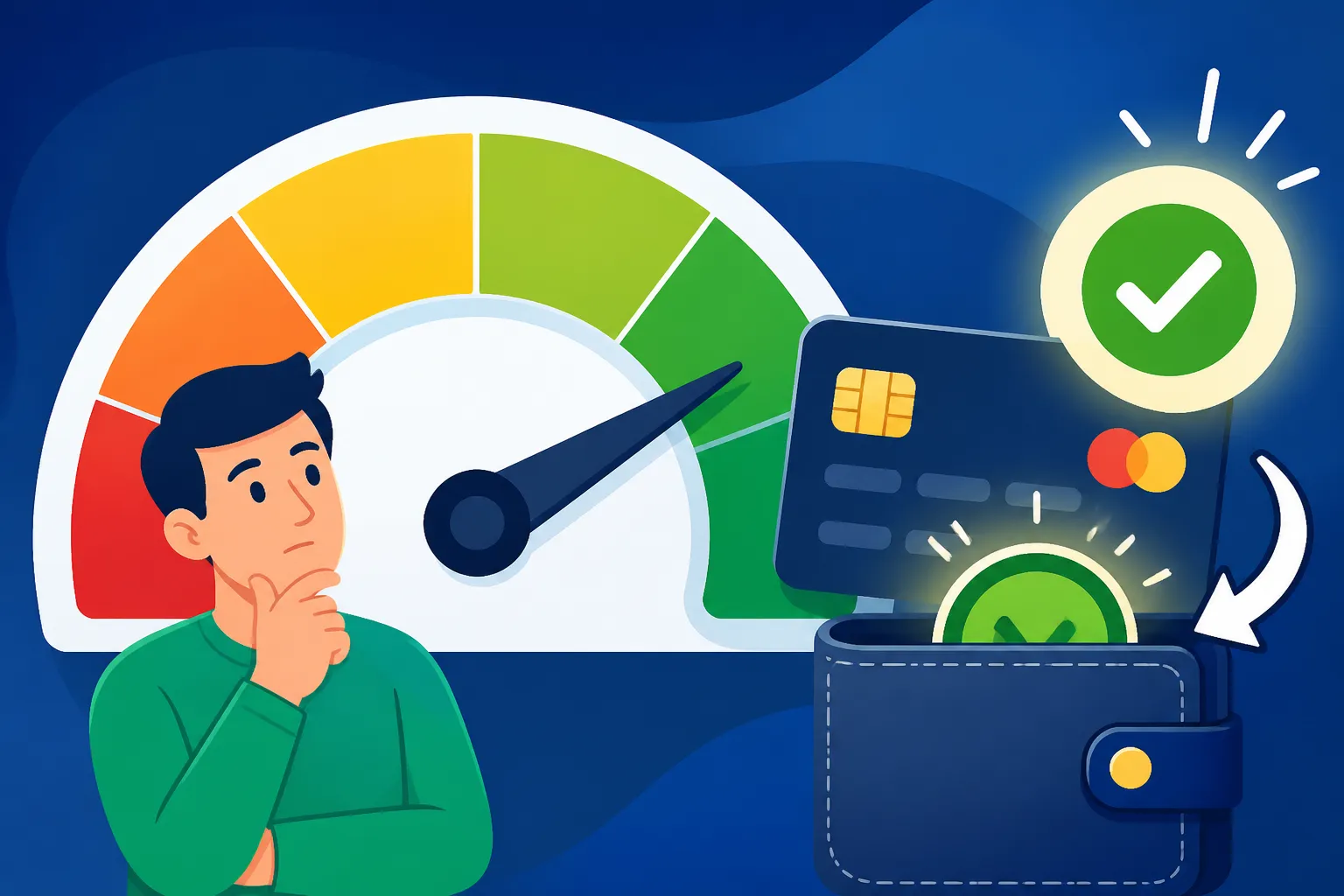
It's a question that’s probably crossed your mind, especially if you're trying to carefully manage your credit: does leaving a tiny balance on your credit card actually help your credit score? It sounds counterintuitive, right? This guide will cut through the noise and explain the truth about credit card balances, utilization, and how to genuinely boost your score without falling for common misconceptions.
The Persistent Myth of the "Small Balance"
For years, a persistent piece of credit advice has floated around, suggesting that leaving a small balance on your credit card, rather than paying it off completely, somehow signals to the credit bureaus that you're an active and responsible user. The theory goes that by always carrying some debt, even a little, you demonstrate your ability to manage credit, and this, in turn, helps your score. Many people have tried to follow this advice, often leading to unnecessary interest payments or a plateau in their credit-building efforts.
Unpacking the "Active Account" Misconception
The idea behind leaving a small balance often stems from a misunderstanding of how credit scoring models, like FICO and VantageScore, truly interpret your credit activity. While it's absolutely true that using your credit accounts regularly is a good thing – a completely dormant account might not contribute as positively – carrying a balance isn't the key. What the credit bureaus really want to see is responsible use, and that primarily means making payments on time and keeping your credit utilization low.
Think about it from a lender's perspective. They want to lend money to people who pay it back reliably. If you consistently pay off your balance in full, that shows excellent financial discipline. It demonstrates that you can use credit as a tool, not as an extension of your income. The myth of the "active account" often conflates using the card with carrying a balance. You can be an active user by simply swiping your card for everyday purchases and then paying that amount off before the due date. The bureaus see the activity and the perfect payment history – no balance carried, no interest paid – which is the ideal scenario.
How Credit Utilization Really Works
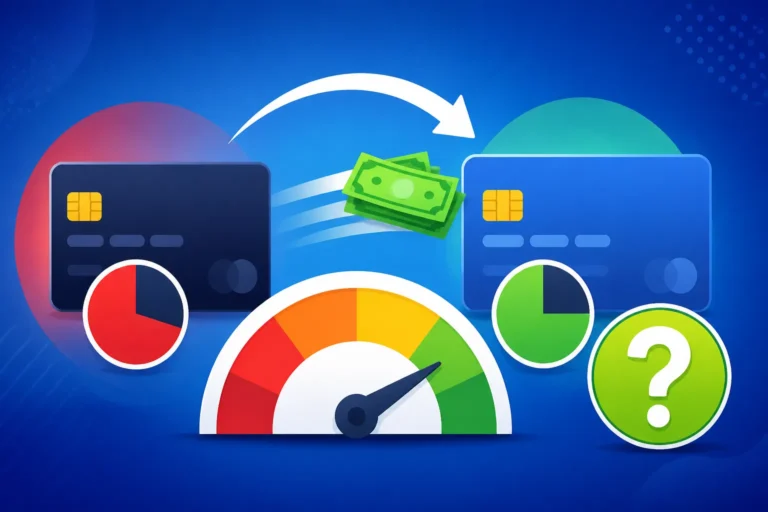
The core of this issue lies in understanding "credit utilization." This is one of the most significant factors in your credit score, typically accounting for about 30% of your FICO score. It's calculated by taking the total amount of credit you're currently using (your outstanding balances) and dividing it by your total available credit limit. So, if you have a credit card with a $1,000 limit and a $100 balance, your utilization is 10%. If you pay that $100 off entirely, your utilization drops to 0%.
The lower your credit utilization, the better it is for your score. Lenders view low utilization as a sign that you're not over-reliant on credit and aren't stretched thin financially. The general rule of thumb that you often hear is to keep your overall credit utilization below 30%, but honestly, aiming for under 10% is even better, and 0% is often the sweet spot for maximizing your score. Leaving even a small balance means your utilization is not 0%, and while a tiny balance might result in very low utilization, it's still not as optimal as a zero balance.
The Impact of Credit Utilization on Your Score
Credit utilization is a powerful lever in your credit score, acting almost like a pendulum. High utilization can quickly drag your score down, while low utilization can help it swing upwards. It’s one of the few credit factors that can change relatively quickly month to month, which is why managing it strategically is so important.
The Golden Rule: Keeping Utilization Low
When we talk about keeping utilization low, we're not just throwing out an arbitrary number. Credit scoring models are designed to reward prudent credit management. A low utilization rate suggests that you have plenty of available credit but aren't feeling the need to use it. This indicates financial stability and a lower risk profile to potential lenders. For many years, the advice has been to keep your utilization under 30% of your total available credit. However, to truly optimize your score and aim for the "excellent" ranges, many experts now recommend keeping it under 10%. Some even advocate for maintaining a 1% utilization on one card to show activity, but even this isn't strictly necessary and can be confusing. The best practice for most people aiming for a top-tier score is to pay off balances in full.
Imagine you have a total of $10,000 in credit limits across all your cards. If you carry a $2,900 balance, your utilization is 29%, which is generally considered good. But if you only carry a $900 balance, your utilization is 9%, which is excellent. The difference in points can be significant. This also applies to individual cards; while overall utilization is key, high utilization on a single card can also negatively impact your score. You can dive deeper into this topic by exploring articles like How Much Does Credit Utilization Affect Your Score?.
The Difference Between Statement and Due Date Balances
This is where a lot of confusion crops up, and it's absolutely crucial for understanding how to manage your balances effectively. Your credit card company reports your balance to the credit bureaus, usually once a month, on a specific "reporting date." This date is often, but not always, the same as your statement closing date. The balance they report is the one that appears on your credit report and is used to calculate your credit utilization.
Your payment due date, however, is typically several weeks after your statement closing date. You might pay off your card in full by the due date, avoiding interest, but if your statement closing date passed with a balance, that's the balance that likely got reported. So, while you might feel like you've paid everything off, the bureaus might have seen a balance if you didn't zero it out before the statement closing date. This distinction is vital. For optimal credit building, you want to ensure that the balance reported to the bureaus is as low as possible – ideally zero. Understanding When Does a Credit Card Report to the Bureaus? can help you time your payments perfectly.
The Dangers of Even a Small Balance Accruing Interest
Beyond the credit score implications, there’s a very practical and often overlooked danger of leaving even a small balance: interest. Credit card interest rates can be notoriously high, often in the double digits. Even a "small" balance can quickly snowball if you're not careful. If you leave $50 on your card and don't pay it off, that $50 starts accruing interest immediately if you don't have a grace period (or if you've already lost your grace period by carrying a balance in a previous month). Over time, these small interest charges add up, costing you money for absolutely no credit score benefit.
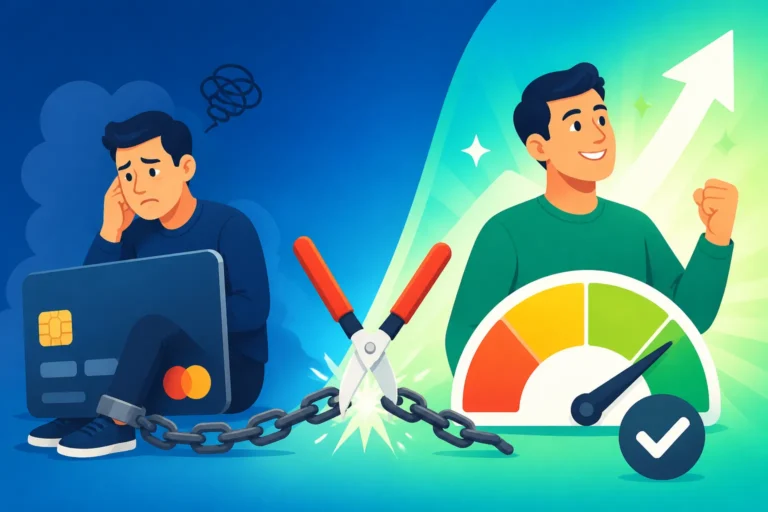
The goal of using credit cards should be to leverage them for convenience and rewards, while paying zero interest. Every dollar you pay in interest is a dollar you're not saving, investing, or using for something that truly benefits you. It’s money simply going to the credit card company. This is why the advice to "always pay in full" is so foundational to sound financial health, regardless of credit score myths.
Optimal Strategies for Credit Card Usage
If leaving a small balance isn't the way to go, what are the best strategies for using your credit cards to improve your score? It boils down to a few key principles that emphasize responsible behavior and smart timing.
Paying in Full is Always Best
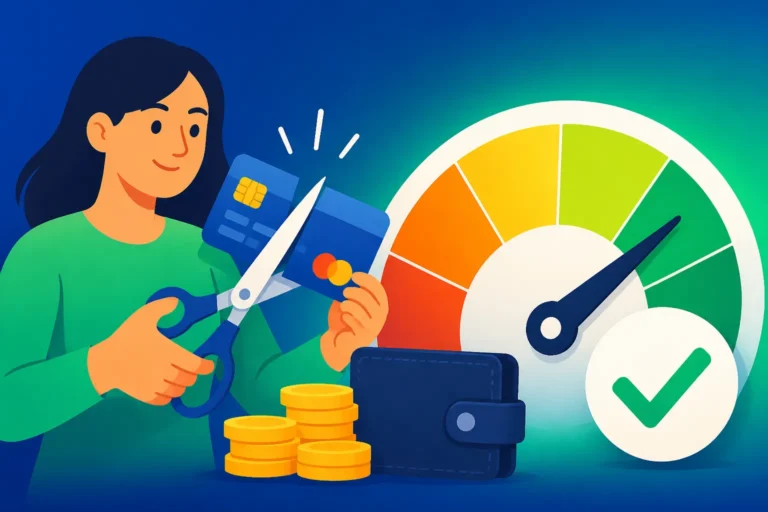
Let's reiterate: for both your credit score and your financial well-being, paying your credit card balance in full every single month is the absolute best strategy. When you pay in full, you achieve 0% credit utilization for that statement cycle (assuming you pay before the reporting date). This shows the credit bureaus that you are an excellent credit risk – you use credit, but you don't need it, and you're perfectly capable of managing your finances without accruing debt.
Not only does this lead to the best possible credit utilization, but it also means you avoid paying a single cent in interest. This saves you money, which you can then put towards other financial goals, like an emergency fund, investments, or paying down other higher-interest debts. If you find yourself struggling to pay in full, resources like How to Pay Off Credit Card Debt Fast can provide structured approaches to get back on track.
Understanding Your Reporting Date
As mentioned earlier, the statement closing date (or reporting date) is critical. To ensure a low or zero balance is reported to the credit bureaus, you need to pay off your balance before this date. This takes a little proactive effort but can make a significant difference. Most credit card companies allow you to see your statement closing date in your online account. Mark it on your calendar or set up alerts.
For example, if your statement closes on the 15th of the month, you should aim to pay off any purchases made during that cycle by the 14th. This ensures that when the card issuer reports your balance to Equifax, Experian, and TransUnion, it shows a minimal or zero amount. This strategy allows you to use your card actively throughout the month, reaping any rewards or benefits, but still present a pristine picture to the credit bureaus. Many people benefit from paying their cards multiple times a month, especially if they have higher spending, to keep reported balances low. This proactive approach directly counters the myth of needing to carry a balance.
Leveraging Credit Builder Tools
If you’re just starting your credit journey or trying to rebuild, conventional credit cards might seem out of reach. That’s where credit builder tools come in handy, and they teach the exact opposite of carrying a balance. Products like a credit builder loan or a secured credit card are designed to help you establish a positive payment history and build a solid credit profile, all while encouraging responsible habits.
For instance, companies like Credit Strong offer credit builder loans where you make small, fixed monthly payments. The loan amount is typically held in a locked savings account, and once you've paid it off, the funds are released to you. Your on-time payments are reported to the credit bureaus, building positive credit history without you ever having to carry an actual credit card balance. This directly contributes to the "payment history" portion of your credit score, which is the most influential factor. Similarly, secured credit cards require a deposit, which often becomes your credit limit. You use the card like a regular credit card, but the best practice remains to pay the balance in full each month to keep utilization at 0% and avoid interest, demonstrating excellent credit management. This approach helps you How to Build Credit From Scratch (2026 Guide).
Common Credit Score Myths Debunked
The world of credit scores is rife with misinformation. Let's tackle a few more common myths that can actually hinder your progress.
Myth: Carrying a Balance Boosts Your Score
This is the central myth we've discussed, and it bears repeating: no, carrying a balance does not inherently boost your score. In fact, it's generally detrimental because it increases your credit utilization and incurs interest. The misconception often arises because people confuse "using credit" with "carrying a balance." You absolutely should use your credit cards to demonstrate activity, but the best way to do that is to make purchases and then pay them off in full before the statement closing date. This shows active, responsible use without the negative impact of high utilization or the cost of interest. You can read more about why this myth persists in Does Carrying a Balance Help Your Credit Score?.
Myth: You Need to Use All Your Cards Regularly
Another common piece of advice is that you need to use every single one of your credit cards regularly to keep them "active" and contributing to your score. While it's true that a completely dormant card might eventually be closed by the issuer (especially if it has no activity for a year or more), you don't need to cycle purchases through all your cards every month. Having multiple open accounts with zero balances can actually be beneficial because it increases your total available credit, which in turn lowers your overall credit utilization if you maintain low balances.
A good strategy is to pick one or two primary cards you use for most purchases, pay them off consistently, and perhaps make a small, recurring charge on other cards (like a streaming service subscription) and set up autopay to cover it. This keeps the accounts active without requiring extensive management. Focus on quality of use (low utilization, on-time payments) over quantity of active cards.
Myth: Checking Your Score Hurts It
Many people are hesitant to check their credit score regularly because they've heard it will lower it. This is another myth that can prevent you from staying on top of your financial health. There are two main types of credit inquiries: "hard inquiries" and "soft inquiries."
- Hard Inquiries: These occur when you apply for new credit, such as a loan or a new credit card. A hard inquiry signals to lenders that you are seeking additional credit, and too many in a short period can suggest financial distress, potentially causing a small, temporary dip in your score (usually 5-10 points). However, this impact typically fades within a few months.
- Soft Inquiries: These happen when you check your own credit score, when a pre-approved offer lands in your mailbox, or when an employer or landlord performs a background check. Soft inquiries do not affect your credit score in any way.
So, feel free to check your credit score and credit report as often as you like using services provided by your bank, credit card company, or reputable sites like AnnualCreditReport.com. In fact, regularly checking your credit report (you can get one free from each of the three major bureaus annually) is crucial for spotting errors and potential identity theft. Tools and services, like those offered by Credit Strong for monitoring, allow you to keep an eye on your progress without any negative impact. Don't be afraid to monitor your score and understand How Credit Scores Work: The Complete Guide.
Here's a quick comparison of common credit card practices:
| Credit Card Usage Practice | Impact on Credit Utilization | Impact on Credit Score | Interest Cost | Overall Financial Health |
|---|---|---|---|---|
| Paying in Full (Optimal) | 0% (or very low) | Very Positive | $0 | Excellent |
| Leaving Small Balance | Low (but >0%) | Neutral to Slightly Negative | Yes | Sub-optimal |
| Carrying Large Balance | High | Very Negative | Significant | Poor |
| Only Paying Minimum Due | High | Negative | Significant | Poor |
| No Usage (Dormant Account) | 0% | Neutral (risks closure) | $0 | Neutral |
Final Thoughts on Credit Card Balances
The bottom line is crystal clear: leaving a small balance on your credit card does not help your credit score. This myth, while persistent, is based on a misunderstanding of how credit bureaus evaluate your financial behavior. The most effective strategy for building and maintaining an excellent credit score is to use your credit cards responsibly, make all your payments on time, and keep your credit utilization as low as possible – ideally at 0% by paying your statement balance in full every single month.
Focus on these proven strategies instead of falling for old wives' tales that can cost you money in interest and potentially hinder your credit-building journey. Whether you're using a traditional credit card or building credit with a tool like Credit Strong, consistent, responsible payments are the bedrock of a strong credit profile. Your wallet and your credit score will thank you!
Disclaimer
The information provided in this article is for general informational purposes only and does not constitute financial, legal, or professional advice. Always consult with a qualified financial advisor or credit expert before making any financial decisions. Credit scores and credit reporting can be complex, and individual situations may vary.