Credit Builder Loans Explained (Self, Kikoff & More)
It can feel incredibly frustrating when you're trying to build or rebuild your credit, but it seems like every door is closed because you don't have enough credit history to begin with. You know you need good credit for important life steps like buying a home or even renting an apartment, but how do you get started when lenders are hesitant to trust you? This comprehensive guide will demystify credit builder loans, explaining exactly how they work, their benefits, and how they can be a powerful tool to help you establish a positive credit history and boost your score.
What Exactly Is a Credit Builder Loan?
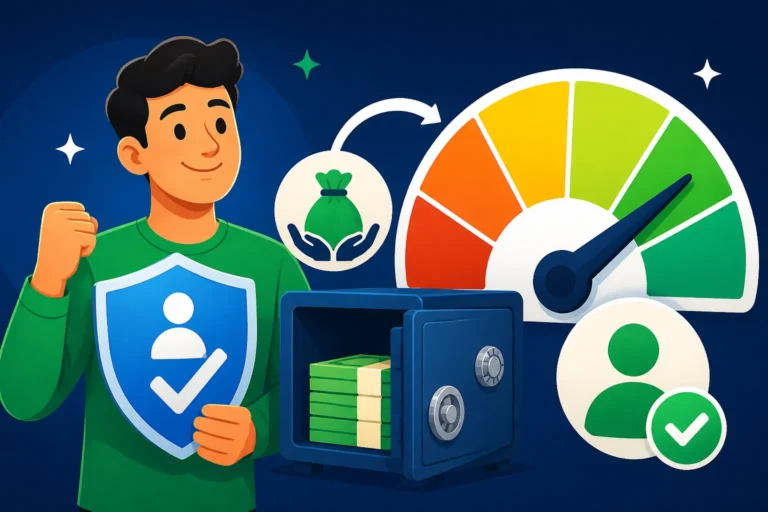
When you hear the word "loan," you probably imagine borrowing money and then paying it back, plus interest. And you'd be mostly right! But a credit builder loan works a bit differently. Instead of receiving money upfront, the funds from the loan are typically held in a locked savings account or a certificate of deposit (CD) by the lender. You then make regular, scheduled payments to the lender, usually over a period of 6 to 24 months, much like you would a traditional loan.
The key distinction is that these payments aren't going directly to service debt you've already spent. Instead, they're building up your own savings. As you make each payment, the lender reports your on-time activity to the three major credit bureaus: Equifax, Experian, and TransUnion. This consistent reporting of positive payment behavior is what genuinely starts to build your credit history. Once the loan term is complete, and you've made all your payments, the money that was held in the savings account is released to you, minus any interest or fees. It's essentially a forced savings plan that simultaneously builds your credit profile.
The Purpose Behind Credit Builder Loans
The primary purpose of a credit builder loan is right in its name: to build credit. This type of loan is specifically designed for individuals who have little to no credit history (often referred to as having a "thin credit file") or those who are working to repair damaged credit. Many people find themselves in a Catch-22: you need credit to get credit. Credit builder loans offer a way out of this cycle by providing a structured, low-risk path to demonstrate creditworthiness.
They fill a crucial gap for those who might not qualify for traditional credit cards or personal loans due to their limited financial history. For example, a young adult just starting out might find it hard to get approved for their first credit card. A new immigrant, or someone coming out of bankruptcy, might also struggle. A credit builder loan provides a stepping stone, helping you establish a positive payment track record, which is a significant factor in your overall credit score. Think of it as proving yourself responsible with a small, manageable commitment.
How They Differ from Traditional Loans
The core difference, as mentioned, is the flow of money. With a traditional loan, like a personal loan or a car loan, you receive the funds upfront and use them for a specific purpose (buying a car, consolidating debt, etc.). You then owe the lender, and your payments go towards repaying that borrowed money. Your ability to get approved for such a loan heavily depends on your existing credit score and history.
A credit builder loan flips this model. You don't get the money until after you've repaid the "loan" in full. The money is essentially yours from the start, but it's held as collateral. This makes it a much lower risk for the lender, which is why they are often more accessible to those with poor or no credit. Because the lender holds your money, they are almost guaranteed to be repaid, and your consistent payments are what gets reported, rather than the act of borrowing and repaying a lump sum you received. This unique structure is what makes them such an effective tool for credit-building, specifically addressing the "no credit, no credit" dilemma.
How Do Credit Builder Loans Work?
Understanding the mechanics of a credit builder loan is crucial to utilizing it effectively. It’s not a magic bullet, but a structured process that, when followed diligently, can lead to significant improvements in your credit profile. The beauty of these loans lies in their simplicity and the way they leverage consistent payments to communicate responsibility to credit bureaus.
The Application and Approval Process
Applying for a credit builder loan is generally more accessible than applying for traditional credit products. Lenders offering these loans understand their target audience often has limited or no credit history. Therefore, their approval criteria are typically less stringent. You won't usually face a hard credit inquiry that could temporarily dip your score, which is a relief when you're trying to improve it. Instead, they might conduct a soft inquiry, which doesn't impact your score, or require proof of income to ensure you can make the regular payments.
Many online providers, like Self or Kikoff, streamline the application process, allowing you to apply quickly from your phone or computer. Local credit unions are also great places to look for these loans, as they often have community-focused programs. You'll typically need to provide basic personal information, such as your name, address, Social Security number (SSN), and banking details for automatic payments. Once approved, the loan amount (which can range from a few hundred to a couple of thousand dollars) is set, and the repayment schedule begins.
How Payments Build Your Credit History
This is where the real magic happens. Let's say you take out a $500 credit builder loan with a 12-month term. The $500 isn't given to you; instead, it's deposited into a secure, interest-bearing account in your name. You then make 12 monthly payments of roughly $40-$45 (this includes the principal, plus a small amount for interest and fees). Every single one of those payments is reported to the credit bureaus.
Payment history is the most significant factor in your FICO Score, accounting for 35% of it. By consistently making on-time payments, you are actively building a positive track record. This demonstrates to future lenders that you are a reliable borrower, capable of managing debt responsibly. Over time, as these positive payments accumulate, your credit score will start to climb. This is particularly impactful for someone who has a thin credit file, as it quickly adds positive data points where there were none before. Learning how credit scores work can further illuminate the impact of these payments.
Receiving Your Funds at the End of the Term
Once you've made all your scheduled payments and the loan term is complete, the money held in the secure account is finally released to you. This is essentially your own money that you've been saving up over the loan period, less any interest and administrative fees charged by the lender. For example, if you took out a $1,000 credit builder loan and paid $100 in interest and fees, you would receive $900 back at the end.
This payout can be a pleasant bonus, providing a small nest egg you might not have otherwise saved. It can be used for an emergency fund, to pay down other debts, or even as a down payment for a future purchase. The crucial point, however, isn't just getting your money back; it's the fact that you've spent the past several months building a solid foundation for your credit profile, which will continue to benefit you long after the loan is paid off.
Key Benefits of Using a Credit Builder Loan
For anyone navigating the often-confusing world of credit, credit builder loans stand out as a uniquely beneficial tool. They're not just about accessing funds; they're about strategically building a financial foundation that can open doors to better opportunities down the line.
Establishes a Positive Payment History
The single most impactful benefit of a credit builder loan is its ability to help you establish a positive payment history. Lenders and credit scoring models, like FICO and VantageScore, heavily weigh your payment behavior. It’s the clearest indicator of your financial reliability. When you consistently make your credit builder loan payments on time, month after month, that positive activity gets reported to the major credit bureaus.
Imagine you're trying to get a car loan or even just an apartment. Landlords and lenders want to see proof that you can manage your obligations. Without a history of timely payments, you're a bit of an unknown quantity. A credit builder loan provides that verifiable proof, showing a pattern of responsibility. This is especially vital for individuals who are starting from scratch or recovering from past financial missteps, helping them build credit from scratch or effectively recover.
Improves Your Credit Mix
Your credit mix, which refers to the different types of credit accounts you have (revolving credit like credit cards vs. installment credit like loans), plays a role in your credit score. While it's not as significant as payment history or credit utilization, it still accounts for about 10% of your score. If your credit history is currently made up solely of credit cards, adding an installment loan, even a small one like a credit builder loan, can diversify your credit portfolio.
This demonstrates to lenders that you can responsibly manage different kinds of debt. For someone who might only have a secured credit card or no credit at all, a credit builder loan introduces a different credit type, showing a broader financial responsibility. This diversification is viewed positively by credit scoring models, further enhancing your credit profile. Many people often wonder, "What affects your credit score?", and credit mix is definitely one of those elements.
Low-Risk Way to Save Money
One of the often-overlooked benefits of a credit builder loan is its built-in savings component. Because the loan amount is held in a secured account until you've paid it off, you're essentially forced into a savings plan. Many people struggle with saving money consistently, and a credit builder loan provides that structure.
Let's say you commit to a $1,000 credit builder loan over 12 months. You'll be making regular payments, and at the end of the term, you'll receive that money back (minus fees and interest). It’s a low-risk way to save because you're not actually spending money you don't have; you're just putting your own money aside in a structured way that also helps your credit. It's a win-win: you build a nest egg and improve your financial standing. Companies like Credit Strong even highlight this dual benefit in their offerings, making it clear that you're building both credit and savings simultaneously.
Potential Drawbacks and Risks to Consider
While credit builder loans offer a fantastic pathway to improving your credit, it's crucial to approach them with a clear understanding of their potential downsides. Like any financial product, they come with certain considerations and risks that, if overlooked, could potentially hinder rather than help your credit journey.
Fees and Interest Rates
One of the most significant drawbacks of credit builder loans is the cost involved. While generally less expensive than the high-interest rates associated with bad credit personal loans, credit builder loans still come with fees and interest. The interest rates can vary widely, from a few percent up to 15% or more, depending on the lender. Additionally, some providers might charge administrative fees, application fees, or even late payment fees.
For instance, if you take out a $1,000 loan with a 10% interest rate over 12 months and an upfront administrative fee, you might end up paying $50-$150 more than the initial principal. This means that when you receive your money back at the end of the term, it will be slightly less than the total amount you put in. It's essential to compare different lenders and fully understand their fee structure and APR before committing. Always ask for a clear breakdown of all costs involved so you know exactly how much you're paying for the credit-building service.
The Risk of Missed Payments
The entire premise of a credit builder loan rests on your ability to make consistent, on-time payments. If you miss a payment, it can have the opposite effect of what you're trying to achieve. A late payment, especially if it's more than 30 days past due, will be reported to the credit bureaus and can severely damage your credit score. Remember, payment history is paramount, and a negative mark can undo months of positive progress.
Before signing up for a credit builder loan, realistically assess your budget and ensure you can comfortably afford the monthly payments for the entire loan term. Consider setting up automatic payments from your checking account to avoid accidental misses. If you anticipate financial difficulties, it might be better to explore other avenues to build credit, such as a secured credit card, where you might have more flexibility with a smaller credit limit.
Not a "Quick Fix" for Bad Credit
While credit builder loans are effective, they are not a quick fix for deeply damaged credit or a way to instantly boost your score overnight. Building good credit takes time, consistency, and patience. These loans typically have terms ranging from 6 to 24 months, meaning it will take at least half a year to see a significant impact.
If you have numerous negative items on your credit report, such as collections, charge-offs, or bankruptcies, a credit builder loan alone won't magically erase them. While it will add positive data, you might also need to look into strategies for how to remove negative items from your credit report or even consider credit repair companies vs DIY approaches for more comprehensive help. A credit builder loan is one piece of the puzzle; it's a marathon, not a sprint, and requires sustained effort to see lasting results.
Who Should Consider a Credit Builder Loan?
Credit builder loans aren't for everyone, but for specific groups of individuals facing common credit challenges, they can be an absolute game-changer. Understanding if you fall into one of these categories can help you decide if this financial tool is the right fit for your current situation and future goals.
Individuals with No Credit History (Thin File)
This is perhaps the most obvious target demographic for a credit builder loan: those who are starting from scratch. Young adults just entering the financial world, recent college graduates, or anyone who has simply never taken out a loan or credit card before will often find themselves with what's called a "thin credit file." This means there isn't enough information for credit bureaus to generate a reliable credit score.
Imagine a college student who needs to sign a lease for their first apartment but keeps getting denied because they have no credit history. A credit builder loan offers a direct solution by creating that initial positive trade line. Over the loan term, consistent payments will transform that thin file into a growing history of responsible credit behavior, making it easier to qualify for future loans, credit cards, and even rental agreements. This foundational step is often the hardest part of learning how to build credit from scratch.
Those Rebuilding Damaged Credit
Life happens, and sometimes, past financial difficulties can leave a person with a low credit score or negative items on their credit report. Whether it was a series of late payments, a collection, or even a bankruptcy, rebuilding credit can feel like an uphill battle. Traditional lenders might be hesitant to offer credit to someone with a spotty past, making it difficult to demonstrate renewed financial responsibility.
A credit builder loan provides a structured way to introduce positive information into your credit report, gradually overshadowing past negatives. By adding a new, perfectly managed account to your report, you're actively showing that you've turned a new leaf. This is particularly helpful for consumers trying to improve their credit after collections or even those recovering after a bankruptcy. It's a proactive step that, combined with addressing old debts, can significantly accelerate the rebuilding process.
People Who Struggle with Saving Money
While the primary benefit is credit building, the forced savings aspect of these loans is a significant advantage for anyone who finds it challenging to set money aside. The structure ensures that you make regular contributions, and because the money isn't immediately accessible, you're less likely to dip into it.
Consider someone who constantly finds themselves with unexpected expenses and struggles to maintain a savings buffer. A credit builder loan provides a dual purpose: you're making payments that get reported to the credit bureaus, and at the end of the term, you get a lump sum back. This can be a fantastic way to build a small emergency fund or save for a specific goal, all while simultaneously enhancing your credit profile. Many credit builder loan providers, like Credit Strong, market this feature explicitly, allowing you to view the loan as a financial growth tool rather than just a debt instrument.
Choosing the Right Credit Builder Loan for You
Navigating the options for credit builder loans can feel a little overwhelming, especially with various providers offering different terms, rates, and features. To make an informed decision, it's essential to compare your choices carefully, considering your personal financial situation and goals.
Comparing Lenders and Their Offerings
Not all credit builder loans are created equal. It's crucial to shop around and compare different providers to find one that best suits your needs. Key factors to consider include:
- Interest Rates and Fees: As discussed, these costs can add up. Look for loans with competitive interest rates and minimal or no administrative fees. Some credit unions might offer lower rates than online lenders.
- Loan Amounts and Terms: Credit builder loans typically range from a few hundred dollars to a couple of thousand. Terms can be anywhere from 6 to 24 months. Choose an amount and term length that aligns with what you can comfortably afford to pay each month without financial strain.
- Reporting to Credit Bureaus: Verify that the lender reports your payments to all three major credit bureaus: Equifax, Experian, and TransUnion. This comprehensive reporting is vital for maximizing the impact on your credit score across the board.
- Customer Reviews and Reputation: Look at what other users are saying. Are they generally positive? Do people report issues with receiving their funds, or problems with credit reporting? Companies like Self and Kikoff are well-known, but always do your due diligence.
- Additional Features: Some lenders might offer additional perks, such as financial literacy resources, tools to track your credit score, or flexible payment options.
A helpful way to visualize these differences is with a comparison table:
| Feature | Lender A (e.g., Self) | Lender B (e.g., Credit Strong) | Local Credit Union (Hypothetical) |
|---|---|---|---|
| Typical Loan Amounts | $500 – $2,500 | $500 – $3,000 | $300 – $1,500 |
| Interest Rate Range | 10-16% APR | 10-15% APR | 5-12% APR |
| Admin/Setup Fees | $9-$15 | $0 – $19 (for certain plans) | Often $0-$25 |
| Loan Terms | 12 or 24 months | 12, 24, or 36 months | 6, 12, 18 months |
| Reports to All 3 Bureaus? | Yes | Yes | Yes |
| Additional Features | Secured credit card option | Free credit score monitoring | Financial counseling |
Understanding Interest Rates and Fees
As mentioned, interest rates and fees directly impact the total cost of your credit-building journey. While building credit is the goal, you don't want to pay excessively for it. An annual percentage rate (APR) of 5-15% is generally considered reasonable for these types of loans. Anything much higher should make you pause and reconsider, unless the terms or benefits are exceptionally favorable in other areas.
Many credit builder loans also have an administrative fee, sometimes charged upfront. This fee covers the cost of setting up and maintaining your account. Make sure you know if this fee is deducted from the loan amount or needs to be paid separately. Always calculate the total amount you will pay over the life of the loan, including all interest and fees, to determine the true cost. This will help you decide if it's a worthwhile investment for your credit future.
Reading the Fine Print: Terms and Conditions
Before you commit to any credit builder loan, take the time to thoroughly read and understand the terms and conditions. This is where you'll find crucial details about the repayment schedule, consequences of missed payments, how and when your funds will be disbursed, and any penalties for early payoff (though these are rare with credit builder loans, it's always good to check).
Look for clarity on how your payments are reported to the credit bureaus. Some lenders might only report to one or two, which isn't ideal. Ensure there's a clear process for accessing your funds once the loan is complete. Understanding these details upfront can prevent unpleasant surprises down the road and ensure that the credit builder loan truly serves its intended purpose of helping you establish positive credit.
Maximizing the Impact of Your Credit Builder Loan
Getting a credit builder loan is a great first step, but simply having one isn't enough to guarantee optimal results. To truly leverage this tool for maximum credit-building potential, you need to be strategic in how you manage it and combine it with other good financial habits.
Consistent On-Time Payments Are Non-Negotiable
This cannot be stressed enough: the absolute most important thing you can do to maximize the impact of your credit builder loan is to make every single payment on time, every single month. Your payment history accounts for 35% of your FICO score, making it the largest factor. Even one late payment can significantly set back your progress, as it sends a signal of unreliability to lenders.
To ensure consistent on-time payments, consider setting up automatic deductions from your checking account. Most credit builder loan providers offer this option, and it's an excellent way to avoid accidental misses due to forgetfulness or busy schedules. Treat this loan with the same seriousness as any other financial obligation. By demonstrating perfect payment behavior, you are consistently feeding positive data to the credit bureaus, steadily raising your credit score over the loan term.
Keep the Account Open for the Full Term
While it might be tempting to pay off your credit builder loan early if you suddenly find yourself with extra cash, it's generally more beneficial for your credit to keep the account open for its full, intended term. The length of your credit history also influences your credit score (making up 15% of your FICO score), and closing an account early shortens that history.
More importantly, the benefit of a credit builder loan comes from the sustained pattern of positive payments reported over time. If you pay it off in three months instead of twelve, you'll have fewer positive data points on your report. The longer the history of on-time payments, the stronger the positive impact. Letting the loan run its full course demonstrates consistent, long-term financial responsibility, which is highly valued by credit scoring models.
Combine with Other Credit-Building Strategies
A credit builder loan is a powerful tool, but it's even more effective when used in conjunction with other smart credit-building strategies. Think of it as part of a comprehensive financial plan to improve your credit.
- Secured Credit Cards: If you don't already have one, consider getting a secured credit card alongside your credit builder loan. These cards require a security deposit that acts as your credit limit, making them accessible to those with limited credit. Using it responsibly, keeping your credit utilization low (ideally under 30%), and paying off the balance in full each month will further diversify your credit mix and add another layer of positive payment history. You can learn more about how secured credit cards build credit and the best way to build credit with a secured card.
- Authorized User Status: If a trusted family member has excellent credit and is willing to add you as an authorized user on one of their well-managed credit card accounts, this can quickly add positive history to your report. Their good payment history and long account age can benefit your score, but remember the risks involved for them.
- Rent Reporting: Services like RentReporter or LevelCredit allow your on-time rent payments to be reported to credit bureaus. Since rent isn't typically reported, this can add another significant positive data point to your credit file, especially useful if you're trying to build credit without a credit card.
- Manage Existing Debts: If you have any existing debts, like student loans or medical bills, make sure you're paying them on time. If you have collections, learning how to remove collections from your credit report can also be crucial. All these elements contribute to your overall payment history and credit health.
By stacking these strategies, you create a robust approach to raising your credit score and establishing a strong financial foundation.
Understanding Your Credit Score and Report
While credit builder loans focus on building positive payment history, it's equally important to understand how these actions translate into changes on your credit report and, subsequently, your credit score. Being proactive in monitoring your credit is a vital part of the process.
How Credit Builder Loans Impact Your Credit Score Factors
Credit builder loans specifically target key components of your credit score, making them highly effective. Let's break down the impact on the five major factors that determine your FICO Score:
- Payment History (35%): This is where credit builder loans shine brightest. Every on-time payment you make is a positive mark on your report, directly contributing to this most heavily weighted factor. Over the loan term, you're creating a consistent record of reliability.
- Amounts Owed / Credit Utilization (30%): While a credit builder loan is an installment loan, meaning it doesn't have a utilization ratio in the same way a credit card does, successfully paying down an installment loan still contributes positively. It shows you can manage borrowed funds. The total amount owed across all accounts will decrease as you pay it down.
- Length of Credit History (15%): As the loan ages, it contributes to the average age of your accounts. The longer you maintain the account and make payments, the more positive impact it has on this factor. This is why it’s important to keep the account open for the full term.
- New Credit (10%): The initial hard inquiry (if any) might cause a small, temporary dip, but many credit builder loans avoid this. The opening of the account itself contributes to "new credit," but its positive effect over time outweighs this initial factor.
- Credit Mix (10%): If your credit profile was previously limited to revolving credit (like credit cards) or no credit at all, a credit builder loan adds an installment loan to your mix. This diversification is seen favorably by credit scoring models, showing you can handle different types of credit responsibly.
Monitoring Your Progress
You're putting in the work, so you deserve to see the results! Regularly monitoring your credit report and score is essential to track your progress and ensure everything is being reported accurately.
- Get Your Free Credit Report: You are entitled to a free copy of your credit report from each of the three major bureaus (Equifax, Experian, and TransUnion) once every 12 months through AnnualCreditReport.com. Make it a habit to pull these reports periodically to check for new accounts, verify on-time payments, and look for any errors.
- Check Your Credit Score for Free: Many banks, credit card companies, and online services (like Credit Karma, Chase Credit Journey, or Capital One CreditWise) offer free access to your credit score, often a VantageScore. While these might not be the exact FICO scores lenders use, they provide a good general indication of your progress.
- Look for Specific Changes: As you make payments on your credit builder loan, you should see the account appear on your credit report. Over time, you'll observe the payment status consistently showing "paid on time" and your credit score gradually increasing. If you spot any discrepancies, such as a missed payment incorrectly reported, you'll need to know how to dispute credit report errors promptly.
By staying informed about what's on your credit report and how your score is changing, you can feel empowered and motivated throughout your credit-building journey.
Alternatives to Credit Builder Loans
Credit builder loans are a fantastic option, but they're not the only path to establishing or rebuilding credit. Depending on your financial situation, preferences, and goals, other tools might be a better fit. It’s always good to know your options so you can choose the strategy that aligns best with your needs.
Secured Credit Cards
Secured credit cards are arguably the most common alternative to credit builder loans, and for many, they can even be used in conjunction for accelerated credit building. With a secured credit card, you provide a security deposit, which typically becomes your credit limit. For example, if you deposit $200, your credit limit is $200. This deposit minimizes the risk for the issuer, making them more accessible to individuals with no credit or bad credit.
The key to building credit with a secured card is responsible usage: use it sparingly, keep your credit utilization low (ideally under 30% of your limit), and pay your balance in full every month before the due date. This demonstrates responsible management of revolving credit. Many secured cards, like the Discover it Secured Card or Capital One Platinum Secured Card, offer a pathway to upgrading to an unsecured card after a period of good behavior, allowing you to get your deposit back. They also help establish a good payment history and improve your credit utilization, both major factors in your credit score.
Becoming an Authorized User
If you have a trusted friend or family member with excellent credit and a long, positive payment history, they might be willing to add you as an authorized user on one of their credit card accounts. When you become an authorized user, that account’s history (including its age and payment history) often gets added to your credit report. This can provide an immediate boost to your credit score, especially if the account is old and has a perfect payment record.
However, there are important considerations. The primary account holder remains responsible for all charges, and any late payments they make could negatively impact your score as well. It's crucial to have clear communication about usage, or ideally, for you to not even use the card yourself, simply benefiting from the reporting. This method can be a quick way to build credit, but it relies on someone else's generosity and financial prudence.
Credit Builder Apps and Services
The financial technology (fintech) space has introduced several innovative credit builder apps and services that don't always fit the traditional loan or credit card mold. Companies like Kikoff and Experian Boost offer different approaches to help users build credit.
- Kikoff: This service offers a small "store line of credit" that you use to buy items from their online store (often digital products). You make small, regular payments on these purchases, and these payments are reported to select credit bureaus. It's designed to be a very low-cost way to establish a payment history.
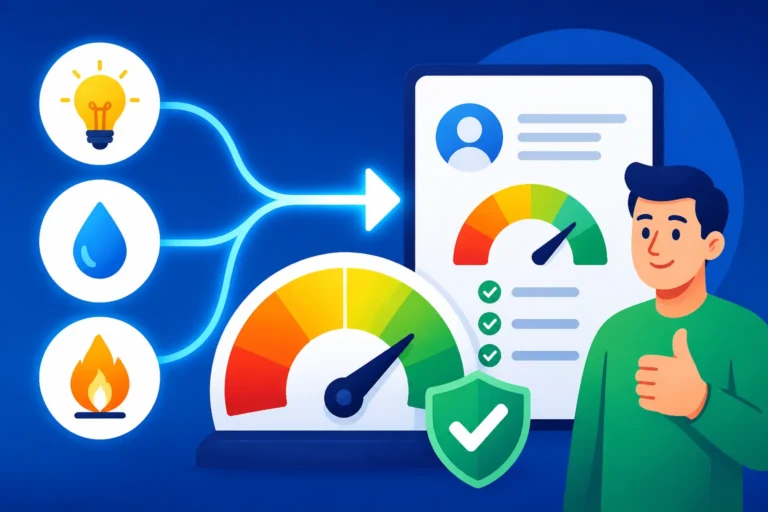
- Experian Boost: This free service allows you to link your bank account to Experian and grants permission for them to analyze your utility and telecom payments. If these payments are consistently on time, Experian Boost can add them to your Experian credit report, potentially giving your FICO Score a bump. It works by including positive payment data that wouldn't normally appear on your report.
These options can be particularly appealing for those looking for minimal commitment or who want to leverage existing positive financial habits. They often focus on how to build credit without a credit card directly, offering alternative data reporting.
Rent Reporting Services
Similar to Experian Boost, rent reporting services allow your on-time rent payments to count towards your credit history. Typically, rent payments are not reported to credit bureaus unless they are severely delinquent and sent to collections. However, services like RentReporters, LevelCredit, and others can change this.
For a fee, these services will verify your rental payments and report them to one or more of the major credit bureaus. This can be incredibly beneficial, especially for renters who consistently pay on time but haven't seen that positive behavior reflected in their credit score. It's a great way to use an existing, consistent expense to your advantage in building a stronger credit profile. You're already paying rent, so why not get credit for it? This is an excellent way to use something you're already doing to enhance your credit history.
The Long-Term View of Credit Building
Building credit isn't a one-time event; it's an ongoing journey that requires continuous effort and smart financial decisions. A credit builder loan is a powerful tool to kickstart this process or get you back on track, but the real benefit comes from sustaining good habits long after the loan is paid off.
Beyond the Credit Builder Loan
Once you've successfully completed your credit builder loan, paid it off, and seen your credit score improve, the work isn't over. In fact, this is where the real long-term strategy comes into play. You've established a foundation, and now it's time to build upon it.
- Transition to Unsecured Credit: With a stronger credit score, you'll likely qualify for entry-level unsecured credit cards. These cards don't require a security deposit and offer more flexibility. Continue using them responsibly by keeping utilization low and paying balances in full.
- Maintain Low Credit Utilization: Aim to keep your credit card balances below 30% of your total available credit, but ideally even lower, closer to 10% for the best scores. This shows lenders you're not overly reliant on credit and can manage your spending. Learn more about credit utilization and how it affects your score.
- Consistent On-Time Payments for Everything: Extend the discipline you learned from your credit builder loan to all your financial obligations – credit cards, student loans, car payments, and even utility bills. Payment history remains the most crucial factor for your score.
- Avoid Opening Too Many New Accounts: While diversifying your credit mix is good, opening too many new accounts in a short period can lower your average account age and result in multiple hard inquiries, which can temporarily ding your score. Be strategic about new applications.
The goal is to cultivate a lifestyle of financial responsibility that continuously reinforces a strong credit profile.
The Value of a Good Credit Score
Why put in all this effort? Because a good credit score unlocks a world of financial opportunities and savings. It's not just a number; it's a reflection of your financial health that influences many aspects of your life.
- Lower Interest Rates: With a higher credit score, you'll qualify for better interest rates on mortgages, car loans, and personal loans. This can save you tens of thousands of dollars over the life of major loans. For instance, the difference between a 6% and 7% interest rate on a $300,000 mortgage is substantial.
- Easier Loan and Credit Card Approvals: Lenders will be much more eager to approve you for credit products, offering higher credit limits and better rewards programs.
- Better Rental Opportunities: Many landlords check credit reports. A strong score can make it easier to rent apartments, sometimes even allowing you to bypass security deposit requirements.
- Lower Insurance Premiums: In many states, insurance companies use credit-based insurance scores to determine premiums for auto and home insurance. A better credit score often translates to lower rates.
- Easier Utility Hook-ups: Utility companies may waive security deposits if you have good credit.
- Job Opportunities: Some employers check credit reports as part of their background checks, particularly for positions involving financial responsibility.
Ultimately, investing in your credit health through tools like a credit builder loan is an investment in your future financial freedom and stability. It paves the way for achieving major life goals, from buying a house to starting a business, with more favorable terms and less stress.
Disclaimer
This article is for general informational purposes only and does not constitute professional advice. Laws, prices and regulations vary by location and change over time. Consult a qualified professional for guidance on your specific situation.