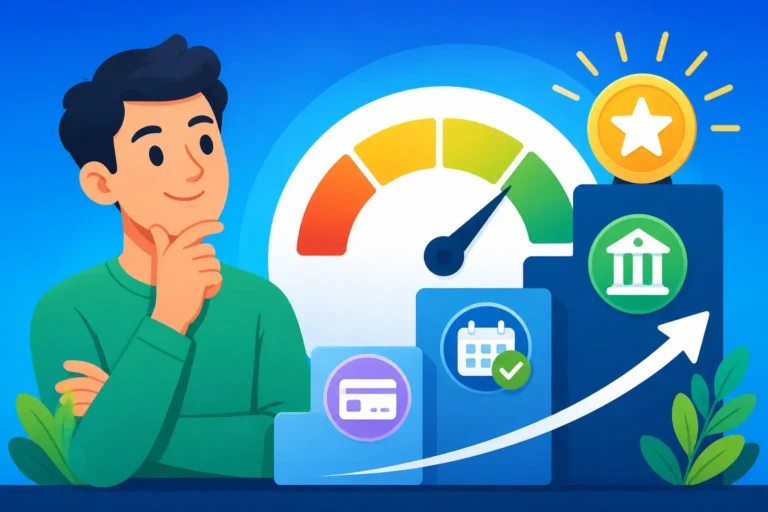
How to Become an Authorized User to Build Credit
Trying to build your credit score can feel like a Catch-22: you need good credit to get approved for credit, but you can't get good credit without having credit in the first place! It's a frustrating cycle, especially for young adults, new immigrants, or anyone starting fresh. One powerful, often overlooked strategy that can help you break free from this loop is becoming an authorized user on someone else's credit card. This comprehensive guide will walk you through exactly what that means, how it works, and how to use it to your advantage.
Understanding What an Authorized User Is
When we talk about credit cards, most people think of the primary cardholder – the person who applied for the card, whose name is on the account, and who is legally responsible for paying the bill. But there's another role that can be incredibly beneficial for someone looking to establish or improve their credit: the authorized user. It’s a bit like being a guest at a fancy dinner party; you get to enjoy the meal, but someone else is picking up the tab (and ultimately responsible if things go sideways).
More Than Just a Cardholder
An authorized user is simply someone who is allowed to use a credit card account by the primary account holder. You'll get your own physical card, complete with your name on it, and you can make purchases just like the primary cardholder. However, here’s the critical distinction: you are not legally responsible for the debt incurred on that card. The primary cardholder is the one who signed the agreement with the credit card company and is solely on the hook for making payments. This contrasts sharply with a joint account holder or a co-signer, both of whom share equal legal responsibility for the debt. With a joint account, both individuals are fully liable for all charges, regardless of who made them. A co-signer, while not necessarily using the card, is legally bound to repay the debt if the primary borrower defaults. The authorized user status provides the benefit of a credit line and potentially a credit history without the accompanying legal obligation for repayment.
This lack of legal obligation is precisely what makes authorized user status a lower-risk entry point into the world of credit. Imagine a scenario where you're 19, just starting college, and have no credit history. Your parent adds you as an authorized user on their long-standing credit card with a fantastic payment history. You get a card, can use it for emergencies or small, pre-approved expenses, but if you accidentally overspend, the burden of the bill falls on your parent. This arrangement provides a safety net while still allowing you to build a positive credit profile.
How Being an Authorized User Affects Your Credit Report
Here's where the real magic happens for credit building. When you become an authorized user, the credit card issuer will often report the account's activity to the major credit bureaus – Equifax, Experian, and TransUnion – for both the primary cardholder and the authorized user. This means that the primary account holder's positive payment history, their credit limit, and their credit utilization (how much of their available credit they're using) can show up on your credit report.
Let's break down the impact on your credit file. Firstly, the payment history is arguably the most crucial factor in your credit score. If the primary account holder consistently makes on-time payments, that positive history can be reflected on your report, instantly establishing a pattern of responsible credit use for you. Secondly, the credit limit and utilization play a huge role. If the primary card has a high limit and low utilization (meaning they're not using much of their available credit), that favorable ratio can appear on your report, boosting your overall credit utilization – a key component that affects your score. Lastly, the age of the account. If the primary cardholder has had the card for many years, that long credit history can become part of your average age of accounts, which is another positive factor, especially if you're just starting your journey to build credit from scratch.
It's important to remember that reporting practices can vary. While most major card issuers report authorized user activity, some might not, or they might only report to one or two of the credit bureaus. This inconsistency is why it’s always a good idea to confirm with the card issuer what their policy is before moving forward. However, for those looking to build or enhance their credit profile, this mechanism offers a significant shortcut by allowing you to essentially "inherit" a good credit history.
The Benefits of Becoming an Authorized User
Becoming an authorized user isn't just about getting a shiny new piece of plastic. For many, it's a strategic move to build a strong financial foundation, offering several compelling advantages, especially when you're starting with a limited or non-existent credit footprint.
Jumpstarting Your Credit History
If you've ever tried to apply for your first apartment, car loan, or even just a basic credit card, you know the frustration of being told, "Sorry, you don't have enough credit history." This "thin credit file" is a common roadblock. That's where authorized user status shines. By being added to an existing, well-managed credit card account, you can effectively bypass the initial hurdle of having no credit. The history of that primary account, including its age and payment record, can appear on your credit report. This instantly establishes a credit file for you, rather than starting completely from scratch.
Consider a recent college graduate, let's call her Sarah. Sarah has never had a credit card or a loan, so her credit file is nonexistent. Her parents, who have excellent credit, add her as an authorized user on a credit card they've had for 15 years. Suddenly, Sarah's credit report shows a 15-year-old account with a perfect payment history and low utilization. This "jumpstart" can make a massive difference when she later applies for her own apartment or a car loan, giving her a significant advantage over peers who are genuinely starting from square one. It's a legitimate way to acquire a credit history that might otherwise take years to build.
Improving Your Credit Score Factors
Beyond just establishing a credit file, authorized user status can directly improve several key factors that make up your credit score, as defined by models like FICO and VantageScore. This is because these models look at a holistic view of your credit behavior, and the activity reported from the primary account becomes part of that view.
Firstly, payment history (which accounts for 35% of your FICO score) is massively impacted. If the primary account holder has a flawless record of on-time payments, that record gets reported to your credit file. This is like getting an immediate "A+" on the most important part of your credit report without having to manage the payments yourself. Secondly, credit utilization (30% of your FICO score) also sees a boost. If the primary cardholder keeps their balances low relative to their credit limit – ideally under 30%, but even better under 10% – that positive utilization will be reflected on your report. This lowers your overall credit utilization ratio, which is a significant positive signal to lenders. For example, if you have one small card with a $500 limit that you use often, and you're added to a parent's card with a $10,000 limit that's barely used, your overall utilization drops dramatically. Lastly, the length of credit history (15% of your FICO score) is enhanced. The longer the primary account has been open, the more it contributes to the average age of accounts on your report, which credit scoring models view favorably. This helps address the challenge of having a short credit history, which is often a problem for those new to credit. This combination of factors can lead to a noticeable increase in your credit score, paving the way for better financial opportunities. If you're wondering How Long Does It Take to Build Credit?, becoming an authorized user can significantly shorten that timeline.
Access to a Credit Card Without the Responsibility
One of the most immediate, tangible benefits for an authorized user is simply having access to a credit card. For many, especially young adults, getting their first credit card can be difficult due to limited or no credit history. As an authorized user, you receive a card with your name on it, allowing you to make purchases. This can be incredibly convenient for online shopping, emergencies, or simply as a tool for daily expenses, all without the legal burden of debt repayment falling on your shoulders.
This setup offers a fantastic learning opportunity. You can observe how credit cards work, how purchases are tracked, and how statement cycles operate, all within a relatively safe environment. If the primary account holder is a responsible user, you can learn by example, understanding the importance of tracking spending and maintaining low balances. It’s like learning to drive with a seasoned instructor in the passenger seat – you get hands-on experience, but there’s a safety net. This experience can be invaluable when you eventually transition to managing your own credit card responsibly.
Moreover, having access to a credit card can be crucial for certain life situations. Traveling, for instance, often requires a credit card for hotel bookings or car rentals. Without your own established credit, this can be challenging. As an authorized user, you might be able to use the card for these purposes, making life much smoother. It's a practical benefit that extends beyond just building a credit score, offering real-world convenience and a chance to develop responsible financial habits before the full weight of responsibility shifts to you.
Potential Risks and Downsides
While becoming an authorized user offers clear advantages for building credit, it's not a foolproof strategy without its own set of potential pitfalls. It’s crucial to understand these risks before you jump in, as they can directly impact your financial well-being and credit score.
The Primary Account Holder's Actions Impact You
This is arguably the most significant risk associated with being an authorized user: your credit future is, to some extent, tied to someone else's financial behavior. If the primary account holder experiences financial difficulties, becomes irresponsible, or simply forgets to make payments, their negative actions can show up on your credit report. A late payment, a maxed-out card (high credit utilization), or even a default by the primary cardholder can severely damage your credit score.
Imagine a situation where your trusted family member, who added you as an authorized user, suddenly loses their job and struggles to make ends meet. They might start missing payments or using a large portion of their credit limit to cover expenses. Even though you had no control over these actions, those negative marks could appear on your credit report, dragging your score down. Unlike a primary cardholder, you can't log in and make a payment to prevent a late mark, nor can you request a credit limit increase to lower utilization. You are entirely at the mercy of the primary account holder's management of the account. This lack of control underscores the paramount importance of choosing a primary account holder who is not only trustworthy but also consistently financially responsible. It’s a direct link, and their missteps can become your credit woes.
Limited Control and Information
As an authorized user, your role is quite passive. You can use the card, but you generally have no authority over the account itself. This means you can't access detailed account information like past statements, payment history, or even the current balance, unless the primary cardholder shares it with you. You certainly can't make payments on the account, close the account, or dispute charges that you didn't make (though the primary cardholder can). This limited access can be incredibly frustrating if you notice something amiss or if the primary cardholder's actions are negatively impacting your credit.
For instance, if you check your credit report and see that the primary account is showing high utilization, you can't simply call the bank and pay it down or request a limit increase. You'd have to communicate with the primary account holder and hope they take action. This dependency means that any issues, intentional or accidental, that arise with the account can only be resolved by the primary cardholder. Furthermore, while the account activity might appear on your credit report, the credit bureaus sometimes have different policies. You might find that the account is reported by Equifax and TransUnion, but not Experian, leading to inconsistencies when you How to Get Your Free Credit Report from all three. This patchwork reporting can make it harder to predict the full impact on your overall credit profile.
Not All Issuers Report AU Activity
While the general rule of thumb is that major credit card issuers report authorized user activity, it's not a universal guarantee. Some smaller banks, credit unions, or specific card products might not report authorized user information to the credit bureaus at all. This means you could go through the effort of being added as an authorized user, and the primary cardholder could maintain a stellar payment history, but none of that positive activity ever makes it onto your credit report. Essentially, you'd be missing out on the primary benefit of becoming an authorized user for credit building.
This is why due diligence is essential. Before becoming an authorized user, the primary cardholder (or you, with their permission) should contact the credit card issuer directly to confirm their policy on reporting authorized user activity to all three major credit bureaus. Don't assume – always verify. Issuers like American Express, Chase, and Discover are generally known for reporting AU activity, but policies can change, and it's always best to be sure. Without this crucial step, you might inadvertently invest time and trust in a strategy that doesn't yield the desired credit-building results.
Choosing the Right Primary Account Holder and Card
The success of your authorized user strategy hinges almost entirely on making smart choices about who adds you and what card they add you to. This isn't a decision to be taken lightly, as it directly impacts your credit health for years to come.
Characteristics of an Ideal Primary Account Holder
Selecting the right person to add you as an authorized user is paramount. This individual isn't just a friendly face; they become a critical component of your financial story. The ideal primary account holder should possess a few key characteristics:
First and foremost, they must be trustworthy. This goes without saying, but it's worth reiterating. You are entrusting a part of your financial future to them. You need to be confident that they will manage their finances responsibly and communicate openly with you about the account. This usually means a close family member – a parent, spouse, or a very trusted sibling – rather than a casual friend. The relationship needs to be strong enough to withstand candid conversations about money, which can often be awkward.
Secondly, they need to have an excellent payment history. This is non-negotiable. The whole point of becoming an authorized user is to leverage someone else's good credit. If they have a history of late payments, missed payments, or accounts in collections, those negative marks could transfer to your credit report, doing more harm than good. Ask them about their credit habits, or even better, if they're comfortable, ask to see a summary of their credit report (without specific account numbers, of course) to confirm their payment history.
Thirdly, they should ideally have low credit utilization. This means they consistently use only a small portion of their available credit limit. A primary cardholder who regularly maxes out their card, even if they pay it off, will show high utilization on your report, which can negatively impact your score. You want someone who has a high credit limit but keeps their balance low, ideally under 10% of the limit. The longer they've maintained this responsible behavior, the better. Open communication about their spending habits and utilization is essential. You need to know that they won't suddenly run up a huge balance that could damage your credit score.
Selecting the Best Credit Card for Authorized User Status
It's not just about who adds you, but also which card they add you to. Not all credit cards are created equal when it comes to maximizing the benefits for an authorized user.
The best credit card for this purpose is one with a long, positive payment history. The older the account, the more it contributes to the "length of credit history" factor on your report. A card that's been open and well-managed for 10, 15, or even 20 years will provide a much stronger boost to your credit age than one opened just last year. This is particularly valuable if you have a Thin Credit File How to Build a Credit History yourself.
Next, look for a card with a high credit limit and consistently low current utilization. As discussed, a high limit with a low balance reflects positively on your credit utilization ratio. If the primary card has a $20,000 limit and the primary cardholder typically keeps the balance under $1,000, that's an excellent scenario for you. Avoid cards that are frequently near their limit, even if they are paid off monthly, as credit scoring models often look at the reported balance, not just whether it was paid on time.
Finally, and critically, confirm that the card issuer reports authorized user activity to all three major credit bureaus. This is a non-negotiable point. Some issuers might only report to one or two, or none at all. The primary cardholder should call their credit card company directly and explicitly ask: "Do you report authorized user activity, including payment history, credit limit, and balance, to all three credit bureaus: Equifax, Experian, and TransUnion?" Getting a clear "yes" to this question is vital. Without it, the whole exercise might be futile for building your credit.
The Step-by-Step Process to Becoming an Authorized User
Once you've identified the right person and the right credit card, the actual process of becoming an authorized user is relatively straightforward. However, it involves important conversations and follow-through to ensure it achieves your credit-building goals.
Open Communication and Agreement
Before anyone even thinks about calling a credit card company, the most crucial step is to have an honest, open conversation with the primary account holder. This isn't just a casual chat; it's a financial agreement that can impact both of your credit futures.
Here are the key discussion points:
- Your Goal: Clearly state why you want to be an authorized user – for example, to How to Build Credit From Scratch (2026 Guide) or improve your existing score.
- Expectations for Use: Will you actually be using the card? If so, for what purposes? Small, pre-approved expenses? Emergencies only? Or will the primary cardholder simply add you to their account but keep your card to avoid any spending? Be very clear about this.
- Spending Limits (if applicable): If you will be using the card, agree on a strict spending limit. For instance, "I'll only use it for gas, up to $100 per month."
- Repayment Plan (if applicable): If you make charges, how and when will you repay the primary cardholder? Will you send them money immediately, or at the end of the month? Having a clear agreement prevents misunderstandings and potential strain on your relationship.
- Credit Impact Understanding: Both parties should understand how this arrangement can affect credit scores – both positively and potentially negatively if things go wrong. Discuss how often you'll check your credit report to ensure accuracy.
It's often helpful to put these agreements in writing, even if it's just a simple email or a note. This helps solidify the understanding and provides a reference point if any questions arise later. This conversation builds the foundation of trust and responsibility essential for the success of this strategy.
Initiating the Authorized User Request
Once you and the primary account holder are on the same page, the process of actually adding you as an authorized user is typically quick and easy.
- Primary Cardholder Initiates Contact: The primary cardholder is the one who must make the request. They can usually do this in one of three ways:
- Online: Many credit card issuers allow primary cardholders to add authorized users directly through their online account portal. This is often the fastest and most convenient method.
- By Phone: The primary cardholder can call the customer service number on the back of their credit card. They'll typically be connected to a representative who can process the request.
- By Mail: Some issuers might still offer the option to add an authorized user by mailing in a form, but this is less common and much slower.
- Information Required: The primary cardholder will need some basic information about you. This typically includes your full legal name, date of birth, and possibly your Social Security Number (SSN). Providing your SSN is usually necessary for the account activity to be reported to your credit file. If the issuer doesn't ask for an SSN, it's a red flag that they might not report to the credit bureaus for authorized users, so confirm this point again if that's the case.
- Receiving the Card and Seeing it on Your Report: After the request is made, a new card with your name on it will usually be mailed to the primary cardholder's address (though sometimes it can be sent directly to you, depending on the issuer's policy). This typically takes 7-10 business days. It then usually takes one to two billing cycles (30-60 days) for the account to appear on your credit report. This timeframe allows the issuer to process the change and report the updated information to the credit bureaus during their regular reporting cycle.
Monitoring Your Credit Report After Becoming an AU
You've done the work, you've been added, and now you have a new card. Your job isn't over! Actively monitoring your credit report is absolutely essential to ensure the strategy is working as intended and that no unforeseen issues arise.
Within 1-2 months of being added, you should obtain a copy of your credit reports from all three major bureaus: Equifax, Experian, and TransUnion. You can get these for free annually at annualcreditreport.com. Look for the primary account holder's credit card account on your report.
Here's what you need to verify:
- Presence of the Account: Is the credit card account listed on your report? Make sure it appears on all three bureau reports if that was the expectation.
- Accurate Information: Check that the account number (usually partially masked), credit limit, and opening date are correct.
- Payment History: Most importantly, verify that the payment history is positive. Look for a long history of on-time payments from the primary cardholder.
- Credit Utilization: Ensure the reported balance reflects low utilization.
If you don't see the account after a couple of billing cycles, or if there are any discrepancies or negative marks that you believe are inaccurate or shouldn't be on your report (e.g., a late payment that happened before you were added as an authorized user, which shouldn't affect you), you need to take action. You can start by discussing it with the primary account holder and then, if necessary, contacting the credit card issuer. If issues persist, you may need to learn How to Dispute Credit Report Errors (Step-by-Step) directly with the credit bureaus. Consistent monitoring allows you to catch and rectify problems early, ensuring that your authorized user status is a net positive for your credit health. Regularly reviewing your credit reports is a fundamental part of managing your financial identity, and our guide on How to Read Your Credit Report (2026 Guide) can help you understand what you're seeing.
Maximizing Your Authorized User Status and Beyond
Being an authorized user is a fantastic stepping stone, but it's rarely the final destination on your credit-building journey. To truly leverage this status, you need to think strategically about how you use it and what your next steps will be.
Maintaining Responsible Habits
Even though you're not legally responsible for the debt, if you're given a physical card and permission to use it, it's crucial to act as if you are the primary cardholder. This means demonstrating responsible habits from day one.
If you make purchases, always stick to the agreed-upon spending limits with the primary account holder. It's often best practice to immediately pay them back for any charges you make. This could mean transferring money to them the same day you use the card, or at least setting up a system where you pay them before the statement closing date. This not only reinforces your trustworthiness but also ensures that your spending doesn't inadvertently lead to high utilization on the primary account, which could negatively impact both your credit reports.
Think of this period as an apprenticeship. You're learning the ropes of credit management without the full pressure. You're seeing how on-time payments, low balances, and consistent usage contribute to a healthy credit profile. This experience is invaluable training for when you eventually get your own credit products. By treating the authorized user card with respect and adhering to responsible spending and repayment agreements, you're not just benefiting your credit score; you're developing the financial discipline that will serve you for a lifetime.
Strategically Transitioning to Your Own Credit
The ultimate goal of becoming an authorized user is to build enough credit to qualify for your own credit products. Once you've seen a positive impact on your credit report and your score has improved, it's time to start thinking about establishing your independent credit history.
One of the best next steps is to apply for a Secured Credit Cards How They Build Credit. These cards require a cash deposit, which typically serves as your credit limit. Because they're "secured" by your own money, they're much easier to get approved for, even with limited credit history. By using a secured card responsibly – making small purchases and paying them off in full and on time every month – you'll build your own positive payment history and show lenders that you can manage credit independently. Over time, many secured cards can even "graduate" to unsecured cards, returning your deposit.
Another excellent option is a Credit Builder Loans Explained Self, Kikoff & More. Companies like Credit Strong offer these loans, where you make payments into a locked savings account, and once the loan is paid off, you get access to the funds. These loans are specifically designed to help people build credit by reporting your consistent payments to the credit bureaus. They are also usually quite accessible to those with little to no credit history. Combining a secured card with a credit builder loan can create a powerful one-two punch for establishing a diverse and robust credit mix, which also contributes to your credit score. Remember, lenders like to see a variety of credit types, so adding a loan to your credit card history can be beneficial. It's about gradually building your own financial footprint.
What If Things Go Wrong?
Even with the best intentions and the most responsible primary cardholder, sometimes things don't go as planned. It's vital to know your options if issues arise.
If the primary account holder's financial situation changes, and they start making late payments or running up high balances that negatively impact your credit, your first step is open communication. Explain the impact on your credit score and ask them to rectify the situation. If they are unable or unwilling to improve their habits, you have the right to ask them to remove you as an authorized user. The primary cardholder can call the credit card company and request your removal, which will prevent any further negative activity from appearing on your report.
After you're removed, the account should eventually disappear from your credit report, or at least stop updating. However, if negative information from before your removal remains on your report and you believe it's inaccurate or shouldn't be there (e.g., if you were added but never used the card and negative items still show up as your responsibility), you can dispute it directly with the credit bureaus. While removing an authorized user might lead to a temporary dip in your score if that account was a significant positive factor, it's often better to cut ties if the activity is consistently negative. This proactive step helps protect your credit integrity and allows you to focus on building your own positive credit independently.
| Feature | Benefits for Authorized User | Risks for Authorized User |
|---|---|---|
| Credit Building | Inherits primary account's positive payment history and age. | Primary account holder's late payments harm your score. |
| Credit Score | Can quickly boost score with good primary account management. | High utilization or defaults by primary lower your score. |
| Access to Card | Can make purchases without legal debt responsibility. | No legal control over the account or ability to make payments. |
| Account Info | Potential for improved credit utilization (if primary keeps it low). | Limited access to account details or ability to dispute charges. |
| Relationship | Builds trust and can be a learning experience. | Can strain personal relationships if issues arise. |
| Cost | Often no fees for authorized users. | No direct financial cost, but potential for credit damage. |
Disclaimer
The information provided in this guide is for general informational purposes only and does not constitute financial, legal, or credit advice. While we strive to provide accurate and up-to-date information, credit laws, policies, and individual financial situations vary. Always consult with a qualified financial advisor or credit counseling professional for advice tailored to your specific circumstances. We are not liable for any actions taken based on the information presented herein.