How to Build Credit in 30 Days
Let's be real: trying to build credit in just 30 days feels like an impossible task, especially when you're facing a deadline to rent an apartment, get a new phone, or even secure a small loan. It's frustrating when you know you're responsible, but your credit report simply doesn't reflect it. This guide is here to cut through the noise, explain what's genuinely achievable in a month, and give you actionable steps to kickstart your credit journey, even if you're starting from scratch.
Understanding the 30-Day Reality Check: What's Possible and What's Not
When you hear "build credit in 30 days," it's natural to envision a dramatic leap from no score to a perfect one. Unfortunately, that's rarely the case. Credit building is more like growing a garden – you plant seeds, nourish them, and eventually, you see fruit. Thirty days is enough time to plant those crucial seeds and see the first tiny sprouts, but not a full harvest. The key here is setting realistic expectations while still taking meaningful, impactful steps.
The Hard Truth About Credit Building Speed
The biggest misconception is that credit scores can change overnight with one magical action. The truth is, credit bureaus and scoring models look for a history of responsible financial behavior. A single month is a very short "history." Most significant positive changes to your score, like moving from a "poor" to "fair" range or higher, typically require consistent positive reporting over several months, if not a year or more. For someone starting with absolutely no credit history, the goal in 30 days isn't to get a prime mortgage rate; it's to get something positive reported that establishes your credit file.
Think of it this way: if you're looking to establish yourself as a trustworthy borrower, a lender wants to see patterns, not just one instance. However, those initial positive patterns have to start somewhere. What you can accomplish in 30 days is initiating accounts that will report quickly, learning critical financial habits, and starting to track your progress. It's about laying a solid foundation so that by month two, three, and beyond, you start seeing those more substantial gains. Many people get discouraged because they expect too much too soon, but remember, every journey starts with a single step, and 30 days is a powerful first stride.
Credit Reporting Cycles and Their Impact
One of the often-overlooked aspects of credit building, especially when you're in a hurry, is the credit reporting cycle. Most creditors, whether it's a credit card company or a loan provider, don't report your activity to the three major credit bureaus (Equifax, Experian, and TransUnion) every single day. Instead, they typically report once a month, usually shortly after your statement closing date.
For example, if your credit card statement closes on the 15th of each month, your activity from the previous month (payments made, balances carried) will likely be sent to the credit bureaus between the 16th and the 25th. If you open a new credit-building account on the 5th of the month, make a purchase, and pay it off immediately, that activity won't be reflected on your credit report until after the first statement closes and the reporting cycle completes. This means that even if you act quickly, there's an inherent delay before your efforts appear on your credit file. Understanding this timing helps manage your expectations for seeing a tangible score change within the immediate 30-day window. While you might not see a huge score jump by day 30, you'll have set the wheels in motion, and that first positive report will come, often shortly after your initial 30-day push.
Immediate Actions for a Quick Boost
Even with the reporting cycle in mind, there are strategies you can deploy right now that can potentially yield results or at least get the ball rolling quickly within the 30-day timeframe. These aren't magic bullets, but they leverage existing relationships or alternative data to your advantage.
Becoming an Authorized User Strategically
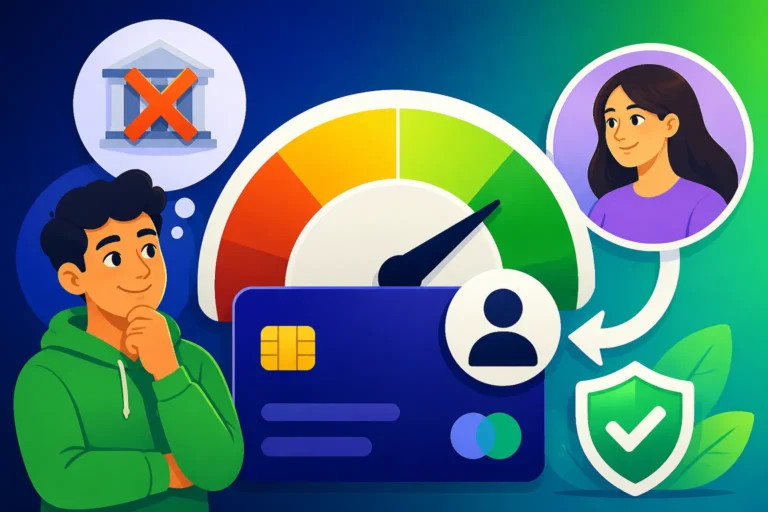
One of the fastest ways to get positive payment history onto your credit report is by becoming an authorized user on someone else's credit card. If you have a trusted family member or friend with a long history of on-time payments and low credit utilization, asking them to add you as an authorized user can be a game-changer. When they add you, their entire payment history for that specific card often gets added to your credit report, instantly boosting your credit age and payment history.
It's critical to choose wisely here. You need someone with excellent credit habits, as their missteps could negatively impact you. Discuss this openly and ensure they understand the implications. Ideally, they don't even need to give you a physical card; simply adding your name and Social Security Number to the account for reporting purposes is often enough. This strategy can provide a near-instant bump, as the credit bureaus update this information relatively quickly. For more details, you can learn about How to Become an Authorized User to Build Credit and explore Does Being an Authorized User Build Credit? to understand the benefits and risks involved.
Experian Boost and Similar Services
Another powerful tool for a quick boost, especially if you have a thin credit file, is Experian Boost. This free service allows you to connect your bank account to Experian, and it then scans for qualifying on-time utility and telecom payments (like electricity, gas, water, internet, and even streaming services like Netflix and Hulu). If it finds these payments, it can add that positive payment history directly to your Experian credit report.
The beauty of Experian Boost is its speed and simplicity. The process typically takes minutes to set up, and you can often see an immediate bump in your Experian FICO Score. While it only affects your Experian score and might not be suitable for everyone (you need qualifying accounts and bank account access), it's a fantastic way to leverage payments you're already making to demonstrate financial responsibility. It's a quick win in the 30-day sprint. To see if this could work for you, check out What Is Experian Boost and Does It Work?.
Laying the Foundation: Credit-Building Tools for the Short Term
While immediate actions can give you a head start, genuine credit building relies on establishing your own lines of credit and demonstrating responsible usage. Within 30 days, you can apply for and often receive these tools, setting the stage for long-term growth.
Secured Credit Cards for Rapid Reporting
Secured credit cards are often the go-to solution for people with no credit or bad credit, and for good reason: they're designed to help you build credit quickly and safely. Unlike traditional credit cards, a secured card requires you to put down a security deposit, which typically becomes your credit limit. This deposit minimizes the risk for the lender, making them much easier to approve.
Once approved, you use the card just like a regular credit card – making purchases and, most importantly, paying your bill on time and in full every month. The key here is that secured card issuers report your payment activity to the major credit bureaus, establishing that crucial payment history. Many secured cards, like the Discover it® Secured Credit Card or the Capital One Platinum Secured Credit Card, are known for reporting promptly, sometimes even within the first billing cycle. This means that if you apply for and receive a secured card within your 30-day window, your first positive payment could be reported shortly thereafter. Remember to keep your credit utilization low, ideally under 10-30% of your limit, even on a secured card, to maximize its positive impact. This is an excellent way to start establishing your credit file with your own active account. Delve deeper into Secured Credit Cards: How They Build Credit and discover the Best Way to Build Credit With a Secured Card.
Credit Builder Loans like Credit Strong
Credit builder loans are another ingenious tool designed specifically for people looking to establish or rebuild credit. The concept might seem a bit counterintuitive at first, as it's a loan where you don't receive the money upfront. Instead, you make regular payments into a locked savings account or Certificate of Deposit (CD) over a set period. Once you've paid off the loan, you get access to the funds you've saved.
The magic happens behind the scenes: the lender reports your on-time monthly payments to the credit bureaus. This steady stream of positive payment history is exactly what credit scoring models love to see. Companies like Credit Strong are popular providers of these types of loans. With Credit Strong, for example, you can often get approved quickly, and your payment history begins reporting almost immediately after your first payment. While you won't get the money in hand for several months, the credit-building aspect starts from day one. This is an excellent way to diversify your credit mix (showing you can handle different types of credit) and build consistent payment history. For a deeper dive into this unique financial product, explore Credit Builder Loans Explained Self Kikoff & More and find out exactly How Credit Builder Loans Work.
Here's a quick comparison of these fast-action credit-building strategies:
| Strategy | Time to Impact | Initial Cost/Deposit | Effort Required | Potential Score Boost (Short-term) | Best For |
|---|---|---|---|---|---|
| Authorized User | Days to Weeks | None | Low | Moderate to High | Those with a trustworthy friend/family member |
| Experian Boost | Immediate | None | Low | Low to Moderate (Experian only) | Leveraging existing utility/streaming payments |
| Secured Credit Card | 1-2 Months (after first payment) | Yes (deposit) | Moderate | Moderate | Building direct credit history; future upgrade to unsecured |
| Credit Builder Loan | 1-2 Months (after first payment) | None (payments build savings) | Moderate | Moderate | Establishing payment history and credit mix |
Crucial Habits for Sustained Credit Growth
Getting new accounts open or leveraging existing data within 30 days is a fantastic start. But the true power in credit building, even when you're moving fast, comes from consistently practicing good financial habits. These practices are the fuel that will keep your credit score climbing long after your initial 30-day push.
Paying Bills on Time, Every Time
This might sound like a no-brainer, but it is, without exaggeration, the single most important factor in your credit score. Payment history accounts for a whopping 35% of your FICO Score. One late payment, especially if it's 30 days or more overdue, can severely damage your score and stay on your report for up to seven years.
Within your 30-day window, if you've opened a secured credit card or started a Credit Strong credit builder loan, ensuring that first payment is made on time (or even a few days early!) is absolutely crucial. Set up automatic payments if possible, or create calendar reminders. If you're building credit from scratch, every single on-time payment you make in these first few weeks is laying down the most vital building block for your future credit health. This habit needs to become second nature, not just for this month, but for every month moving forward. Without a solid track record of timely payments, even the most aggressive credit-building efforts will fall flat.
Monitoring Your Credit Report Diligently
Imagine putting in all this effort to build credit, only to have an error pop up that undoes your hard work. It happens more often than you think. That's why actively monitoring your credit report is not just a good idea, it's essential. Within your 30-day timeframe, once you've initiated new accounts or used services like Experian Boost, you'll want to verify that they are accurately reporting to the credit bureaus.
You are entitled to a free copy of your credit report from each of the three major bureaus—Equifax, Experian, and TransUnion—once every 12 months through AnnualCreditReport.com. Make it a habit to pull these reports. Review every detail: your personal information, accounts opened, balances, and payment history. If you spot anything incorrect or anything that shouldn't be there, you need to dispute it immediately. This proactive approach ensures that your efforts to build credit are accurately reflected and that no fraudulent activity or errors are hindering your progress. Knowing How to Get Your Free Credit Report and understanding How to Read Your Credit Report 2026 Guide are invaluable skills in this journey.
What Not to Do When Building Credit Fast
When you're eager to build credit quickly, it's easy to fall into traps or make decisions that could actually harm your progress. Just as important as knowing what to do is understanding what to avoid.
Avoiding Common Pitfalls and Scams
The urgency to build credit quickly can make people vulnerable to credit repair scams and misleading promises. Be extremely wary of any service that guarantees to "instantly" or "magically" boost your credit score by hundreds of points in a short period. Legitimate credit building and repair takes time and consistent effort. If a company promises to remove accurate negative items from your report, asks for large upfront fees, or advises you to dispute everything on your report (even accurate information), these are major red flags.
Some scammers might even encourage you to create a new "credit identity" or use a fake Social Security Number, which is illegal and will lead to severe consequences. Stick to established, proven methods and reputable financial institutions. The strategies discussed in this guide – secured cards, credit builder loans from providers like Credit Strong, authorized user status, and Experian Boost – are all legitimate ways to build credit. If something sounds too good to be true, it almost certainly is. Educating yourself on How to Spot a Credit Repair Scam can save you a lot of headache and money.
The Dangers of Applying for Too Much Credit
When you're trying to build credit, the temptation to apply for every credit card or loan offer you see can be strong. After all, more accounts mean more opportunities to build history, right? Not exactly. Every time you apply for new credit, a "hard inquiry" is typically placed on your credit report. A hard inquiry happens when a lender requests your credit report to make a lending decision, and it can cause a small, temporary dip in your credit score.
While a single hard inquiry usually has a minimal impact, multiple hard inquiries in a short period (like within your 30-day window) can signal to lenders that you're desperate for credit or are taking on too much debt. This can make you look like a higher risk, potentially leading to denied applications or less favorable terms on future credit. It's much better to be strategic and apply for one or two suitable credit-building products that you're likely to be approved for, rather than casting a wide net. Understand that How Many Points Is a Hard Inquiry Worth? and consider Does Applying for Multiple Cards Hurt Your Credit? before you apply for too many lines of credit. Focus your efforts on responsible usage of the accounts you do open, and your score will thank you for it in the long run.
Disclaimer
This article is for general informational purposes only and does not constitute professional advice. Laws, prices and regulations vary by location and change over time. Consult a qualified professional for guidance on your specific situation.