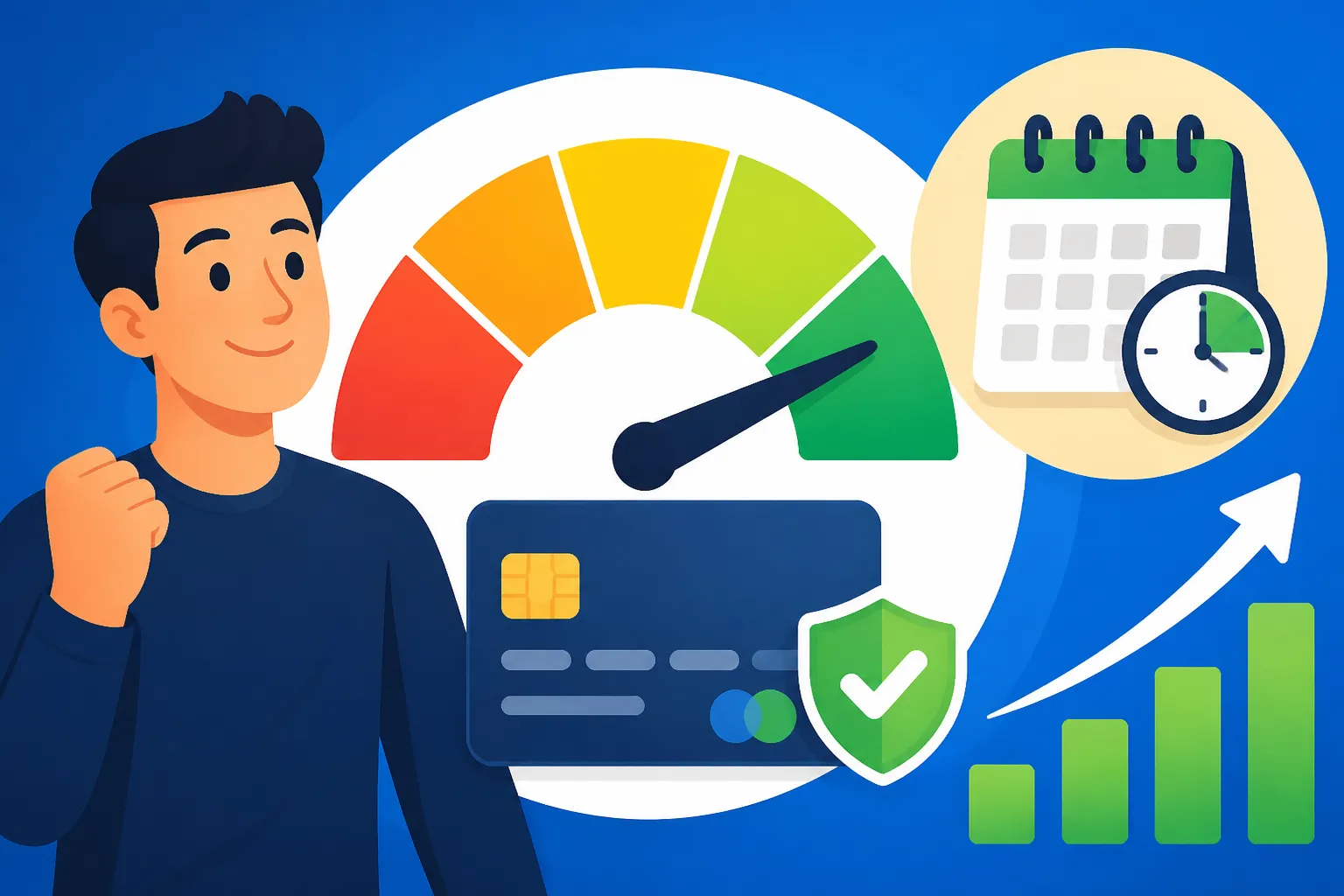
How to Build Your Credit Score to 650 in 6 Months
It can feel incredibly frustrating when you know your credit score isn't where it needs to be, especially when you have goals like renting a new apartment, getting a better car loan, or even just qualifying for a decent credit card. If you're currently in the low-to-mid 500s or even upper 500s and setting your sights on a 650 credit score within the next six months, you're looking for focused, actionable strategies. This guide is all about giving you a realistic roadmap to tackle those credit challenges head-on and see tangible improvement in half a year.
Understanding Your Current Credit Score and the 650 Goal
Before you can start building, you need to know exactly where you're starting from. Many people shy away from checking their credit because they fear what they'll see, but honestly, it's the first and most critical step. Think of it like a doctor's visit – you can't get a treatment plan without a diagnosis. A 650 credit score typically falls into the "Fair" category, sometimes even "Good" depending on the scoring model (FICO vs. VantageScore). While it's not excellent, it's a massive leap from "Poor" and opens up significantly more financial opportunities.
Getting a Clear Picture of Your Credit Report
You absolutely need to pull your full credit reports from all three major bureaus: Equifax, Experian, and TransUnion. You can do this for free once a year through AnnualCreditReport.com. Don't just look at a summary score from a credit monitoring app, even though those can be helpful for ongoing tracking. You need the detailed report because that's where the specific issues hurting your score are listed. Look for anything inaccurate – old addresses, accounts that aren't yours, or incorrect payment statuses. Correcting errors can be one of the quickest ways to see an uplift. You can learn more about How to Read Your Credit Report.
It’s crucial to understand that a single numerical score doesn't tell the whole story. Lenders look at the entire report. If you have a 650 with a history of late payments, it's viewed differently than a 650 with a short credit history but perfect payments. For your six-month goal, knowing the precise items dragging you down allows you to target your efforts.
Why 650 Matters for Your Financial Future
Reaching a 650 credit score moves you out of the highest-risk categories for many lenders. While some prime lenders might still be out of reach, a 650 can often qualify you for:
- Better Credit Cards: You might be able to move beyond secured cards and qualify for unsecured cards with lower interest rates or even some basic rewards. This is a huge step in continuing your credit-building journey.
- Personal Loans: Need a loan for a significant expense? A 650 score will make you a more attractive candidate, potentially getting you a lower interest rate than someone with a score in the 500s.
- Car Loans: Auto lenders typically offer better rates to individuals with scores of 650 or higher. Over the life of a car loan, even a few percentage points can save you thousands of dollars.
- Rental Applications: Many landlords look for a minimum credit score around 620-650. Reaching this benchmark can make finding an apartment much easier and potentially reduce security deposit requirements.
- Insurance Premiums: In many states, insurance companies use credit-based insurance scores. A better credit score can actually lead to lower car and homeowner's insurance premiums.
Achieving 650 isn't just a number; it's a gateway to more affordable borrowing and reduced financial stress. It shows lenders you're becoming a more responsible borrower, and that recognition comes with real-world benefits.
Key Strategies to Boost Your Score in Six Months
Six months isn't a massive amount of time in the credit world, but it's enough to make a significant dent if you're consistent and strategic. You need to focus on the elements of your credit score that carry the most weight and can respond relatively quickly to positive changes. We're talking primarily about payment history and credit utilization.
Prioritizing Payment History
Payment history is king, making up a whopping 35% of your FICO score. If you have any late payments on your report, especially recent ones, addressing this immediately is paramount.
- Pay Everything On Time, Every Time: This seems obvious, but it's the foundation. Set up automatic payments for all your bills – credit cards, loans, utilities, even your rent if your landlord reports it. Missing a single payment, even by a day, can set you back. A payment that's 30 days late can drop your score by dozens of points.
- Address Past Late Payments: While you can't magically erase a legitimate late payment, you might be able to get older, isolated ones removed. Consider writing a goodwill letter to creditors for a late payment, especially if you have a good payment history otherwise. You might be surprised at their willingness to help, particularly if you've been a long-standing customer. Our guide on What Is a Goodwill Letter and Does It Work? can walk you through it.
- Dispute Inaccurate Late Payments: If you find a late payment reported incorrectly on your credit report, dispute it immediately with the credit bureau. This falls under How to Dispute Credit Report Errors. The Fair Credit Reporting Act (FCRA) gives you the right to an accurate credit report, and bureaus are legally obligated to investigate your claims.
Mastering Credit Utilization
Your credit utilization ratio, or how much credit you're using compared to your total available credit, accounts for 30% of your FICO score. This factor can fluctuate monthly, making it one of the fastest ways to influence your score in a shorter timeframe like six months.
- Keep Utilization Low (Under 30%): The golden rule is to keep your overall credit utilization below 30% of your total credit limit. For example, if you have a total credit limit of $1,000 across all your cards, try to keep your combined balances under $300. Many experts even suggest aiming for under 10% for optimal scores.
- Pay Down Balances Aggressively: If you have high balances, start paying them down. The sooner you reduce your utilization, the sooner your score can reflect that improvement. Focus on the card with the highest balance or the highest interest rate first.
- Make Multiple Payments a Month: Instead of waiting for the statement due date, make smaller payments throughout the month. This ensures your reported balance to the credit bureaus is lower, as they typically report the balance on your statement closing date. This strategy is fantastic for rapidly lowering your reported utilization.
- Avoid Closing Old Accounts: While tempting if you're trying to simplify, closing an old credit card can actually increase your utilization ratio by reducing your total available credit, even if you pay off the balance. It can also shorten your average age of accounts, another important factor.
Actionable Steps for Each Credit Factor in 6 Months
To hit that 650 mark, we need to look at all the pieces of the puzzle, even those that have a smaller immediate impact. Every point counts, and starting good habits now will benefit you in the long run.
Length of Credit History (15% Impact)
This factor measures how long your credit accounts have been open and the average age of all your accounts. While you can't instantly increase your credit history, you can prevent it from getting shorter.
- Keep Old Accounts Open: As mentioned, resist the urge to close accounts, even if they're paid off and you don't use them often. That old credit card from college, even if it has a zero balance, contributes positively to your credit age.
- Become an Authorized User (Carefully): If you have a trusted family member (like a parent or spouse) with a long history of excellent credit and low utilization on one of their cards, they could add you as an authorized user. This can instantly add their good credit history to your report, but only if they manage their credit responsibly. Be very cautious, as their mistakes could impact you. Our guide Does Being an Authorized User Build Credit? covers this in detail.
New Credit and Hard Inquiries (10% Impact)
"New credit" looks at how many new accounts you've opened recently. Each time you apply for new credit, a hard inquiry is placed on your report, which can temporarily ding your score by a few points.
- Limit New Credit Applications: For the next six months, try to avoid applying for any new loans or credit cards unless absolutely necessary. Every hard inquiry stays on your report for two years and impacts your score for about one year.
- Strategize New Accounts (If Needed): If you must open a new account to build credit, choose wisely. A secured credit card is often the best starting point if you have limited or poor credit. These require a deposit, which becomes your credit limit, making them less risky for lenders. Look for options like the Discover it Secured Card or the Capital One Platinum Secured Card, which are known for reporting to all three bureaus and can often graduate to an unsecured card over time. A credit builder loan can also be an excellent option, like those offered by Credit Strong or Self. These loans are designed specifically to help people establish or rebuild credit by reporting consistent payments to the bureaus. You can find more information on How to Get Your First Credit Card With No Credit and Credit Builder Loans Explained.
Credit Mix (10% Impact)
This factor considers the variety of credit accounts you have – a mix of revolving credit (like credit cards) and installment loans (like car loans, mortgages, or personal loans) is generally seen favorably.
- Consider a Credit Builder Loan: If your credit history consists only of credit cards, adding an installment loan can help. A credit builder loan is specifically designed for this purpose. You make fixed monthly payments into a savings account, and once the loan is paid off, you receive the funds. It builds a positive payment history and adds diversity to your credit mix. Providers like Credit Strong specialize in these types of products. They report your on-time payments, which is exactly what you need to see score improvement.
- Avoid Unnecessary Loans: While a diverse mix is good, don't take out loans you don't need just to improve your credit mix. The interest and fees can quickly outweigh any potential credit benefit. Focus on responsible borrowing.
Six-Month Action Plan to Reach 650
Here's a step-by-step roadmap for your next six months. Remember, consistency is key!
Month 1: Assessment and Foundation
- Pull Your Credit Reports: Get your free reports from AnnualCreditReport.com.
- Review and Identify Errors: Scrutinize every detail. Are there old addresses? Accounts you don't recognize? Incorrect payment statuses?
- Dispute Errors: Immediately file disputes for any inaccuracies with the relevant credit bureau (Equifax, Experian, TransUnion). Keep records of everything.
- List All Debts: Create a clear list of all your debts, including balances, interest rates, and minimum payments.
- Budgeting: Create a realistic budget. Find areas where you can cut back to free up money for debt payments.
- Set Up Autopay: Enroll in automatic payments for all your bills to ensure you never miss a payment.
- Consider a Secured Card or Credit Builder Loan: If you have no credit or very little, apply for a secured card (e.g., from your bank or a major issuer like Capital One) or a credit builder loan. For example, Credit Strong offers straightforward credit builder loans that report your payments.
Month 2: Aggressive Debt Reduction and Utilization Management
- Focus on Credit Card Balances: Direct any extra funds from your budget towards paying down your highest-interest or highest-balance credit card.
- Make Multiple Payments: Start making smaller payments on your credit cards throughout the month, especially before your statement closing date, to keep reported utilization low.
- Monitor Progress: Keep an eye on your free credit score monitoring apps (like Credit Karma or your bank's offering) to see initial impacts from your actions. Remember these aren't always your FICO score but can indicate trends.
- Continue Autopay: Don't miss any payments.
Month 3: Consistency and Optimization
- Maintain Low Utilization: Ensure your reported credit utilization remains under 30%, ideally closer to 10% on all accounts.
- Review Credit Reports Again: Check if your disputes from Month 1 have been resolved and if any new issues have appeared.
- Consider a Small Credit Limit Increase (Cautiously): If you have an existing credit card account with a perfect payment history, you might ask for a credit limit increase. This can lower your utilization without needing to pay down debt, but only do this if you are absolutely disciplined and won't spend the extra available credit. Be aware it could result in a hard inquiry. Our article Does a Credit Limit Increase Hurt Your Score? provides more details.
- Keep up with Credit Builder Loan/Secured Card: Continue making timely payments on any new credit builder loans or secured cards, like the program offered by Credit Strong.
Month 4: Expanding Positive History
- Continued Diligence: Keep all payments on time and utilization low. Consistency is the most powerful tool for credit building.
- Evaluate Rent Reporting: Look into services that report your rent payments to the credit bureaus if your landlord doesn't already. This can add a significant positive trade line to your report.
- Goodwill Letter Follow-up: If you sent a goodwill letter in Month 1 for a late payment, follow up if you haven't heard back or seen a change.
Month 5: Review and Refine
- Check All Three Credit Reports: By now, you should start seeing significant changes reflected. Confirm that all negative items are aging and positive habits are showing.
- Assess Score Progress: Compare your current score to your starting score. You should be much closer to, or even have surpassed, your 650 goal.
- Adjust Strategy: If one area isn't improving as expected, dig deeper. Is your utilization still too high? Are there lingering errors?
- Think Long-Term: While the 650 goal is immediate, start planning for continued improvement. What’s your next credit goal?
Month 6: Celebrate and Continue
- Hit That 650! With consistent effort, you should be celebrating reaching your 650 credit score (or higher!).
- Don't Stop Now: Credit building is an ongoing process. Continue all the positive habits you've built. Maintain low utilization, make all payments on time, and strategically manage any new credit.
- Consider Graduating Your Secured Card: If you started with a secured card, check if it's eligible to graduate to an unsecured card. This frees up your deposit and often comes with a higher credit limit.
- Explore New Opportunities: Now that you have a 650 score, you might qualify for better financial products. But always apply judiciously to avoid too many hard inquiries.
Here’s a summary table of key actions and their approximate impact on your score:
| Credit Factor | Key Action for 6 Months | Estimated Score Impact | Frequency |
|---|---|---|---|
| Payment History (35%) | Pay all bills on time | High | Monthly |
| Credit Utilization (30%) | Keep balances under 30% (ideally 10%) | High | Continual |
| Length of History (15%) | Keep old accounts open | Slow (prevent negative) | Ongoing |
| New Credit (10%) | Limit new applications; strategic use of secured cards/credit builder loans | Moderate | As needed |
| Credit Mix (10%) | Add installment loan (e.g., credit builder loan) | Moderate | Once/Initial |
Common Pitfalls to Avoid on Your 6-Month Journey
Even with the best intentions, it's easy to fall into traps that can derail your credit-building efforts. Being aware of these common mistakes can help you navigate your journey more smoothly.
Applying for Too Much New Credit
This is a classic blunder. You get excited about improving your score, so you start applying for every credit card offer that lands in your mailbox or pops up online. Each application results in a hard inquiry, and too many inquiries in a short period signal to lenders that you might be desperate for credit, which is a red flag. These inquiries can individually drop your score by a few points, and cumulatively, they can prevent significant improvement. For your 6-month goal, stick to one strategic application if you absolutely need new credit, such as a single secured credit card or a credit builder loan.
Ignoring Your Credit Report
Many people check their score but never dive into the actual report. Your credit report is where the detailed history lies, and it's the source of both good and bad items that influence your score. Not regularly reviewing it means you might miss errors, fraudulent accounts, or outdated information that could be dragging you down. We talked about How to Dispute Credit Report Errors, and it's vital to catch these things early. Missing a negative item can set back your progress, potentially costing you valuable time and points.
Maxing Out New Credit Cards
Let's say you successfully get a new secured credit card or even an unsecured one after a few months of good behavior. It's incredibly tempting to use it for purchases, especially if you're excited about having more "available" credit. However, if you immediately max out or come close to maxing out your new card, you'll tank your credit utilization ratio, which, as we discussed, has a huge impact on your score. The goal of a new card or credit builder loan, especially when trying to build credit, is to establish a positive payment history and maintain low utilization, not to increase your spending capacity. Even if you pay it off quickly, the reported high balance can still hurt your score that month.
Falling for "Quick Fix" Scams
The promise of rapid credit repair often comes from shady companies that can't deliver or operate illegally. You might see offers to "remove accurate negative items instantly" or "create a new credit identity." These are often scams and can leave you in a worse financial position, potentially even with legal troubles. Remember, legitimate credit repair takes time and consistent effort. If it sounds too good to be true, it almost certainly is. Always consult reputable sources and understand the legal framework for credit repair. Our guide on How to Spot a Credit Repair Scam is a must-read if you encounter such offers.
Not Being Patient Enough
Credit scores don't change overnight. While six months is an aggressive timeline for significant improvement, there will be periods where you might not see movement, or even a small dip due to a reporting lag or a new inquiry. It's essential to stay consistent with your efforts and not get discouraged. Every on-time payment and every reduction in utilization is building a stronger foundation, even if the score doesn't reflect it immediately. Trust the process and stick to your plan.
Conclusion: Your 6-Month Path to 650 and Beyond
Building your credit score to 650 in six months is an ambitious but entirely achievable goal, especially if you're starting in the mid-500s. It requires dedication, consistency, and a clear understanding of what truly impacts your credit. By focusing diligently on making all your payments on time, keeping your credit utilization low, and strategically adding positive accounts like a secured credit card or a Credit Strong credit builder loan, you can absolutely see significant progress.
Remember, this isn't just about hitting a number; it's about establishing habits that will serve you well for a lifetime of financial health. Once you hit that 650, don't stop! Continue these positive behaviors, monitor your reports regularly, and keep setting new, higher credit goals. The world of better interest rates, easier approvals, and greater financial freedom is waiting for you.
Disclaimer
The information provided in this article is for general informational purposes only and does not constitute financial, legal, or credit advice. Credit scores are complex and individual situations vary. Always consult with a qualified financial advisor or credit counselor for advice tailored to your specific circumstances.