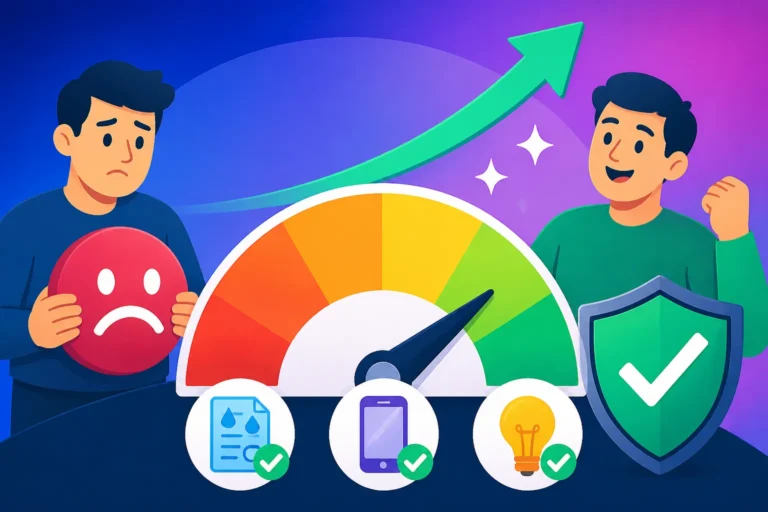
How to Build Your Credit Score to 700 in 1 Year
It can feel incredibly frustrating to be stuck with a credit score that holds you back from your dreams, whether it’s renting a better apartment, getting approved for a car loan with decent rates, or simply feeling more financially secure. Many people find themselves in a tricky spot, unsure of the concrete steps needed to make a real difference. This guide is designed to cut through the confusion and provide a clear, actionable roadmap to help you build your credit score to 700 within a single year, transforming your financial outlook.
Understanding Your Starting Point: Why 700 Matters
Before we dive into the nitty-gritty, let's talk about why hitting that 700 mark is such a game-changer. It's not just an arbitrary number; it's a widely recognized threshold that signals to lenders that you're a responsible borrower. Crossing this line can open up a world of better financial opportunities and significantly reduce the cost of borrowing.
What Does a 700 Credit Score Unlock?
Reaching a credit score of 700 or higher generally places you in the "Good" to "Very Good" credit tier, depending on the scoring model. This is where lenders start to see you as a much lower risk. Imagine trying to get a new car loan with a 620 score versus a 720 score – the difference in interest rates could literally save you thousands of dollars over the life of the loan. This higher score also makes it easier to qualify for premium credit cards with better rewards, lower interest rates, and higher credit limits.
Beyond loans and credit cards, a strong credit score impacts many other aspects of your life. Landlords often check credit scores when you apply for an apartment, and a higher score can give you an edge in competitive rental markets. Utility companies might waive security deposits, and even some employers will review credit reports for certain positions. Essentially, a 700 credit score is a key that unlocks greater financial freedom and respect from institutions.
Assessing Your Current Credit Situation
You can't plot a course without knowing where you stand. Your first crucial step is to get a handle on your current credit situation. This means pulling your credit reports from all three major bureaus: Equifax, Experian, and TransUnion. You're entitled to a free report from each bureau once a year through AnnualCreditReport.com. Don't skip this step! It’s the foundation of your entire strategy.
When you look at your reports, you'll want to identify a few key things. First, check for any errors. Mistakes are surprisingly common, and disputing them can sometimes give your score a quick boost. You'll also want to note all your open accounts, their balances, credit limits, and especially any negative marks like late payments, collections, or charge-offs. These negative items are precisely what we'll be working to minimize or mitigate over the next year. Understanding your current standing and what affects your credit score is critical for a targeted approach.
Foundational Strategies for Rapid Credit Growth (The First 6 Months)
The first six months of your credit-building journey are all about laying a solid, disciplined foundation. These actions might seem basic, but their cumulative impact is immense. Think of it as building a house – you need strong footings before you can add the exciting features.
Prioritizing On-Time Payments
This is, without a doubt, the single most important factor in your credit score, accounting for about 35% of your FICO score. If you only focus on one thing this year, make it paying all your bills on time, every time. A single late payment can ding your score significantly and stay on your report for up to seven years.
To ensure you're never late, set up automatic payments for all your credit accounts, loans, and even utility bills if possible. If you can't automate everything, use calendar reminders, set alerts on your phone, or even go old school with sticky notes. The goal is to develop an ironclad habit. If you have any past late payments, you might explore options like writing a What Is a Goodwill Letter and Does It Work? to have them removed, but preventing new ones is paramount. Even if you can only make the minimum payment, make sure it's on time. Consistently demonstrating responsible payment behavior will be your strongest ally in reaching that 700 score.
Taming Your Credit Utilization
Credit utilization is the second most important factor, making up around 30% of your score. This refers to how much of your available credit you're using. If you have a credit card with a $1,000 limit and a $500 balance, your utilization is 50%. Lenders prefer to see this number kept low, ideally under 30%. For optimal score improvement, aim even lower, sometimes as low as 10%.
The best way to lower your utilization is to pay down your credit card balances as much as possible. If you have multiple cards, focus on the one with the highest utilization first. If you can, try to make multiple payments throughout the month rather than just one large payment at the end of the billing cycle. This can help keep your reported balance low when the credit card companies report to the bureaus. For example, if your statement date is the 15th and you typically spend $300, pay $250 before the 15th, and then the remaining $50 before the due date. This shows a lower balance to the credit bureaus. Many people wonder How Many Points Does High Utilization Cost You?, and the answer is it can be quite a bit, so managing this factor is key.
Smart Use of Secured Credit Cards
If you have little to no credit history, or if your credit is bruised, a secured credit card is an excellent tool for building credit responsibly. These cards require a cash deposit, which typically becomes your credit limit. For instance, if you deposit $200, your limit is $200. This deposit minimizes risk for the lender, making it easier for them to approve you.
The trick is to use it like a regular credit card, but with extreme discipline. Make a small purchase (like a streaming service subscription or gas), then pay it off in full and on time every month. Keep your utilization very low – ideally under 10%. Over time, consistent responsible use of a secured credit card will build a positive payment history and show creditors you can handle credit responsibly. Many people ask, How Fast Can You Build Credit With a Secured Card?, and with disciplined use, you can see significant improvement within 6-12 months.
Exploring Credit Builder Loans
Another fantastic tool for people looking to establish or rebuild credit is a credit builder loan. Unlike a traditional loan where you get the money upfront, with a credit builder loan, the money is held in a locked savings account or Certificate of Deposit (CD) while you make monthly payments. Once the loan is paid off, you receive the lump sum of money.
During this process, the lender reports your on-time payments to the credit bureaus, helping you build a positive payment history. Companies like Credit Strong are well-known for offering these types of loans, providing a structured way to improve your credit while also encouraging savings. It’s a win-win, as you build credit and end up with some savings at the end of the term. For those starting from scratch, learning How Credit Builder Loans Work can be a crucial step in their credit-building journey.
Accelerating Your Score in the Second Half of the Year (Months 7-12)
Once you've consistently applied the foundational strategies for six months, you've likely seen some positive movement in your score. Now, it's time to double down and use more advanced tactics to push towards and beyond that 700 mark. These strategies leverage your existing good behavior to create additional reporting lines and credit opportunities.
Becoming an Authorized User
This strategy can be incredibly effective, especially if you have a trusted family member or friend with excellent credit. When you become an authorized user on someone else's credit card, their positive payment history and low utilization can appear on your credit report. This can provide a significant boost to your credit age and payment history, two critical factors in credit scoring.
However, choose wisely. The primary cardholder must be someone you absolutely trust to manage their credit responsibly, as their mistakes can also negatively impact your score. Discuss expectations upfront: ensure they maintain low balances, pay on time, and understand that you're trying to build your credit. You don't even need to use the card they add you to; simply being listed on a well-managed account can help. This is an excellent way to see how Does Being an Authorized User Build Credit? truly works.
Adding Utility and Rent Payments to Your Report
Traditionally, rent and utility payments don't show up on your credit report unless they go to collections. However, several services now exist that allow you to report these on-time payments to the credit bureaus, adding positive information to your file. Services like Experian Boost, Rental Kharma, or LevelCredit can help report these recurring payments.
These services can be particularly helpful for individuals with a "thin credit file" – meaning they don't have many active credit accounts. Reporting rent and utility payments can add valuable payment history, showing lenders your reliability even if you don't have a long history of credit card or loan payments. It can really help to flesh out your credit report and demonstrate your consistency as a payer.
Strategically Requesting Credit Limit Increases
As your credit score improves and you've demonstrated responsible behavior with your existing cards (especially secured cards), you might consider requesting a credit limit increase. This can be a double-edged sword, so approach it with caution and a clear strategy. A higher credit limit, assuming you don't increase your spending, will automatically lower your credit utilization ratio, which is great for your score.
For example, if you have a $500 limit and a $100 balance (20% utilization), getting your limit increased to $1,000 with the same $100 balance drops your utilization to 10%. Before requesting, check if your credit card issuer does a "soft pull" or a "hard pull" for increases. A hard pull will temporarily ding your score, so you might want to wait if you're about to apply for other significant credit. Only ask for an increase if you're confident you won't be tempted to spend more. Many issuers like Capital One or Discover often offer automatic increases after a period of responsible use, so sometimes patience pays off.
Avoiding Pitfalls That Derail Your Progress
While implementing positive strategies is crucial, it's equally important to avoid common mistakes that can quickly undo all your hard work. Think of these as financial landmines you need to navigate around carefully to keep your credit-building journey on track.
Steering Clear of New Debt and Hard Inquiries
It's tempting to apply for every shiny new credit card offer you receive once your score starts to climb. Resist this urge! Each time you apply for new credit, a "hard inquiry" is typically placed on your credit report. While a single hard inquiry usually has a minor, temporary impact on your score (a few points for a few months), multiple inquiries in a short period can signal to lenders that you're desperate for credit, which is a red flag.
More importantly, taking on new debt means new monthly payments and new opportunities for your credit utilization to creep up. Remember, you're aiming for a 700 score, and maintaining low utilization is key. Focus on managing your existing credit accounts responsibly rather than accumulating new ones, especially during this critical year. If you're building credit, prioritize quality over quantity. Understanding How Many Credit Cards Should a Beginner Have? can help manage this aspect.
The Dangers of Closing Old Accounts
You might be tempted to close an old credit card account that you rarely use, perhaps because it has an annual fee or you just want fewer cards to manage. However, closing an old account can inadvertently hurt your credit score. One of the factors in your credit score is the "length of credit history," which considers the average age of all your accounts and the age of your oldest account.
When you close an old card, especially one with a long history, you shorten your overall credit history and reduce your total available credit. This reduction in available credit means your credit utilization ratio will likely go up, even if your balances stay the same. For example, if you close a card with a $5,000 limit, and your other cards still have balances, your overall utilization will jump, potentially lowering your score. It’s almost always better to keep old, paid-off accounts open, even if you just use them for a small, recurring expense (like a streaming service) and pay it off immediately.
Your 12-Month Credit Building Blueprint
Here’s a simplified breakdown of actions you can take each month to build your credit score to 700 in one year. This isn't a rigid schedule, but a guide to illustrate consistent effort.
| Month | Focus Area | Key Actions | Expected Impact (Cumulative) |
|---|---|---|---|
| 1-2 | Foundation & Assessment | Pull all 3 credit reports, dispute errors. Set up autopay for all bills. Apply for 1 secured credit card if needed. | Establish baseline, begin positive payment history, address errors. |
| 3-4 | Utilization & Discipline | Keep secured card utilization under 10%. Pay all bills on time. Consider a small credit builder loan like Credit Strong offers. | Improvement in payment history and utilization. |
| 5-6 | Consistency & Growth | Continue on-time payments. Aggressively pay down unsecured card balances to under 30%. Monitor score monthly. | Steady score growth from consistent positive actions. |
| 7-8 | Strategic Expansion | Become an authorized user on a trusted family member's well-managed card. Explore rent/utility reporting. | Boost from longer/diverse credit history. |
| 9-10 | Optimization & Review | If applicable, strategically request a credit limit increase on an existing card (no hard pull). Re-evaluate budget. | Lower utilization, potentially higher available credit. |
| 11-12 | Refinement & Maintenance | Maintain all positive habits. Avoid new credit applications. Review all accounts for potential fraud or errors. | Solidify gains, prepare for higher credit tiers. |
Note: Individual results vary based on starting score, existing debt, and financial habits.
Reaching a 700 credit score in a year is an ambitious but entirely achievable goal. It requires diligence, patience, and a consistent application of smart financial habits. By focusing on timely payments, low credit utilization, and strategically adding positive accounts like secured cards and credit builder loans (like those from Credit Strong), you can systematically climb the credit ladder. Remember, it's not about quick fixes; it's about building sustainable habits that serve you well for years to come. Your financial future will thank you for this commitment. If you're looking for a more general overview, check out How to Build Credit From Scratch (2026 Guide). For those dealing with existing issues, understanding How Long Does Credit Repair Take? can also provide valuable context.
Disclaimer
The information provided in this article is for general informational purposes only and does not constitute financial, legal, or professional advice. While we strive to provide accurate and up-to-date content, credit building strategies and their outcomes can vary greatly based on individual circumstances. We recommend consulting with a qualified financial advisor for personalized guidance regarding your specific credit and financial situation.