How to Build Credit With No Job Using a Credit Builder Loan
It can feel incredibly frustrating when you're trying to improve your financial standing, like building credit, but you're facing the significant hurdle of unemployment. Many traditional lenders immediately shy away from applications without a steady paycheck, leaving you wondering if it's even possible to make progress. This guide is here to tell you that it absolutely is possible, and we'll walk through how a credit builder loan can be a powerful tool for establishing or improving your credit, even when you don't have a job.
Understanding the Credit Challenge Without a Job
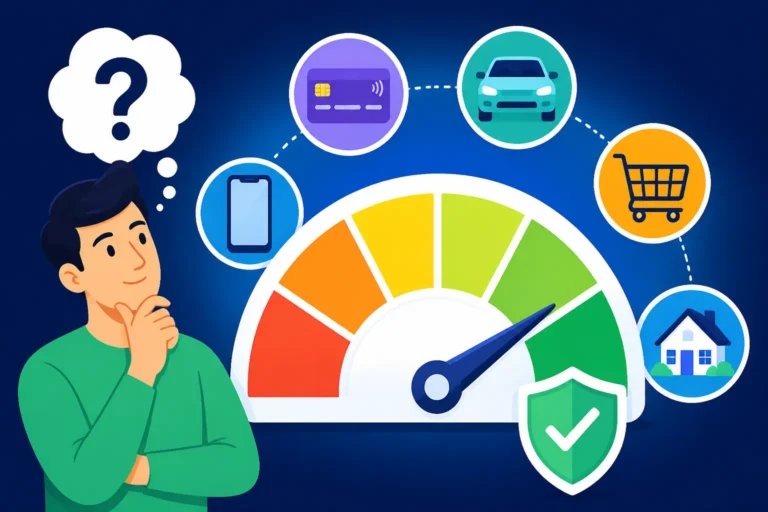
Let's be real, navigating the financial world without a traditional job is tough, and building credit adds another layer of complexity. It often feels like you're stuck in a loop, needing credit for future opportunities but being denied because you don't have the current financial indicators lenders typically look for.
Why No Job Makes Building Credit Harder
When you apply for a loan or a credit card, lenders are primarily trying to assess their risk. They want to know if you'll be able to pay back what you borrow. A steady job with a regular income is the simplest and most common way for them to gauge this. They look at your employment history, your salary, and how long you've been with your current employer as strong indicators of financial stability. Without this, you become a higher perceived risk, even if you have other means to pay.
For instance, imagine trying to get your first credit card from a major bank like Chase or Capital One. Their application forms almost always ask for your employment status and income. If you check "unemployed" or report a very low income, the automated systems or even human underwriters are likely to decline your application, simply because you don't fit their standard risk profile. This isn't a judgment on your character or your ability to manage money, but rather a reflection of their strict lending criteria designed to minimize defaults. It can be a real disheartening experience, making you feel like you're perpetually stuck.
The Vicious Cycle of No Credit, No Job, No Credit
This challenge often leads to a frustrating cycle: you need credit to eventually qualify for things like renting an apartment, securing a car loan, or even getting better insurance rates. But to get that credit, you need to show you can handle debt responsibly, which usually requires having credit in the first place. And when you add unemployment to the mix, it magnifies the problem. You can't get a job that requires a credit check because your credit is thin or poor, but you can't build credit without a source of income that lenders deem acceptable.
Many people find themselves in this exact predicament. Perhaps you're a recent graduate still looking for your first career role, a stay-at-home parent, or someone transitioning between jobs. Whatever the reason, the lack of a consistent W-2 income can feel like a brick wall in your efforts to become more financially independent. It's a classic catch-22, and it’s why understanding alternative strategies, like utilizing a credit builder loan, is so crucial. It offers a tangible way to break free from this frustrating loop and start moving forward.
What Exactly Is a Credit Builder Loan?
When we talk about building credit, especially without a traditional income, credit builder loans often come up as a powerful, albeit sometimes misunderstood, tool. They are designed specifically for this purpose: to help you establish or improve your credit history by demonstrating responsible borrowing behavior. Unlike a traditional loan where you receive money upfront, a credit builder loan works a bit differently.
How a Credit Builder Loan Works The Basics
Imagine a typical loan: you borrow $1,000, and you pay it back over time with interest. A credit builder loan flips that script. Instead of getting the money immediately, the lender places the loan amount – let's say $500 to $1,000 – into a locked savings account or a certificate of deposit (CD) in your name. You don't get access to these funds right away.
Then, you make monthly payments on the loan, just like any other loan. These payments, typically small amounts like $25-$50 a month, include a small amount of interest. The crucial part is that the lender reports your payment activity to the three major credit bureaus: Equifax, Experian, and TransUnion. This consistent, on-time payment history is what starts to build your credit profile. Once you've paid off the entire loan, the money that was held in the savings account or CD is released to you, minus any fees or interest. It's a clever way to essentially loan yourself money, while simultaneously building a positive payment history. You can learn more about how these financial products work in our comprehensive guide, "How Credit Builder Loans Work".
The Key Difference Collateral in Your Name
The reason credit builder loans are so accessible, even if you have a thin credit file or no job, is because the loan is secured by your own money. This is the key difference from an unsecured personal loan or credit card. Since the lender isn't actually handing you money upfront that you could potentially default on, their risk is significantly reduced. They hold your money as collateral, ensuring they can recoup the loan amount if you stop making payments.
Because of this built-in security, lenders are much more willing to approve applicants who might not meet the stringent criteria for traditional credit products. It means they don't have to rely heavily on your employment status or current income to assess risk, making it an ideal entry point for those trying to build credit from scratch or rebuild it after some financial setbacks. It's truly a low-risk way for both you and the lender to establish a positive financial relationship.
Building Credit with a Credit Builder Loan When Unemployed
So, you understand how credit builder loans work in theory, but how do you make it happen when you don't have a traditional job? It requires a bit of strategizing and understanding what lenders can accept as proof of your ability to repay. The good news is, it's definitely doable.
Proving Repayment Ability Without Traditional Income
Even without a W-2 job, you likely have some form of income or assets that can demonstrate your capacity to make those small monthly payments. Lenders are becoming more flexible and understand that "income" isn't always a salary. Here are some examples of what might count:
- Government Benefits: Unemployment benefits, Social Security, disability payments, or veteran benefits are all legitimate, regular sources of income.
- Freelance or Gig Economy Income: If you're doing contract work, driving for a ride-share service, or selling goods online (think Etsy or eBay), this income, even if variable, can be presented. You might need to show bank statements to prove its consistency.
- Savings or Investments: If you have a healthy savings account or an investment portfolio, this shows you have funds available to cover the monthly payments. You're essentially using a portion of your existing assets to secure and pay off the loan.
- Spousal or Family Support: In some cases, if a spouse or family member provides regular financial support, you can explain this arrangement. While not always directly counted as your income, it shows your living expenses are covered, freeing up other funds for the loan payments.
- Child Support or Alimony: These are legally mandated payments that provide a consistent income stream.
When applying, be prepared to provide documentation for these alternative income sources. Bank statements are often key here, as they can show consistent deposits, regardless of the source. Remember, the monthly payments for a credit builder loan are typically very small, so you don't need a huge income to demonstrate repayment ability. The goal is to show the lender that those $25-$50 payments are easily manageable for you each month.
Choosing the Right Credit Builder Loan Provider
Not all credit builder loans are created equal, and it's important to shop around. While the core mechanism is similar, providers differ in loan amounts, interest rates, fees, and how they report to credit bureaus. Look for lenders that explicitly state they report to all three major credit bureaus (Equifax, Experian, and TransUnion) – this is crucial for maximizing your credit building impact. You want to make sure your diligent payments are seen by all the right parties.
Consider providers like Credit Strong, which is known for its focus on helping people build credit, often without requiring a hard credit check upfront. They offer different programs and loan sizes, allowing you to pick one that fits your budget and financial situation. Other popular options include Self (formerly Self Lender) and similar apps like Kikoff. When evaluating, pay close attention to the annual percentage rate (APR) and any administrative fees. While credit builder loans typically have higher APRs than, say, a mortgage, the total interest paid is usually minimal because the loan amounts are small.
Here's a quick comparison of what to look for:
| Feature | What to Look For | Why It Matters |
|---|---|---|
| Credit Bureau Reporting | Reports to all 3 major bureaus (Experian, Equifax, TransUnion) | Ensures your positive payment history is recognized universally. |
| Loan Amount & Term | Options that fit your budget (e.g., $500-$2,500 over 12-24 months) | Choose a loan you can comfortably afford to repay. |
| APR | As low as possible, typically 5-15% range | Minimizes the cost of building credit, though total interest is often small. |
| Fees | Low or no administrative/setup fees | Avoids unnecessary costs that eat into your savings. |
| Access to Funds | Get funds back upon completion | You receive your money back once the loan is fully paid. |
| Application Requirements | Flexible, often no hard credit check, accepts alternative income | Critical for those without traditional employment or extensive credit history. |
When you're comparing options, don't just jump at the first one. Take the time to read reviews, understand their terms, and ensure they align with your goal of building credit responsibly.
The Application Process and What to Expect
Applying for a credit builder loan, even when unemployed, is usually a straightforward process designed to be accessible. Here's a general idea of what to expect:
- Online Application: Most providers, including Credit Strong, have simple online applications. You'll provide basic personal information like your name, address, date of birth, and Social Security number.
- Income Disclosure (Non-Traditional): This is where you'll explain your repayment ability. Instead of listing a salaried job, you'll specify your alternative income sources – perhaps unemployment benefits, gig economy earnings, or available savings. Be prepared to potentially upload documents like bank statements or benefit letters if requested.
- Soft Credit Check: Many credit builder loan providers perform only a soft credit inquiry, especially if you have little or no credit history. This is great news because a soft inquiry doesn't impact your credit score, unlike a hard inquiry that occurs when you apply for traditional loans or credit cards. Understanding the difference between a "Hard vs Soft Inquiries: How Each Affects Your Score" can be very helpful here.
- Approval and Account Setup: If approved, the loan amount will be placed into a locked savings account in your name. You'll then set up your monthly payments, often via automated bank transfers, which is highly recommended to ensure you never miss a payment.
- Start Making Payments: Your credit building journey officially begins! Focus on making every payment on time. This consistent payment history is the single most important factor in building a good credit score. As you consistently make on-time payments, the lenders will report this positive activity to the credit bureaus. This is the cornerstone of how to raise your credit score.
Remember, the goal isn't to get access to the money immediately, but to establish a positive payment history. Think of it as a forced savings plan that simultaneously boosts your credit profile.
Maximizing Your Credit Building Efforts
Getting a credit builder loan when you're unemployed is a fantastic first step, but it's just the beginning. To truly make the most of this opportunity and see significant improvements in your credit score, you need a strategic approach to managing it and understanding what comes next.
Consistent and Timely Payments are Paramount
This can't be stressed enough: on-time payments are the absolute bedrock of your credit score. Payment history accounts for 35% of your FICO score, making it the most influential factor. Missing even one payment can significantly set back your progress and negate the positive impact you're working so hard to build.
To ensure you never miss a beat, set up automatic payments from your bank account. This way, the payment is made consistently each month without you having to remember it. Even if your income sources are irregular, budget for this payment like it's a non-negotiable expense. If you anticipate a struggle, reach out to your loan provider before the due date. Sometimes, they can offer a temporary hardship plan or discuss options, but proactive communication is always better than a missed payment. This diligent approach is critical when you're trying to learn "How to Build Credit From Scratch (2026 Guide)".
Monitoring Your Progress and Credit Reports
Building credit isn't a "set it and forget it" process. You need to actively monitor your credit reports to see the impact of your credit builder loan and to catch any errors that might hinder your progress. You have the right to get your free credit report from each of the three major bureaus (Equifax, Experian, and TransUnion) once every 12 months via AnnualCreditReport.com.
When you get your reports, carefully check for:
- The credit builder loan listed: Ensure it appears on all three reports.
- Accurate payment history: Verify that all your payments are correctly reported as "on time."
- Any errors or discrepancies: Look for accounts you don't recognize, incorrect balances, or late payments that you know you made on time. If you find errors, you'll want to dispute them promptly. You can check out our guide on "How to Read Your Credit Report (2026 Guide)" for more detailed instructions.
- Impact on your score: While a credit builder loan primarily impacts your payment history, over time, it will contribute to a more robust credit profile, influencing your overall score. You can often check your score for free through various apps or your bank, though these might use VantageScore instead of FICO.
Consistent monitoring helps you stay informed and proactive in your credit journey. It shows you the tangible results of your efforts, which can be incredibly motivating!
What Comes After Your Credit Builder Loan
Once you've successfully paid off your credit builder loan, congratulations! You've established a positive payment history and demonstrated financial responsibility. Now, it's time to leverage that success to continue building even stronger credit.
- Access Your Funds: The money held in the secured account will be released to you. This can be a nice little nest egg or used for whatever purpose you initially planned.
- Consider a Secured Credit Card: With a track record of successful loan payments, you might now qualify for a secured credit card. These cards require a security deposit, which typically becomes your credit limit. They work similarly to credit builder loans in that your own money secures the card, making them accessible. Using a secured card responsibly (keeping utilization low and paying on time) is an excellent next step to show a different type of credit management. Many people find them to be the "Best Way to Build Credit With a Secured Card".
- Explore Other Credit-Building Tools: Look into other ways to diversify your credit mix, such as becoming an authorized user on a trusted family member's credit card (if they have excellent credit habits) or exploring rent reporting services that can add your on-time rent payments to your credit report.
- Maintain Good Habits: Continue the excellent payment habits you developed with your credit builder loan. Your credit age, or length of credit history, will also start to grow, which is another important factor in your score. Remember that "How Long Does It Take to Build Credit?" depends on a combination of these factors.
By taking these steps, you're not just building credit; you're building a foundation for future financial stability, even as you navigate periods of unemployment or career transitions.
Disclaimer
This article is for general informational purposes only and does not constitute professional advice. Laws, prices and regulations vary by location and change over time. Consult a qualified professional for guidance on your specific situation.