How to Build Credit With No Job Using Experian Boost
It’s incredibly frustrating when you’re trying to establish or improve your credit, but you don't have a traditional job or steady income to show for it. Many people find themselves in this exact predicament, wondering how they’re supposed to build a financial foundation when the system seems designed for those with conventional employment. This guide is here to walk you through exactly how Experian Boost can be a powerful tool to build credit, even when you’re not bringing in a regular paycheck.
The Unique Challenge of Building Credit Without Traditional Employment
Let's be real, the financial world often operates on the assumption that everyone has a steady job and a predictable income. When you're in a situation without that traditional employment, whether you're a stay-at-home parent, a freelancer with inconsistent earnings, a student, or simply between jobs, the rules of the game feel like they're stacked against you. Lenders look for stability, and usually, that means a W2. This can make starting from scratch or recovering from past credit issues seem impossible.
Why Traditional Methods Fall Short
Most conventional ways of building credit rely heavily on your ability to prove you can consistently make payments on debt. This typically involves applying for credit cards or loans. But how do you get approved for those if you can't show a stable income? It becomes a classic catch-22: you need credit to get credit. Banks and lenders are hesitant to extend credit when there's no clear income stream to repay it, and frankly, it's a valid concern for them. This means traditional entry points like unsecured credit cards or personal loans are often out of reach.
The Role of Income in Credit Applications
When you apply for almost any credit product – a credit card, a car loan, or even a mortgage – one of the first things a lender will assess is your income. This isn't directly factored into your credit score, but it's a huge part of their lending decision. They want to ensure you have the capacity to repay the debt, alongside your willingness, which your credit history (or lack thereof) demonstrates. Without documented income, proving that capacity becomes a significant hurdle, often leading to denials and those dreaded hard inquiries that can ding your nascent credit score even further. It's tough to secure a good starter credit card without some form of verifiable income.
Introducing Experian Boost: How It Changes the Game
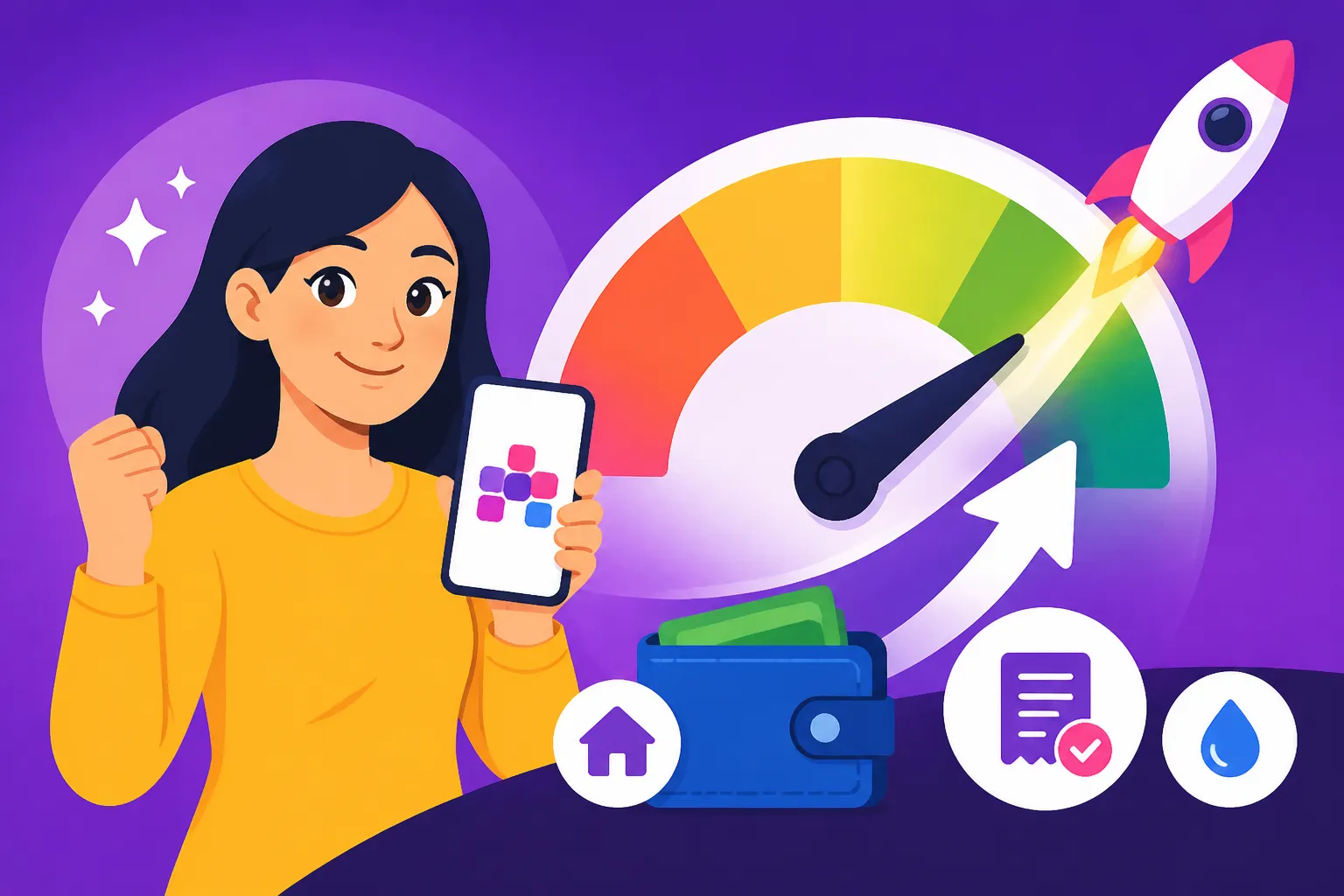
Experian Boost is a free service that offers a unique way to help individuals, especially those with thin credit files or limited traditional credit, potentially improve their Experian FICO Score. What makes it particularly interesting for people without a regular job is its focus on non-traditional payment history. Instead of just looking at credit cards and loans, it taps into your utility and subscription payments, giving you credit for bills you’re likely already paying on time.
What Experian Boost Does
In essence, Experian Boost allows you to give Experian access to your bank accounts. It then scans these accounts for qualifying payments you've made to utility providers (like electricity, gas, water), telecom companies (phone, internet), and even streaming services (like Netflix or Hulu). If you've been consistently paying these bills on time, Experian Boost can add these positive payment histories to your Experian credit report. For someone with little to no traditional credit, this can provide a much-needed foundation. It's essentially leveraging the good financial habits you already have, but the credit bureaus usually ignore.
The Power of Non-Traditional Payments
Think about it: even without a job, most people still pay for necessities like electricity, water, and their phone bill. Many also pay for streaming services or internet access. These are regular, recurring payments that demonstrate financial responsibility. Experian Boost recognizes this. By including these payments, it allows you to showcase a broader picture of your reliability. This is incredibly valuable because it can turn what used to be "invisible" financial discipline into a tangible asset on your credit report, potentially helping you raise your credit score. This is a game-changer when you're trying to figure out how to build credit without a credit card or other traditional lines of credit.
Where Experian Boost Falls Short (and Why It's Still Worth It)
It's important to understand that Experian Boost isn't a magic bullet, and it has its limitations. First and foremost, as the name suggests, it only impacts your Experian FICO Score. The other two major credit bureaus, Equifax and TransUnion, do not currently incorporate Boosted data into their scoring models. This means while your Experian score might see a bump, your scores at Equifax and TransUnion may not change. Secondly, it primarily benefits those with thin credit files or lower scores; if you already have a robust credit history and high scores, you might not see a significant impact.
However, even with these caveats, Experian Boost is absolutely worth it for individuals without a job looking to build credit. A stronger Experian score can still open doors, as many lenders use Experian data. Plus, it’s free, takes minimal effort, and there’s no downside to trying it. It's about taking any step forward when traditional paths are blocked.
Step-by-Step: Using Experian Boost with No Job
Getting started with Experian Boost is straightforward, even if your financial situation is unconventional. The process is designed to be user-friendly, allowing you to quickly leverage your existing payment habits.
Setting Up Your Free Experian Account
Your first step is to sign up for a free Experian account. You can do this easily on their website. They will ask for some basic personal information to verify your identity. Don't worry, signing up and using the Boost service is free and does not require a credit card or a hard inquiry on your credit report. This initial step just establishes your profile within the Experian ecosystem, allowing you to access your Experian credit report and score, and eventually, the Boost feature. It's a great way to check your credit score for free and see where you currently stand before applying the Boost.
Connecting Your Bank Accounts
Once your Experian account is set up, you'll be prompted to connect the bank accounts you use to pay your bills. This is the crucial part where Experian Boost can do its work. You’ll securely link your checking or savings accounts through a third-party service that integrates with thousands of financial institutions. Experian Boost will then scan your transaction history to identify eligible payments. They use bank-level encryption, so your financial data is secure. It's essential to link the accounts you regularly use for paying bills, as this is where the system will find the most relevant payment history.
Identifying and Boosting Eligible Payments
After connecting your accounts, Experian Boost will present you with a list of recurring utility, telecom, and streaming service payments it identifies. You'll see things like your electricity bill from your local provider (e.g., PG&E in California or Con Edison in New York), your internet bill from Xfinity or Spectrum, your mobile phone bill, and even subscriptions like Netflix, Disney+, or Spotify. You then get to choose which of these positive payment histories you want to add to your Experian credit file. You confirm these payments, and then, often instantly, you might see an increase in your Experian FICO Score.
It's important to remember that not all recurring payments will qualify. For example, rent payments are often not included in the core Experian Boost service, though other services specialize in rent reporting to credit bureaus. Focus on the ones Experian Boost specifically identifies.
Other Credit-Building Strategies When Unemployed
While Experian Boost is a fantastic starting point for building credit without a traditional job, it’s not the only tool in your arsenal. A holistic approach involves leveraging several strategies to maximize your chances of success.
Becoming an Authorized User
One of the quickest ways to establish a credit history without needing to apply for your own credit is to become an authorized user on someone else’s credit card. This could be a trusted family member or friend with excellent credit. When you’re added, that account, including its positive payment history and credit limit, can appear on your credit report. This can provide an immediate boost to your credit age and available credit. The primary cardholder’s responsible usage benefits you directly. However, it's crucial that the primary cardholder maintains excellent payment habits, as their mistakes could also impact your score. Learn more about the ins and outs of how to become an authorized user to build credit.
Secured Credit Cards
If you can manage to put down a small security deposit, a secured credit card is an excellent option for building credit. Unlike traditional credit cards, a secured card requires you to deposit money with the issuer, which then typically becomes your credit limit. For example, if you deposit $200, your credit limit is $200. This minimizes risk for the lender, making them more willing to approve applicants with no credit history or low income. As you use the card responsibly and make on-time payments, the issuer reports your activity to the credit bureaus. Many secured cards, like the Discover it® Secured Credit Card or the Capital One Platinum Secured Credit Card, even offer a path to upgrade to an unsecured card and get your deposit back after demonstrating responsible use. These are great tools for how to build credit from scratch.
Credit Builder Loans
A credit builder loan is another fantastic option, especially if you prefer a loan structure over a credit card. These loans are specifically designed to help you build credit. Here's how they typically work: you take out a small loan, but instead of receiving the money upfront, the funds are held in a locked savings account or Certificate of Deposit (CD) by the lender. You then make regular, on-time payments, which are reported to the credit bureaus. Once the loan is fully paid off, you receive the money from the savings account.
Companies like Credit Strong and Self are popular providers of credit builder loans. For instance, Credit Strong offers different plans where you make payments, and they report that positive activity. It's a structured way to prove payment consistency without needing upfront access to a large sum of money. This method builds both your credit history and a small savings cushion. It’s a very intentional way to address the factors that affect your credit score and demonstrates a positive payment history.
Rent Reporting Services
While Experian Boost focuses on utilities and streaming, dedicated rent reporting services can ensure your on-time rent payments also contribute to your credit history. Services like Rent reporting can report your past and ongoing rent payments to one or all three major credit bureaus. This is particularly valuable for those whose rent might be their largest regular payment. Since rent payments are not typically included in credit reports unless they go to collections, proactively reporting them can significantly bolster your credit file.
Expected Impacts and Long-Term Credit Building
It’s exciting to see your credit score potentially jump after using Experian Boost, but it’s important to have realistic expectations and understand that building strong credit is a marathon, not a sprint. Experian Boost is a powerful first step, especially when you don't have a job, but sustained effort is key.
| Feature | Traditional Credit Building | Experian Boost | Credit Builder Loan (e.g., Credit Strong) | Secured Credit Card |
|---|---|---|---|---|
| Requires Income Proof | Yes, usually significant | Not directly | Less stringent than traditional loans | Not directly |
| Credit Score Impact | All 3 bureaus | Primarily Experian FICO | All 3 bureaus | All 3 bureaus |
| Account Type | Loans, credit cards | Utilities, streaming, phone | Installment loan | Revolving credit |
| Risk to Lender | Higher without collateral | Very low (no debt created) | Low (funds held as collateral) | Low (deposit) |
| Builds Savings | No | No | Yes (upon completion) | Yes (deposit refund) |
| Best For | Established earners | Thin files, no job | All credit levels, build savings | Bad/no credit |
What to Expect from Experian Boost
With Experian Boost, many users report an immediate increase in their Experian FICO Score, sometimes by as much as 10-20 points or more, especially if they have a limited credit history. However, this boost is just one piece of your overall credit picture. It helps establish a positive payment pattern, which is a major factor in how credit scores work. But it doesn't add new lines of credit or reduce credit utilization, which are also crucial for building a truly strong credit profile. Think of it as laying a solid foundation for your credit house.
The Importance of a Diversified Credit Profile
For long-term success, you'll want to move beyond just Experian Boost. As you start to see your Experian score improve, look into secured credit cards or credit builder loans (like those from Credit Strong) that report to all three bureaus. This will help you build a more robust credit profile across the board. A diversified credit mix, including both revolving credit (like credit cards) and installment loans (like credit builder loans), generally looks more favorable to lenders over time. The goal is to build a history that showcases responsible management of various credit types. This also means understanding how long it takes to improve your credit score and staying consistent with good habits.
Maintaining Good Habits
Regardless of your employment status, the fundamental rules of good credit still apply. Always pay your bills on time, whether they're utilities, credit card statements, or loan payments. Keep your credit utilization low on any credit cards you acquire (ideally below 30% of your limit). And regularly monitor your credit reports for errors. These habits, combined with tools like Experian Boost and credit builder loans from companies like Credit Strong, will be your strongest allies in building a healthy credit score over time. Building credit with no job is absolutely possible; it just requires a bit more creativity and leveraging the tools available to you.
Disclaimer
This article is for general informational purposes only and does not constitute professional advice. Laws, prices and regulations vary by location and change over time. Consult a qualified professional for guidance on your specific situation.