Can You Build Credit With One Credit Card?
It can feel incredibly daunting when you're just starting out, or rebuilding after a financial setback, and you’re staring down the prospect of trying to build a solid credit history with seemingly nothing but a single credit card. Many people wonder if one card is truly enough to make a difference, fearing they need a whole portfolio of accounts to establish themselves. This comprehensive guide will walk you through exactly how you can effectively build and strengthen your credit score using just one credit card, as well as when and why you might consider other avenues.
The Core Question: Building Credit with Just One Card
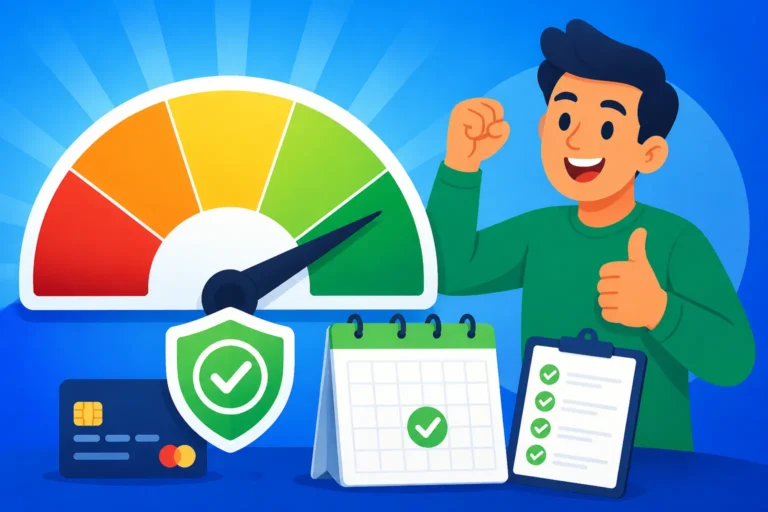
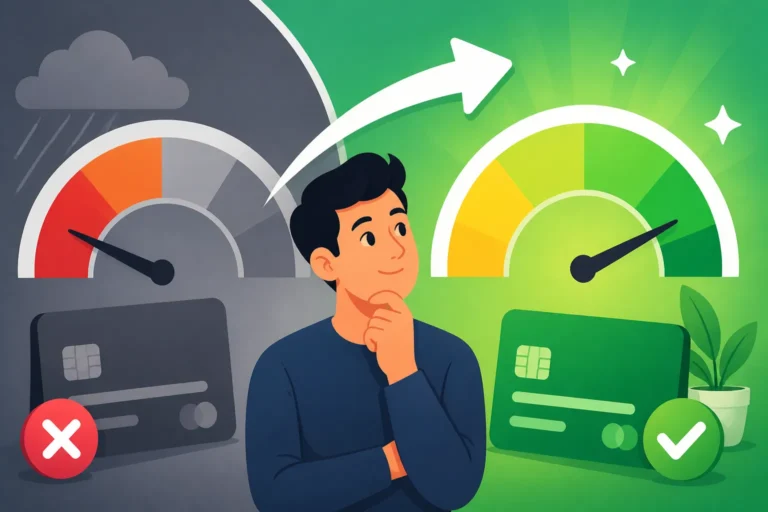
The short answer is a resounding "yes," you absolutely can build credit with one credit card. However, the effectiveness hinges entirely on how you manage that single account. It's not about the quantity of cards, but the quality of your credit behavior. Think of it like a single seed: if you nurture it properly, it can grow into a strong, healthy plant, but neglect it, and it won't flourish.
How a Single Card Contributes to Your Credit Profile
Your credit score is primarily a reflection of your financial habits, and a single credit card, when used responsibly, can showcase excellent habits across several key factors that credit bureaus like Experian, Equifax, and TransUnion track.
First and foremost is your payment history, which is the most significant factor, accounting for roughly 35% of your FICO score. Every single on-time payment you make demonstrates reliability. With just one card, each month presents a fresh opportunity to prove you're a responsible borrower. A consistent string of on-time payments, month after month, year after year, will steadily build a positive track record. Conversely, even one late payment can have a disproportionately negative impact, highlighting the importance of unwavering diligence.
Next up is credit utilization, making up about 30% of your score. This refers to how much of your available credit you're using. With only one card, managing this percentage becomes even more critical. If your single card has a credit limit of $500 and you carry a $400 balance, your utilization is a high 80%, which can significantly ding your score. On the other hand, if you keep that balance below $150 (30% utilization) or even lower, it sends a strong signal that you're not over-reliant on credit and can manage your finances well. We'll dive deeper into this soon, but suffice it to say, keeping utilization low is paramount. You can learn more about this crucial factor in our guide on Credit Utilization: The Complete Guide.
Finally, a single card helps establish your length of credit history, which is about 15% of your score. The longer you keep that one account open and in good standing, the more seasoned and reliable your credit profile appears. Even if it's your only account, a card that's been open and active for several years provides a much stronger foundation than a brand new card. This factor truly emphasizes the power of time and consistency.
The Limitations of a One-Card Approach
While you can definitely build good credit with one card, it’s also important to be realistic about its limitations. There are certain aspects of your credit profile that might develop more slowly or not at all with just a single account.
One key area is your credit mix, which accounts for about 10% of your score. Lenders and credit scoring models like to see a healthy blend of different credit types, such as revolving credit (like credit cards) and installment loans (like car loans or mortgages). With only one credit card, you're missing out on demonstrating your ability to handle different kinds of debt. This doesn't mean your score will be bad, but it might not reach its absolute peak without this diversity. If you're looking to really diversify, exploring options like a credit builder loan from a provider like Credit Strong can be a great way to add an installment loan to your mix while building savings.
Another limitation is related to your total available credit. When you only have one card, your total credit limit is, by definition, just that single card's limit. This can make it challenging to maintain low credit utilization if you ever need to make a larger purchase or handle an unexpected expense. For instance, if your one card has a $1,000 limit, a sudden $300 car repair instantly puts your utilization at 30%. With multiple cards, that same $300 distributed across several cards with higher total limits would result in a much lower overall utilization percentage. This is why some people find themselves accidentally hurting their score even with responsible spending.
Lastly, having only one card means you have fewer "lines of defense" against errors or issues. If that one card is compromised, or if the issuer decides to close your account, it could temporarily impact your credit score more significantly than if you had other active accounts to fall back on. Diversification, when managed responsibly, can offer a bit more stability to your credit profile over time.
Strategies for Maximizing Your Single Credit Card
Building good credit with just one card isn't just about having it; it's about actively, strategically managing it. It requires discipline and a clear understanding of how your actions impact your credit score.
Master Consistent On-Time Payments
This is the golden rule, the bedrock of good credit. Nothing will help your score more, or hurt it faster, than your payment history. For most credit scoring models, payments made on time are the single most important factor.
To master this, start by setting up automatic payments for at least the minimum amount due. This acts as a safety net, ensuring you never accidentally miss a payment due to forgetfulness or a busy schedule. While paying only the minimum won't help you pay down debt quickly, it will protect your payment history. However, ideally, you should always aim to pay your full statement balance every month if you can. This avoids interest charges entirely and further reinforces excellent payment habits. Even if you're only making small purchases, consistently paying them off by the due date will create a strong, positive history that lenders love to see. Understanding How Credit Scores Work: The Complete Guide will really drive home the importance of this.
It's also crucial to monitor your payment due date closely. Some people make the mistake of paying around the time they get their statement, but the due date can be several weeks later. Mark it on your calendar, set phone reminders, or utilize your bank's bill pay features. Consistency truly is the secret ingredient here. Every single successful payment is a deposit into your credit reputation.
Keep Your Credit Utilization Low
As we touched on earlier, credit utilization is a huge deal, especially when you only have one credit card. Lenders see high utilization as a sign of financial distress or over-reliance on credit, even if you pay your bill in full every month. The general rule of thumb is to keep your utilization below 30% of your total credit limit. However, aiming for under 10% is even better for maximizing your score.
Let's say your one credit card has a $1,000 limit. To keep your utilization below 30%, you should aim to never let your reported balance exceed $300. For an ideal sub-10% target, that means keeping your balance under $100. This might sound restrictive, but it's entirely manageable with smart habits.
The trick is to think about your usage throughout the month. If you plan to spend $200 on your card, consider making a mid-cycle payment of $150 or $100 before your statement closes. This way, when the credit card issuer reports your balance to the credit bureaus, the amount will be much lower, even if you used more of your available credit temporarily. This strategy can significantly impact your reported utilization and thus your credit score. Remember, your credit report usually reflects the balance on your statement closing date, not necessarily your balance on the payment due date. So, paying down your balance before the statement closes is a pro tip for maintaining low utilization. Our article on How Much of Your Credit Limit Should You Use? delves deeper into this.
Understand Your Statement and Due Dates
It's easy to confuse these two dates, but understanding the difference is vital for effective credit management, especially with a single card.
Your statement closing date (or cycle date) is when your credit card issuer compiles all your transactions for the billing period and generates your monthly statement. The balance on this date is generally what gets reported to the credit bureaus. This is why making a payment before this date can help keep your reported credit utilization low.
Your payment due date is the deadline by which your minimum payment (or ideally, your full balance) must be received by the issuer to avoid late fees and a negative mark on your credit report. This date is typically about 21-25 days after your statement closing date.
Here’s a practical example:
Imagine your statement closing date is the 15th of every month, and your payment due date is the 10th of the following month.
- On July 15th, your statement balance is $250. This is the amount that will likely be reported to the credit bureaus.
- Your payment for that $250 is due by August 10th.
- Between July 15th and August 10th, you might use your card for another $100 in purchases. If you pay the full $250 by August 10th, you avoid interest.
- However, if you want your utilization reported lower, you could pay $150 of your $250 balance before July 15th. Then, when the statement closes, your reported balance would be $100, which is fantastic for your score!
By being mindful of both dates, you can strategically manage your single credit card to build credit efficiently.
| Aspect | Action with One Credit Card | Impact on Credit Score |
|---|---|---|
| Payment History | Always pay on time, ideally the full statement. | Most significant positive impact; late payments are detrimental. |
| Credit Utilization | Keep reported balance <30% (ideally <10%). | Major positive impact. Low utilization = responsible borrower. |
| Length of History | Keep the card open and active for many years. | Longer history is better; shows stability. |
| New Credit | Avoid frequent applications for credit. | Infrequent hard inquiries are best with one card. |
| Credit Mix | Limited to revolving credit. | Won't diversify mix, but won't prevent good score if other factors are strong. |
When One Card Isn't Enough: Considering Alternatives and Next Steps
While a single credit card can be a powerful tool for building credit, there might come a point where you feel you’ve maxed out its potential or need to diversify your credit profile further. This is where exploring other credit-building tools and strategically adding additional accounts comes into play.
Exploring Other Credit-Building Tools
If you're finding that one traditional credit card isn't moving the needle as fast as you'd like, or if you simply can't qualify for one yet, there are other fantastic options designed specifically for building credit.
Secured Credit Cards: These are often the first step for many people with no credit or bad credit. With a secured credit card, you put down a cash deposit, which typically becomes your credit limit. This deposit secures the card, reducing the risk for the issuer. You use it just like a regular credit card, making purchases and paying your bill. The key difference is that your deposit is held by the bank as collateral. The good news is that these cards report your activity to the credit bureaus, building your payment history and utilization, just like an unsecured card. After a period of responsible use (often 6-12 months), many secured card issuers will allow you to "graduate" to an unsecured card and refund your deposit. You can learn more in our guide on Secured Credit Cards: How They Build Credit.
Credit Builder Loans: These are specifically designed to help you establish a positive payment history and save money at the same time. With a credit builder loan, a lender (like those offered by Credit Strong) deposits the loan amount into a locked savings account or Certificate of Deposit (CD) that you can't access until the loan is fully paid off. You make regular monthly payments, and each payment is reported to the credit bureaus as an installment loan payment. Once the loan is paid in full, you receive access to the money. This adds an installment loan to your credit mix, which is excellent for diversification, and helps you build savings. Companies like Credit Strong offer these services, making it easier for people to get started. Many find these particularly helpful if they're looking for a structured way to build credit without the temptation of overspending on a credit card. Check out our detailed explanation of Credit Builder Loans Explained (Self, Kikoff & More).
Becoming an Authorized User: If you have a trusted family member or friend with excellent credit, they might be willing to add you as an authorized user on one of their credit card accounts. When this happens, their positive payment history and credit limit can appear on your credit report, giving your score a boost. It’s crucial that the primary cardholder is very responsible, as their missteps could also affect you. There's a lot to consider here, so read our guide on How to Become an Authorized User to Build Credit for the full picture.
Rent Reporting Services: Traditionally, rent payments don't show up on your credit report. However, several services now allow you to have your on-time rent payments reported to one or more of the credit bureaus. This can be a fantastic way to leverage an expense you're already paying to build positive payment history. Services like RentReporting.com or Experian Boost can help you explore this option. Our article Rent Reporting: Can Paying Rent Build Credit? offers more insights.
Strategically Adding a Second Card Later On
Once you’ve successfully managed your first credit card for at least 6-12 months and have a budding credit score, you might start thinking about a second card. This isn't about collecting cards, but about strategically enhancing your credit profile.
When you're ready, look for a second card that complements your first. Perhaps your initial card was secured, and now you qualify for an unsecured card with better rewards or a higher limit. Or maybe your first card has a relatively low limit, and a second card will significantly increase your total available credit, making it easier to maintain low utilization across all your accounts. For instance, if you have one card with a $500 limit, and you get a second with a $1,500 limit, your total available credit jumps to $2,000. Now, that $300 car repair only puts you at 15% utilization overall, which is much better for your score.
However, be mindful of hard inquiries when applying for new credit, as these can cause a small, temporary dip in your score. Only apply for cards you're reasonably confident you'll be approved for, and space out your applications. Opening new accounts too rapidly can be a red flag to lenders. Our guide on How to Get Your First Credit Card With No Credit provides excellent advice on finding suitable starter cards.
The goal isn't just to have more cards, but to maintain the same excellent habits – paying on time and keeping utilization low – across all your accounts. Adding a second card, when done thoughtfully, can definitely help in your journey to How to Go From No Credit to 700 and beyond.
Disclaimer
The information provided in this article is for general informational purposes only and does not constitute financial, legal, or professional advice. Always consult with a qualified financial advisor or credit counselor for advice tailored to your specific situation. Credit reporting agencies and scoring models may change their methodologies, and individual results can vary.