How to Build Credit After a Repossession Using Experian Boost
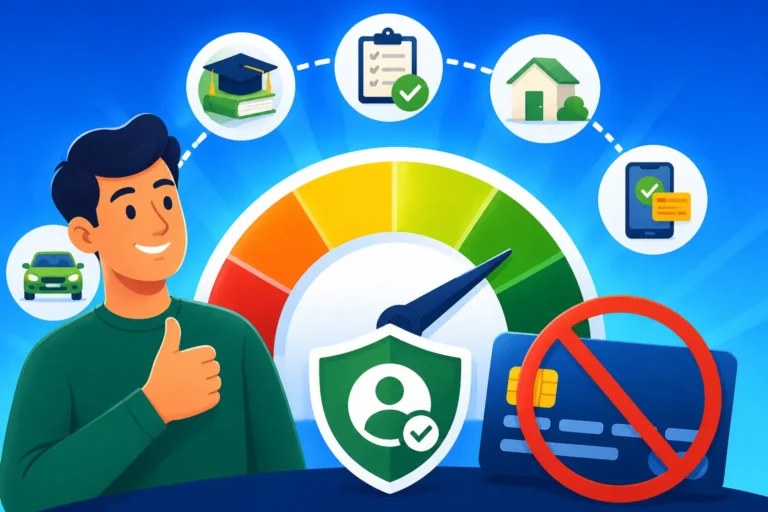
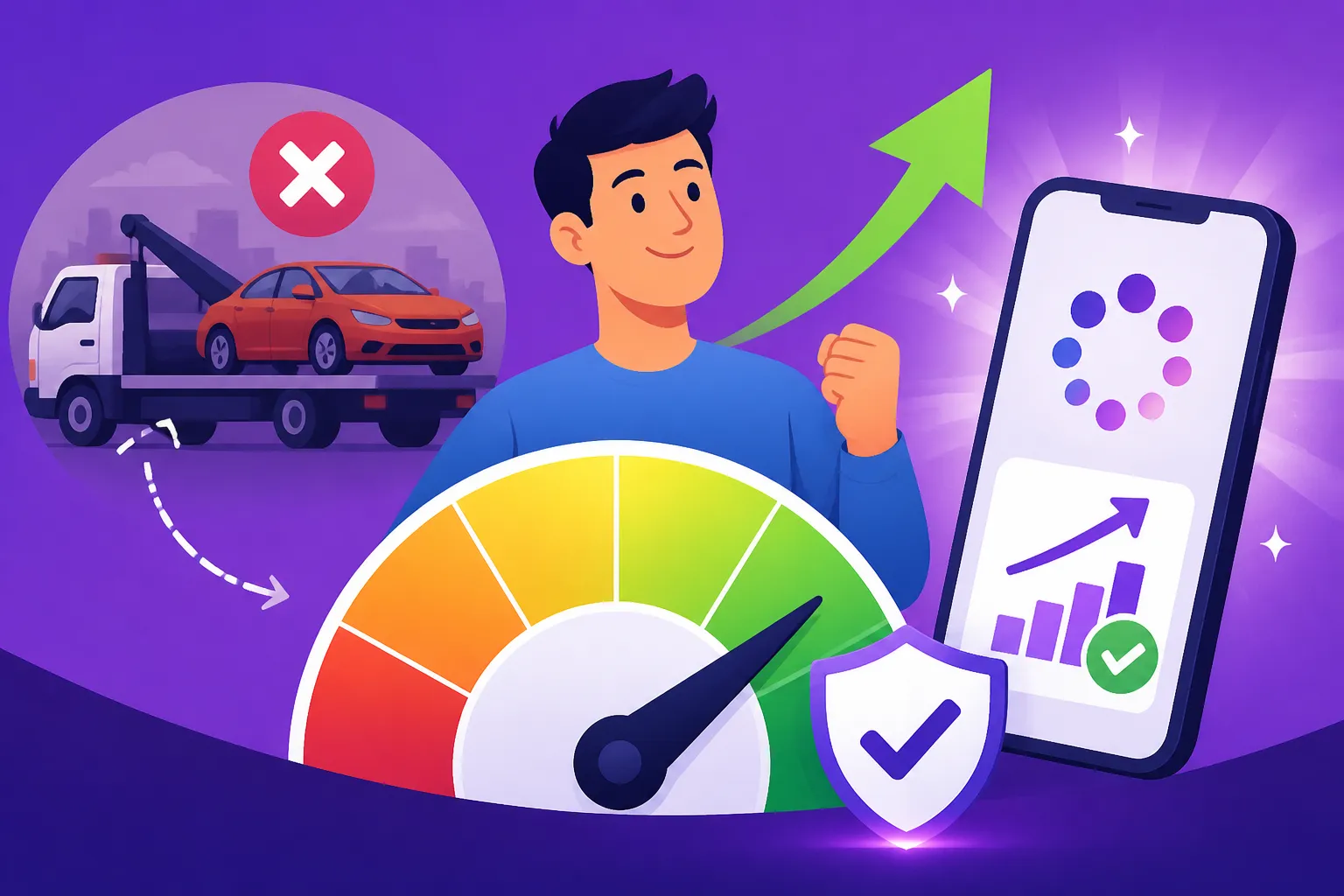
Experiencing a car repossession is a truly disheartening blow, leaving you feeling like your financial future has been slammed into reverse. It's more than just losing a vehicle; it's a significant scar on your credit report that can make everything from getting a new loan to renting an apartment feel impossible. This guide will walk you through how Experian Boost can be a valuable tool in your journey to rebuild credit after a repossession, offering a path to add positive payment history where it counts.
Understanding the Impact of a Repossession on Your Credit
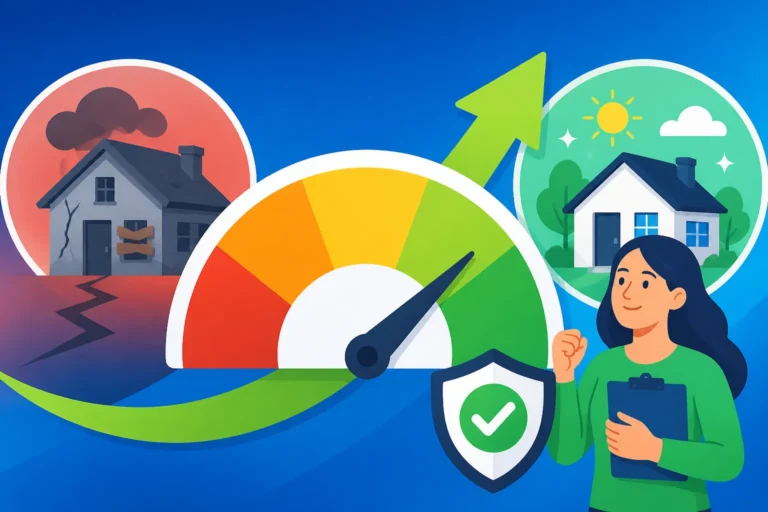
A repossession is one of the most severe negative marks that can appear on your credit report, sending a clear signal to potential lenders and creditors that you defaulted on a loan obligation. It’s a tough reality, and the ripples of this event can be felt for years.
How a Repossession Damages Your Credit Score
When a lender repossesses a vehicle, it's typically because you've stopped making payments as agreed. This immediately triggers a chain reaction of negative reporting. First, the string of missed payments leading up to the repossession will hit your payment history, which is the single most important factor in your credit score, accounting for a massive 35% of your FICO Score. Even one late payment can cause a significant drop, so multiple missed payments followed by a repossession can be devastating.
Beyond the missed payments, the repossession itself is reported as a separate derogatory item. This signifies that the lender had to take back the collateral due to non-payment. Often, the vehicle is then sold at auction, and if the sale price doesn't cover the remaining loan balance, interest, and repossession fees, you'll be left with a "deficiency balance." This outstanding debt can then be sold to a collection agency, adding another negative item to your credit report. The cumulative effect of these entries – late payments, the repossession, and potentially a collection – can send your credit score plummeting by over a hundred points, depending on your prior credit standing. A repossession typically stays on your credit report for seven years from the original delinquency date, profoundly affecting your financial options during that time. To understand more about the specifics, you can check out our guide on How Long Does a Repossession Stay on Your Credit Report?.
The Roadblocks After a Repossession
The immediate aftermath of a repossession isn't just about a lower credit score; it's about the tangible obstacles that suddenly appear in your daily life. Trying to secure a new car loan, for example, becomes incredibly difficult. Lenders will view you as a high risk, and if you do qualify, you'll likely face exorbitant interest rates, potentially hundreds of dollars more per month than someone with good credit. You might also be required to put down a much larger down payment, if not the entire cost, due to your past history.
It’s not just big-ticket loans, either. Getting approved for a new credit card, even a basic one, can be challenging. Landlords often check credit reports as part of their tenant screening process, and a repossession can lead to denied housing applications or require you to pay a significantly higher security deposit. Even something as simple as getting competitive rates on auto insurance or signing up for certain utility services without a deposit can become a struggle. Essentially, a repossession signals to the financial world that you're a significant risk, and that perception dictates the terms you're offered – or not offered – for various financial products and services.
What Exactly Is Experian Boost and How Does It Work?
In a world where traditional credit factors dominate, Experian Boost arrived as a potentially game-changing tool for many consumers, especially those struggling with thin credit files or recovering from major credit setbacks like a repossession. It's a free service offered by Experian that aims to help you by taking into account positive payment history that usually doesn't show up on your credit report.
Connecting Your Financial Accounts
The core mechanism of Experian Boost is straightforward yet powerful: it allows you to connect your bank accounts (checking and savings) securely to your Experian credit profile. This isn't about giving them access to your money; it's about letting their system scan your transaction history for specific types of on-time payments. The process is designed to be secure, using bank-level encryption, and you retain control over which accounts are linked and what information is shared.
Once connected, Experian's technology analyzes your past 24 months of payment history to identify eligible payments. It's specifically looking for payments that demonstrate responsible financial behavior but traditionally aren't included in your FICO Score calculation. This automated process is quick, and in most cases, you'll see if you're eligible for a "boost" to your credit score almost immediately after connecting your accounts and verifying the payments.
The Types of Payments Experian Boost Considers
The beauty of Experian Boost lies in its focus on everyday expenses that most people pay diligently, often without realizing they could be helping their credit. The service specifically looks for on-time payments made to:
- Utility providers: This includes your electric, gas, water, and even trash collection bills. If you've consistently paid these on time, that positive history can now count.
- Telecommunications companies: Your phone bill (both landline and mobile) and internet service providers are often included. If you’re like most people, these are non-negotiable payments that you make every month.
- Streaming services: Yes, even your Netflix, Hulu, Disney+, and similar subscriptions can potentially contribute. If you're paying these regularly and on time, Experian Boost can pick up on it.
It's crucial to understand that these are payments that typically don't report to any of the major credit bureaus – Equifax, Experian, or TransUnion – under normal circumstances. This is what makes Experian Boost unique; it's bringing previously "invisible" positive financial habits into the credit scoring model, specifically for your FICO Score 8 and FICO Score 9 through Experian. This means it might not impact scores from other bureaus or older FICO models, but it's still a significant step for many.
Using Experian Boost to Rebuild Credit After a Repossession
A repossession is a deep hole to climb out of credit-wise. It directly hits your payment history and amounts owed, two critical factors in your credit score. Experian Boost, while not a magic wand, can be a valuable tool in your credit rebuilding arsenal, especially when traditional options feel out of reach.
How Experian Boost Can Help Mitigate Repossession Damage
A repossession signals to lenders that you failed to make good on a debt, which is a significant red flag. Experian Boost doesn't remove the repossession from your credit report – nothing can do that unless it's genuinely an error. However, what it can do is introduce new, positive payment data to your Experian credit file. Think of it this way: the repossession is a heavy negative weight on your score. By consistently adding on-time utility, telecom, and streaming payments through Experian Boost, you're adding positive weight to the other side of the scale.
For someone whose credit score took a severe hit from a repossession, every little bit helps. A 10 to 20 point boost might not sound like much in isolation, but it could be enough to nudge you into a slightly better credit tier (e.g., from "Very Poor" to "Poor" or "Poor" to "Fair"). This seemingly small improvement can make a difference when applying for future credit products, potentially helping you qualify for a secured credit card or a credit builder loan with slightly better terms. It shows that despite past challenges, you are capable of managing regular payments responsibly, which can soften the blow of that repossession in the eyes of some lenders using Experian data.
Step-by-Step Guide to Activating Experian Boost
Getting started with Experian Boost is surprisingly easy and takes just a few minutes:
- Sign Up for a Free Experian Account: First things first, you'll need an account with Experian. You can do this by visiting their website or downloading the Experian app. It's free, and this account will also allow you to check your Experian credit report and score.
- Link Your Bank Accounts Securely: Once logged in, navigate to the Experian Boost section. You'll be prompted to link your primary checking account and any other accounts you use to pay bills. Experian uses secure, encrypted connections to access your transaction data. You're not giving them direct access to move money, just permission to read your payment history. It's important to use the bank account you regularly use for your utility, phone, and streaming bills.
- Verify and Select Payments: After connecting, Experian Boost will scan your transaction history for the past 24 months, identifying recurring payments to eligible utility, telecom, and streaming service providers. It will then present you with a list of identified payments. You have the option to confirm which payments you want to include in your Experian Boost calculation. You control what gets reported.
- See Your Immediate Score Boost: Once you confirm your payments, Experian Boost will instantly calculate any potential increase to your FICO Score 8 and FICO Score 9. Many users report seeing an immediate bump to their score, which can be incredibly encouraging, especially when you're working hard to overcome a past financial setback like a repossession. Remember, this boost specifically applies to your Experian credit file and FICO scores.
Combining Experian Boost with Other Credit-Building Strategies
While Experian Boost is a fantastic tool for adding positive payment history, it's most effective when used as part of a broader credit-building strategy. A repossession impacts multiple aspects of your credit, so a multi-pronged approach is essential.
Secured Credit Cards and Credit Builder Loans
One of the most impactful ways to rebuild credit after a repossession is by establishing new, positive traditional credit accounts. This means accounts that regularly report to all three major credit bureaus.
- Secured Credit Cards: These cards are designed for people with poor or limited credit. You deposit money into a savings account, which then becomes your credit limit. For example, if you deposit $200, you get a card with a $200 limit. As you use the card responsibly and pay your balance on time each month, the card issuer reports your good behavior to the credit bureaus. This demonstrates your ability to handle credit, which is crucial when overcoming past defaults. Over time, with consistent on-time payments, many secured cards can graduate to unsecured cards, and you'll get your deposit back. Learn more about how these work in our guide on Secured Credit Cards: How They Build Credit.
- Credit Builder Loans: These are another excellent tool, and they work a bit differently. Instead of getting the loan money upfront, the funds are typically held in a locked savings account or Certificate of Deposit (CD) while you make monthly payments. Once the loan is fully paid off, you receive the money. The key here is that each on-time payment is reported to the credit bureaus, creating a positive payment history. Companies like Credit Strong specialize in these types of loans, providing a structured way to build credit without needing a large initial sum or perfect credit history. These loans are specifically designed to show consistent payment behavior, which can be a significant counterpoint to the negative history from a repossession. They often report to all three bureaus, ensuring your positive efforts are widely seen. You can dive deeper into this topic with our article on Credit Builder Loans Explained (Self, Kikoff & More).
Addressing the Repossession Itself
While Experian Boost helps by adding positive data, you shouldn't ignore the repossession entry on your credit report. It's vital to ensure its accuracy.
- Review Your Credit Report: Obtain copies of your credit report from all three major bureaus – Equifax, Experian, and TransUnion. You can do this for free at AnnualCreditReport.com. Carefully review the repossession entry. Is the date of first delinquency correct? Is the balance owed (if any) accurate? Are there any duplicate entries?
- Dispute Inaccuracies: If you find any errors, no matter how small, you have the right to dispute them with the credit bureaus. This process can sometimes lead to the removal of inaccurate information. Even if the repossession is legitimate, ensuring its accuracy prevents further harm. Our guide on How to Remove a Repossession From Your Credit Report offers detailed steps on how to approach this.
- Negotiate Any Deficiency Balance: If there's a deficiency balance that went to collections, consider negotiating a settlement. Sometimes, you can pay less than the full amount owed. If you do settle, try to get the collector to agree to a "pay-for-delete" agreement in writing, where they remove the collection account in exchange for your payment. However, be aware that "pay-for-delete" is not guaranteed and many creditors do not agree to it.
Monitoring Your Credit Progress
Rebuilding credit is a marathon, not a sprint. Consistent monitoring is essential to track your progress and catch any new issues quickly.
- Regular Credit Report Checks: Make a habit of checking your credit reports from all three bureaus at least once a year, or more frequently if you're actively rebuilding. Look for new negative items, signs of identity theft, or simply verify that your positive actions (like secured card payments or credit builder loan payments) are being reported correctly. Our comprehensive guide on How to Read Your Credit Report (2026 Guide) can help you decipher what you see.
- Utilize Free Credit Monitoring Tools: Many services, including Experian itself, Credit Karma, and other financial apps, offer free credit monitoring and score updates. While these scores might be VantageScores and not FICO, they still give you a good idea of trends. Seeing your scores gradually climb due to your efforts can be incredibly motivating. Checking your score regularly won't hurt it, so make use of tools like How to Check Your Credit Score for Free.
By strategically combining Experian Boost with traditional credit-building products and diligent credit monitoring, you can steadily improve your credit health and distance yourself from the negative impact of a repossession. It takes time and dedication, but a positive outcome is absolutely achievable. If you're looking for an overall strategy, consider reviewing How to Build Credit From Scratch (2026 Guide) to integrate more fundamental building blocks.
Real-World Expectations and Limitations of Experian Boost
Experian Boost is a powerful innovation, but it's important to approach it with realistic expectations. It's a tool, not a miracle cure, especially when dealing with severe credit damage like a repossession.
Who Benefits Most from Experian Boost?
Experian Boost tends to be most effective for specific groups of individuals:
- Those with Thin Credit Files: If you have very few traditional credit accounts (like credit cards or loans) reporting to the bureaus, Experian Boost can be a game-changer. It adds new data points, helping to establish a more robust credit profile, even if you’re just starting to build credit. This is particularly useful for young adults or new immigrants who are just beginning their credit journey. You might find our article on Thin Credit File: How to Build a Credit History useful.
- Individuals with Good Payment Habits, but No Traditional Reporting: Many people diligently pay their rent, utilities, and phone bills on time every single month. Before Boost, this responsible behavior often went unrewarded in terms of credit scoring. Boost allows these on-time payments to positively influence their Experian FICO Score.
- People with Moderate Credit Issues: While it can help after a repossession, it offers the most significant percentage boost to those in the "Fair" to "Good" range or those with thin files. If your score is already low due to a repossession, a 10-20 point increase might still be a relatively small step, but it’s definitely a step in the right direction. It can help bridge the gap, potentially moving you from being rejected for a secured card to being approved.
What Experian Boost Won't Do
It's crucial to understand the limitations of Experian Boost so you can integrate it effectively into your credit repair plan:
- It Won't Remove Negative Items: Experian Boost does not have the power to remove a repossession, late payments, collections, or any other derogatory marks from your credit report. Its sole function is to add positive payment history. The repossession will remain on your report for its full seven-year duration unless it's proven to be inaccurate and successfully disputed.
- Only Impacts Specific FICO Scores (Experian): The boost you receive is specifically applied to your FICO Score 8 and FICO Score 9, and only when a lender pulls your report from Experian. This means it won't affect your scores from TransUnion or Equifax, nor will it impact older FICO scoring models that some lenders still use. So, while it's a definite plus for Experian, it's not universally applied across all credit scores.
- It's Not a Magic Bullet: While beneficial, Experian Boost alone typically isn't enough to dramatically transform a severely damaged credit score. It's a helpful addition, but it needs to be combined with other proven credit-building strategies, such as consistently making on-time payments on existing credit accounts, keeping credit utilization low, and potentially acquiring new, responsible credit lines like secured credit cards or credit builder loans (like those offered by Credit Strong). For a broader view on improving your score, consider our guide on How to Raise Your Credit Score (Step-by-Step).
Understanding these distinctions will help you manage your expectations and leverage Experian Boost as part of a comprehensive and realistic strategy to rebuild your credit after a repossession.
Experian Boost vs. Traditional Credit Building
Here's a quick comparison to help you understand where Experian Boost fits into your credit rebuilding journey.
| Feature | Experian Boost | Traditional Credit Building Methods (e.g., Secured Cards, Credit Builder Loans) |
|---|---|---|
| Data Source | Utility, telecom, streaming payments | Payments to lenders/creditors for credit cards, loans |
| Impact on Credit Score | Can increase FICO Score 8 & 9 (Experian only) | Impacts FICO & VantageScores across all 3 bureaus |
| Reports To | Primarily Experian (for Boosted scores) | All three major credit bureaus (Equifax, Experian, TransUnion) |
| Purpose | Add positive payment history not usually reported | Establish new credit history, demonstrate responsible borrowing |
| Effect on Negative Items | No direct effect; adds positive to offset | No direct effect on existing negative items |
| Cost | Free | May have fees, interest, or require a deposit |
| Speed of Impact | Often immediate | Takes 6-12 months for significant impact |
| Best For | Thin files, improving existing fair/good credit | Establishing/re-establishing a broad, strong credit history across all bureaus |
Disclaimer
The information provided in this article is for general educational purposes only and should not be considered financial or legal advice. Credit situations are highly individual, and it's always recommended to consult with a qualified financial advisor or credit counselor for personalized guidance regarding your specific circumstances. While we strive to provide accurate and up-to-date information, credit reporting practices and financial product offerings can change.