What Is a Soft Inquiry vs a Hard Inquiry?
Navigating the world of credit can feel like deciphering a secret code, and one of the most common points of confusion revolves around credit inquiries. Many people worry about applying for a loan or even checking their own credit, fearing it will somehow damage their score. This comprehensive guide will demystify hard and soft inquiries, explaining what they are, how they impact your financial standing, and how you can wisely manage them to protect and improve your credit health.
Understanding Credit Inquiries: The Basics
When you interact with lenders or even certain service providers, there's often a need for them to peek into your financial past. This "peek" is what we call a credit inquiry, and it's a fundamental part of how credit reporting agencies keep tabs on your borrowing behavior. Knowing the difference between the two main types of inquiries is crucial for anyone looking to maintain a healthy credit score.
What Exactly is a Credit Inquiry?
At its core, a credit inquiry is simply a request for information from your credit report. Think of your credit report as a detailed financial resume, listing all your credit accounts, payment history, and public records like bankruptcies. When a lender wants to assess your creditworthiness, they request this resume from one of the three major credit bureaus: Equifax, Experian, or TransUnion. Each time your report is accessed, a record of that access is noted on your report – this is the inquiry. It's an essential step for creditors to understand the level of risk they might be taking when extending you credit, whether for a new credit card or a significant loan. Without these inquiries, lenders wouldn't have a reliable way to gauge your financial responsibility, making it much harder for honest, responsible borrowers to secure favorable terms.
It's natural to feel a bit exposed when you know your financial data is being reviewed, but these inquiries serve a vital purpose in the lending ecosystem. They help lenders make informed decisions, which in turn helps keep the credit market stable and fair. For you, understanding them empowers you to make smarter financial choices, distinguishing between actions that might have a significant impact and those that are harmless.
Why Do Inquiries Matter for Your Credit?
Credit inquiries matter because they provide a snapshot of your recent credit-seeking behavior. While they make up a smaller portion of your overall credit score (typically around 10% of your FICO score), they can still signal risk to potential lenders, especially when they appear frequently. A sudden surge in inquiries might suggest to a lender that you're desperate for credit or potentially taking on more debt than you can handle. This is why you often hear advice about being mindful of how often you apply for new credit.
However, it's also important to remember that not all inquiries are created equal. The type of inquiry determines whether it will impact your score at all. A "hard" inquiry, which we'll discuss next, has the potential to slightly ding your score, while a "soft" inquiry does not. This distinction is vital for understanding your credit profile and for making strategic decisions about when and how to seek new credit. Ignoring these nuances can lead to unnecessary anxiety or, worse, unintended negative impacts on your credit standing. This guide will walk you through What Affects Your Credit Score? The 5 Factors in more detail.
Diving Deep into Hard Inquiries
Hard inquiries are the ones that typically cause the most concern, and for good reason. They are directly linked to applying for new credit and can temporarily lower your credit score. Understanding what triggers them, how they impact your score, and how long they stick around on your report is key to managing your credit effectively.
What Triggers a Hard Inquiry?
A hard inquiry is initiated any time you formally apply for a new line of credit. This means that you are giving explicit permission for a lender to pull your full credit report to assess your creditworthiness. Common scenarios that trigger a hard inquiry include applying for a new credit card, taking out a mortgage or a car loan, or even applying for certain types of personal loans. When you walk into a dealership or submit an online application for a new credit card from a company like Capital One or Chase, you're usually authorizing a hard inquiry.
The key here is your authorization. Lenders aren't just randomly pulling your report. You typically sign an application or check a box giving them permission to do so. This consent is what differentiates a hard inquiry from a soft one. It's a clear signal that you are actively seeking new credit, which is why credit scoring models pay attention to it. Think of it as a formal interview where the lender is truly digging deep into your financial history to decide if you're a good candidate for their product. It's worth knowing that even applying for services like a new mobile phone plan with a contract or certain utility services can sometimes result in a hard inquiry if they need to assess your credit risk.
How Hard Inquiries Affect Your Credit Score
When a hard inquiry appears on your credit report, it can cause a slight, temporary dip in your credit score. Typically, this drop is around 5 to 10 points, though it can vary depending on your overall credit profile. If you have a long, strong credit history, a single hard inquiry might have a negligible effect. However, if you have a short credit history or already have a lower score, the impact could be more noticeable. The reason for this dip is that new credit applications can signal an increased risk to lenders. Multiple hard inquiries in a short period can be particularly concerning.
For instance, if you apply for five credit cards within a month, lenders might interpret this as a sign of financial distress or an attempt to take on a large amount of new debt quickly, making you seem like a riskier borrower. This is why it's generally advised to space out your applications for new credit. The good news is that the impact of a hard inquiry is usually short-lived. Most credit scoring models only consider hard inquiries for about a year, even though they remain on your report for two. You can dive deeper into How Many Points Is a Hard Inquiry Worth? for more specific insights.
How Long Do Hard Inquiries Stay on Your Credit Report?
Hard inquiries remain on your credit report for a period of two years from the date of the inquiry. However, their impact on your credit score typically diminishes much sooner. While they'll be visible for 24 months, most common credit scoring models, like FICO and VantageScore, only factor them into your score for about the first 12 months. After that first year, even though the inquiry is still listed, it usually has no further bearing on your score.
This means that while a hard inquiry might cause a small, temporary dip in your score when it first appears, its influence fades over time. It's like a fleeting shadow rather than a permanent stain. So, if you applied for a new car loan a year and a half ago, that inquiry is still on your report, but it's likely not impacting your current score. This understanding can help alleviate some of the anxiety associated with seeking new credit, as long as you're strategic about your applications and don't overwhelm your credit report with too many in a short timeframe. Knowing How Long Does a Hard Inquiry Stay on Your Credit Report? can help you plan your credit moves.
Exploring Soft Inquiries in Detail
Now let's turn our attention to soft inquiries – the less impactful, often unnoticed credit checks that happen more frequently than you might realize. These are the friendly glances at your credit report that don't carry the same weight as their "hard" counterparts.
What Causes a Soft Inquiry?
Soft inquiries, also known as "soft pulls" or "soft credit checks," occur when someone checks your credit report without you specifically applying for a new line of credit. The key difference here is that you haven't given direct permission for a lender to make a lending decision based on that pull. These inquiries are typically for informational purposes only and are often initiated by you or by companies pre-screening you for offers.
Common scenarios include checking your own credit score through a service like Credit Karma or through your bank's credit monitoring tools. When you use a service to How to Check Your Credit Score for Free, you're generating a soft inquiry. Similarly, when credit card companies send you pre-approved offers in the mail, they've often done a soft inquiry to determine your eligibility. Existing creditors might also perform soft inquiries periodically to review your account and adjust credit limits or interest rates. Even certain employers might perform a soft inquiry as part of a background check, though this is less common for general employment and more for positions involving financial responsibility. The crucial point is, these are not tied to a new credit application, so they don't signal increased risk.
Why Soft Inquiries Don't Affect Your Score
The biggest relief when it comes to soft inquiries is that they do not impact your credit score. This is a common misconception and a source of unnecessary worry for many. Credit scoring models are designed to differentiate between active credit-seeking behavior (hard inquiries) and informational checks (soft inquiries). Since a soft inquiry isn't a direct signal that you're trying to take on new debt, it doesn't represent a change in your credit risk.
You could check your own credit score daily, and it would never cause a dip. This means you have the freedom to monitor your credit health regularly without fear. Services that offer free credit scores or credit monitoring often rely on soft inquiries, which is why they can provide you with up-to-date information without penalty. This allows you to stay informed about your financial standing, identify potential errors on your report, and track your progress as you work on improving your credit, all without the stress of harming your score. So, next time you think about checking your score, remember that Does Checking Your Own Credit Score Hurt It? The answer is no, not if it's a soft inquiry.
Who Can See Your Soft Inquiries?
Another significant difference between hard and soft inquiries lies in their visibility. Soft inquiries are generally only visible to you, the consumer, when you pull your own credit report, and sometimes to the company that initiated them. They are not visible to other lenders when those lenders perform their own hard inquiries. This provides an extra layer of privacy and ensures that these informational checks don't clutter your report for other potential creditors to see.
For example, if you're using an app like Credit Strong to monitor your credit progress, the inquiries generated by checking your score will be visible to you within the app and on your personal credit report, but a bank reviewing your application for a mortgage won't see those particular checks. This limited visibility is part of what makes soft inquiries harmless to your credit score. They are essentially background checks for your eyes only or for internal purposes by companies you already have a relationship with or those doing pre-screenings.
The Key Differences: Hard vs. Soft Inquiries
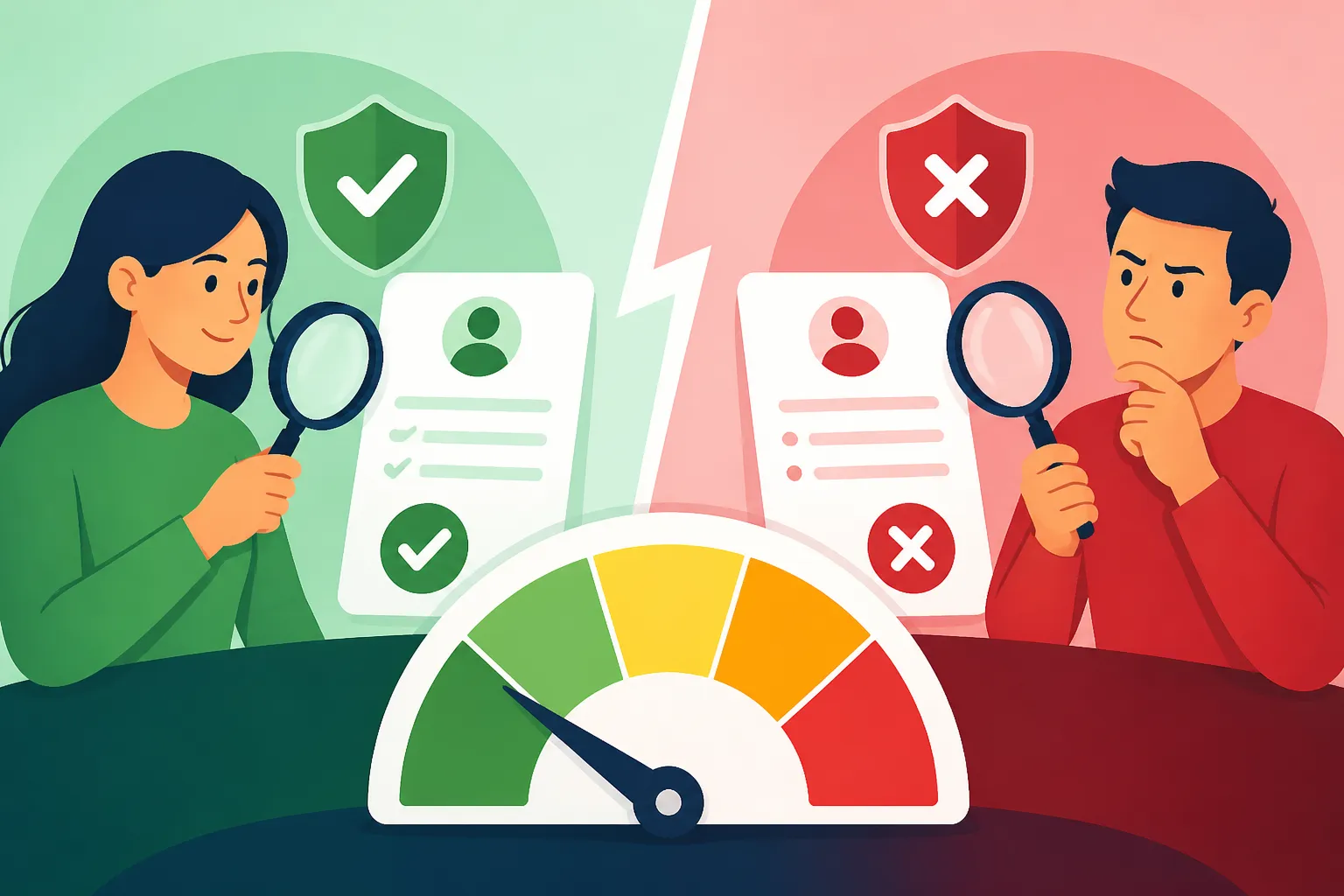
To truly grasp the impact of inquiries on your financial life, it's essential to clearly understand the stark differences between hard and soft pulls. This comparison table should help you visualize the core distinctions at a glance, making it easier to determine what type of inquiry you're dealing with and what to expect.
| Feature | Hard Inquiry | Soft Inquiry |
|---|---|---|
| Purpose | To evaluate creditworthiness for a new credit application | Informational, pre-screening, or self-check |
| Requires Authorization? | Yes, explicit consent from you is required | No, often done without explicit individual consent (implied by existing relationship or public info) |
| Impact on Credit Score? | Yes, typically a small, temporary drop (5-10 points) | No, does not affect your credit score |
| Visibility | Visible to all lenders pulling your report for 2 years | Only visible to you and the entity that initiated it |
| Duration on Report | Remains for 2 years | May or may not appear on your official report for other lenders |
| Examples | Applying for a credit card, mortgage, car loan, personal loan | Checking your own score, pre-approved offers, tenant screening, insurance quotes |
Impact on Credit Score
The most critical distinction, and often the source of the most confusion, is the impact on your credit score. As established, hard inquiries can lower your credit score, while soft inquiries never do. This difference stems from what each type of inquiry signifies about your financial behavior. A hard inquiry tells potential lenders that you're actively seeking new debt, which can be seen as an increased risk, especially if there are many such applications in a short period. It's a sign that you might be about to take on more financial obligations, thereby increasing your debt-to-income ratio or overall credit utilization.
On the other hand, a soft inquiry doesn't imply an intent to borrow. It's simply an administrative or informational check. Whether it's you responsibly checking your credit report to ensure accuracy, or a company pre-qualifying you for an offer, these actions don't indicate a higher risk of default. Because of this fundamental difference in perceived risk, credit scoring models ignore soft inquiries when calculating your score, allowing you to monitor your credit health regularly without fear.
Authorization Requirements
Another clear dividing line between hard and soft inquiries is the need for your authorization. For a hard inquiry to occur, a lender must obtain your explicit permission. This is typically done through a signature on a loan application, a checkbox on an online form, or a verbal agreement recorded with your consent. This consent signifies that you understand a formal credit check will be performed as part of a new credit application. Without your permission, a lender cannot legally perform a hard pull on your credit report.
Soft inquiries, however, do not require this explicit, individual authorization. While they still involve accessing your credit information, this access falls under different legal guidelines. For example, when an existing creditor does a periodic review of your account, their initial agreement with you likely includes a clause that permits such reviews. Similarly, companies that send pre-approved offers are using broadly available credit criteria, not specific application-level consent. When you check your own credit, you are, in effect, authorizing yourself to view your report, which naturally results in a soft inquiry visible only to you.
Visibility on Credit Reports
The final major distinction lies in who can see these inquiries on your credit report. Hard inquiries are visible to any lender who pulls your credit report for the next two years. This transparency is intentional; it allows other potential creditors to see your recent credit-seeking behavior. If they see several hard inquiries from different lenders within a short timeframe, it can influence their decision and the terms they offer you. This is part of the reason why it's so crucial to be judicious with your applications.
Soft inquiries, conversely, are much more private. They are typically only visible to you when you access your own credit report. Other lenders performing hard inquiries will not see the soft inquiries. This limited visibility ensures that routine credit checks, pre-screenings, or self-monitoring activities don't create an unfavorable impression with other potential lenders. It essentially keeps your "casual browsing" separate from your "serious applications," which is a good thing for your overall credit profile. If you find an inquiry on your report that you don't recognize, whether hard or soft, it's wise to look into What's on Your Credit Report? Explained to ensure accuracy.
Strategic Management of Credit Inquiries
Understanding the mechanics of hard and soft inquiries is one thing, but knowing how to strategically manage them is where you gain real power over your credit profile. It's about being intentional with your actions and using knowledge to your advantage.
Minimizing Hard Inquiries
Given that hard inquiries can temporarily lower your credit score, the first rule of thumb is to minimize them. This doesn't mean avoiding all credit applications, which would be counterproductive to building a strong credit history. Instead, it means being strategic. Before applying for any new credit, whether it's a credit card or a major loan, do your homework. Research interest rates, terms, and eligibility requirements thoroughly so you're only applying for products you genuinely qualify for and intend to use. Avoid a "shotgun" approach where you apply to multiple lenders at once, hoping one will stick. This can lead to numerous hard inquiries that collectively cause a significant dip in your score.
Consider pre-qualification or pre-approval processes, especially for mortgages or auto loans. Many lenders, including Credit Strong and other financial institutions, offer options to check your eligibility with a soft inquiry before you commit to a full application. This allows you to shop around and compare offers without impacting your credit score. If you are shopping for a significant loan, like a mortgage or car loan, most credit scoring models will treat multiple inquiries for the same type of loan within a specific window (typically 14-45 days) as a single hard inquiry. This is known as "rate shopping" and is designed to allow you to compare offers without penalty. However, this only applies to the same type of credit, so don't apply for a credit card and a car loan simultaneously hoping they'll merge.
Leveraging Soft Inquiries for Financial Planning
While hard inquiries should be approached with caution, soft inquiries are your friend. They provide valuable, risk-free insight into your credit health, which you can leverage for proactive financial planning. Regularly checking your own credit report and score through a reliable service is a smart move. This allows you to monitor for any inaccuracies, which you can then dispute, potentially preventing a negative impact on your score. It's an excellent way to see your progress if you're actively working to improve your credit, perhaps by using a credit-builder loan or secured card.
Using services that provide credit scores based on soft inquiries, like the tools offered by many banks or third-party apps, helps you understand where you stand before you make a significant financial move. For example, if you're planning to apply for a mortgage in six months, regular soft checks can help you identify areas for improvement or confirm that your score is on track. This proactive approach allows you to address any issues, like an unexpected dip in score or a reporting error, well before it impacts your ability to secure favorable lending terms. Remember, an informed consumer is an empowered consumer when it comes to managing personal finance.
What to Do About Incorrect Hard Inquiries
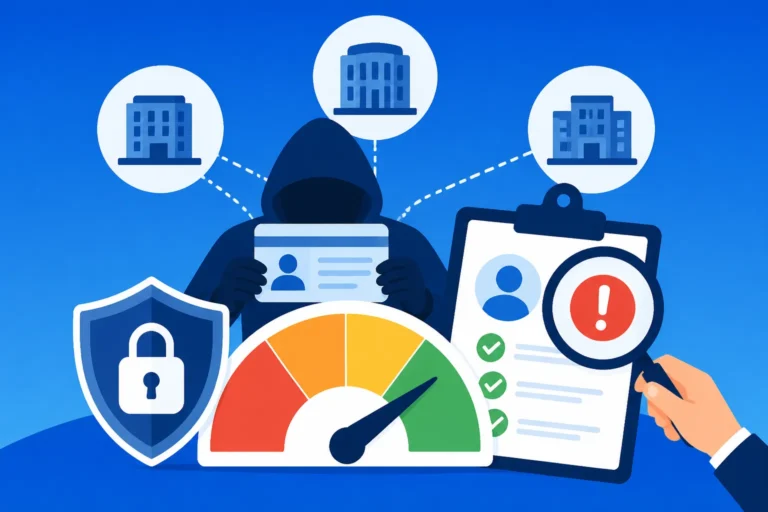
Sometimes, a hard inquiry might appear on your credit report that you don't recognize or didn't authorize. This can be a sign of identity theft or simply an administrative error. If you spot an unauthorized hard inquiry, it's crucial to act quickly. Your first step should be to gather all relevant documentation and identify the specific inquiry in question. Then, you'll want to contact the credit bureau (Equifax, Experian, or TransUnion) where the inquiry appears to dispute it. You should also contact the company that supposedly made the inquiry to clarify the situation.
If you suspect identity theft, you'll want to file a report with the Federal Trade Commission (FTC) and consider placing a fraud alert or even a credit freeze on your reports. For a legitimate inquiry that was simply made in error (e.g., mistaken identity, or the company pulled your report without the proper consent), you can write a dispute letter to the credit bureau, providing evidence that the inquiry was not authorized by you. They are legally obligated to investigate your claim. For comprehensive steps, refer to our guide on How to Dispute Credit Report Errors (Step-by-Step). If successful, the inquiry should be removed from your report. It's also worth reading How to Remove Hard Inquiries From Your Credit Report for more specialized advice.
Practical Scenarios and Real-Life Examples
To really bring these concepts to life, let's consider a few real-world situations. Knowing what type of inquiry you're likely to encounter in different scenarios can help you prepare and avoid unnecessary credit score dings.
Applying for a Mortgage or Car Loan
When you're making a major purchase like a home or a car, you're almost certainly going to encounter hard inquiries. Lenders for these large, long-term loans need to conduct a thorough evaluation of your financial history to assess your risk. Imagine Sarah, who is looking to buy her first home in Portland, Oregon. She visits three different mortgage lenders within a two-week period to compare rates. Each lender performs a hard inquiry on her credit report.
Here's where the "rate shopping" rule comes in handy. Because Sarah is applying for the same type of loan (a mortgage) within a concentrated period, the credit scoring models will likely count these multiple inquiries as a single hard inquiry for scoring purposes. This prevents her score from being significantly penalized just for doing her due diligence and finding the best rate. The same principle applies to car loans. John, who is shopping for a new Honda in Seattle, Washington, can visit several dealerships and have his credit checked multiple times within a short window, and it will generally be treated as one inquiry. The key is that these inquiries are all for the same type of credit and occur within a relatively narrow timeframe.
Opening a New Credit Card
This is another classic scenario for a hard inquiry. Every time you submit an application for a new credit card, you are explicitly giving the issuer permission to pull your credit report to make a lending decision. Let's say Maria from Miami, Florida, decides she wants a new rewards credit card. She applies for a new card from Bank of America. This application will result in a hard inquiry. If, a week later, she sees another attractive offer from a different issuer like American Express and applies for that one too, that's another separate hard inquiry.
Unlike mortgage or auto loan shopping, credit card applications are generally not grouped together by scoring models. This means two credit card applications within a month will likely result in two separate hard inquiries, each potentially causing a small dip in her score. This is why it's so important to be selective and thoughtful when applying for new credit cards. Opening multiple cards in a short period can make you appear high-risk to future lenders and trigger Why Did My Credit Score Drop? Common Reasons. Remember, while a credit builder account from Credit Strong can help you establish payment history, applying for new credit cards should be a measured decision.
Checking Your Own Credit
This is perhaps the most common scenario for a soft inquiry, and it's one you should embrace. When you check your own credit score or report through a service like annualcreditreport.com, your bank's online portal, or a credit monitoring app, you are initiating a soft inquiry. For example, David in Denver, Colorado, makes it a habit to check his credit report once a quarter to ensure everything is accurate and to track his financial progress. Each time he does this, a soft inquiry is recorded.
The important thing is that these self-initiated checks have absolutely no negative impact on his credit score. They are solely for his information and empowerment. So, there's no need to fear looking at your own credit. In fact, it's highly recommended. Regularly reviewing your credit report allows you to catch errors, monitor for fraudulent activity, and understand the factors contributing to your score. It's a proactive step in maintaining good financial health without any associated risks.
The Three Credit Bureaus: A Quick Look
It's important to remember that these inquiries, whether hard or soft, are processed by the three major credit bureaus: Equifax, Experian, and TransUnion. These bureaus are independent entities, and while they collect similar information, their reports might not be identical. This means an inquiry might appear on one report but not another, or the timing might vary slightly.
When a lender performs a hard inquiry, they typically pull from one, two, or all three bureaus. This is why it's possible to see the same inquiry listed on multiple reports. For example, if you apply for a new car loan, the dealership might pull your report from Experian, and that hard inquiry will appear on your Experian report. If you apply for a mortgage, that lender might pull from all three, resulting in a hard inquiry appearing on your Equifax, Experian, and TransUnion reports. Understanding The 3 Credit Bureaus: Equifax, Experian & TransUnion is crucial for comprehensive credit management.
When you check your own credit, you might choose to pull from a single bureau or use a service that aggregates information from all three. The key takeaway is that inquiries are recorded at the bureau level, so it's good practice to monitor your reports from all three occasionally to ensure accuracy across the board.
Building and Protecting Your Credit
Understanding credit inquiries is just one piece of the puzzle when it comes to managing your overall credit health. Your credit score is a dynamic number, influenced by many factors beyond just inquiries. Payment history, credit utilization, length of credit history, and types of credit accounts all play a much larger role. For instance, diligently making on-time payments on all your accounts is the single most impactful way to boost your score.
Similarly, keeping your credit utilization low – ideally below 30% – shows lenders that you're not over-reliant on credit. If you're just starting your credit journey or rebuilding after a setback, tools like secured credit cards or credit-builder loans from providers like Credit Strong can be incredibly helpful. These products are designed to establish positive payment history and build your credit profile without the immediate need for a perfect score. They report your responsible behavior to the credit bureaus, which is exactly what you need to see positive changes in your score over time. For more general advice on your credit, check out How Credit Scores Work: The Complete Guide.
By being mindful of hard inquiries, regularly checking for soft inquiries, and focusing on the broader aspects of responsible credit management, you can effectively build and protect your financial future. Don't let the fear of inquiries deter you from making informed financial decisions, but rather use this knowledge to navigate the credit landscape with confidence.
Disclaimer
The information provided in this article is for general informational purposes only and does not constitute financial, legal, or professional advice. Always consult with a qualified financial advisor or credit counselor for advice tailored to your specific situation. Credit reporting practices and laws can change, and individual results may vary.