How to Report a Stolen Identity to the Bureaus
Finding out your identity has been stolen can feel like the rug has been pulled out from under you. It's a terrifying, violating experience that leaves you wondering who's making decisions with your good name and how on earth you're going to put the pieces back together. This guide will walk you through the crucial steps of reporting identity theft directly to the credit bureaus, offering a clear path to protect your financial future.
The Immediate Shock of Identity Theft
When you discover your identity has been compromised, it's natural to feel a whirlwind of emotions: anger, fear, confusion, and a sense of helplessness. It's a deeply personal violation, and the financial implications can be overwhelming. The good news is that you're not alone, and there are concrete steps you can take to mitigate the damage and begin reclaiming your identity. The key is to act swiftly and methodically to prevent further harm and remove any fraudulent activity from your financial records.
Recognizing the Red Flags
Identity theft often starts subtly, with small indicators that can quickly escalate if not addressed. It’s crucial to be vigilant and aware of these warning signs. Perhaps you received a collection notice for a debt you don't recognize, or mysterious charges appeared on your bank statement. Maybe your mail suddenly stopped arriving, or you were denied credit for no apparent reason. These aren't just minor inconveniences; they are glaring red flags that someone else might be using your personal information. Other common signs include unexpected bills, calls from debt collectors for accounts that aren't yours, or even receiving medical bills for services you never received. If you notice any of these, don't dismiss them. Your intuition is often right when it comes to something feeling "off" with your finances.
Why Acting Fast Matters
Time is of the essence when it comes to identity theft. The longer fraudulent accounts or inquiries remain on your credit report, the more damage they can inflict on your credit score and your financial well-being. A compromised identity can lead to new credit cards opened in your name, loans taken out without your knowledge, or even utilities established that you’ll be held responsible for. The longer these go unreported, the harder it becomes to prove they aren't yours, and the more challenging it is to remove negative items from your credit report. Quick action helps to limit the scope of the fraud, making the recovery process much more manageable and preventing further unauthorized use of your information.
Step-by-Step Guide to Reporting Identity Theft to Credit Bureaus
This is where the real work begins, but don't worry, we'll break it down into manageable steps. Your primary goal right now is to alert the three major credit bureaus and put safeguards in place.
Step 1: Contact Each Credit Bureau Individually
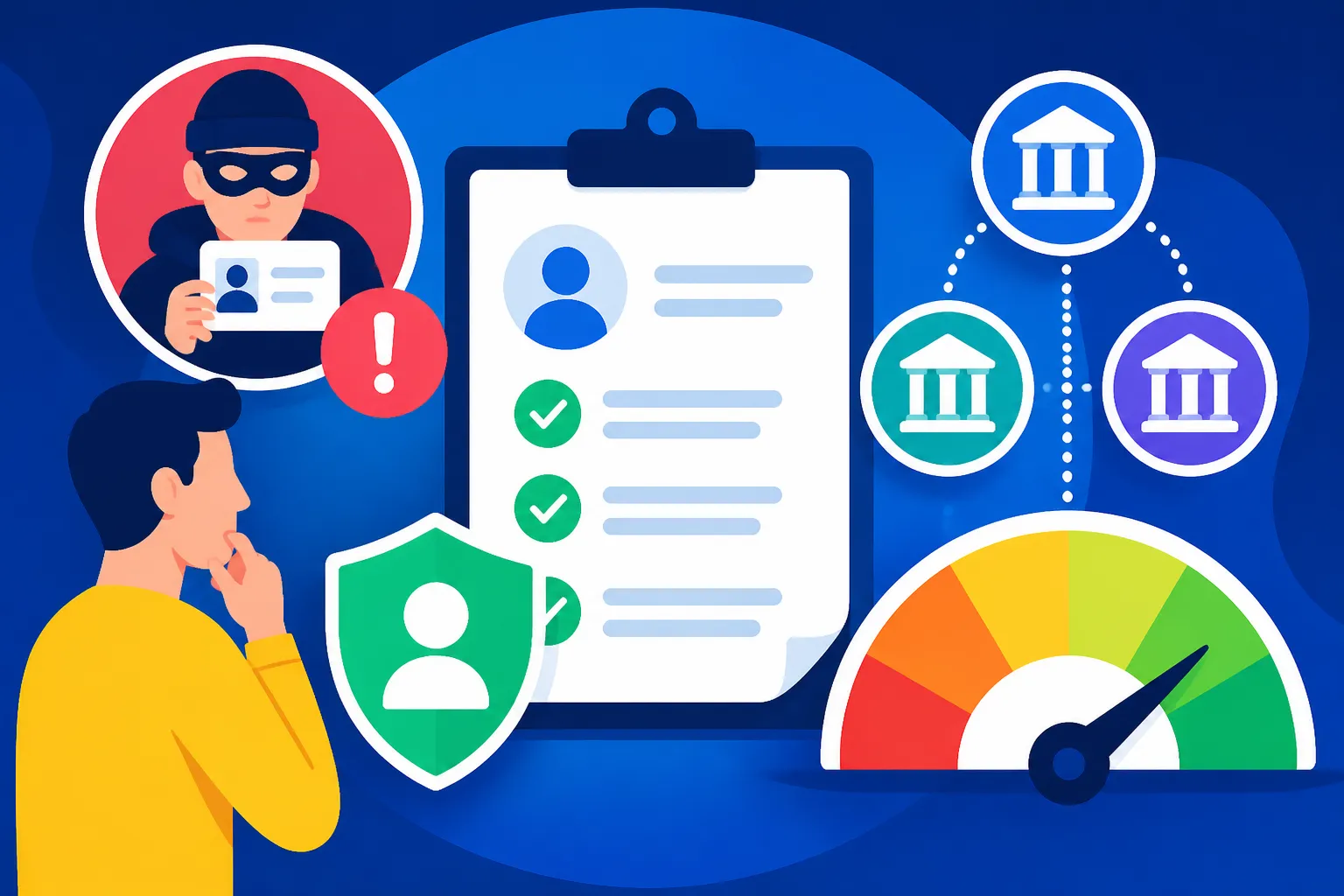
The first and most critical step is to contact Equifax, Experian, and TransUnion. Yes, all three. While placing a fraud alert with one bureau should notify the others, it’s best practice to contact each directly to ensure nothing falls through the cracks. You can typically do this by phone or through their dedicated identity theft pages online.
When you call, be prepared to provide personal identifying information to verify your identity, such as your full name, address, date of birth, and Social Security number. Explain clearly that you are a victim of identity theft and wish to place an initial fraud alert on your credit file. You should also ask them to provide you with a free copy of your credit report, as victims of identity theft are entitled to these. This initial contact is foundational to stopping further unauthorized activity. Make sure to document the date, time, and name of the representative you spoke with for each bureau.
Step 2: Place a Fraud Alert or Credit Freeze
Once you've made contact, you'll want to decide between a fraud alert and a credit freeze. Both are powerful tools, but they work a little differently.
A fraud alert signals to potential lenders that they need to take extra steps to verify your identity before extending credit. This usually means contacting you directly by phone before opening a new account. An initial fraud alert lasts for one year. If you file an Identity Theft Report with the FTC (which we'll cover next), you can place an extended fraud alert that lasts for seven years. An alert makes it harder for thieves to open new accounts but still allows legitimate creditors to check your credit if they follow the verification steps. Learn more about Credit Freeze vs Credit Lock vs Fraud Alert to help you decide.
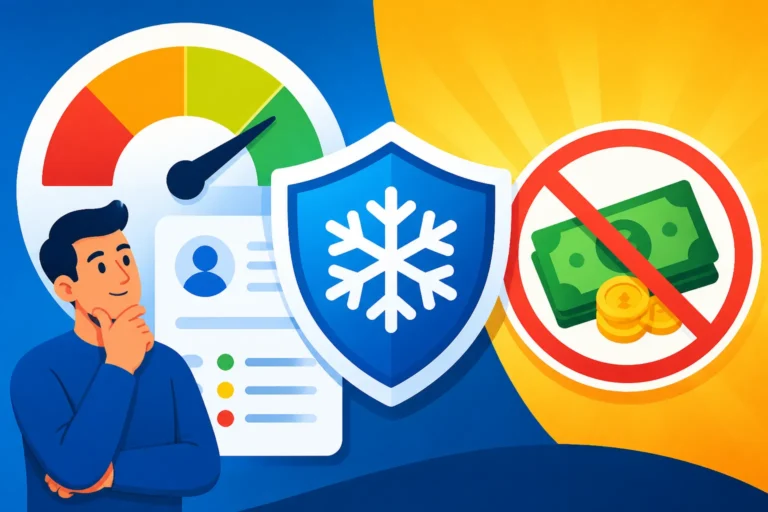
A credit freeze, on the other hand, completely locks down your credit file. No one, including you, can open new credit accounts while the freeze is in place, unless you temporarily lift or "thaw" it. This offers the strongest protection against new account fraud. You can place a freeze with each bureau, and it's free. If you're wondering How to Freeze Your Credit (All 3 Bureaus), it typically involves visiting each bureau's website or calling them directly. You'll receive a PIN or password for managing your freeze, so keep it in a safe place!
Both options are free, and you can switch between them. Many experts recommend starting with a credit freeze if you're not planning to apply for new credit soon, as it offers maximum security. If you go this route, remember you'll need to unfreeze it if you apply for a loan or credit card.
Step 3: Review Your Credit Reports Thoroughly
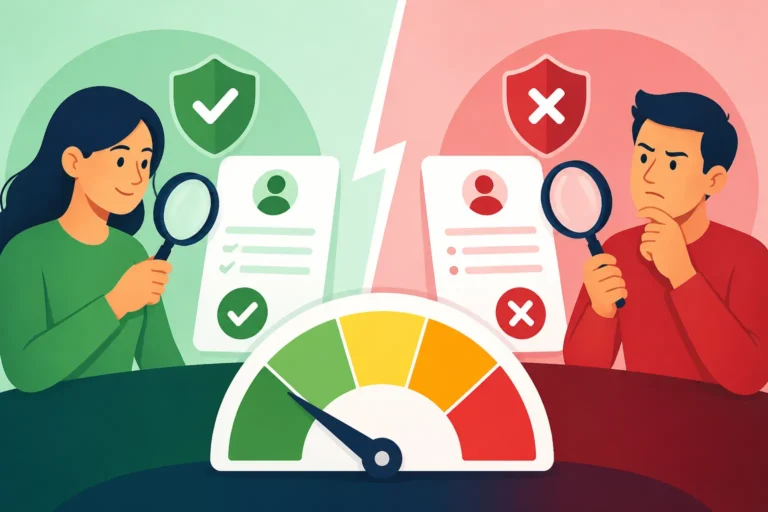
With fraud alerts or freezes in place, your next crucial step is to meticulously review your credit reports from all three major bureaus: Equifax, Experian, and TransUnion. As an identity theft victim, you're entitled to free copies of your reports. You can usually get these through AnnualCreditReport.com or directly from each bureau. It’s important to remember that each bureau might have slightly different information, so checking all three is essential. For more detailed guidance, consider reading How to Read Your Credit Report (2026 Guide).
You're looking for anything that doesn't belong. This includes:
- Accounts you didn't open: Credit cards, loans, utility accounts, or even mortgages.
- Inquiries you didn't authorize: These are "hard inquiries" that occur when you apply for new credit. If you see inquiries you didn't initiate, it could mean someone tried to open an account in your name.
- Incorrect personal information: Wrong addresses, misspelled names, or unfamiliar employers.
- Late payments or delinquencies for accounts you don't own.
Be incredibly thorough. Even a small detail could be a breadcrumb leading to more extensive fraud. This is the frontline for identifying the full scope of the theft.
Step 4: Dispute Fraudulent Accounts and Inquiries
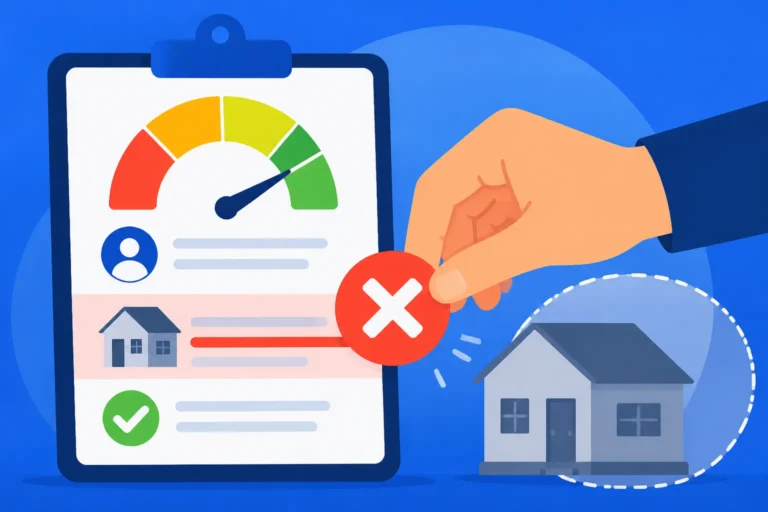
Once you've identified suspicious activity, it's time to dispute it with the credit bureaus. This is a formal process where you challenge inaccurate or fraudulent information on your report. For a comprehensive walkthrough, check out How to Dispute Credit Report Errors (Step-by-Step).
Here’s how it generally works:
- Gather Evidence: Collect any documentation you have, such as your Identity Theft Report (from the FTC, discussed next), police reports, or anything that proves the account isn't yours.
- Contact Each Bureau: You’ll need to dispute the fraudulent items with each credit bureau that is reporting them. You can usually do this online, by mail, or sometimes by phone. Be specific about which items are fraudulent.
- Provide Supporting Documents: When disputing, clearly state why the information is incorrect and include copies (never originals) of your supporting documents.
- Follow Up: The bureaus have a legal obligation to investigate your dispute, usually within 30 days. They will contact the creditor that reported the information. Keep detailed records of all communication.
This process can feel like a game of whack-a-mole, but persistence is key. If an item is truly fraudulent, it must be removed from your report. Remember, the goal is to erase any trace of the thief's actions from your credit history. Don't forget that if you find fraudulent hard inquiries, you'll need to dispute those too; read our guide on How to Remove Fraudulent Inquiries.
Beyond the Bureaus: Essential Next Steps for Identity Theft Recovery
While contacting the credit bureaus is paramount, there are other crucial steps you need to take to fully protect yourself and recover from identity theft. Think of it as building a robust defense system.
Filing an Identity Theft Report with the FTC
This is a non-negotiable step. The Federal Trade Commission (FTC) offers a streamlined process at IdentityTheft.gov where you can create a personalized recovery plan and, most importantly, generate an official Identity Theft Report. This report is incredibly powerful. It serves as your official affidavit that you are a victim of identity theft. Many creditors and agencies will require this report before they will investigate or remove fraudulent accounts. It gives you rights under the Fair Credit Reporting Act (FCRA) and helps you prove that you're not responsible for the debts incurred by the thief. If you need more information on this, we have a helpful guide on How to File an FTC Identity Theft Report.
The FTC report will also often provide you with pre-filled letters to send to creditors and the credit bureaus, saving you significant time and effort. It's truly a one-stop shop for getting your recovery started on the right foot.
Reporting to Local Law Enforcement
While not always required by creditors, filing a police report with your local law enforcement agency can be immensely helpful, especially if you know the identity of the thief or if there was physical theft of documents. Some creditors may request a police report in addition to your FTC report, particularly for larger fraud amounts.
To file a report, gather all your evidence: your FTC Identity Theft Report, copies of your credit reports highlighting the fraudulent items, and any other relevant documentation. Explain to the officer what happened, provide them with your FTC report, and ask for a copy of the police report. This step adds another layer of official documentation to your case, reinforcing your status as a victim and potentially aiding in any criminal investigation.
Alerting Other Financial Institutions
Your credit report is just one piece of the puzzle. You need to contact any other financial institutions where you have accounts that might have been compromised. This includes your bank, credit card companies, investment firms, and even utility providers.
- Banks: If your debit card number was stolen or fraudulent checks were written, immediately contact your bank. Close compromised accounts and open new ones.
- Credit Card Companies: For any credit cards you do own that show suspicious activity, contact the issuer directly. Report the fraud, cancel the card, and request a new one with a different account number. Our article, How to Recover From Credit Card Fraud, provides more specific steps.
- Other Lenders: If any of your existing loans (mortgage, auto loan, personal loan) show unusual activity, contact those lenders.
- Utility Providers: If new utility accounts were opened in your name, contact the companies (electricity, gas, water, internet, phone) and report the fraud.
Be prepared to explain the situation, provide your FTC Identity Theft Report, and follow their specific procedures for fraud resolution.
Protecting Your Future with Credit Monitoring
After the initial storm, the last thing you want is for identity theft to happen again. This is where ongoing vigilance and tools like credit monitoring come into play. Credit monitoring services keep an eye on your credit reports for new accounts, inquiries, or changes to your personal information, alerting you to potential fraud quickly.
While you can always monitor your credit reports manually by pulling them regularly (which you should do for at least a year after the theft), a credit monitoring service can offer an extra layer of peace of mind. Some services, like Credit Strong, offer features beyond just credit building, extending to credit monitoring or identity protection resources. They can provide real-time alerts if anything suspicious pops up, allowing you to react immediately rather than discovering problems months later. This proactive approach is a vital component of long-term identity theft recovery and prevention. Many companies offer free credit monitoring as well, so explore your options! You can also check out Credit Monitoring: Is It Worth It? for a deeper dive.
Common Questions About Identity Theft and Credit
It's natural to have a lot of questions when dealing with something as serious as identity theft. Let's tackle some of the most common concerns.
What Happens After You Report Identity Theft?
Once you've reported identity theft to the bureaus, placed alerts or freezes, and filed your FTC report, a few things will happen. The credit bureaus will begin investigating your disputes. This typically takes around 30 days, during which they contact the creditors reporting the fraudulent accounts. If the creditors cannot verify the information, or if you provide sufficient proof of fraud (like your FTC report), the negative items must be removed from your credit report.
You'll also start receiving follow-up communications from the credit bureaus, creditors, and potentially law enforcement. It's a process of patient follow-up and verification. The good news is that the burden of proof often shifts away from you once you've officially reported the theft. However, you'll need to remain diligent, checking your reports regularly and responding to any requests for further information. Remember, the goal is to make sure your name and financial future are fully cleared.
Can Identity Theft Affect Your Credit Score Permanently?
One of the biggest fears surrounding identity theft is the potential for permanent damage to your credit score. The reassuring answer is: no, identity theft should not permanently affect your credit score if you act quickly and diligently. The Fair Credit Reporting Act (FCRA) is on your side, requiring credit bureaus and creditors to remove fraudulent information from your reports once it's been properly disputed and verified as identity theft.
While your score might dip initially due to fraudulent accounts or inquiries, as these items are removed, your credit score will recover. The key is prompt action. The longer fraudulent activity remains on your report, the more challenging and time-consuming the recovery process can be. Stay persistent with disputes and maintain good credit habits on your legitimate accounts, and your credit will rebound.
How Long Does It Take to Recover from Identity Theft?
This is the question everyone wants to know, and unfortunately, there's no single, easy answer. The timeline for recovering from identity theft can vary widely depending on the extent of the fraud and how quickly you detect and act upon it.
- Minor Incidents: For simple cases where only one or two accounts were affected, you might see full resolution within a few weeks to a few months, especially if you act immediately.
- Complex Cases: If multiple types of accounts were opened across various institutions, or if the fraud went undetected for a long time, the recovery process can easily stretch to six months, a year, or even longer.
During this time, it's crucial to be patient but persistent. You'll likely spend a lot of time on the phone, sending letters, and constantly checking your credit reports. However, every step you take brings you closer to full recovery. Consider incorporating services like Credit Strong into your overall credit health strategy, as some platforms provide tools that help track your progress and rebuild credit effectively after a setback. The goal is to not just remove the fraudulent items but also to ensure your credit profile is robust and secure moving forward.
Here's a quick reference table for reporting critical incidents:
| Action | Primary Contact(s) | Key Information to Provide | Purpose |
|---|---|---|---|
| Report to Credit Bureaus | Equifax, Experian, TransUnion | Personal info, state you are an identity theft victim | Place fraud alert/freeze, get free credit reports |
| Place Fraud Alert/Credit Freeze | Equifax (will notify others for fraud alert), Experian, TransUnion | Your PIN (for freeze) or request for extended alert (with FTC report) | Prevent new accounts from being opened in your name |
| File FTC Identity Theft Report | IdentityTheft.gov (Federal Trade Commission) | Details of theft, fraudulent accounts identified | Official record of theft, personalized recovery plan, legal proof |
| File Police Report | Local Police Department | FTC report, credit reports, any supporting evidence | Additional official documentation, potential criminal investigation |
| Contact Financial Institutions | Your bank, credit card companies, lenders, utilities | Account numbers, details of fraudulent activity, FTC report | Close compromised accounts, dispute charges, issue new cards |
Disclaimer
The information provided in this article is for general informational purposes only and does not constitute financial, legal, or professional advice. While we strive to provide accurate and up-to-date information, credit and identity theft laws and procedures can change. Always consult with a qualified financial advisor, credit counselor, or legal professional for advice tailored to your specific situation.