How to Close a Fraudulently Opened Account
Discovering an account that's been opened in your name without your knowledge is an utterly jarring experience. It’s more than just a financial inconvenience; it feels like a personal violation, leaving you with a sense of panic, confusion, and frustration. You’re left wondering how this could happen, who’s responsible, and, most importantly, how on earth you're supposed to fix it. This comprehensive guide is designed to empower you with clear, step-by-step instructions on how to close a fraudulently opened account, protect yourself from further damage, and reclaim your financial peace of mind.
The Shock of a Fraudulent Account: What It Means for You
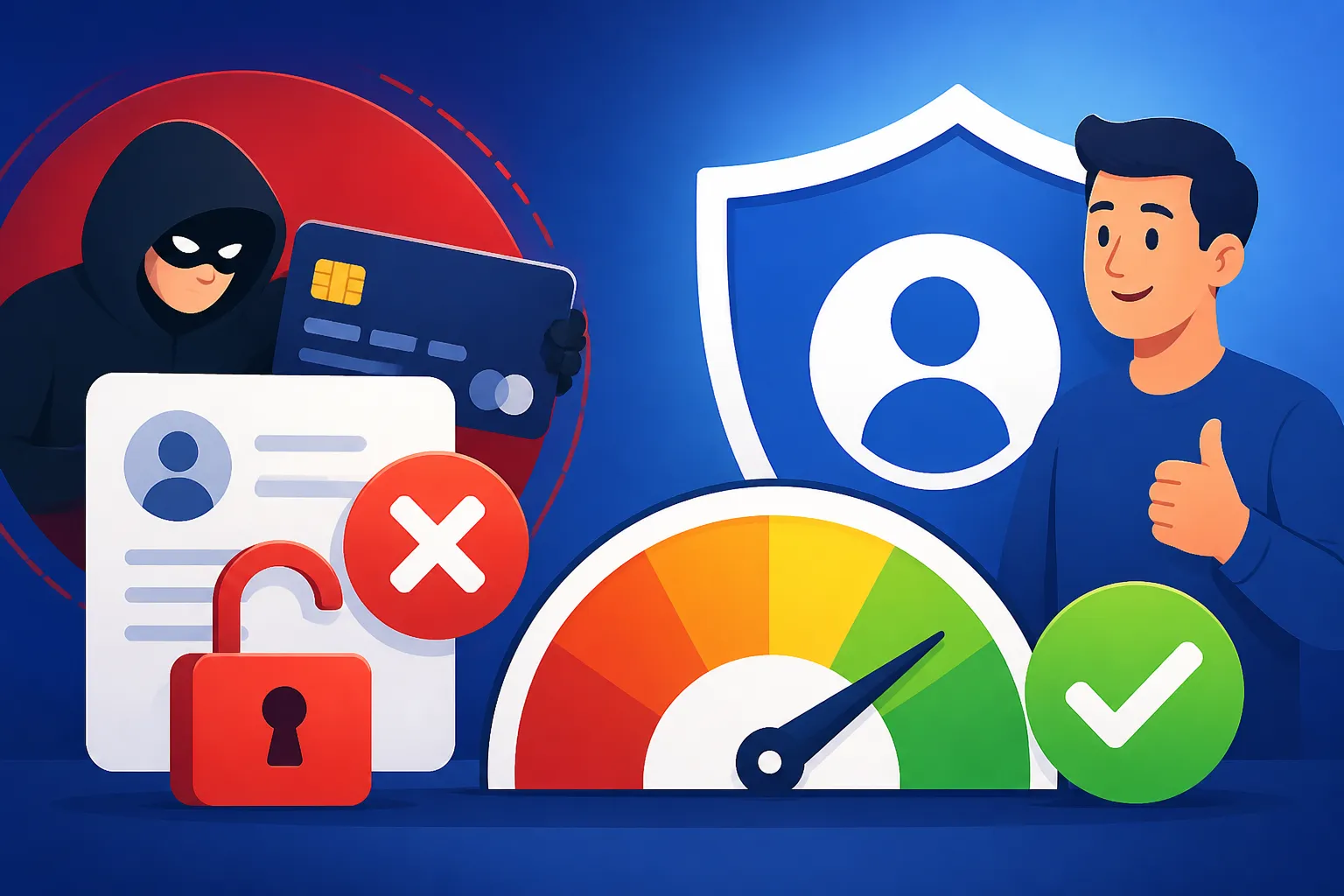
That gut-wrenchwrenching feeling when you spot something utterly unfamiliar on your credit report or get a bill for a service you never signed up for – it's a cold slap of reality. A fraudulently opened account isn't just a mistake; it's a sign that someone has used your personal information, often as a result of identity theft, to gain credit or services in your name. Understanding what this means for you is the first step toward regaining control.
What Constitutes a Fraudulent Account?
When we talk about fraudulent accounts, most people immediately think of credit cards, and for good reason. A thief might open a new credit card in your name, run up balances, and then disappear, leaving you with the debt. But it goes far beyond just credit cards. Fraudulent accounts can encompass a wide array of financial products and services:
- Credit Cards: The classic scenario where a new card is opened and charges are made.
- Personal Loans: A cash loan taken out using your identity, often for significant amounts.
- Auto Loans or Leases: Someone driving a new car, with you on the hook for payments.
- Utility Accounts: Gas, electricity, water, internet, or phone services opened in your name, often at an address you've never lived at.
- Rental Agreements: An apartment or house rented under your identity, leading to potential eviction notices or collections in your name.
- Medical Services: Someone receiving medical care using your insurance or personal details, leading to bills or collection accounts.
- Mortgages: Though less common due to the rigorous verification process, it's not impossible for sophisticated fraudsters to attempt to secure a mortgage.
These accounts typically show up on your credit report as new accounts or unexpected hard inquiries. You might receive collection notices, calls from unknown creditors, or even discover a significant drop in your credit score for no apparent reason. The key here is any account or debt you absolutely did not authorize or apply for yourself.
The Immediate Impact on Your Life
The discovery of a fraudulent account isn't just an abstract problem; it has very real, tangible, and often distressing consequences on your life. It can feel like a ripple effect, impacting not just your finances but your emotional well-being and future plans.
Firstly, your credit score can take a severe hit. Fraudulent accounts, especially if they go into default or accumulate late payments, will quickly drag down your score. This isn't just about a number; a lower credit score can prevent you from getting approved for legitimate loans, credit cards, or even renting an apartment. Imagine trying to buy a house or a car and being denied because of debt you didn't incur. It’s incredibly frustrating.
Beyond the numbers, there’s the financial liability. While consumer protection laws like the Fair Credit Reporting Act (FCRA) and the Fair Credit Billing Act (FCBA) offer significant safeguards, the burden often falls on you, the victim, to prove that the account is fraudulent. Until it’s proven, those debts exist in your name, potentially leading to aggressive collection attempts.
Then there's the emotional and time commitment. Dealing with identity theft and fraudulent accounts is a marathon, not a sprint. It involves countless phone calls, dispute letters, police reports, and constant monitoring. The stress, anxiety, and feeling of violation can be overwhelming. It can feel like a full-time job to untangle the mess, pulling you away from your work, family, and personal life. The constant worry that it could happen again is a heavy burden to carry.
Your Rapid Response: First Steps to Take
Okay, take a deep breath. The initial panic is natural, but now it's time to channel that energy into action. Your swift and decisive response is critical to limiting the damage and setting the stage for a successful recovery. Think of this as your immediate emergency protocol.
Secure Your Existing Accounts
Before you even touch the fraudulent account, you need to lock down your legitimate financial life. This is paramount, as the fraudster might have more of your information than you realize and could attempt further damage.
Start by changing all your critical passwords. Don't just update them; create strong, unique passwords for every single online account, especially those connected to your finances, email, and social media. Use a password manager if you don't already. Your email is often the gateway to many other accounts, so secure it first with a complex password and two-factor authentication.
Next, diligently monitor your existing bank accounts, credit cards, and investment accounts. Look for any unfamiliar transactions, even small ones, as these could be "test" charges by the fraudster to see if an account is active. If you spot anything suspicious, report it to your bank or credit card company immediately. You should also be regularly reviewing your credit reports to ensure no other unauthorized activity pops up. If you're unsure how to navigate the details of your report, a guide like How to Read Your Credit Report (2026 Guide) can be incredibly helpful.
Gather Your Evidence
While the situation feels chaotic, a methodical approach to gathering information will serve you well. Think of yourself as building a case. Any scrap of information related to the fraudulent account is a piece of evidence.
Collect any communication you've received about the fraudulent account – letters, emails, bills, or collection notices. Note down the dates you discovered the fraud and any names of companies or individuals involved. Make a detailed list of all your personal information that you believe might have been compromised, such as your Social Security number, date of birth, address, or driver's license number. This will be crucial when you start reporting the fraud to various entities. Keep a log of every phone call you make, including the date, time, who you spoke to, what was discussed, and any reference numbers provided. This meticulous record-keeping will be a lifesaver as you navigate the sometimes complex and lengthy resolution process.
Contact the Creditor Directly
Your very next move should be to contact the specific bank or company where the fraudulent account was opened. Don't delay this step. Time is of the essence.
Call the customer service number or, better yet, their dedicated fraud department, if they have one. Many larger institutions like Chase, Bank of America, and Capital One have specific teams trained to handle identity theft cases. Clearly explain that an account has been opened in your name without your authorization and that it is a case of fraud. Request that they immediately close the account and initiate a fraud investigation.
You'll likely be asked to fill out a fraud affidavit, which is a sworn statement affirming that you did not open the account. Fill this out thoroughly and return it promptly. Insist on getting written confirmation that the account has been marked as fraudulent and closed. Keep copies of everything you send and receive. This direct communication with the creditor is a critical first line of defense in undoing the damage and preventing further activity on that specific fraudulent account.
Reporting the Crime: Alerting the Authorities
Once you’ve secured your existing accounts and contacted the fraudulent creditor, it’s time to escalate your response by formally reporting the crime to the key authorities. This stage is about creating an official record of the identity theft, which is indispensable for disputing fraudulent accounts and protecting yourself legally.
Notify the Credit Bureaus
The three major credit bureaus – Equifax, Experian, and TransUnion – are at the heart of your credit report, so they need to be immediately informed. This is a multi-step process, but it starts with a single phone call.
First, you need to place a fraud alert on your credit file. You only need to contact one of the three major credit bureaus (Equifax, Experian, or TransUnion), and by law, that bureau must notify the other two. A fraud alert makes it harder for identity thieves to open new accounts in your name because businesses must take extra steps to verify your identity before extending credit. This is a temporary measure, usually lasting one year, but it can be renewed. You can learn more about this crucial protection in our guide on How to Place a Fraud Alert on Your Credit.
After placing the fraud alert, you must then contact each of the three bureaus individually to dispute the fraudulent account directly on your credit report. You'll need to provide them with details of the fraudulent account and explain that it's a result of identity theft. They are legally obligated to investigate your dispute. Be prepared to send them supporting documentation, such as a copy of your identity theft report (which we'll discuss next). For a detailed walkthrough of this process, check out our guide on How to Dispute With Equifax, Experian, and TransUnion. Always ensure you receive written confirmation from each bureau that the dispute has been received and that the fraudulent account is being investigated or removed.
Here's a quick reference for the credit bureau contact information:
| Credit Bureau | Website | Phone Number |
|---|---|---|
| Equifax | Equifax.com | 1-800-685-1111 |
| Experian | Experian.com | 1-888-397-3742 |
| TransUnion | TransUnion.com | 1-800-916-8800 |
File an Identity Theft Report with the FTC
This is arguably the most critical step in establishing an official record of identity theft. The Federal Trade Commission (FTC) is the U.S. government's lead consumer protection agency, and filing a report with them provides you with an "Identity Theft Report" – a document that is often required by creditors, collection agencies, and even law enforcement.
Head over to IdentityTheft.gov. This online portal will walk you through the process of reporting your identity theft and creating a personalized recovery plan. It will ask for details about the fraud, what personal information was compromised, and what steps you've already taken. Once completed, you'll receive your official FTC Identity Theft Report. This document is your proof that you are a victim of identity theft, and it carries significant weight when disputing fraudulent accounts and dealing with creditors. This report is so important that we have a dedicated guide on How to Get an Identity Theft Report to help you through the process. Make sure to print out several copies and keep them in a secure place.
File a Police Report
While the FTC report serves as your federal declaration of identity theft, filing a police report with your local law enforcement agency adds another crucial layer of official documentation. Although local police might not actively investigate every identity theft case, having a police report can be invaluable.
Contact your local police department and explain that you are a victim of identity theft and need to file a report. They may ask you to come in person. When you go, bring all your evidence: copies of your FTC Identity Theft Report, your credit reports highlighting the fraudulent accounts, any correspondence from creditors, and your detailed log of phone calls.
The police report provides an official paper trail that can be essential if a creditor or collector refuses to remove a fraudulent account. It demonstrates that you've taken every possible step to address the crime. Some creditors or even credit repair agencies might specifically request a police report before they'll fully cooperate with removing certain fraudulent items. Think of it as further strengthening your position when you need to How to Dispute Fraudulent Accounts and establish that you are indeed a victim, not someone trying to avoid legitimate debt. Get a copy of the police report once it's filed, including the case number, and keep it safe with your other fraud documentation.
Rebuilding and Protecting Your Credit Going Forward
After the immediate shock and the demanding process of reporting fraud, the journey isn't quite over. Now, you need to focus on the long game: ensuring the fraudulent accounts are permanently removed, shoring up your defenses against future attacks, and actively working to rebuild any damaged credit. This is where patience and persistence truly pay off.
Removing Negative Items from Your Report
Once you've disputed the fraudulent accounts with the credit bureaus and provided them with your FTC Identity Theft Report and police report, they have a certain amount of time to investigate (usually 30-45 days). During this time, they will contact the creditors to verify the information. If the creditor cannot verify the account or confirms it's fraudulent, the item should be removed from your report.
However, sometimes things don't go as smoothly as planned. You might find that a fraudulent account lingers, or perhaps a hard inquiry from the fraudster's application process remains on your report. You need to be diligent in following up. Check your credit reports regularly – at least once a month for the next several months – to ensure everything has been correctly removed. If you see items that should be gone, don't hesitate to dispute them again, citing your previous dispute and providing all your documentation once more. Specifically, hard inquiries can ding your score, so make sure any inquiries directly tied to the fraudulent applications are also removed. Our guide on How to Remove Hard Inquiries From Your Credit Report offers excellent strategies for this. Remember, this is about being persistent and holding the bureaus and creditors accountable.
Consider a Credit Freeze
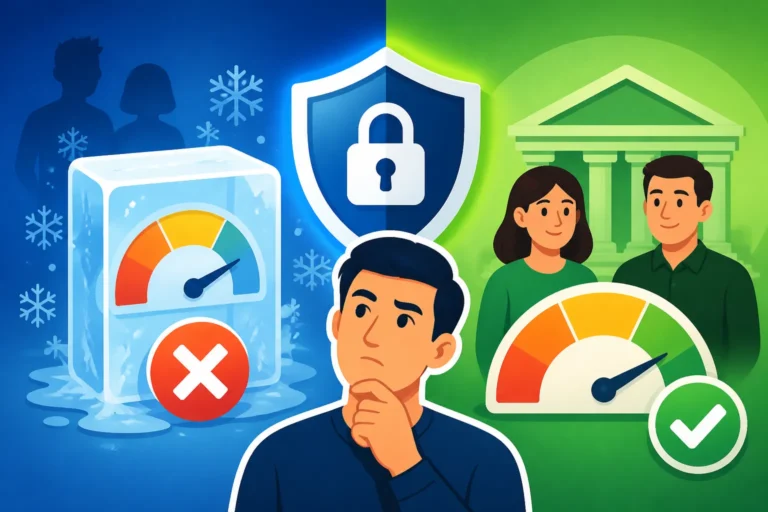
Beyond the initial fraud alert, placing a credit freeze on your reports is one of the most robust protections you can implement against future identity theft. While a fraud alert requires businesses to verify your identity, a credit freeze essentially locks your credit file, preventing new creditors from accessing it at all.
This means that even if a fraudster has your Social Security number and tries to open new credit in your name, they won't be able to, because lenders won't be able to pull your credit report. Placing a freeze is free and must be done with all three major credit bureaus individually. It's a slightly different mechanism than a fraud alert, and understanding the nuances between them is important. Our article on Credit Freeze vs Credit Lock vs Fraud Alert delves into the specifics, helping you choose the best option for your situation.
The good news is that you can temporarily "thaw" or lift your credit freeze if you need to apply for new credit, a loan, or a rental. You'll simply contact the bureaus and instruct them to lift the freeze for a specific period or for a specific creditor. It's a small extra step, but it offers immense peace of mind. For a complete walkthrough, refer to How to Freeze Your Credit (All 3 Bureaus).
Ongoing Credit Monitoring
Even after closing fraudulent accounts and placing a credit freeze, ongoing vigilance is key. Identity thieves can be incredibly persistent, and new methods of fraud emerge constantly. This is where credit monitoring services come into play.
Credit monitoring services keep a watchful eye on your credit reports and alert you to significant changes, such as new accounts being opened, hard inquiries, changes to personal information, or delinquent accounts. While you can check your own credit reports for free annually (and sometimes more often) via AnnualCreditReport.com, a monitoring service offers continuous, proactive protection. For many, the peace of mind knowing that someone or something is constantly scanning for suspicious activity is well worth it. You might wonder, Credit Monitoring: Is It Worth It?, and for identity theft victims, the answer is often a resounding yes.
Beyond just monitoring, actively building a positive credit history can help overshadow any lingering impact from fraudulent accounts. Services like Credit Strong offer credit builder loans designed to help you do just that, reporting your on-time payments to all three major credit bureaus. This can be a really helpful step when you're feeling vulnerable and want to actively counteract the damage done by identity thieves. After facing identity theft, establishing good habits is key, and Credit Strong provides options for those looking to secure their financial future. It’s about being proactive and ensuring that what you do control helps strengthen your profile. Many people feel a sense of powerlessness after identity theft. Taking control by regularly checking your reports, placing freezes, and even exploring credit-building products such as those offered by Credit Strong can help restore that sense of agency. Regularly getting your free credit report, as explained in How to Get Your Free Credit Report, is a good complement to any paid monitoring service.
Disclaimer
This article is for general informational purposes only and does not constitute professional advice. Laws, prices and regulations vary by location and change over time. Consult a qualified professional for guidance on your specific situation.