Should You Pay Off Your Card Before the Statement Date?
It’s a common scenario: you’ve used your credit card responsibly, made purchases, and then you see that dreaded statement come in, or you just glance at your credit app and see a higher balance than you’d like. Instantly, your mind races. "Will this high balance ding my credit score?" "Should I have paid it sooner?" The truth is, the timing of your credit card payments, especially in relation to your statement date, can indeed have a significant impact on your credit score, specifically on the credit utilization component that lenders and credit bureaus pay very close attention to. This guide will dive deep into why this happens and whether paying off your card before the statement date is a smart move for your financial health.
Understanding Credit Card Billing Cycles and Reporting
Before we talk about when to pay, it's crucial to understand the lifecycle of your credit card account and how that information makes its way to the credit bureaus. Many folks get confused between statement dates and due dates, and honestly, it’s not always explained clearly by credit card companies. Let's demystify it.
Statement Date Versus Due Date
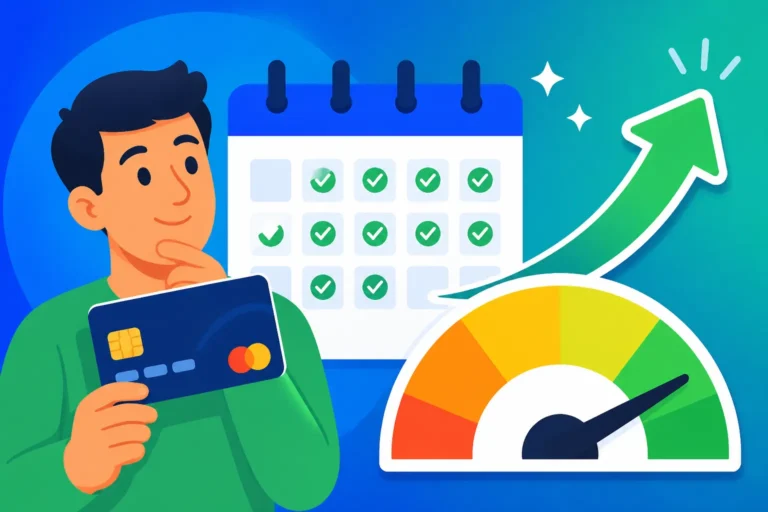
Your credit card billing cycle typically runs for about 30 days. At the end of this cycle, your credit card company generates a statement date. This date marks the end of the billing period and summarizes all your transactions, payments, and interest charges for that period. The balance reported on this statement date is often what's shared with the three major credit bureaus: Equifax, Experian, and TransUnion.
Following the statement date, you'll have a payment due date, usually 21 to 25 days later. This is the absolute deadline by which your minimum payment (or the full outstanding balance, if you want to avoid interest) must be received by your credit card issuer. Missing this date, even by a day, can result in late fees and, more importantly, a negative mark on your credit report if the payment is 30 days or more past due. It's a critical distinction to grasp: the statement date determines what balance is reported, while the due date determines when your payment is expected.
How Credit Card Companies Report to Bureaus
This is where the magic (or mischief, depending on your habits) happens. Most credit card issuers report your account activity to the credit bureaus once a month, typically shortly after your statement date. This means the balance that appears on your monthly statement is usually the balance that gets sent to Equifax, Experian, and TransUnion. This reported balance is then used to calculate your credit utilization ratio, a major factor in your credit score.
Think of it this way: your credit card company isn't reporting your balance every single day. They take a snapshot, usually on your statement date, and that snapshot is what lenders see when they pull your credit report. If you make a lot of purchases right before your statement date and don't pay them down, that high balance will be the one reported, even if you plan to pay it off in full before the due date. This distinction is vital for anyone looking to optimize their credit score. Understanding this reporting schedule is a cornerstone of managing your credit effectively, and it ties directly into how to influence your credit utilization. If you're looking to understand more about this, you can learn about When Does a Credit Card Report to the Bureaus?.
The Impact of Credit Utilization on Your Score
Credit utilization is a powerful lever when it comes to your credit score. It's one of the most influential factors, second only to payment history, and understanding it can empower you to make smarter financial choices.
What Is Credit Utilization?
Credit utilization, often called your "credit utilization ratio," is simply the amount of credit you're currently using compared to the total amount of credit available to you. It's expressed as a percentage. For example, if you have a credit card with a $1,000 limit and your statement balance is $300, your utilization ratio for that card is 30%. If you have multiple cards, the bureaus often look at your overall utilization across all your accounts.
This ratio is a snapshot of how much you rely on borrowed money. Lenders see a high utilization ratio as a sign of increased risk – it might suggest you're overextended or struggling financially, even if you pay your bills on time. Conversely, a low utilization ratio signals that you're managing your credit responsibly and aren't maxing out your available credit. It's a key indicator of your financial health and discipline. For a deeper dive, consider reading our guide on Credit Utilization: The Complete Guide.
The Golden Rule: Keeping It Low
The generally accepted "golden rule" for credit utilization is to keep it below 30%. This means if your total available credit is $10,000 across all your cards, you should aim to keep your total outstanding balance below $3,000. However, most credit experts agree that lower is always better. Aiming for under 10% can be even more beneficial for your score, especially if you're trying to achieve an excellent credit rating.
Why is it so important? Because it reflects your perceived risk. Imagine you're a bank deciding whether to lend money. Would you prefer to lend to someone who regularly uses almost all their available credit, or someone who uses only a small fraction of it? The latter, of course, appears more responsible and less likely to default. Keeping your utilization low demonstrates this financial prudence. If you're curious about specific thresholds, you might find our article on What Is a Good Credit Utilization Ratio? particularly helpful.
Real-World Impact on Your Score
Let's illustrate with a hypothetical. Sarah has a credit card with a $5,000 limit. For months, she's been using it for everyday expenses and paying off the full statement balance by the due date. Her statement date is the 15th of each month. In July, she has a busy month, making a few larger purchases, and by July 15th, her statement balance is $2,000. This means her utilization is 40% ($2,000 / $5,000). Even though she plans to pay off the full $2,000 by the August 10th due date, the 40% utilization is what gets reported to the credit bureaus.
Now, let's say in August, she's more careful. By August 15th, her balance is only $500. Her utilization for that month is 10% ($500 / $5,000). When that 40% utilization from July hits her credit report, her score might dip by a few points. But when the 10% utilization from August is reported, her score will likely rebound, or even increase. This demonstrates that credit utilization is a dynamic factor; it can fluctuate month to month based on your reported balances. Managing this proactively, rather than reactively, is key. Even a seemingly small increase in utilization can lead to a drop in your score, and conversely, lowering it can help you rebound relatively quickly, so it's worth understanding How Many Points Does High Utilization Cost You?.
Strategy: Paying Before the Statement Date
Given what we now know about how credit utilization is reported, it becomes clear that when you pay can be just as important as if you pay. This strategy is all about controlling the numbers that get sent to the credit bureaus.
Why This Strategy Can Be Powerful
Paying down your credit card balance before the statement date allows you to proactively lower your reported credit utilization ratio. This is incredibly powerful because it directly influences one of the most significant factors in your credit score. Instead of letting your natural spending habits dictate the reported balance, you take control. By ensuring a low balance on the statement date, you present yourself to lenders as a responsible borrower who doesn't rely heavily on available credit.
This strategy is especially beneficial if you tend to use a significant portion of your credit limit each month, even if you always pay in full. You might be a stellar payer, never missing a due date, but if your reported balance consistently hovers around 50-70% utilization, your credit score won't reflect your true payment habits. By making a payment before the statement cuts, you can show a 5-10% utilization instead, which is far more favorable. This simple adjustment can lead to a noticeable bump in your credit score, opening doors to better interest rates on loans, higher credit limits, and overall better financial opportunities. It’s a smart move for anyone actively working to How to Raise Your Credit Score (Step-by-Step).
How to Implement It Effectively
To successfully implement this strategy, you need to be aware of your statement date. Most credit card apps and online portals clearly display this information. Set a reminder a few days before your statement date. For example, if your statement date is the 20th of the month, aim to make a payment around the 15th or 16th.
The goal isn't necessarily to pay off everything you've spent, but to reduce the balance significantly, ideally to below 10% of your credit limit. If you have a $5,000 limit and your current balance is $2,000, paying $1,500 before the statement date would leave a reported balance of $500, which is 10% utilization. This is a fantastic target. You can then pay the remaining $500 before your official due date, ensuring you avoid interest. Consistency is key here; make this a regular habit, and you'll see the benefits accrue over time. For those who find it tough to keep track of multiple accounts and their various statement dates, setting up calendar alerts or using budgeting apps can be a lifesaver.
Illustrative Scenarios
Let's consider two friends, David and Emily, both aiming to improve their credit scores. Both have a credit card with a $3,000 limit, and their statement date is the 5th of each month, with a due date of the 30th.
Scenario 1: David's Approach (Traditional)
David spends about $1,500 on his card throughout the month. On the 5th, his statement shows a $1,500 balance. His credit utilization for that month is 50% ($1,500 / $3,000). He pays the full $1,500 by the 30th due date, avoiding interest. While he's a responsible payer, his credit report shows high utilization month after month, which keeps his score from climbing as much as it could.
Scenario 2: Emily's Approach (Pre-Statement Payment)
Emily also spends $1,500 throughout the month. However, a few days before her statement date (say, on the 2nd), she checks her balance, sees it's $1,500, and makes a payment of $1,200. When her statement is generated on the 5th, her reported balance is only $300. Her credit utilization is now a sparkling 10% ($300 / $3,000). She then pays the remaining $300 before the 30th due date. By consistently showing low utilization, Emily's credit score improves steadily, giving her access to better credit terms. This subtle shift in timing made a world of difference for her credit profile. It's a prime example of how to implement How to Lower Your Credit Utilization Fast.
Potential Downsides and Nuances
While paying your credit card before the statement date is a powerful strategy, it's not without its nuances. It requires organization and a clear understanding of its purpose, and it’s not always the only thing you need to focus on.
The "Too Low" Problem (or Perceived Problem)
Some people worry that reporting a $0 balance every single month might be detrimental, as it might appear you're not using credit at all, thus providing no data for your credit habits. While it's true that having some reported utilization, even 1%, is often seen as ideal to demonstrate active, responsible credit use, consistently reporting a $0 balance is highly unlikely to hurt your score. In fact, for most scoring models, a $0 reported balance is excellent.
The main point is to avoid high utilization. If you consistently report a very low single-digit utilization (e.g., 1-5%), that's typically considered optimal. The key is to show lenders you have credit and can manage it without maxing it out. Don't stress about hitting absolute zero every month if it's too much of a hassle. A balance of $10 on a $1,000 limit is still fantastic for your credit score.
Staying Organized: A Must
Implementing a pre-statement payment strategy demands a higher level of organization. You need to know your statement date for each card and actively monitor your balances throughout the month. Forgetting a statement date or miscalculating your payment can negate the benefits or even lead to unintended late payments if you get confused.
This approach works best if you have a clear financial picture and are diligent about tracking your spending. If you're someone who often loses track of where your money goes, or struggles with budgeting, this strategy might add more stress than benefit. In such cases, focusing first on building consistent payment habits (always paying on time) and then gradually incorporating pre-statement payments might be a more sustainable path. Many online banking platforms allow you to set up alerts for when your statement is generated, which can be a helpful tool.
What About Automated Payments?
Automated payments are fantastic for ensuring you never miss a due date. However, they can complicate the pre-statement payment strategy if not set up correctly. Most automated payments are designed to pay either your minimum payment or your full statement balance by the due date. If you rely solely on these, your high utilization might still be reported.
To combine automation with this strategy, you could set up an automatic payment for a small amount (say, $20-$50) a few days before your statement date. Then, manually make a larger payment to reduce your utilization further. Alternatively, keep your automated payment set to pay the full statement balance by the due date, but make an additional manual payment before the statement date to control the reported balance. It requires a bit more coordination but can be done. Just ensure you understand the difference between your Statement Balance vs Current Balance: What to Pay.
Comparing Payment Strategies
When it comes to paying your credit card, there isn't a one-size-fits-all solution. Your ideal strategy might depend on your financial situation, your goals, and your spending habits.
Paying the Minimum vs. Full Statement Balance
-
Paying the Minimum: This is the bare minimum you can pay to keep your account in good standing and avoid late fees. While it protects your payment history, it almost always leads to carrying a balance, accruing interest, and often results in high credit utilization being reported. This strategy is generally only advisable in emergencies when funds are extremely tight, as it costs you more in the long run and hinders your credit score growth. It's a trap many fall into, and it's why it's so hard to How to Pay Off Credit Card Debt Fast.
-
Paying the Full Statement Balance: This is the gold standard for avoiding interest charges and maintaining a healthy credit account. When you pay your full statement balance by the due date, you won't incur any interest, and you demonstrate responsible credit use. However, as we've discussed, if your statement balance itself is high due to spending throughout the month, your reported credit utilization might still be elevated, even if you pay in full later.
Multiple Payments Throughout the Month
This strategy combines the best aspects of paying early and paying in full. Instead of just one payment before the statement date, you make several smaller payments throughout your billing cycle, especially after large purchases.
For example, if you make a $500 purchase, you might immediately pay $300-$400 towards it. This keeps your running balance low. Then, a few days before your statement date, you make a final payment to bring your reported balance to your target (e.g., under 10%). This approach is excellent for maintaining very low utilization, avoiding interest, and offering more flexibility. It's particularly useful for those who use their credit card frequently for daily expenses. This essentially turns your credit card into a debit card that builds credit, allowing you to effectively use a credit card to How to Use a Credit Card to Build and Keep Good Credit.
When Each Strategy Makes Sense
-
Paying Before the Statement Date: This is highly recommended if your primary goal is to optimize your credit score by keeping reported utilization low, especially if you tend to use a significant portion of your credit limit each month but pay in full by the due date. It's a quick win for your score.
-
Multiple Payments Throughout the Month: Ideal for those who want maximum control over their utilization, have the discipline to make frequent payments, and want to ensure their credit score reflects minimal credit usage at all times. This can be especially effective for those who are actively trying to build credit from scratch or recover from past credit mishaps, where every point counts.
-
Paying the Full Statement Balance: This is the baseline for responsible credit card use. If you consistently keep your monthly spending well below 10-20% of your credit limit naturally, and aren't actively seeking to boost your score for an immediate large purchase (like a mortgage), then simply paying the full statement balance by the due date is perfectly fine. It ensures no interest and positive payment history, which are two foundational elements of How Credit Scores Work: The Complete Guide.
Here's a quick comparison of these payment strategies:
| Payment Strategy | Primary Goal | Credit Utilization Impact | Interest Avoidance | Effort Required | Best For |
|---|---|---|---|---|---|
| Minimum Payment | Avoid late fees | High reported utilization | High | Low | Emergency only (avoid if possible) |
| Full Statement Balance | Avoid interest | Varies (can be high if spending is up to limit) | Complete | Moderate | Everyday use, if total spending consistently low relative to limit, and no immediate score boost needed. |
| Before Statement Date | Optimize reported utilization | Low reported utilization | Complete | Moderate | Anyone actively trying to boost their score, or who uses a high percentage of their limit monthly. |
| Multiple Payments (Throughout month) | Maximize score, minimize utilization | Very low reported utilization | Complete | High | Aggressive credit builders, those who spend frequently and want ultimate control, or those rebuilding. |
Tools and Resources to Help You Manage Payments
Managing your credit cards strategically doesn't have to be a monumental task. There are plenty of tools and resources available to make it easier to stay on top of your payments and optimize your credit score.
Using Bank Alerts and Apps
Nearly all major credit card issuers, like Capital One, Chase, and American Express, offer robust mobile apps and online banking portals. These are incredibly useful for tracking your spending, checking your current balance, and viewing your statement date and due date. Many apps allow you to set up customized alerts:
- Balance Alerts: Get a notification when your balance exceeds a certain threshold.
- Statement Generated Alerts: Be notified the moment your monthly statement becomes available, reminding you to check the reported balance.
- Payment Due Date Reminders: While helpful, remember we're talking about before the statement date for utilization purposes.
By leveraging these free tools, you can stay informed and proactive without constantly logging in. Just a quick glance at your phone can tell you everything you need to know to execute your pre-statement payment strategy.
Credit Building Tools and Services
Beyond just payment reminders, some financial tools and services are specifically designed to help you manage and build your credit profile. If you're struggling to keep your utilization low or build positive payment history, these can be immensely valuable.
For instance, certain companies offer secured credit cards or credit builder loans that report positively to the credit bureaus. A secured card, like the Discover it Secured Card, requires a security deposit, which typically becomes your credit limit. This makes it easier to get approved even with limited or poor credit, and it still reports to the bureaus, helping you build a positive history.
Another innovative solution is a credit builder loan. These loans are designed not for immediate access to funds, but to help you establish a payment history. For example, a service like Credit Strong offers credit builder loans where you make small, fixed payments over a period, and those payments are reported to the credit bureaus. Once the loan is paid off, you receive the funds. It’s a clever way to build both payment history and a positive credit mix, which are two key components of your overall credit score. Even if you're managing traditional credit cards, a tool like this can complement your efforts by adding another positive tradeline to your report, demonstrating responsible borrowing beyond revolving credit. If you're starting from scratch, learning about Credit Builder Loans Explained (Self, Kikoff & More) might be a good next step.
Budgeting for Success
Ultimately, the most powerful tool for managing credit card payments and utilization is a solid budget. Knowing exactly how much you can afford to spend and pay back each month is foundational.
- Track Your Spending: Use a budgeting app like Mint, YNAB (You Need A Budget), or even a simple spreadsheet to categorize and monitor every dollar you spend.
- Allocate Funds for Payments: Dedicate a specific portion of your income each month to credit card payments, treating it as a non-negotiable expense.
- Plan for Large Purchases: If you anticipate a large expense, either save up for it or strategically plan your credit card use and pre-payments to ensure your utilization remains low.
A well-crafted budget empowers you to make intentional financial decisions rather than reacting to incoming bills. It gives you the control you need to not only pay off your cards before the statement date but also to achieve your broader financial goals, such as saving for a down payment or boosting your emergency fund. It’s all interconnected, and mastering your budget can truly transform your credit health.
Disclaimer
Please remember, I'm a friendly AI assistant here to provide general financial education and guidance. I'm not a licensed financial advisor, and the information I provide is for informational purposes only. Everyone's financial situation is unique, so it's always a good idea to consult with a qualified financial professional for personalized advice tailored to your specific circumstances.