Does Paying Off a Car Loan Hurt Your Credit?
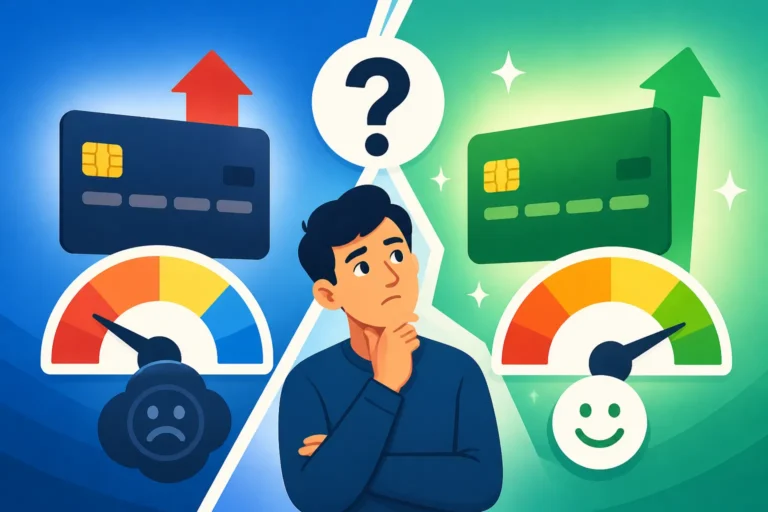
That feeling of making your final car payment is incredibly liberating, isn't it? You punch in those numbers, hit 'submit,' and a huge weight lifts off your shoulders. No more monthly payments for that shiny (or not-so-shiny) vehicle! But amidst the cheers and high-fives, a tiny, nagging thought often creeps in: "Wait, does paying off my car loan actually hurt my credit score?" It's a common, valid concern, and it stems from a misunderstanding of how credit scores truly work. This guide is here to unravel that mystery, explain the nuanced impacts, and show you how paying off an auto loan is ultimately a huge win for your financial future.
The Initial Relief and Underlying Worry
Successfully paying off a substantial loan, especially something as significant as a car loan, is a major financial accomplishment. It means you've consistently managed a large debt obligation, showing responsibility and commitment. Yet, it's completely natural to feel a pang of worry when you notice your credit score might have shifted slightly, or even dipped, right after this positive event. You did the right thing, so why the potential penalty?
The Joy of Being Debt-Free
Let's be honest: the primary motivation for paying off any debt, including a car loan, is often the sheer relief of financial freedom. Imagine that extra few hundred dollars (or more!) staying in your bank account each month instead of going to a lender. That's money you can now allocate to savings, investments, other higher-interest debts, or even just a well-deserved treat. This psychological and practical benefit is immediate and profound. You've removed a fixed expense from your budget, creating more flexibility and reducing your overall financial stress. For many, this freedom alone far outweighs any temporary credit score fluctuations. It's a testament to your hard work and disciplined money management.
Why the Credit Score Question Lingers
The confusion around whether paying off a car loan hurts your credit score often comes from a few places. First, credit scores can feel like a mysterious black box, and any change, even a small one, can trigger anxiety. Second, we're constantly told that having more credit accounts open is good for our credit mix and overall score. So, when an account closes, even if it's because you fulfilled your obligation, it can feel counterintuitive if your score reacts negatively. You might also have heard anecdotes from friends or family who saw a small dip after paying off a mortgage or a car, which fuels the concern. It's not that these anecdotes are necessarily wrong, but they often lack the full context of why those scores might have shifted and what the long-term outlook truly is.
How Car Loans Impact Your Credit Score Before Payoff
Before we dive into what happens when you pay off your car, let's quickly review how that loan was helping your credit score in the first place. Understanding these foundational elements is key to grasping any post-payoff changes.
Payment History and Its Weight
Your payment history is, without a doubt, the single most crucial factor in your credit score, typically accounting for 35% of your FICO score. Every on-time payment you made on your car loan was a gold star on your credit report. It demonstrated your reliability and ability to manage debt consistently over months or even years. Imagine you had a loan with a 60-month term; that's 60 opportunities to show lenders you're a good risk. Each successful payment built a positive track record, signaling to future lenders that you honor your financial commitments. Missed payments, on the other hand, would have had a severe negative impact, staying on your report for years. You can learn more about how crucial this factor is in our guide on Payment History: Why It's 35% of Your Score.
Credit Mix and Account Age
Beyond just payments, an auto loan contributes to two other important aspects of your credit profile: your credit mix and the length of your credit history.
- Credit Mix: Your credit mix (about 10% of your FICO score) refers to the different types of credit accounts you have. Lenders like to see a healthy blend of revolving credit (like credit cards) and installment credit (like auto loans, mortgages, or personal loans). A car loan provides a solid installment credit entry, showing that you can handle both types responsibly. If your only credit accounts were revolving credit cards, adding an installment loan often gives your score a boost by diversifying your credit portfolio. Our article on Credit Mix: Does Having Different Loan Types Help? goes into more detail.
- Account Age: The length of your credit history (about 15% of your FICO score) looks at how long your accounts have been open and the average age of all your accounts. A car loan, which typically lasts several years, contributes significantly to this "age" factor. The longer a positive account remains open and in good standing, the better it is for your score. An older account with a spotless payment history acts as a strong anchor for your overall credit age. Take a deeper dive into this factor with our resource on Credit Age: How Length of History Affects Your Score.
The Immediate Aftermath: Does It Really Drop?
So, you've paid off your car loan, and you're checking your credit score religiously. You might see a slight dip. Is this a universal truth, or just a possibility? Let's explore the factors that might cause this temporary, usually minor, fluctuation.
The "Closed Account" Effect
When you pay off your car loan, that account is marked as "closed" on your credit report. While closing a perfectly managed account seems counterintuitive for a score drop, it can sometimes happen. Here's why:
- Average Age of Accounts: If the car loan was one of your oldest accounts, closing it might slightly reduce the average age of all your open accounts, which can have a minor, temporary impact. However, the good news is that closed accounts with positive payment histories usually remain on your credit report for up to 10 years after they're paid off, continuing to contribute positively to your payment history and the overall length of your credit history during that time. So, while it's technically "closed," its positive history doesn't just disappear overnight from your score calculation.
- Credit Mix Adjustment: If the car loan was your only installment loan, and you don't have other loans like a mortgage, student loans, or personal loans, its closure might slightly impact your credit mix. Your credit profile might temporarily shift to look like it relies solely on revolving credit. Lenders like to see diversity, so removing one type can cause a minor, transient adjustment. This isn't usually a major concern if you have other well-managed credit accounts.
It's important to remember that this "dip" is usually not substantial and is often quickly recovered. The algorithms that calculate your credit score are complex, and they weigh many factors. A single closed account, especially one paid off responsibly, rarely causes a devastating blow. If you're wondering about the overall impact of closing accounts, you might find our guide on Does Closing a Credit Card Hurt Your Score? insightful, as some of the principles apply here too, albeit with different weighting for installment loans.
Impact on Credit Mix Or Lack Thereof
As mentioned, your credit mix is a factor, but it's one of the less influential ones (around 10% of your FICO score). If you have other types of loans still open and in good standing – maybe a mortgage, student loans, or even a personal loan – then the closure of your car loan will likely have a negligible impact on your credit mix. Your profile will still show a healthy variety.
However, if your car loan was your only installment loan and you don't anticipate getting another one soon, you might see a slight, temporary dip related to the "Credit Mix" component of your score. It's a minor factor, though, and it's heavily outweighed by other elements, especially your flawless payment history on that now-paid-off loan. The positive payment history is a permanent fixture on your report for a long time, acting as a historical record of your financial responsibility.
Credit Utilization Remains Intact (Usually)
One of the biggest misunderstandings is how car loan payoffs relate to credit utilization. Credit utilization, which accounts for about 30% of your FICO score, refers to how much of your revolving credit (like credit cards) you're using compared to your total available revolving credit. For example, if you have a credit card with a $10,000 limit and a $3,000 balance, your utilization is 30%.
Car loans are installment loans, meaning you borrow a lump sum and pay it back over a fixed period. They don't typically factor into your revolving credit utilization calculation in the same way credit cards do. While the outstanding balance of an installment loan is considered as part of your overall debt burden (which influences your debt-to-income ratio), paying it off doesn't directly impact the percentage of available credit you're using on your credit cards. So, you won't see a drop in your score because your car loan balance went to zero, as you might if you paid off a credit card that had been maxed out. If anything, paying off an installment loan reduces your overall reported debt, which is always a good thing in the eyes of lenders.
Long-Term Benefits Outweigh Short-Term Dips
While the immediate aftermath of paying off an auto loan might include a tiny, fleeting dip in your credit score, it's crucial to understand that the long-term benefits are overwhelmingly positive and far more significant. Don't let a small, temporary fluctuation overshadow the massive financial win you've just achieved.
Reduced Debt Burden and Improved Debt-to-Income Ratio
This is where the real magic happens. By paying off your car loan, you've completely eliminated one monthly debt payment from your budget. This immediately improves your debt-to-income (DTI) ratio, which is a key metric many lenders use, especially for larger loans like mortgages. Your DTI compares your total monthly debt payments to your gross monthly income. A lower DTI indicates that you have more disposable income relative to your debt obligations, making you a less risky borrower.
For example, if you had a $400 car payment and a gross monthly income of $4,000, that payment alone was 10% of your DTI. Eliminating it frees up that 10%, making your financial profile much more attractive. Even if your FICO score doesn't immediately jump, your improved DTI ratio puts you in a much stronger position for future borrowing, whether it's for a home, another vehicle, or a personal loan. Understanding your DTI is vital, and our guide on Debt-to-Income Ratio: What It Is and Why It Matters offers a comprehensive breakdown.
More Available Funds for Other Goals
Imagine what you can do with that extra cash flow each month!
- Accelerate Other Debt Repayment: If you have high-interest credit card debt, those freed-up car payments can be redirected to pay down those balances much faster. This not only saves you money on interest but also improves your credit utilization ratio, which will boost your credit score significantly.
- Boost Your Savings: Build up your emergency fund, save for a down payment on a house, or invest for retirement. The power of compounding interest works wonders when you have more money to put towards savings.
- Invest in Yourself: Maybe you can finally take that course you've been wanting to, or start a side hustle.
- Financial Flexibility: Life happens. Having fewer fixed expenses means you're better prepared to weather unexpected costs, reducing the likelihood of falling back into debt.
This newfound financial agility is a huge advantage, and it positions you for greater financial stability and growth, which ultimately supports a healthy credit profile in the long run.
The Psychological Boost of No Car Payment
Beyond the numbers, there's a powerful psychological benefit to being free of a car payment. The feeling of truly owning your vehicle outright, without a lienholder, is incredibly empowering. It reduces stress, improves peace of mind, and fosters a sense of financial control. This positive mental state can translate into better overall financial habits, making you more likely to stick to budgets, save diligently, and manage any remaining debts wisely. A happy mind often leads to a healthier wallet, and that, in turn, contributes to a robust credit score over time.
Strategizing Your Credit Post-Car Loan Payoff
Now that your car loan is happily in the rearview mirror, it's a perfect time to take stock of your overall credit profile and ensure you're setting yourself up for continued success. Don't just sit back and hope for the best; be proactive!
Maintaining a Healthy Credit Mix
While your car loan is now closed, its positive payment history will remain on your credit report for years, still contributing to your score. However, looking ahead, it's a good idea to ensure you still have a diverse range of credit types.
- Revolving Credit: Continue to responsibly manage your credit cards. Keep your utilization low (ideally under 30%, but even better under 10%). Pay your bills on time, every time. This shows consistent management of revolving debt, which is crucial.
- Other Installment Loans: If you have a mortgage or student loans, continue to make those payments on time. If you don't have other installment loans and are looking to diversify, you might consider a small personal loan for a specific purpose (like home improvement), but only if you genuinely need it and can afford the payments. Avoid taking on debt just for the sake of your credit mix. Sometimes, products like a credit-builder loan can serve this purpose without requiring a large purchase, helping to add an installment loan to your report responsibly.
Keeping Active, Positive Accounts
A common mistake people make after paying off a significant debt is to think they no longer need credit. This isn't true. To maintain a strong credit score, you need active accounts showing ongoing responsible behavior.
- Don't Close Old Credit Cards: If you have old credit cards with good payment histories, keep them open, even if you rarely use them. They contribute to your average age of accounts and provide available credit, helping your utilization ratio. A good practice is to use them occasionally for a small purchase, then pay them off immediately.
- Monitor Inactive Accounts: Even if an account is inactive, it still reports to the credit bureaus. Regularly check your credit report to ensure all accounts are reporting correctly and that no fraudulent activity has occurred.
Monitoring Your Credit Report
After any significant change to your credit profile, like paying off a major loan, it's absolutely vital to keep an eye on your credit reports from all three major bureaus: Equifax, Experian, and TransUnion.
- Check for Accuracy: Ensure the car loan is accurately reported as "paid in full" and "closed." Look for any unexpected changes or errors. Sometimes, administrative errors can occur, and you want to catch these quickly.
- Watch for Identity Theft: With a major account closing, it's a good time to be vigilant. Make sure no new, unauthorized accounts have been opened in your name.
- Regular Review: You're entitled to a free credit report from each bureau once a year via AnnualCreditReport.com. Make it a habit to pull them. Our guide on How to Read Your Credit Report (2026 Guide) can walk you through understanding all the details. Regularly checking your credit score for free through services like Credit Karma or your bank's credit monitoring tool is also a good practice, but remember these scores might differ from FICO scores used by lenders.
Tools and Habits for Continued Credit Health
Paying off your car loan is a massive milestone, but it's just one step on your journey to excellent credit. To ensure your score not only recovers but thrives, you need to cultivate consistent, healthy credit habits and explore tools that can help you along the way.
Diversifying Your Credit Portfolio
We've talked about credit mix, but let's go a bit deeper. Having a good mix isn't just about having some installment and some revolving credit; it's about showing you can handle various credit responsibilities successfully.
- Secured Credit Cards: If you have a thin credit file or are rebuilding after past issues, a secured credit card can be a fantastic way to add revolving credit safely. You put down a deposit, and that becomes your credit limit. Use it responsibly, pay it on time, and it reports to the bureaus, helping to build your payment history and utilization. You can find more details in our article on Secured Credit Cards: How They Build Credit.
- Credit Builder Loans: These are specifically designed to help people establish or improve their credit. With a credit-builder loan, the money you borrow is held in a locked account while you make payments. Once the loan is paid off, you get access to the funds. These loans report your consistent payments to the credit bureaus, adding positive installment history to your credit report. Brands like Credit Strong offer these types of loans, providing a structured way to demonstrate responsible borrowing and payment habits without needing a large lump sum upfront for a specific purchase. It's a strategic way to add an installment loan to your mix if you don't have other major loans like a mortgage. You can explore this further in our comprehensive piece on Credit Builder Loans Explained (Self, Kikoff & More).
Utilizing Credit-Building Products
Beyond secured cards and credit-builder loans, there are other strategies and products to keep in mind.
- Authorized User Status: If you have a trusted family member with excellent credit, becoming an authorized user on one of their credit cards can add their positive payment history and credit limit to your report, instantly boosting your score. However, choose wisely, as their mistakes can also affect you.
- Rent and Utility Reporting: Services like Experian Boost or similar offerings allow certain on-time rent and utility payments to be reported to credit bureaus. This can be particularly helpful if you have a limited credit history, as it adds more positive payment data to your report.
- Strategic Use of Credit Strong: As mentioned, a credit builder loan from providers like Credit Strong can be a cornerstone of your credit-building strategy. It specifically addresses the installment loan component of your credit mix, demonstrating consistent payments over a set period. It's not a quick fix, but a steady, reliable method for building a strong credit foundation and enhancing your score over time. Many individuals find that a small, manageable installment loan like those offered by Credit Strong helps round out their credit profile after paying off a larger loan like a car.
Consistent Good Habits
Ultimately, the best way to maintain and improve your credit score after paying off a car loan (or any loan) comes down to consistent, fundamental good habits.
- Pay Everything On Time: This is the golden rule. Every single bill, every single month. Your payment history is king.
- Keep Credit Card Utilization Low: For your revolving accounts, aim to keep your balances well below 30% of your credit limit. Lower is always better.
- Don't Apply for Too Much New Credit at Once: Each hard inquiry can cause a small dip. Only apply for credit when you truly need it.
- Regularly Review Your Credit Reports: As we discussed, staying on top of what's being reported is crucial for catching errors or fraud.
- Manage Your Overall Debt: While paying off a car loan is great, continue to manage other debts responsibly. This includes student loans, mortgages, or personal loans. The more effectively you manage all your financial obligations, the stronger your credit profile will become.
Remember, building and maintaining excellent credit is a marathon, not a sprint. The positive impact of paying off your car loan will shine through in the long run, especially when coupled with these ongoing smart financial practices.
Here's a quick comparison of the short-term vs. long-term impact:
| Feature | Short-Term Impact (After Payoff) | Long-Term Impact (After Payoff) |
|---|---|---|
| Credit Score | Potential slight dip (minor, temporary) | Significant improvement due to lower debt burden & positive history |
| Payment History | No new positive payments, but existing history remains | Long history of on-time payments continues to positively influence |
| Credit Mix | Could see a minor shift if it was your only installment loan | Opportunity to diversify with other responsible credit products |
| Account Age | Average age of open accounts might slightly decrease | Closed account continues to age on report for up to 10 years |
| Credit Utilization | No direct impact on revolving utilization | Reduced overall debt frees up income to lower revolving utilization |
| Debt-to-Income Ratio | Immediate and substantial improvement | Stronger financial profile for future loans (e.g., mortgage) |
| Financial Flexibility | Significant increase in disposable income | Ability to save, invest, or pay off other debts faster |
| Psychological Impact | Initial worry about score, quickly replaced by relief | Increased peace of mind and financial confidence |
Disclaimer
Please note that this article provides general information and guidance regarding credit scores and car loan payoffs. Credit scores are complex and can be influenced by many individual factors. While this information is intended to be helpful, it should not be taken as professional financial or legal advice. It's always a good idea to consult with a qualified financial advisor for personalized recommendations based on your unique financial situation.