How to Freeze Your Credit in Washington
It’s a truly frightening thought: someone out there could be using your good name, your hard-earned credit history, to open accounts and rack up debt, all without your knowledge. With data breaches becoming an all-too-common headline, protecting yourself from identity theft isn't just a good idea; it's an absolute necessity. If you're a resident of Washington and you're feeling that anxiety, this guide is here to walk you through the practical, step-by-step process of freezing your credit to help safeguard your financial future.
Why You Should Freeze Your Credit in Washington
Living in a beautiful state like Washington, with all its opportunities, also means you're part of a vast digital landscape. Our personal information is constantly floating around, making us all potential targets for scammers and identity thieves. A credit freeze is one of the most powerful tools you have to fight back, offering a robust layer of protection that many people overlook. It's about taking proactive control rather than waiting for something bad to happen.
Protection Against Identity Theft
Imagine this scenario: a fraudster gets hold of your Social Security number and other identifying information. Their next move is often to open new credit card accounts, car loans, or even mortgages in your name. If your credit is frozen, lenders won't be able to access your credit report for new applications. This means that when a potential creditor tries to perform a hard inquiry to assess your creditworthiness, they'll hit a brick wall. The freeze stops them dead in their tracks, preventing the new account from being approved. This isn't just about avoiding debt; it's about avoiding the monumental headache of cleaning up a stolen identity, which can take months, if not years, of dedicated effort.
When you're dealing with the fallout of identity theft, the process can feel overwhelming. You're not just disputing charges; you're often trying to prove you're not the person who committed fraud. This involves countless phone calls, dispute letters, and a significant amount of emotional stress. By freezing your credit, you're essentially putting up a "do not disturb" sign on your financial history, making it much harder for thieves to open new lines of credit and cause that initial damage. It’s a preventative measure that saves you from a reactive nightmare.
Peace of Mind in a Digital Age
Let's be real: hardly a week goes by without news of another major data breach affecting millions of people. Whether it's a retailer, a healthcare provider, or even a government agency, our personal data is constantly at risk. While you can't control these breaches, you can control how exposed your credit file is. A credit freeze offers genuine peace of mind, knowing that even if your data falls into the wrong hands, it's significantly harder for criminals to leverage it for new credit.
Think of it like locking your car door. Even if someone gets your keys, if your car is already locked, it still adds an extra layer of security. Similarly, a credit freeze acts as a locked door to your credit file. This is especially important in Washington, where residents are just as susceptible to national and international data theft trends as anyone else. Knowing that your ability to obtain new credit is protected can alleviate a significant amount of stress and allow you to focus on more important aspects of your life. This security isn't just for you; it can protect your family too, especially if you have shared accounts or are concerned about the financial well-being of those you care about.
How to Freeze Your Credit with Each Bureau in Washington
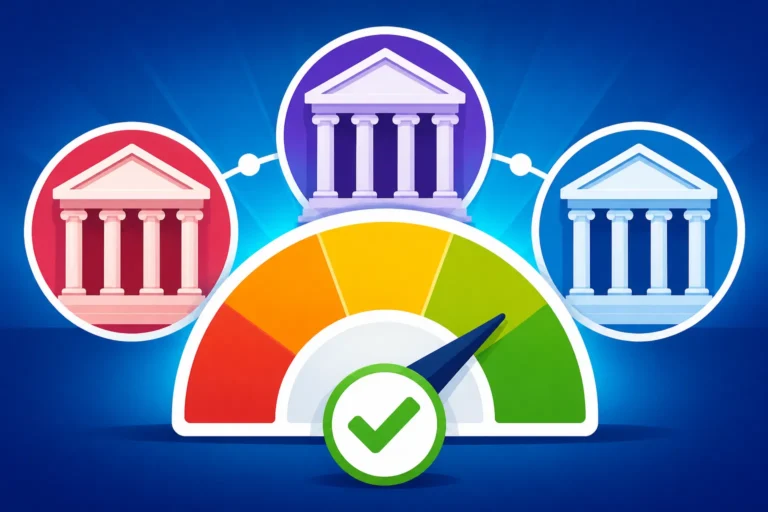
Freezing your credit isn't a "one and done" deal with a single entity. To truly protect yourself, you need to place a freeze with all three major credit bureaus: Equifax, Experian, and TransUnion. This is crucial because lenders don't all use the same bureau. If you only freeze with one, a scammer could simply apply for credit with a lender who pulls from an unfrozen bureau. The good news is that, thanks to federal law, placing and lifting a credit freeze is absolutely free. You can do this online, by phone, or even by mail, offering flexibility based on your preference.
Freezing Your Credit with Equifax
To place a credit freeze with Equifax, you have a few options. The easiest for most people is usually online. Visit the Equifax website, navigate to their "Credit Freeze" section, and follow the prompts. You'll typically need to provide your name, address, Social Security number, and date of birth to verify your identity. If you prefer, you can call their dedicated credit freeze line, and a representative will guide you through the process. For those who prefer snail mail, you can send a written request to their address, including copies of identification like a driver's license and a utility bill to prove residency.
Once you initiate the freeze, Equifax will provide you with a unique personal identification number (PIN). This PIN is incredibly important, as you'll need it to temporarily lift or permanently remove the freeze in the future. Treat this PIN like gold; store it in a safe, secure place where you won't lose it but where others can't easily access it. Losing this PIN can make the process of managing your freeze much more complicated down the road. The freeze takes effect typically within minutes if done online or by phone, but mail requests can take a few business days to process.
Freezing Your Credit with Experian
Experian also makes it straightforward to freeze your credit. You can head over to their website and find the section for credit freezes. Similar to Equifax, you'll be asked for personal identifying information to confirm who you are. The online portal is usually the fastest method, giving you instant confirmation. If you'd rather speak to someone, Experian offers a customer service line for credit freeze requests. Just be prepared to answer some security questions to verify your identity.
For those who prefer a paper trail or have limited internet access, you can send a written request to Experian via certified mail. Be sure to include copies of documents that establish your identity and current address. After processing your request, Experian will provide you with a PIN or a set of online credentials that you'll use to manage your freeze. Again, safeguarding this information is paramount. If you ever need to apply for new credit, you'll use this PIN to unfreeze your credit temporarily or permanently. Remember, the goal is to secure your credit, so making sure all three bureaus are addressed is a critical step in How to Freeze Your Credit (All 3 Bureaus).
Freezing Your Credit with TransUnion
The process for TransUnion is very similar to the other two bureaus. Their website has a dedicated section for placing a security freeze, which is usually the quickest and most convenient route. You'll enter your personal details, answer some verification questions, and confirm your request. TransUnion also has a phone number available for initiating freezes, which can be helpful if you have questions or prefer verbal confirmation.
If you opt for mail, send your written request to TransUnion, making sure to include necessary identification documents. They will then send you a confirmation and important information about managing your freeze, including a PIN or other access credentials. Like with Equifax and Experian, this unique identifier is your key to controlling your credit freeze. Without it, modifying your freeze can be a bureaucratic headache. Ensure you save it somewhere secure and easily retrievable for yourself, but inaccessible to others. This consistent approach across all three bureaus ensures comprehensive protection against new account fraud.
Important Considerations When Freezing Your Credit in Washington
While a credit freeze is a fantastic tool for protecting your financial identity, it's not a magic bullet that solves all credit-related issues. It's essential to understand exactly what a credit freeze does and doesn't do, as well as how to manage it effectively when you need to apply for credit or other services. Knowing these details will empower you to use this protection wisely without creating unnecessary hurdles for yourself.
What a Credit Freeze Blocks and Doesn't Block
A credit freeze is specifically designed to prevent new credit accounts from being opened in your name. It does this by restricting access to your credit report when a lender or creditor tries to perform a "hard inquiry" – the kind that happens when you apply for a new credit card, loan, or mortgage. If your credit is frozen, these hard inquiries cannot be completed, and thus, new credit cannot be issued without your explicit permission. This is its primary and most valuable function.
However, a credit freeze doesn't block everything. It won't stop "soft inquiries," which are checks performed by existing creditors, or when you check your own credit score. For example, if you're using a service like Credit Karma or checking your score directly through your bank, those soft inquiries will still go through. A freeze also doesn't prevent access to your credit report for certain government agencies (like child support enforcement) or for existing creditors who need to review your account. It also won't stop fraudulent activity on existing accounts. For that, you'd need to contact your bank or credit card company directly and potentially file an How to Get an Identity Theft Report with the Federal Trade Commission. Understanding this distinction is key to effectively using the freeze as part of a broader credit protection strategy.
Temporarily Thawing Your Credit for Applications
The biggest "catch" with a credit freeze is that when you want to apply for new credit – whether it's a new credit card, a car loan, or a mortgage – you'll need to temporarily "thaw" or "lift" the freeze. This can feel a bit inconvenient, but it's a necessary step to allow legitimate lenders to access your credit report and process your application. The good news is that thawing your credit is just as free and relatively easy as freezing it.
You'll go back to each of the credit bureaus (Equifax, Experian, TransUnion) and use the PIN or credentials they provided you. You can choose to lift the freeze for a specific period (e.g., for three days) or for a specific creditor. If you know which credit bureau your prospective lender uses (sometimes they'll tell you, or you can ask), you might only need to lift the freeze with that one bureau. However, to be safe, many people opt to temporarily unfreeze with all three. Just remember to re-freeze your credit once your application process is complete to maintain your protection. You can learn more about this process in our guide on How to Unfreeze Your Credit Temporarily.
Understanding Your PIN or Password
As mentioned earlier, when you place a credit freeze, each bureau will issue you a unique Personal Identification Number (PIN) or a set of online credentials. This isn't just a formality; it's your master key to managing your credit freeze. Without this PIN, modifying or lifting your freeze becomes a significantly more complicated process, often involving submitting notarized documents and waiting for manual verification.
Seriously, treat these PINs like they're gold. Don't write them on a sticky note attached to your computer, and don't save them in an easily accessible file on your desktop. Consider using a secure password manager or writing them down and storing them in a locked safe or safe deposit box. If you ever lose your PIN, you'll have to go through a rigorous identity verification process with each bureau, which can be time-consuming and frustrating. Taking a few extra moments to secure your PINs now will save you a lot of potential headaches later on.
Credit Freeze vs. Fraud Alert vs. Credit Lock
When you're looking into protecting your credit, you'll often hear about three different options: credit freezes, fraud alerts, and credit locks. While they all aim to protect you from identity theft, they work in different ways and offer varying levels of security. Understanding the distinctions is crucial for choosing the right approach for your personal circumstances in Washington.
Credit Freeze: The Strongest Protection
As we've thoroughly discussed, a credit freeze is the most robust form of protection against new account fraud. It legally restricts access to your credit report, meaning lenders cannot pull your report without your explicit permission (by temporarily lifting the freeze). This is a statutory right, meaning it's backed by federal law, and the bureaus are obligated to comply. It's free to place and lift, and it offers immediate, comprehensive protection against someone opening new credit in your name.
The biggest benefit here is the absolute barrier it creates. If a lender can't access your report, they can't approve an application. This makes it a proactive defense, stopping fraud before it even starts. For anyone concerned about their identity being stolen and used to open new lines of credit, a credit freeze should be the go-to option. It puts the power directly in your hands to decide when your credit report is accessible. You can explore this further in our in-depth article on Credit Freeze vs Credit Lock vs Fraud Alert.
Fraud Alerts: A Layer of Caution
A fraud alert, while helpful, offers a lesser degree of protection compared to a credit freeze. When you place a fraud alert, it requires creditors to take reasonable steps to verify your identity before extending new credit. This usually means a lender will call you at a designated phone number to confirm that you are, in fact, the one applying for credit. It's essentially a red flag on your report, prompting extra scrutiny.
There are a few types of fraud alerts: an initial fraud alert (lasts one year), an extended fraud alert (lasts seven years, requires an identity theft report), and an active duty military fraud alert (lasts one year). The key difference is that a fraud alert doesn't block access to your credit report; it merely warns potential lenders. A determined fraudster might still find a way around it, or a busy lender might not always follow the verification steps perfectly. It's a good extra layer of protection, especially if you suspect your information has been compromised but don't want to deal with the minor inconvenience of freezing and thawing for every application. You can learn more about placing one in How to Place a Fraud Alert on Your Credit.
Credit Locks: The Convenient Alternative
Credit locks are a newer option, often offered by the credit bureaus as a paid service or as a perk of a credit monitoring subscription. They function very similarly to a credit freeze in that they restrict access to your credit file. The main appeal of a credit lock is convenience; they can typically be locked and unlocked almost instantly via a mobile app or online portal, often without the need for a separate PIN. This makes them very user-friendly.
However, there are a couple of important distinctions. First, credit locks are generally contractual agreements with the credit bureaus, not a federally mandated right like a credit freeze. This means their terms and conditions can vary, and technically, the bureaus could change how they work. Second, while some bureaus offer free credit locks, others may charge a fee for the service. For residents of Washington looking for robust, free protection, a credit freeze remains the gold standard, given its legal backing and cost-free nature. If you're someone who frequently applies for credit and values instant control via an app, a credit lock might be appealing, but it's important to weigh the potential costs and contractual nature against the federal protection of a freeze.
Here's a quick comparison of the three options:
| Feature | Credit Freeze | Fraud Alert | Credit Lock |
|---|---|---|---|
| Legal Basis | Federal Law | Federal Law | Bureau Contractual (Varies) |
| Cost | Free | Free | May be Free or Paid |
| Protection Level | High (Blocks new credit) | Medium (Requires verification) | High (Blocks new credit) |
| Activation Time | Instant (online/phone) | Instant (online/phone) | Instant (app/online) |
| Removal Time | Instant (online/phone) | N/A (expires) | Instant (app/online) |
| Requires PIN | Yes (crucial) | No | Often No (app-based) |
| Blocks Soft Inquiries | No | No | No |
| Blocks Hard Inquiries | Yes | No (prompts verification) | Yes |
| Best For | Maximum protection, general concern about identity theft. | Suspected immediate compromise, less frequent credit applications. | Convenience, frequent credit activity, willing to pay for features. |
What to Do After You Freeze Your Credit in Washington
Freezing your credit is a fantastic step, but it's just one piece of the puzzle when it comes to comprehensive financial protection. Even with a freeze in place, there are other important habits and actions you should take to monitor and maintain the security of your financial identity. Think of it as reinforcing your fortress once the drawbridge is up.
Regularly Reviewing Your Credit Reports
A credit freeze protects against new credit being opened in your name, but it doesn't alert you to activity on existing accounts or errors that might already be on your report. That's why regularly checking your full credit reports from all three bureaus is absolutely vital. You're legally entitled to one free credit report from each of Equifax, Experian, and TransUnion every 12 months through AnnualCreditReport.com. In Washington, just like everywhere else, this is your right, and you should take advantage of it.
When you pull your reports, scrutinize them carefully. Look for anything that seems unfamiliar: accounts you didn't open, addresses you've never lived at, or employers you've never worked for. Even small discrepancies can be red flags for identity theft or errors that could negatively impact your credit score. If you spot anything suspicious, you'll need to know How to Dispute Credit Report Errors (Step-by-Step) immediately with the respective bureau. Catching these issues early can prevent them from snowballing into bigger problems.
Monitoring Existing Accounts
Your credit freeze doesn't protect your existing bank accounts, credit cards, or loans from fraud. If a thief gets access to your existing credit card number or debit card, they can still make purchases. Therefore, it's crucial to diligently monitor all your financial statements. Review your bank statements, credit card statements, and any loan statements as soon as they become available. Many banks and credit card companies offer online access and mobile apps that make daily or weekly checks easy.
Set up alerts with your financial institutions for suspicious activity, large transactions, or whenever your card is used online. If you notice any unauthorized transactions, report them to your bank or credit card company immediately. Most institutions have zero-liability policies for fraud, but quick action is still essential to minimize potential damage and ensure a smooth resolution. This active monitoring complements your credit freeze by covering your already established financial relationships.
Consider a Credit Monitoring Service
For an added layer of vigilance, especially if you've been a victim of identity theft in the past or are particularly concerned, you might consider subscribing to a credit monitoring service. These services typically track activity across your credit reports and often send you alerts when new accounts are opened, inquiries are made, or significant changes occur to your credit file. While a credit freeze prevents new accounts, a monitoring service can still notify you of other potentially fraudulent activities, like someone trying to use your existing accounts or changes to your personal information.
Many credit card companies and banks now offer free credit monitoring as a perk to their customers, so it's worth checking if you already have access to such a service. While a credit monitoring service often comes with a fee, the peace of mind it offers can be invaluable for some people. It’s about being notified instantly of potential issues so you can act quickly to rectify them, reinforcing the protection you've already established with your credit freeze.
Disclaimer
The information provided in this guide is intended for general informational purposes only and does not constitute financial, legal, or professional advice. Credit laws and regulations can be complex and may change. Always consult with a qualified financial advisor or legal professional for advice tailored to your specific situation.