How to Pay Off $1,000 in Credit Card Debt
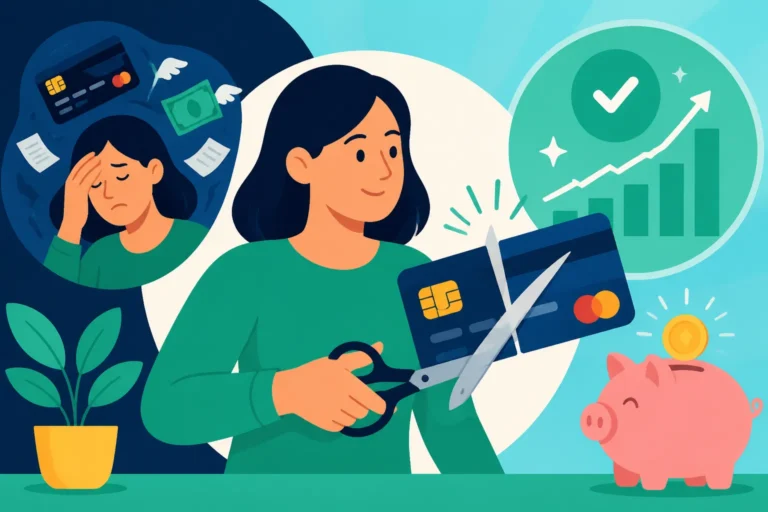
Staring down a $1,000 credit card balance can feel surprisingly heavy. It might not be tens of thousands, but that thousand-dollar hurdle often represents a nagging worry, an unexpected expense that threw your budget off course, or the cumulative effect of small purchases. This guide is here to walk you through exactly how to pay off that $1,000 in credit card debt, offering practical strategies to get it done and stop it from growing into something much bigger.
Why Even $1,000 in Credit Card Debt Matters
It's easy to dismiss $1,000 as "not that much," especially when you hear stories of people buried under five or six figures of debt. But trust me, that mindset can be a real trap. That seemingly small amount can quickly balloon, impacting your financial health in ways you might not immediately realize.
The Silent Killer: Interest Rates
One of the biggest reasons to tackle $1,000 quickly is the interest. Credit card interest rates, especially for cards with less-than-stellar rewards programs, can be incredibly high, often ranging from 18% to over 25% APR. If you only make the minimum payment on a $1,000 balance, a significant portion of that payment goes straight to interest, barely touching the principal.
Imagine you have a $1,000 balance with a 20% APR and a minimum payment of 2% of the balance or $25, whichever is greater. In the first month, your interest alone could be around $16.67 ($1000 * 0.20 / 12). If your minimum payment is $25, only $8.33 is actually going towards reducing the debt itself. This cycle means it takes much longer and costs much more to pay off than you'd expect. The longer that balance sits, the more money you're essentially throwing away.
Impact on Your Credit Score
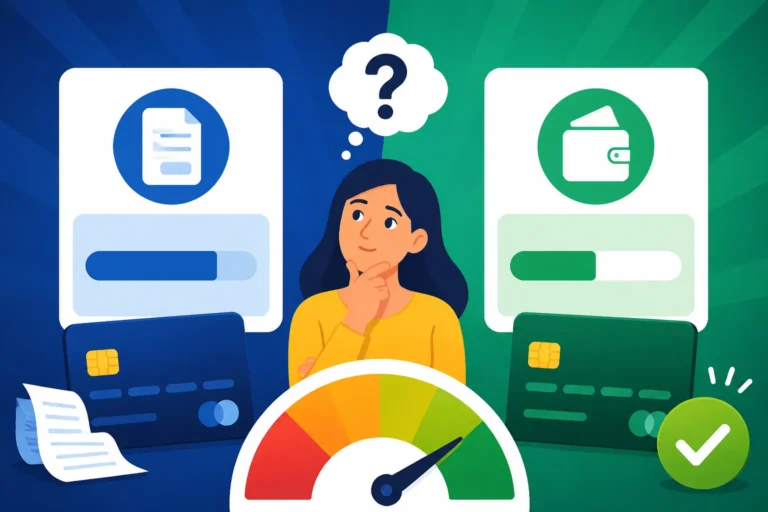
Even a relatively small amount of debt like $1,000 can ding your credit score, especially if it represents a high percentage of your available credit. This is known as Credit Utilization: The Complete Guide and it's a huge factor in how your score is calculated. If your card has a $1,500 limit, a $1,000 balance means you're utilizing about 67% of your credit. That's way above the recommended 30% — or even better, 10% — threshold that lenders like to see.
A high credit utilization ratio can signal to lenders that you might be over-reliant on credit, making you appear riskier. This can affect your ability to get approved for new loans, a mortgage, or even a new apartment lease down the line. Plus, paying off this debt and reducing your utilization is one of the fastest ways to see a positive bump in your score.
Mental and Emotional Burden
Let's be real, debt is stressful. That $1,000 might keep you up at night, make you think twice about everyday purchases, or simply hang over your head like a dark cloud. The mental toll of debt, no matter the size, is significant. The peace of mind that comes with being debt-free, even from a "small" amount, is invaluable. Getting rid of this $1,000 quickly is not just about numbers; it's about reclaiming your financial freedom and reducing a source of anxiety. It's a stepping stone to feeling more in control of your money.
Practical Strategies to Attack Your $1,000 Debt
Now that we understand why it's so important to tackle this $1,000 head-on, let's dive into the actionable steps you can take. You might be surprised at how quickly you can make a dent with a focused effort.
Method 1: The Avalanche or Snowball Approach
These are two popular and highly effective methods for paying off debt. While often discussed for larger debts, they work perfectly for a $1,000 balance, especially if you have other small debts or want to set a good precedent for future financial management.
Debt Avalanche
The debt avalanche method focuses on saving money on interest. With this strategy, you list all your debts from the highest interest rate to the lowest. You then pay the minimum amount on all debts except the one with the highest interest rate, on which you throw every extra dollar you can find. Once that debt is paid off, you take the money you were paying on it (plus any extra funds) and apply it to the next highest interest rate debt.
For a $1,000 credit card debt, if it's your only debt or your highest interest rate debt, this means dedicating all your efforts to it. This method saves you the most money in the long run because you're eliminating the most expensive debt first. It requires a bit more discipline since you might not see debts disappear as quickly as with the snowball method, but the financial payoff is greater.
Debt Snowball
The debt snowball method focuses on psychological wins. With this approach, you list your debts from the smallest balance to the largest, regardless of interest rate. You pay the minimum on all debts except the smallest one, to which you apply all available extra money. Once that smallest debt is paid off, you take the amount you were paying on it and add it to the minimum payment of the next smallest debt.
For a $1,000 debt, if it's your smallest debt, this strategy provides a quick win. Imagine paying off that $1,000 credit card in a couple of months – the momentum and motivation you'll gain can be incredibly powerful for tackling any other financial goals you have. For a detailed look at both, check out Debt Snowball vs Debt Avalanche: Which Is Better?.
Method 2: Finding Extra Cash in Your Budget
To truly accelerate your debt payoff, you need to find extra money. This isn't about magic; it's about being intentional with your spending for a short period.
Cutting Back on Discretionary Spending
This is usually the easiest place to start. For a month or two, commit to a "bare bones" budget. That means:
- Eating at home: Dining out, even fast food, adds up quickly. Cooking at home can save hundreds.
- Skipping subscriptions: Do you really need all those streaming services or that fancy coffee subscription right now? Pause them for a month.
- Delaying non-essentials: Hold off on new clothes, gadgets, or entertainment purchases. Remember, it's temporary.
- Negotiating bills: Call your internet or cable provider and see if you can get a better rate or temporary discount. Every little bit helps.
Even small cuts can free up surprising amounts. Skipping daily coffee, bringing lunch from home, and canceling one streaming service could easily save you $100-$150 a month. Imagine what you could do by cutting a bit deeper.
Boosting Your Income Temporarily
If cutting back isn't enough, or you want to pay it off even faster, consider bringing in some extra income.
- Sell unused items: Go through your closet, garage, or attic. Old electronics, clothes, furniture, or collectibles can be sold on platforms like Facebook Marketplace, eBay, or local consignment shops. You might be surprised how much value is sitting around your house.
- Take on a side hustle: Deliver groceries for Instacart, drive for Uber/Lyft, walk dogs on Rover, or freelance your skills online. Even a few extra hours a week can generate significant cash.
- Ask for extra shifts: If your job offers overtime or additional hours, volunteer for them.
- Gig work: Look for one-off tasks on platforms like TaskRabbit for things like yard work, assembling furniture, or running errands.
Let's say you sell an old gaming console for $200 and pick up a few dog-walking gigs for another $100. That's $300 that can go directly to your $1,000 debt, reducing it to $700 almost instantly!
Method 3: Leveraging Balance Transfers (with caution)
For a $1,000 debt, a balance transfer might seem like overkill, but it can be highly effective if you qualify for a 0% APR introductory offer.
How a Balance Transfer Works
A balance transfer involves moving your existing credit card debt from one card to another, typically a new card with a promotional 0% APR period (e.g., 12, 18, or even 21 months). This gives you a window to pay off the debt without incurring any interest.
The Caveats
- Transfer fees: Most balance transfers come with a fee, usually 3-5% of the transferred amount. For a $1,000 debt, a 3% fee would be $30. You need to factor this into your payoff plan.
- Discipline is key: If you transfer the balance and then rack up new charges on the old card or fail to pay off the transferred balance before the 0% APR period ends, you'll be right back where you started, potentially with even more debt and higher interest rates.
- Credit score impact: Applying for a new card will result in a hard inquiry on your credit report, which can cause a slight, temporary dip in your score. However, if managed correctly, the benefit of 0% interest often outweighs this short-term impact.
- Qualification: You'll need good enough credit to qualify for a balance transfer card with a promotional APR.
If you can get a 0% APR card and are confident you can pay off the $1,000 (plus the fee) before the promotional period expires, this can be an excellent strategy to pay off your debt fast without accruing any more interest.
Method 4: Considering a Low-Interest Personal Loan
Another option, though less common for just $1,000, is a small personal loan. This consolidates your high-interest credit card debt into a single loan with a fixed interest rate and a set repayment schedule, which can often be lower than credit card APRs.
Advantages and Disadvantages
- Predictable payments: Personal loans offer a clear payment schedule, making it easier to budget.
- Lower interest: The interest rate might be significantly lower than your credit card's APR.
- Hard inquiry: Like a balance transfer, applying for a personal loan will result in a hard inquiry.
- Minimum loan amounts: Some lenders have minimum loan amounts higher than $1,000, so this option might not always be available.
Before pursuing a personal loan, calculate if the interest savings outweigh any origination fees the loan might carry. For a smaller amount like $1,000, you might find that simply focusing on aggressive payments is more straightforward.
Building a Bulletproof Budget to Stay Debt-Free
Paying off $1,000 is fantastic, but the real victory is preventing it from creeping back. This requires a solid budget and a shift in your spending habits.
Tracking Your Spending Religiously
You can't manage what you don't measure. For at least a month, track every single dollar you spend. Use an app, a spreadsheet, or even a pen and paper. This isn't about judgment; it's about awareness. You'll likely uncover "money leaks" – those small, unconscious purchases that add up.
Many people find they spend hundreds of dollars each month on things they can't even remember buying. Once you see where your money truly goes, you can make informed decisions about where to cut back or reallocate funds.
Creating a Realistic Budget
Once you know your spending habits, build a budget that works for you. Don't make it so restrictive that it's impossible to stick to. A realistic budget accounts for your needs, wants, and financial goals.
Here's a simple framework:
| Category | Estimated % of Income | Actual Spending | Notes |
|---|---|---|---|
| Housing | 25-35% | Rent/Mortgage, utilities, insurance | |
| Transportation | 10-15% | Gas, car payments, public transport | |
| Food | 10-15% | Groceries, dining out (reduced for now) | |
| Debt Repayment | 15-20% | Credit cards, loans, student debt | |
| Savings | 10-15% | Emergency fund, retirement, specific goals | |
| Personal/Misc. | 5-10% | Entertainment, personal care, subscriptions |
Adjust these percentages based on your income and cost of living. The goal is to allocate every dollar of your income, giving it a job, so you're not left wondering where it went. For more on managing your card usage, read How to Use a Credit Card to Build and Keep Good Credit.
Building an Emergency Fund
One of the most common reasons people fall into credit card debt is unexpected expenses. A car repair, a medical bill, or a sudden job loss can quickly lead to relying on high-interest credit cards if you don't have a cushion.
Aim to build an emergency fund of at least $1,000. This might seem counterintuitive when you're trying to pay off debt, but it's a crucial defense against new debt. Once your credit card is paid off, shift your focus to growing this fund to 3-6 months of living expenses. This creates a financial safety net, so future unexpected costs don't derail your progress.
Leveraging Credit Building Tools for a Stronger Future
Once that $1,000 debt is gone, you'll be in a prime position to not just maintain your good habits but actively build a stronger credit profile. This isn't about taking on new debt, but about using tools designed to help you.
Secured Credit Cards
If you're rebuilding your credit or have a limited credit history, a secured credit card can be a fantastic tool. You put down a deposit, which usually becomes your credit limit. This deposit secures the card, making it less risky for the issuer. You use it like a regular credit card, making small purchases and paying them off in full and on time each month. The responsible use is reported to the credit bureaus, helping you build positive payment history. When you close the account or upgrade to an unsecured card, you get your deposit back. Learn more here: Secured Credit Cards: How They Build Credit.
Credit Builder Loans
Another excellent option, particularly if you want to avoid traditional credit cards for a while, is a credit builder loan. Companies like Credit Strong offer these loans. Here's how they typically work:
- You take out a small loan, say $500 or $1,000.
- Instead of getting the money upfront, the funds are held in a locked savings account or Certificate of Deposit (CD).
- You make regular monthly payments on the loan.
- These payments are reported to the credit bureaus.
- Once the loan is paid off, you receive the money that was held in the account, minus any interest and fees.
This method allows you to build a positive payment history and savings simultaneously, without incurring new credit card debt. It's a structured way to demonstrate financial responsibility. A Credit Strong account, for instance, focuses solely on reporting positive payment history, which is a major factor in improving your score. It’s an effective way to show lenders you can handle installment debt, which can diversify your Credit Mix: Does Having Different Loan Types Help?
Rent and Utility Reporting
Did you know your on-time rent and utility payments might not automatically show up on your credit report? Services like Experian Boost or other third-party platforms allow you to connect your bank accounts and report these payments to the credit bureaus. Since payment history is the single most important factor in your credit score, adding these consistent, on-time payments can give your score a healthy boost.
Think about it: you're already paying rent and utilities. Why not get credit for it? This can be especially helpful if you're working on how to Build Credit From Scratch (2026 Guide) or have a Thin Credit File: How to Build a Credit History.
Monitoring Your Credit
Once you've paid off your debt and started implementing credit-building strategies, it's crucial to monitor your credit report regularly. You can get a free copy of your credit report from each of the three major bureaus (Equifax, Experian, and TransUnion) once a year at AnnualCreditReport.com. Review it for any errors or signs of identity theft. Correcting inaccuracies can also positively impact your score. Knowing How to Check Your Credit Score for Free is an important first step. Regular monitoring helps ensure all your hard work reflects accurately.
What to Do After Your $1,000 Debt is Gone
Congratulations! Once you've successfully paid off that $1,000, you'll feel a huge sense of accomplishment. But the journey doesn't end there.
Keep the Card Open (Usually)
Unless the card has an annual fee you can't justify, or you struggle with overspending on it, it's usually best to keep the account open. Closing a credit card can actually hurt your credit score by reducing your overall available credit and shortening your average credit age. This can negatively impact your How Credit Scores Work: The Complete Guide. Instead, consider putting a small, recurring charge on it (like a streaming service subscription), set it to autopay the full balance, and then safely tuck the card away. This keeps the account active and reporting positive payment history without tempting you to overspend.
Reassess Your Financial Goals
With this debt eliminated, you have more breathing room in your budget. It's a perfect time to re-evaluate your larger financial goals.
- Grow your emergency fund: As mentioned, aim for 3-6 months of living expenses.
- Invest: Start or increase contributions to a retirement account like a 401(k) or IRA.
- Save for a down payment: Whether it's for a house or a new car, having a specific savings goal can keep you motivated.
- Tackle other debts: If you have student loans or a car payment, you can now redirect the money you were paying on your credit card to those debts.
Remember, paying off this $1,000 is a significant win. Use that momentum to propel you toward even greater financial security. Perhaps you'll even consider a Credit Strong loan to continue building your credit while working on a different financial objective.
Educate Yourself Continuously
The world of personal finance is vast, and there's always more to learn. Continue to read articles, listen to podcasts, and engage with reputable financial resources. Understanding topics like What Is a Good Credit Score? (2026 Ranges Explained) or How to Lower Your Credit Utilization Fast will empower you to make smarter financial decisions and avoid future debt pitfalls. Your journey to financial health is ongoing, and knowledge is your most powerful tool.
Disclaimer
The information provided in this article is for general informational purposes only and does not constitute financial, legal, or professional advice. Always consult with a qualified financial advisor, credit counselor, or legal professional for advice tailored to your specific situation. Debt management strategies involve risk, and individual results may vary.