Does a Store Credit Card Help Your Score?
It’s easy to get caught up in the moment at the checkout counter. The cashier asks, "Would you like to save 15% (or 20%, or even 30%!) on your purchase today by opening a store credit card?" For many, especially those looking to build or rebuild their credit, that immediate discount can feel like a lifeline, a tempting offer that seems to solve both a spending desire and a credit-building need. But the real question is: does a store credit card actually help your credit score in the long run, or is it a short-term gain that could lead to longer-term headaches? This guide will dive deep into the pros and cons, helping you understand the true impact of those alluring store credit offers on your financial journey.
The Allure of Store Credit Cards and Instant Savings
We've all been there, standing in line, perhaps a little tired from shopping, only to be hit with that enticing offer. It’s hard to resist, especially when you’ve got a cart full of goodies and the thought of saving some cash right now feels incredibly appealing. But behind that instant gratification lies a credit product with its own unique set of characteristics that are crucial to understand.
The Point-of-Sale Pitch: A Tempting Offer
The primary reason most people sign up for a store credit card is the immediate discount. Imagine you’re at your favorite department store, say Macy's or Kohl's, and your total is $300. A 20% discount means $60 off right then and there. That’s a significant saving, and for many, it’s a no-brainer. Retailers know this, and their staff are often trained to emphasize this instant reward. It’s a powerful incentive, particularly for consumers who might be on a tight budget or just love a good deal. The pitch often focuses solely on the savings, with little mention of the terms, interest rates, or the long-term impact on your credit profile. This can leave people feeling a bit blindsided later when they see high interest charges or unexpected drops in their credit score.
Understanding the Different Types of Store Cards
Before you even consider signing up, it’s vital to recognize that not all store cards are created equal. There are generally two main types you’ll encounter, and their utility can differ significantly.
First, you have closed-loop store cards. These are strictly for use within that specific store or its affiliated brands. Think of a Gap card that can only be used at Gap, Old Navy, Banana Republic, and Athleta. While they might offer great discounts and loyalty points for that particular brand, their utility is limited. They don't have the widespread acceptance of a Visa or Mastercard.
Second, there are co-branded store cards, which are typically issued in partnership with a major payment network like Visa, Mastercard, American Express, or Discover. A good example is the Target RedCard, which comes in both a store-only debit option and a Mastercard version. The Mastercard version can be used anywhere Mastercard is accepted, giving it much more versatility. While these usually still offer store-specific perks, their ability to be used elsewhere often makes them a more practical choice for everyday spending, which can then contribute to a more robust payment history. However, even these co-branded cards often come with the same high interest rates and low credit limits that characterize their closed-loop counterparts.
How Store Credit Cards Impact Your Credit Score
So, you've accepted the offer, enjoyed your discount, and now you have a new piece of plastic in your wallet. How does this actually play out on your credit report and, more importantly, your credit score? The effects are multi-faceted, touching upon several key components that make up your score. To truly understand how credit scores work, it's good to know all What Affects Your Credit Score? The 5 Factors.
The Initial Credit Hit: Hard Inquiry
The first thing that happens when you apply for any new credit card, including a store card, is a "hard inquiry" on your credit report. This occurs when a lender pulls your credit report to assess your creditworthiness. A single hard inquiry typically causes a small, temporary dip in your credit score, usually around 5-10 points, and it remains on your credit report for two years, though its impact diminishes over time. For someone with an already thin credit file or who is diligently working to improve their score, even a small drop can feel disheartening. It’s important to remember that applying for multiple credit cards in a short period can signal to lenders that you might be a higher risk, potentially leading to more significant score drops. If you're wondering How Many Points Is a Hard Inquiry Worth?, it's generally not as much as a late payment, but it still counts.
Building Payment History: The Foundation of Good Credit
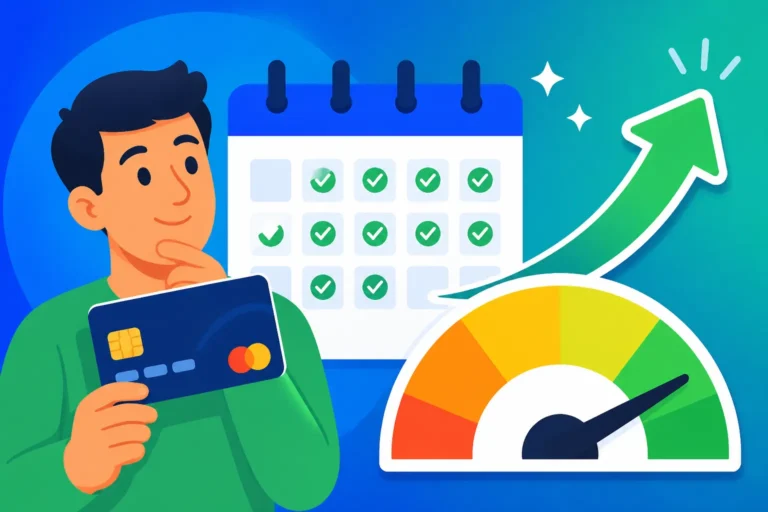
Here's where store credit cards can genuinely help, assuming responsible use. Your payment history is the most critical factor in your credit score, accounting for about 35% of your FICO Score. Every on-time payment you make on your store credit card contributes positively to this history. If you consistently pay your bill in full and on time each month, you're building a solid track record of financial reliability. This positive behavior is reported to the three major credit bureaus (Equifax, Experian, and TransUnion), and over time, it helps to establish or strengthen your credit profile. This is foundational to How to Build Credit From Scratch (2026 Guide) and a primary reason why any credit account can be beneficial.
Credit Utilization: A Double-Edged Sword
Credit utilization, or how much of your available credit you're using, is the second most important factor, making up about 30% of your FICO Score. This is where store credit cards often present a significant challenge. Many store cards are issued with relatively low credit limits. For instance, you might get a card with a $300 limit. If you use it to buy items costing $150, your credit utilization immediately jumps to 50% ($150 used / $300 limit). Lenders generally prefer to see your credit utilization below 30%, and ideally even lower, like under 10%. High utilization signals higher risk and can significantly drag down your credit score.
Let’s say you get that instant 20% off a $100 purchase. Your card now has a $100 balance on a $300 limit, pushing your utilization to 33%. While it might seem like a small amount, on a low-limit card, it can quickly push you into a high utilization ratio. If you want to dive deeper into this, check out our guide on Credit Utilization: The Complete Guide and How Much Does Credit Utilization Affect Your Score?. Managing this delicate balance is crucial, and it’s why even a small balance on a store card can have a disproportionately negative effect on your score compared to the same dollar amount on a card with a much higher limit.
Length of Credit History and Credit Mix
The length of your credit history (the age of your oldest and newest accounts, and the average age of all your accounts) contributes about 15% to your FICO Score. Opening a new store credit card will lower your average age of accounts, at least initially. However, if you keep the card open and manage it responsibly over many years, it will eventually contribute positively to a longer credit history.
Credit mix, which accounts for about 10% of your score, considers whether you have a healthy mix of different types of credit, such as revolving credit (credit cards) and installment loans (car loans, mortgages). A store credit card adds another revolving account to your profile, which can be beneficial if your credit mix is currently limited. However, it's a minor factor, and getting a store card solely for credit mix might not be the most impactful strategy. It's more about having a diverse and responsibly managed portfolio over time.
The Downsides and Pitfalls of Store Credit Cards
While store credit cards can offer immediate discounts and a path to building credit, they come with a significant number of drawbacks that often outweigh the benefits, especially for those new to credit or struggling to manage debt.
High Interest Rates and Limited Use
Perhaps the biggest drawback of most store credit cards is their notoriously high Annual Percentage Rates (APRs). It's not uncommon to see APRs ranging from 25% to even over 30%. To put that into perspective, many general-purpose credit cards have APRs in the 15-20% range for those with good credit, and even higher for subprime cards. If you carry a balance on a store card, that initial discount can quickly be eaten up, and then some, by the exorbitant interest charges. What looked like a great deal at the checkout can turn into an expensive mistake if you don’t pay the balance in full every single month.
Beyond the high interest, many store cards are "closed-loop," meaning they can only be used at that specific retailer. While some are co-branded with major networks like Visa or Mastercard, giving them wider acceptance, the majority are not. This limited utility means you can only use them in one place, reducing their overall value and convenience compared to a general-purpose credit card that you can use for almost any purchase, anywhere.
Easy to Max Out and Hurt Utilization
Due to their typically low credit limits, store credit cards are incredibly easy to max out, even with modest purchases. Imagine you have a store card with a $400 limit. A shopping spree totaling $250 means you’ve already used over 60% of your available credit. As we discussed, high credit utilization is a major red flag for lenders and can severely depress your credit score. This makes store cards a tricky tool for building credit, as it requires a very disciplined approach to spending and repayment to avoid hurting your score. It’s a classic trap where the initial discount encourages spending, but the low limit makes it difficult to maintain a healthy utilization ratio. If you're trying to figure out How to Lower Your Credit Utilization Fast, a store card might not be your best friend.
Potential for Multiple Hard Inquiries and Too Many Accounts
The impulse to say "yes" to a store credit card offer can lead to a slippery slope. You might get one at Old Navy for a discount, then another at Best Buy for a new gadget, and suddenly you've applied for three or four new cards in a short period. Each application results in a hard inquiry on your credit report, and multiple inquiries in a short span can cumulatively lower your score more significantly and make you appear riskier to lenders. Moreover, opening too many accounts quickly can shorten your average age of accounts and dilute your credit mix without providing substantial benefit. This can be a concern for those just starting out and wondering How Many Credit Cards Is Too Many? or if Does Applying for Multiple Cards Hurt Your Credit? will have a big impact. It often paints a picture of someone who might be desperate for credit, which is not a favorable impression to make on potential lenders.
Better Alternatives for Building Credit
While store credit cards can help build credit if managed perfectly, the risks often outweigh the rewards. Fortunately, there are more effective and safer strategies to build a strong credit history.
Secured Credit Cards and Credit Builder Loans
For those just starting their credit journey or looking to rebuild after past mistakes, secured credit cards are often considered the gold standard. Here's why: you deposit an amount of money (e.g., $200-$500) with the issuer, and that deposit becomes your credit limit. This significantly reduces the risk for the lender, making them easier to obtain even with no or poor credit. You use the card like a regular credit card, making purchases and then paying your bill. The key difference is that your own money secures the line of credit. Regular, on-time payments are reported to the credit bureaus, building a positive payment history. Plus, many secured cards have lower APRs and more reasonable terms than store cards. Discover and Capital One both offer popular secured card options. You can learn more about how they work in our guide on Secured Credit Cards: How They Build Credit.
Another excellent option is a credit builder loan. Instead of receiving money upfront, you make regular payments into a locked savings account, and once the loan is paid off, you receive the funds. These loans, often offered by smaller banks, credit unions, or specialized services like Credit Strong, are specifically designed to help you build a payment history for an installment loan. Your payments are reported to the credit bureaus, demonstrating your ability to handle different types of credit. Services like Credit Strong structure these loans to report positive payment history, making them a fantastic tool for people who prefer a more structured savings and credit-building approach. With Credit Strong, you're not just building credit, you're also building up savings as you pay off the loan. This combination of building credit and a small nest egg can be incredibly empowering.
Becoming an Authorized User and Reporting Rent Payments
If you have a trusted family member with excellent credit and a long, positive credit history, becoming an authorized user on one of their credit cards can be a quick boost. When you’re added, that card's history, including its payment history and credit limit, can appear on your credit report. This can significantly jumpstart your credit history, but it relies on the primary account holder continuing to manage their credit responsibly. It's a strategy that comes with both benefits and risks, as explored in Does Being an Authorized User Build Credit?.
Another increasingly popular method for building credit without taking on new debt is rent reporting. Services like Experian Boost or those offered by companies like RentReporters allow your on-time rent payments to be reported to credit bureaus. Since rent is often your largest monthly expense, turning those consistent payments into credit-building opportunities can be incredibly powerful. Many people faithfully pay rent for years without it ever affecting their credit, so utilizing a service to report these payments can quickly establish a positive payment history.
Strategic Use of General-Purpose Credit Cards
Once you’ve established some positive credit history, either through a secured card, credit builder loan, or authorized user status, you can graduate to an unsecured general-purpose credit card. These cards (Visa, Mastercard, etc.) offer greater flexibility, wider acceptance, and often better rewards programs and interest rates for those with fair to good credit. When choosing your first unsecured card, look for those designed for people building credit, which might have fewer perks but offer a clearer path to a higher credit limit and better terms over time. Managing these cards responsibly, keeping utilization low, and always paying on time will be key to continuing your journey to a strong credit score. For a comprehensive plan, consider our guide on How to Build Credit Fast: What What Actually Works.
Here's a quick comparison of store credit cards versus more effective credit-building tools:
| Feature | Store Credit Card | Secured Credit Card | Credit Builder Loan |
|---|---|---|---|
| Credit Requirement | Often lenient (easy approval) | Very lenient (deposit required) | Very lenient (focused on payment history) |
| Credit Limit | Typically low, making high utilization easy | Varies, usually matches deposit (e.g., $200-$2,500) | "Loan" amount is typically $500-$2,500, paid into savings |
| APR (Interest Rate) | Very high (25-30%+) | Often lower than store cards, but can vary (15-25%) | Usually low, as the money is often held in savings |
| Utility | Limited to specific store/brand (closed-loop) or co-branded (wider) | General purpose (Visa, Mastercard, Discover) | Builds payment history; funds released at end of term |
| Credit Utilization Impact | High risk due to low limits | Easier to manage, as you control the limit with your deposit | N/A (installment loan, not revolving credit) |
| Primary Benefit | Instant discount at checkout | Builds credit responsibly, widely accepted | Builds credit, creates savings, diversifies credit mix |
| Deposit Required? | No | Yes | No upfront deposit, but you make payments towards a savings account |
| Example Brand | Old Navy, Kohl's, Macy's | Discover it® Secured, Capital One Platinum Secured | Self, Credit Strong, local credit unions |
Final Thoughts on Store Credit Cards
While the immediate gratification of a discount from a store credit card can be incredibly appealing, it's crucial to look beyond the initial savings. For many, especially those who are new to credit or working to improve their credit score, the potential pitfalls — high interest rates, low credit limits leading to high utilization, and the temptation to open multiple accounts — often outweigh the benefits.
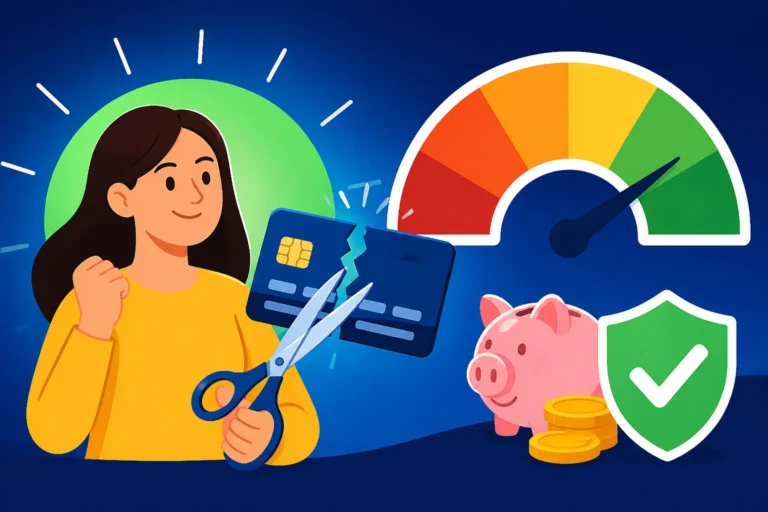
A store credit card can help your credit score if you are extremely disciplined: you get the card, use it only for small purchases, and pay the balance in full before the statement closing date every single month. If you can commit to that level of meticulous management, it will contribute positively to your payment history and credit mix. However, for most people, the structure and terms of secured credit cards or credit builder loans, like those offered by Credit Strong, offer a more controlled, reliable, and ultimately safer path to building a solid credit foundation.
Before you say "yes" to that enticing checkout offer, take a moment to consider your long-term financial goals. Are you aiming for an excellent credit score for a future mortgage or car loan? Then a more strategic approach to credit building will serve you far better than a fleeting discount.
Disclaimer
Please note that this article is for informational purposes only and does not constitute financial or legal advice. Credit strategies and financial products can vary, and it's always wise to consult with a qualified financial advisor to discuss your individual circumstances and make informed decisions.