How to Pay Off $10,000 in Credit Card Debt in 18 Months
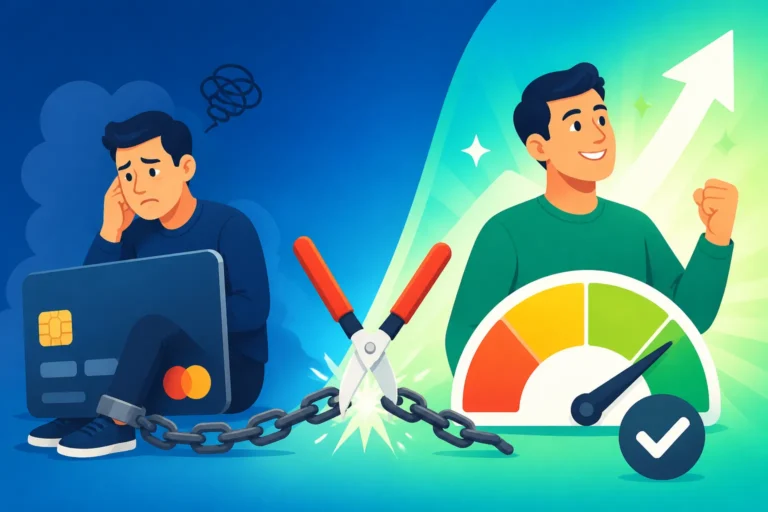
Carrying $10,000 in credit card debt can feel like carrying a heavy weight on your shoulders every single month. High interest rates eat away at your hard-earned paycheck, making it feel impossible to get ahead. Fortunately, paying off $10,000 in 18 months is entirely doable with a structured plan, a firm handle on your cash flow, and the right repayment strategies. This guide walks you step-by-step through calculating your monthly target, picking a repayment strategy, and keeping your credit score strong throughout the journey.
Understanding the Math and Timeline for an 18-Month Payoff
Taking on a $10,000 balance over an 18-month timeframe requires a clear breakdown of the numbers before taking action. At a fundamental level, dividing $10,000 by 18 months yields a baseline principal payment of roughly $556 per month. However, credit card interest complicates this simple math. Because credit card issuers calculate interest daily based on your average daily balance, the actual amount you must pay each month depends heavily on your current Interest Annual Percentage Rate (APR).
If your credit card carries a typical APR between 18% and 24%, a standard fixed payment plan will require somewhere between $630 and $670 per month to eliminate the balance completely within 18 months. The interest payments absorb a significant chunk of your monthly outlay in the beginning, slow down your initial progress, and increase the total cost of your debt.
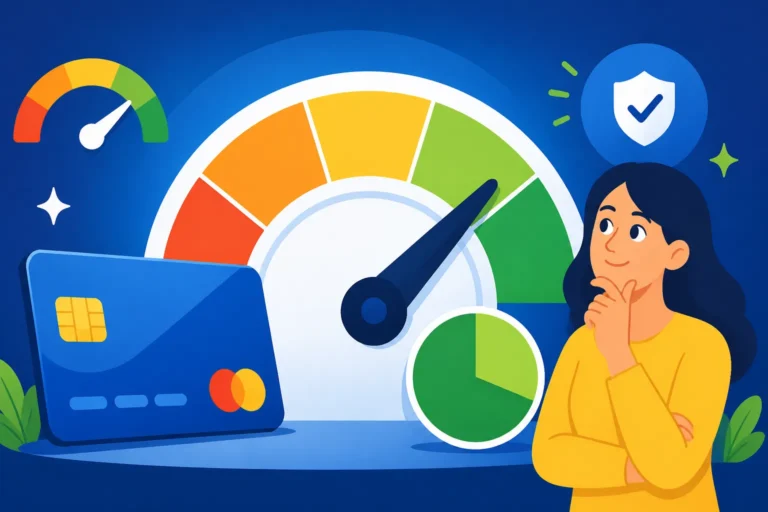
Understanding How Credit Card Debt Affects Your Credit Score is crucial at this stage. High revolving balances keep your credit utilization elevated, which can lower your overall credit score. Credit utilization represents the percentage of your available credit limits currently in use. When you carry a $10,000 balance across cards with a combined limit of $12,000, your utilization sits at 83%, a range that credit scoring models view as high risk. By lowering that balance month after month, you gradually restore your utilization ratio to healthier levels, directly benefiting your credit profile.
The table below illustrates how different interest scenarios impact your monthly required payment and the total cost to clear a $10,000 balance over an 18-month timeline.
| Repayment Scenario | Estimated APR | Target Monthly Payment | Total Interest Paid | Total Cost Over 18 Months |
|---|---|---|---|---|
| Standard High-Interest Credit Card | 22% | ~$658 | ~$1,844 | ~$11,844 |
| Moderate-Interest Consolidation | 11% | ~$605 | ~$890 | ~$10,890 |
| 0% APR Balance Transfer Promo | 0% (with 3% fee) | ~$573 | $0 ($300 upfront fee) | ~$10,300 |
As shown in the comparison, minimizing the interest rate dramatically lowers both your monthly obligation and the total amount paid out of pocket. To review how utilization thresholds influence scoring models in depth, check out Credit Utilization: The Complete Guide.
Choosing the Right Debt Payoff Strategy
Once the math is clear, the next decision involves selecting the execution method that fits your personal financial behavior and current credit profile.
The Debt Avalanche vs. Debt Snowball Method
If your $10,000 balance is spread across multiple credit cards rather than a single account, you need an order of attack. Two popular structured approaches are the Debt Avalanche and the Debt Snowball.
- The Debt Avalanche: Under this method, you make minimum payments on all cards and direct every extra dollar toward the card with the absolute highest interest rate. Once that card reaches zero, you shift your target to the account with the next highest APR. Mathematically, this saves the most money in interest charges over 18 months.
- The Debt Snowball: With the snowball approach, you direct extra payments toward the card with the smallest dollar balance first, regardless of the interest rate. Eliminating smaller balances rapidly provides psychological momentum, which helps many people stick to their 18-month target.
Both methods work well, but choosing the right one depends on whether you are motivated more by mathematical efficiency or quick behavioral wins. For a deeper breakdown of these strategies, read Debt Snowball vs Debt Avalanche: Which Is Better?.
Leveraging 0% APR Balance Transfers
For individuals with good to excellent credit scores, a 0% APR balance transfer credit card offers one of the fastest paths to elimination. These promotional offers allow you to transfer existing credit card balances to a new card that charges zero interest for a promotional period, often ranging from 12 to 21 months.
If you secure an 18-month promotional window, every dollar paid goes directly toward reducing the principal balance. However, keep in mind that balance transfers typically come with a one-time balance transfer fee, usually between 3% and 5% of the transferred amount. On a $10,000 transfer, a 3% fee adds $300 to your total balance, making your starting payoff target $10,300. Dividing $10,300 across 18 months yields a predictable monthly payment of approximately $573.
To maximize this strategy, you must ensure the entire balance is cleared before the promotional period ends, as remaining balances will face standard interest rates. To learn more about transfer mechanics, read Balance Transfer Cards: How They Work and explore general tactics in How to Pay Off Credit Card Debt Fast.
Consolidating with a Personal Loan
If a balance transfer card is not an option due to credit limits or eligibility, an unsecured personal debt consolidation loan offers another avenue. Consolidating replaces multiple credit card payments with a single fixed installment payment over a set term.
Personal loans generally offer lower fixed interest rates than credit cards for qualified borrowers, providing structured monthly payments that remain unchanged for 18 months. Furthermore, converting revolving credit card debt into an installment loan immediately drops your credit utilization ratio to 0%, which often yields an immediate positive lift to your credit score. For a direct comparison of these options, review Debt Consolidation vs Balance Transfer.
Executing the Budget and Cash Flow Adjustments
Finding an extra $570 to $660 in your monthly budget requires intentional planning and tactical adjustments to your spending habits. Paying off $10,000 in 18 months is a short-term sprint that yields long-term financial freedom.
Trimming Discretionary Expenses and Uncovering Hidden Cash
To create room for a $600+ monthly debt payment, begin with a thorough audit of your past three months of bank and credit card statements. Categorize your expenses into non-negotiable needs (housing, utilities, basic groceries, transport) and flexible wants (dining out, streaming subscriptions, entertainment, impulse shopping).
- Pause Unnecessary Subscriptions: Temporarily cancel unused digital services, membership apps, and recurring premium subscriptions.
- Adopt Tactical Grocery Habits: Meal planning, buying in bulk, and limiting dining out to rare occasions can easily free up $150 to $300 monthly.
- Renegotiate Fixed Bills: Contact service providers for internet, mobile phones, and auto insurance to request lower promotional rates or reduce coverage tiers.
Funneling Windfalls and Extra Income Direct to Debt
Relying solely on budget cuts can feel restrictive over an 18-month period. Accelerate your timeline by supplementing your regular income with dedicated side hustles, overtime hours, or selling unused items around your household.
Additionally, pledge to direct 100% of any financial windfalls toward your $10,000 balance. Tax refunds, workplace bonuses, holiday gift money, or unexpected cash back should immediately go toward your debt. Applying a single $1,500 tax refund directly to your credit card drops your monthly payment requirement over the remaining months significantly, making your daily budget far more manageable.
Protecting Your Credit Mix During Repayment
As you systematically pay down revolving debt, maintaining a healthy credit score remains essential. Scoring models favor consumers who demonstrate responsible management of diverse credit types, including both revolving cards and fixed installment accounts.
While eliminating credit card debt lowers revolving utilization, adding or maintaining a steady, low-cost installment history with a service like Credit Strong can help keep your credit mix balanced without incurring expensive interest charges. Using Credit Strong allows you to build a positive payment history on an installment account while concurrently wiping out high-interest credit card debt, ensuring your overall credit profile expands in strength as your balances drop.
Maintaining Credit Health After Reaching Zero Debt
Crossing the finish line and eliminating your $10,000 balance is a major financial milestone, but the decisions you make immediately afterward determine your long-term credit health.
What to Do With Your Emptied Credit Cards
Once a credit card reaches a zero balance, the common impulse is to close the account completely to avoid future temptation. However, closing old credit card accounts can unintentionally harm your credit score in two distinct ways:
- Reduced Overall Credit Limit: Closing a card removes its credit limit from your total available credit, which can immediately increase your overall utilization ratio if you carry small balances on other cards.
- Shortened Average Age of Credit: Length of credit history accounts for a meaningful portion of your credit score. Closing older accounts eventually reduces the average age of your accounts once they fall off your report.
Instead of closing the accounts, keep them open and active by placing a small recurring utility bill on each card, paired with an automatic full payment every month. This strategy keeps the account active on your credit report, preserves your available credit limit, and continually generates positive payment history. If you want to dive deeper into how card closures impact your profile, read Does Closing a Credit Card Hurt Your Score? and How to Lower Your Credit Utilization Fast.
Building a Resilient Post-Payoff Financial Foundation
To prevent sliding back into revolving credit card debt, establish a dedicated emergency fund as soon as your $10,000 debt is cleared. Redirect the $600+ monthly payment you were using for debt service straight into a high-yield savings account until you have accrued three to six months of living expenses.
With your credit card balances wiped out, continuing to diversify your credit profile ensures long-term score stability. Utilizing structured solutions like Credit Strong can help you systematically build your financial profile through credit-builder accounts that save money while adding positive payment marks to your credit reports. Leveraging a tool like Credit Strong ensures your credit mix remains healthy, providing a solid safety net and a strong financial foundation as you move forward completely debt-free.
Disclaimer
This article is for general informational purposes only and does not constitute professional advice. Laws, prices and regulations vary by location and change over time. Consult a qualified professional for guidance on your specific situation.