Do Debit Cards Build Credit?
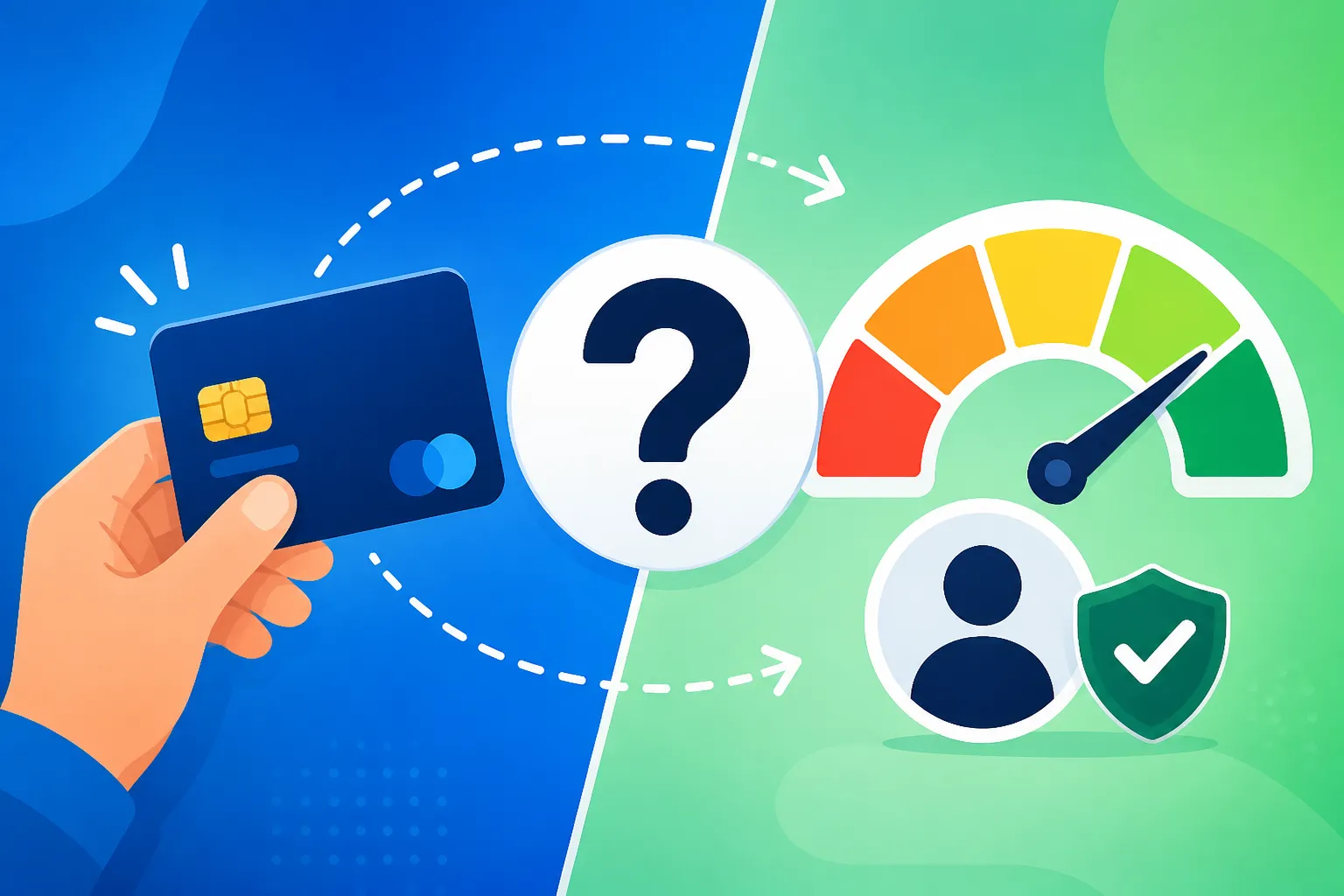
It's a frustratingly common misunderstanding: many people assume that because they use their debit card regularly or maintain a healthy bank balance, they're somehow building a credit history. The truth is, relying solely on your debit card won't move the needle on your credit score, and that can feel like a real setback when you're trying to establish yourself financially. This guide will thoroughly explain why debit cards aren't credit-building tools and, more importantly, what actions you can take to effectively build a strong credit foundation.
The Fundamental Divide: Debit Cards vs. Credit Cards
The world of personal finance can be incredibly confusing, especially when it comes to understanding the nuances between different payment methods. While both debit and credit cards allow you to make purchases electronically, their underlying mechanics are vastly different, and this difference is critical when we talk about building credit. Thinking that a debit card acts like a credit card for building history is like thinking a bicycle is the same as a car because both have wheels – they serve similar functions (transportation), but their engines (or lack thereof) are fundamentally different.
How Debit Cards Work
When you swipe, tap, or insert your debit card, you are essentially giving your bank a direct instruction to pull money straight from your checking account. It's your money that's being used, funds you've already deposited and earned. There's no borrowing involved whatsoever. Imagine it as an electronic check – the money is immediately debited from your account, and if you don't have enough funds, the transaction simply won't go through (unless you have overdraft protection, which we'll get into later). This direct-from-your-account mechanism means there's no debt created, no repayment schedule, and ultimately, no lender-borrower relationship for the transaction itself.
Because you're spending your own money, there's no risk for a lender to assess. You aren't proving your ability to manage borrowed funds because you're not borrowing anything. This is why financial institutions don't bother reporting your debit card activity to the credit bureaus. From a credit-building perspective, your debit card transactions are completely invisible. You could spend hundreds of thousands of dollars a year with your debit card, always pay on time (because it's instant), and never overdraw, and your credit score would remain unchanged by that activity alone.
How Credit Cards Work
In stark contrast, a credit card is fundamentally a short-term loan. When you use a credit card, you are borrowing money from the card issuer (like Chase, Capital One, or Discover) with the promise to pay it back. The card issuer essentially trusts you to repay the amount you spend, usually within a grace period to avoid interest. This act of borrowing and, more importantly, repaying that borrowed money is the entire basis of credit building. Every month, your credit card issuer sends a report to the three major credit bureaus – Experian, Equifax, and TransUnion – detailing your payment history, how much credit you've used compared to your limit (your credit utilization), and other important aspects of your account.
These reports are precisely what build your credit history. They show prospective lenders whether you're a responsible borrower who pays on time, how much debt you're carrying, and how long you've been managing credit. This information is then used to calculate your credit score, which is a snapshot of your creditworthiness. Without this constant stream of data about your borrowing and repayment habits, there's no way for the credit bureaus to generate a score that reflects your financial reliability.
Why This Difference Matters for Your Credit Score
The distinction between using your own money (debit) and borrowing money (credit) is the absolute cornerstone of understanding how credit scores are built. Your credit score is, at its heart, a risk assessment tool for lenders. They want to know how likely you are to repay money that they lend to you. Since debit card use doesn't involve borrowing, it doesn't provide any data for this risk assessment. There's nothing for the credit bureaus to record, and therefore, nothing to factor into your credit score.
Imagine you're trying to get a loan for a new car. The lender isn't interested in how well you manage your checking account or how often you use your debit card to buy groceries. What they want to see is evidence that you've borrowed money in the past and consistently paid it back as agreed. This history of responsible borrowing is what a credit score summarizes. If your financial history consists only of debit card transactions, you effectively have no credit history for lenders to evaluate, making it much harder to get approved for loans, mortgages, or even some apartment rentals. This is why focusing on actual credit products is essential for anyone looking to establish or improve their credit profile.
The Core Reason Debit Cards Don't Build Credit History
It's a common lament: "I use my debit card all the time, why isn't my credit score getting better?" The answer, at its most fundamental level, lies in what information financial institutions choose to report and what the credit bureaus are actually designed to track. Debit cards operate outside this reporting ecosystem entirely, making their usage irrelevant for credit-scoring purposes.
No Reporting to Credit Bureaus
The credit bureaus – Experian, Equifax, and TransUnion – are the gatekeepers of your credit history. They collect detailed information about your borrowing activities from various lenders. This includes things like credit cards, auto loans, mortgages, student loans, and sometimes even medical collections. When you make a payment on a credit card or a loan, that lender reports your payment status (on-time, late, missed, etc.), your outstanding balance, and your credit limit to these bureaus. This consistent reporting is the fuel for your credit score.
However, banks simply don't report debit card transactions or checking account balances to these credit bureaus. Why? Because there's no lending relationship involved. You aren't borrowing money from the bank when you use your debit card; you're just accessing funds that already belong to you. Therefore, there's no data point that a credit bureau would find relevant for assessing your ability to manage borrowed money. It's a completely separate financial mechanism with no overlap in terms of credit reporting. For a truly comprehensive understanding of how your data flows to these agencies, you might want to learn more about The 3 Credit Bureaus: Equifax, Experian & TransUnion.
No Debt, No Risk, No Score
Credit scores are inherently about assessing risk. When a lender considers giving you a loan or a credit card, they want to know the likelihood that you'll pay them back. This assessment is based on your history of managing debt. If you've never taken on debt (or at least, never had debt reported to the credit bureaus), then there's no data for a credit scoring model to analyze.
Using a debit card means you're operating in a debt-free zone for that specific transaction. You're simply facilitating the transfer of your own funds. Because there's no debt involved, there's no risk to the financial institution providing the debit card service, beyond potential fraud on your account, which is a different issue entirely. Without the element of risk associated with borrowing, there's no need for a credit score, as the score's primary purpose is to quantify that risk. This is why even perfectly managed debit card usage, with no overdrafts and a healthy bank balance, doesn't translate into a good credit score. It just means you're good at managing your own money, which is commendable, but not what credit scores measure.
The Myth of "Good Banking Habits" and Credit Scores
It's tempting to think that maintaining a high checking account balance, never overdrawing, or using your debit card for all your purchases would somehow signal to credit bureaus that you're financially responsible. While these are indeed excellent financial habits that contribute to overall financial health, they do not directly contribute to your credit score. Your credit score is a measure of your creditworthiness, not your general banking prowess.
Think of it this way: having a spotless driving record (no accidents, no tickets) proves you're a safe driver. But it doesn't automatically qualify you to fly an airplane. To get a pilot's license, you need specific flight training and practice. Similarly, responsible debit card use and healthy bank accounts demonstrate financial prudence, but to build credit, you need to engage with credit products and manage them responsibly. The good news is that these positive banking habits certainly make it easier to manage credit effectively once you start building it.
What Actually Builds Your Credit Profile
Since debit cards are off the table for building credit, it's crucial to understand what does make a difference. Building a robust credit profile isn't about magic; it's about consistently demonstrating responsible borrowing behavior over time. There are specific financial activities and products that directly feed into the credit reporting system.
The Big Five Factors
Credit scores, like FICO Scores and VantageScores, are complex algorithms that weigh several key factors to determine your creditworthiness. While the exact percentages might vary slightly between scoring models, the fundamental categories remain consistent. Understanding these "Big Five" is paramount to actively building your credit.
- Payment History (around 35% of your FICO Score): This is the single most important factor. It records whether you pay your bills on time, every time. A single late payment can significantly ding your score, while a consistent history of on-time payments is a massive booster. Lenders want to see reliability. This is why having actual credit accounts where payments are reported is non-negotiable for building credit.
- Amounts Owed / Credit Utilization (around 30%): This refers to how much credit you're currently using compared to your total available credit. If you have a credit card with a $1,000 limit and you've spent $900, your utilization is 90%. Keeping your utilization low (ideally below 30%, and even better, below 10%) shows lenders that you're not over-reliant on credit and can manage your balances responsibly. For a deeper dive, check out our guide on Credit Utilization: The Complete Guide.
- Length of Credit History (around 15%): This factor looks at how long your credit accounts have been open, including the age of your oldest account and the average age of all your accounts. A longer history, especially of responsibly managed accounts, is generally better as it provides more data for lenders to assess. This emphasizes that credit building is a marathon, not a sprint.
- New Credit (around 10%): This accounts for how recently you've opened new credit accounts. While opening a new account can sometimes be necessary to build credit, applying for too many credit products in a short period can be seen as risky behavior, potentially signaling financial distress. Each application often results in a "hard inquiry," which can temporarily lower your score. You can learn more about How Many Points Does a Hard Inquiry Worth?.
- Credit Mix (around 10%): This factor considers the different types of credit you have, such as revolving credit (credit cards) and installment loans (mortgages, auto loans, student loans). Demonstrating that you can responsibly manage various types of credit can positively impact your score, showing versatility in your financial management.
Examples of Credit-Building Accounts
Now that we know what factors matter, let's look at the types of accounts that feed into these factors and actively build your credit history.
- Credit Cards: These are perhaps the most common and accessible tools for building credit. Even starter cards, like secured credit cards, report your payment history and utilization. The key is to use them responsibly – make small purchases you can afford to pay off in full every month and always pay on time.
- Installment Loans: These include personal loans, auto loans, student loans, and mortgages. With installment loans, you borrow a fixed amount of money and repay it in fixed monthly payments over a set period. Consistent, on-time payments for these types of loans are excellent for building a positive credit history.
- Credit Builder Loans: These are specifically designed for people with no credit or bad credit. Instead of receiving a lump sum upfront, the loan amount is typically held in a locked savings account or certificate of deposit (CD) while you make monthly payments. Once the loan is fully paid, you receive the money. The financial institution reports your payments to the credit bureaus, helping you establish a positive payment history. Many people have found success with credit builder loan providers like Credit Strong, which are specifically structured to help you build credit responsibly.
The Role of Responsible Borrowing
It's not enough to simply have credit accounts; you must manage them responsibly. This means consistently making all your payments on time, keeping your credit card balances low, and avoiding taking on more debt than you can comfortably repay. Responsible borrowing demonstrates to lenders that you are a reliable and trustworthy borrower, which is exactly what a high credit score reflects.
Think of building credit as building a reputation. Every on-time payment is a positive testimonial, every low credit card balance shows good judgment. Conversely, a late payment or maxing out your credit cards is like a bad review that can take time to overcome. The ultimate goal is to establish a long, positive track record that speaks volumes about your financial discipline. For beginners, understanding How to Build Credit From Scratch (2026 Guide) is an excellent starting point.
Effective Alternatives for Building Credit (Beyond Debit Cards)
Since debit cards aren't going to help you build credit, it's time to explore the avenues that actually work. Many solutions are specifically designed for individuals who are starting with no credit history or are looking to repair past credit missteps. These tools offer tangible ways to get your foot in the door of the credit-building world.
Secured Credit Cards
Secured credit cards are often recommended as one of the best ways to start building credit, especially if you have no credit history or a poor one. The key difference from a regular (unsecured) credit card is that you provide a cash deposit to the issuer, which typically becomes your credit limit. For example, if you deposit $300, your credit limit will be $300. This deposit acts as collateral, reducing the risk for the lender.
Despite the deposit, it functions like a regular credit card. You make purchases, receive a monthly statement, and are expected to pay your bill on time. The card issuer reports your payment activity to the major credit bureaus, just like with an unsecured card. After a period of responsible use (typically 6-12 months), many secured card issuers will allow you to graduate to an unsecured card and get your deposit back. This is an excellent way to prove your creditworthiness with minimal risk to the lender. Our guide, Secured Credit Cards: How They Build Credit, goes into more detail.
Credit Builder Loans
Credit builder loans are another fantastic tool for establishing a credit history, and they work a bit differently. Instead of getting money upfront, the lender deposits the loan amount (e.g., $500 to $2,000) into a locked savings account or Certificate of Deposit (CD). You then make regular monthly payments on that "loan" for a set period, typically 6 to 24 months. Once you've paid off the full amount, the money in the savings account is released to you, often with interest earned.
The genius of credit builder loans is that your consistent monthly payments are reported to the credit bureaus, showing a positive payment history and demonstrating your ability to handle an installment loan. This is a powerful way to add positive data to your credit file. Companies like Credit Strong specialize in these types of loans, providing a structured pathway to building credit responsibly. They set you up with an installment loan that reports your payments to all three major credit bureaus, helping you build a positive payment history and diversify your credit mix. It’s a win-win: you build credit and save money at the same time. If you’re curious about how these loans work, you can explore Credit Builder Loans Explained (Self, Kikoff & More).
Becoming an Authorized User
If you have a trusted family member or friend with excellent credit, becoming an authorized user on their credit card can be a quick boost to your own credit score. When you're added as an authorized user, the primary cardholder's account history, including their positive payment history and low utilization, can appear on your credit report. This essentially "inherits" a portion of their good credit behavior.
However, this strategy comes with important caveats. First, you are not responsible for the debt, but the primary cardholder's financial habits directly impact your score. If they make late payments or max out the card, it will negatively affect your credit. Second, not all card issuers report authorized user activity to the credit bureaus in a way that benefits the authorized user. It's crucial to discuss expectations and responsibilities with the primary cardholder and ensure they have a stellar credit record. You can learn more about How to Become an Authorized User to Build Credit before making this decision.
Experian Boost and Rent/Utility Reporting
Beyond traditional credit products, some services leverage "alternative data" to help improve your credit score. Experian Boost is a free service that allows you to add positive payment history from utility bills, cell phone bills, and even streaming services (like Netflix or Hulu) to your Experian credit report. It works by connecting to your bank account and identifying qualifying payments. While it only impacts your Experian score and won't always make a huge difference, it can provide a modest boost for those with thin credit files.
Similarly, there are services that allow you to report your rent payments to the credit bureaus. Since rent is often your largest monthly expense, consistently paying it on time is a strong indicator of financial responsibility. Companies like RentReporters or LevelCredit can act as intermediaries, verifying your rent payments and reporting them to one or more credit bureaus. This can be particularly beneficial for individuals who have a consistent rent payment history but lack traditional credit accounts. Some credit builder platforms, including partners of Credit Strong, may also offer or integrate with services that report other types of positive payment history, giving you multiple avenues to improve your profile.
| Feature | Debit Card | Secured Credit Card | Credit Builder Loan |
|---|---|---|---|
| Credit Building | No | Yes | Yes |
| Funds Used | Your own money | Borrowed money | Your own money (held) |
| Risk to Lender | Low (only fraud) | Low (collateral) | Low (funds held) |
| Reports to Bureaus | No | Yes | Yes |
| Deposit Required | No | Yes | No (but funds held) |
| Access to Funds | Immediate | Flexible spending | At end of term |
| Builds Payment History | No | Yes | Yes |
| Builds Credit Mix | No | Revolving | Installment |
Common Misconceptions and Pitfalls
The journey to good credit is often riddled with misunderstandings, and debit cards are at the center of many of them. Clarifying these common pitfalls can save you time and frustration, helping you focus your efforts on strategies that genuinely work.
Overdraft Protection and Credit
Many people confuse overdraft protection with a form of credit that might help their score. Overdraft protection allows you to make purchases even if you don't have enough money in your checking account, with the bank covering the difference, usually for a fee. While it is technically a form of short-term borrowing, it is not typically reported to credit bureaus as a positive credit account. In fact, if you frequently overdraw your account and fail to cover the funds promptly, it can lead to your bank closing your account, which can be reported to specialized banking reporting agencies like ChexSystems, potentially impacting your ability to open accounts elsewhere.
So, while overdraft protection can prevent a transaction from being declined, it's not a credit-building tool. Instead, it's a safety net that comes with costs and potential negative implications if misused. It's far better to manage your checking account diligently and avoid needing overdraft protection in the first place, rather than hoping it will somehow benefit your credit score.
Using Debit for Online Purchases
In an age where online shopping is ubiquitous, many people exclusively use their debit cards for digital transactions, perhaps feeling it's safer or more responsible than using credit. While using a debit card for online purchases is generally secure thanks to encryption and fraud protection measures, it still doesn't change the fundamental nature of the transaction: you're using your own money.
Whether you swipe your debit card at a local grocery store or enter its details on an e-commerce website, the process for your bank remains the same—money is directly withdrawn from your checking account. This means that, regardless of where or how you use it, your debit card activity will not be reported to the credit bureaus, and therefore, it will not contribute to building your credit history. If your goal is to build credit while shopping online, a credit card is the tool for the job, as long as you pay it off in full and on time.
Assuming All Banking Products Build Credit
It's easy to fall into the trap of thinking that any interaction with a financial institution will somehow contribute to your credit standing. This leads to the misconception that having a savings account, a checking account with a large balance, or even a certificate of deposit (CD) will help build your credit score. While these are all excellent indicators of financial health and responsibility, they are not credit products.
Credit products involve borrowing money and repaying it. Savings and checking accounts are deposit accounts; they are where you keep your money. While a bank might look at your overall relationship with them (including your deposit accounts) when deciding to offer you a credit product, the accounts themselves do not generate data that is reported to Experian, Equifax, or TransUnion. Therefore, they do not directly impact your FICO or VantageScore. To actively build credit, you need to engage with products designed for that purpose, such as those discussed previously, like secured credit cards or a credit builder loan from a reputable provider like Credit Strong.
Strategizing Your Credit Building Journey
Understanding why debit cards don't build credit is the first step; the next is to intentionally plan how you will build it. This isn't just about opening an account; it's about a thoughtful, consistent approach that leverages the right tools and habits.
Starting with a Plan
Effective credit building begins with a clear strategy. Simply signing up for any credit product without a plan can sometimes do more harm than good. Instead, consider your current financial situation, your goals, and what resources you have available.
For many, starting with a secured credit card is an excellent foundational step. The deposit limits your risk and teaches you the mechanics of credit card use without the danger of accumulating significant debt. As you demonstrate responsible use, you can then consider adding other credit-building products, like a credit builder loan. These loans, like those offered by Credit Strong, provide a different type of credit history (an installment loan rather than revolving credit), which can contribute positively to your credit mix, another important factor in your score. Mapping out these steps, perhaps aiming for a secured card for 6-12 months, followed by a credit builder loan, creates a clear path. Remember, consistency is key, so only take on credit you know you can manage.
Monitoring Your Progress
You wouldn't navigate a journey without checking your map, right? The same goes for building credit. Regularly monitoring your credit report and score is crucial for several reasons. First, it allows you to see the impact of your efforts and track your progress. Are your on-time payments showing up? Is your score slowly climbing? Second, it helps you spot errors or fraudulent activity. Credit reports can sometimes contain mistakes, and these can unfairly drag down your score. Being vigilant means you can catch these issues early and dispute them. For guidance on navigating your credit reports, our article on How to Read Your Credit Report (2026 Guide) is an invaluable resource.
You can get free copies of your credit report from AnnualCreditReport.com once every 12 months from each of the three major bureaus. Many credit card issuers and financial apps also offer free credit score monitoring tools. Use these resources to stay informed and empowered throughout your credit-building journey. If you find errors, knowing How to Dispute Credit Report Errors (Step-by-Step) will be incredibly helpful.
Patience and Consistency
Building a strong credit score is not an overnight process; it requires patience and unwavering consistency. There's no magic bullet or shortcut to an excellent credit score. Lenders and credit scoring models value a long history of responsible behavior. It takes time for new accounts to age, for positive payment history to accumulate, and for your credit utilization to consistently stay low.
Expect to dedicate at least 6-12 months, and often longer, to see significant improvements, especially when starting from scratch. During this time, the goal is to establish a pattern: always pay on time, keep balances low, and avoid opening too many new accounts rapidly. Each month that you manage your credit responsibly, you're adding another brick to your credit foundation. It might feel slow at times, but the cumulative effect of consistent good habits is incredibly powerful. Stick with your plan, monitor your progress, and trust that your efforts will pay off in a stronger, more reliable credit profile.
Disclaimer
This article is for general informational purposes only and does not constitute professional advice. Laws, prices and regulations vary by location and change over time. Consult a qualified professional for guidance on your specific situation.