How to Build Credit With No Job Using an Authorized User Spot
Trying to build credit when you don't have a traditional job can feel like a frustrating catch-22. Lenders often want to see a steady income before extending credit, but how are you supposed to establish a credit history if no one will give you a chance? It's a common dilemma, and one fantastic strategy that often gets overlooked is becoming an authorized user on someone else's well-managed credit card. This guide will walk you through how to leverage an authorized user spot to start building your credit even without an income.
Understanding the Authorized User Concept
It's easy to get confused by all the different terms in the credit world, but understanding what an authorized user is and isn't is crucial before you dive in. This simple step can provide a significant boost to your credit journey, especially when other avenues are closed off.
What Being an Authorized User Really Means
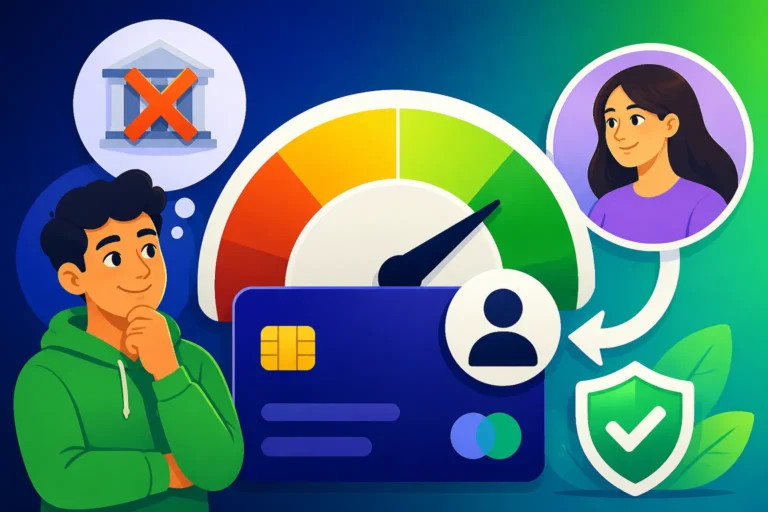
When you become an authorized user, the primary cardholder adds you to their existing credit card account. This means you'll typically receive a card with your name on it, and you can make purchases using that card. However, and this is a key distinction, you are generally not legally responsible for the debt incurred on the account. The primary cardholder remains solely responsible for all payments.
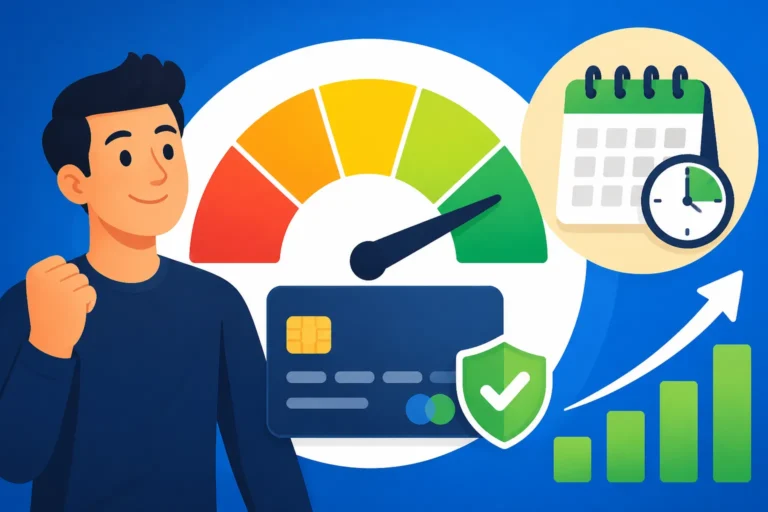
The magic happens behind the scenes: the credit card activity, including the payment history, credit limit, and current balance, is often reported to the major credit bureaus (Equifax, Experian, and TransUnion) for both the primary cardholder and the authorized user. If the primary cardholder manages the account responsibly, making on-time payments and keeping balances low, that positive activity can appear on your credit report. This effectively allows you to "inherit" a portion of their good credit history, jumpstarting your own. It's an excellent way to begin to build credit from scratch.
Why It's Especially Useful Without a Job
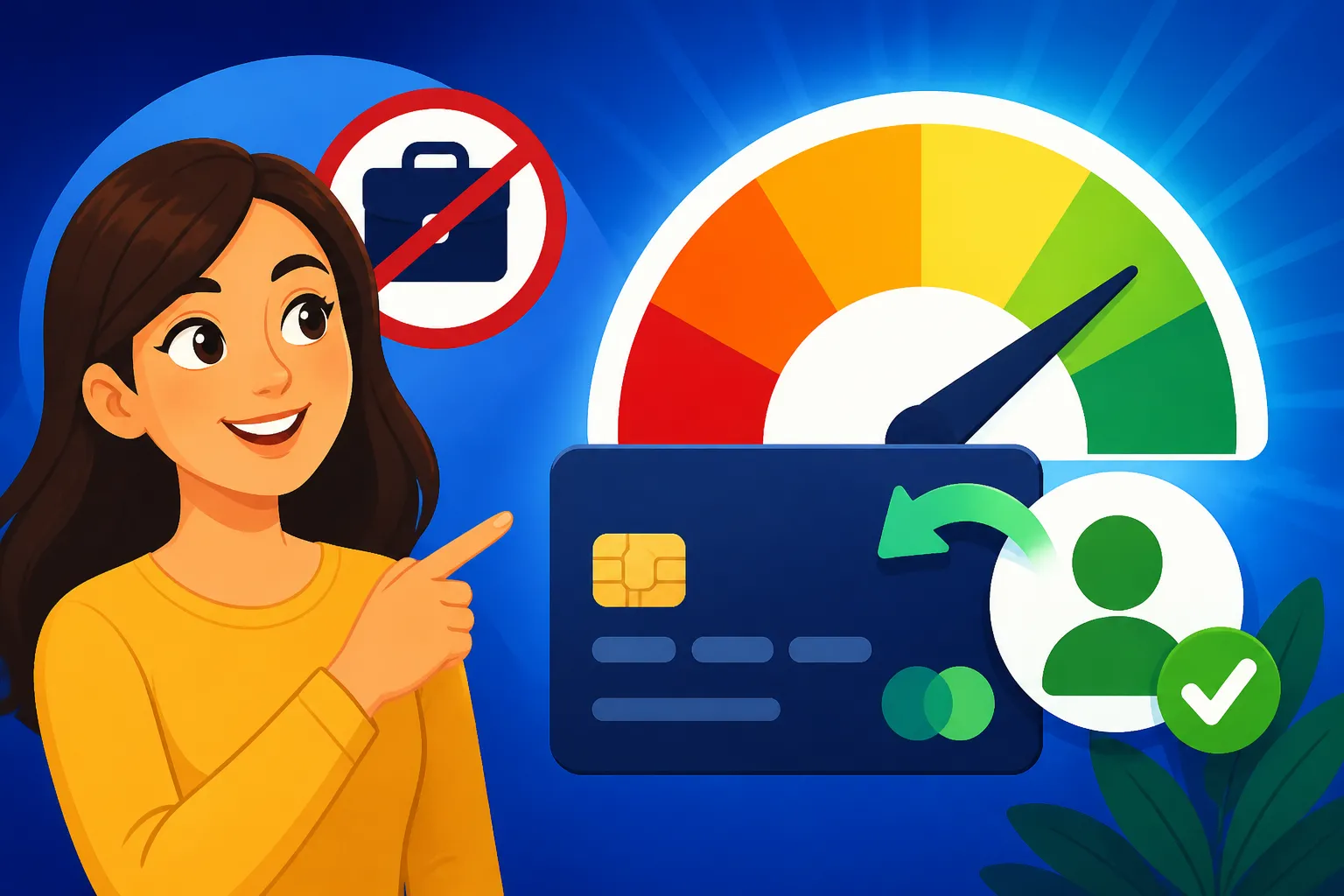
When you're unemployed, lenders look at your credit applications with a critical eye. Without a verifiable income, qualifying for your own credit card or a loan can be incredibly difficult, if not impossible. Most financial institutions rely on income to assess your ability to repay debt, and without it, you're seen as a higher risk. This is where the authorized user strategy shines.
As an authorized user, you're not applying for credit in your own name, and your income isn't a factor in the approval process. The primary cardholder is the one who qualified for the account based on their income and creditworthiness. By being added to their account, you bypass the income requirement entirely while still gaining the benefit of positive credit reporting. It’s a powerful workaround for those stuck in the cycle of needing credit to get credit, especially when conventional means are inaccessible. For many, this is the most practical answer to how to build credit with no job.
How to Navigate Becoming an Authorized User When Unemployed
While the concept is straightforward, successfully becoming an authorized user requires careful thought and open communication. It's not just about getting added; it's about making sure it actually helps your credit in the long run.
Finding the Right Account Holder
This is perhaps the most critical step. The person who adds you as an authorized user must be someone you trust implicitly and who has an excellent credit history. Think of a parent, a spouse, a sibling, or another close family member or friend who:
- Has a long, positive credit history: The older the account and the more consistent the on-time payments, the better the impact on your credit report.
- Maintains low credit utilization: This means they use a small percentage of their available credit. High utilization can actually harm your score, even if payments are on time. Ideally, their utilization should be below 30%, but lower is always better.
- Always pays on time, every time: A single late payment from the primary cardholder could show up on your report and damage your efforts.
- Is willing to communicate openly: They need to be comfortable discussing their credit habits and potentially sharing account details (like statements, if you need to verify reporting).
Choosing someone who meets these criteria is non-negotiable. Their financial behavior directly impacts your credit profile. If you have someone like this in your life, starting a conversation about does being an authorized user build credit can be a game-changer.
Discussing Expectations and Responsibilities
Once you've identified a potential primary cardholder, a frank and open conversation is essential. Don't leave anything to chance or assumption. Here are key points to cover:
- Your goals: Clearly state that your primary goal is to build your credit. This helps them understand why you're asking and reinforces the need for their responsible management.
- Their expectations: Will they give you a physical card? Do they expect you to use it? If so, for what, and how will payments be handled? Many people add authorized users solely for the credit-building benefit, without ever issuing a physical card or expecting any purchases. This is often the safest route.
- Payment strategy: If you will be using the card, discuss how and when you'll repay them for your purchases. Will you pay them directly for your portion? Will they expect you to contribute to the minimum payment if you use the card, or the full balance? Transparency here prevents misunderstandings and potential stress on the relationship.
- Monitoring the account: Agree on a way to stay informed about the account's status. Will they share statements? Will you periodically check your own credit report to ensure the positive activity is being reported correctly? This proactive approach helps you understand how your credit score updates.
- Potential risks: Acknowledge that you understand that if they mishandle the account, it could negatively affect your credit. This shows you've done your homework and respect the seriousness of the arrangement.
| Aspect | Primary Cardholder Responsibilities | Authorized User Expectations |
|---|---|---|
| Account Management | Make all payments on time; keep utilization low. | Do not incur debt that cannot be repaid; monitor credit report. |
| Financial Liability | 100% responsible for all debt on the account. | Not legally responsible for debt. |
| Credit Impact | Affects their own credit score based on their actions. | Positive activity can boost their credit score; negative activity can harm it. |
| Communication | Inform AU of any issues, provide statements if agreed upon. | Discuss usage expectations, repayment plan if applicable. |
| Card Usage | Can choose whether to issue a physical card or not. | Only use card if agreed upon; respect spending limits. |
Maximizing Your Credit Building as an Authorized User
Getting added is just the first step. To truly make this strategy work for you, you need to understand how the credit bureaus process this information and how you can actively monitor and leverage it.
Understanding Reporting Timelines and Impact
Once you're added as an authorized user, it's not an instant credit score jump. Credit card companies typically report account activity to the credit bureaus once a month, usually shortly after the statement closing date. This means it can take anywhere from a few weeks to a couple of months for the account to appear on your credit report and start influencing your score.
The impact will depend on several factors, including the age of the account, its credit limit, and the primary cardholder's payment history and credit utilization. An old account with a high limit and perfect payment history will generally have a more significant positive effect than a newer account with a moderate limit. This positive reporting helps establish a payment history and increases your overall available credit, which are two key factors in credit scoring models. You'll want to review your report to understand what's on your credit report to track the changes.
Monitoring Your Credit Progress
Regularly checking your credit report and score is crucial when building credit as an authorized user. You can get a free credit report from each of the three major bureaus once a year via AnnualCreditReport.com. Many banks and credit card companies also offer free credit scores (like your FICO Score or VantageScore) through their online portals, even if you don't have an account with them directly.
Look for the authorized user account to appear on your report. Verify that the payment history is correct and that the credit limit and balance are being reported accurately. If you notice any discrepancies, or if the account doesn't appear after a couple of billing cycles, you'll need to follow up with the primary cardholder and potentially the credit card issuer. Monitoring also helps you ensure that the primary cardholder's actions aren't inadvertently harming your score, which is a key part of understanding what affects your credit score.
When to Transition to Your Own Credit
Being an authorized user is an excellent stepping stone, but it shouldn't be your final destination. The goal is to build enough credit history and a decent score to qualify for your own credit products. This transition is important because having your own accounts demonstrates your ability to manage credit independently, which lenders prefer.
Once you've been an authorized user for 6-12 months and seen positive changes to your credit report, you might be ready to apply for a secured credit card or a credit builder loan. For instance, a secured credit card like the Capital One Platinum Secured Card requires a security deposit but reports to the credit bureaus, helping you build your own history. Similarly, products like Credit Strong offer credit builder loans designed specifically to help establish a positive payment history. These types of accounts allow you to take full control of your credit journey and can lead to a good credit score. Knowing how to build credit fast is about layering these strategies.
Potential Pitfalls and How to Avoid Them
While being an authorized user is a powerful tool, it's not without its risks. Being aware of these potential drawbacks and having a plan to mitigate them is just as important as finding the right account.
The Risks of the Primary Cardholder's Missteps
Remember, the authorized user strategy is a double-edged sword. If the primary cardholder, despite their best intentions, slips up, it could directly impact your credit. Here are some scenarios:
- Late Payments: If they miss a payment or make it significantly late, that negative mark will likely show up on your credit report just as it does on theirs. A single 30-day late payment can cause a significant drop in your credit score.
- High Credit Utilization: If they suddenly run up a large balance, pushing their credit utilization ratio sky-high, this can also negatively affect your score. Even if they pay it off eventually, the snapshot reported to the bureaus can temporarily drag your score down.
- Default or Collections: In the worst-case scenario, if the primary cardholder defaults on the card or the account goes to collections, that severe negative event could also appear on your report, causing serious damage. This highlights why trust and open communication are paramount. Understanding why your credit score dropped often involves these very issues.
To mitigate these risks, maintain regular communication, and monitor your own credit report closely. If you see signs of trouble, you can ask to be removed as an authorized user to prevent further damage.
Not All Cards Report Authorized User Activity
While most major credit card issuers report authorized user activity to all three credit bureaus, it's not a universal guarantee. Some smaller banks or specific card products might not report for authorized users, or they might only report to one or two bureaus. If the activity isn't reported, then, unfortunately, this strategy won't help you build credit.
Before agreeing to become an authorized user, it's a good idea to confirm with the primary cardholder that their specific credit card issuer does, in fact, report authorized user data to all three major credit bureaus. A quick call to the card's customer service line can clarify this. They don't need to divulge sensitive account information, just ask about their policy on authorized user reporting. This simple check can save you a lot of time and potential frustration, ensuring that your efforts to build credit as an immigrant or anyone else without established history are effective.
Next Steps for Independent Credit Building
Once you've leveraged the authorized user strategy for a few months and started seeing positive changes on your credit report, it's time to start thinking about establishing your own credit history. This is where you really take the reins and demonstrate your own financial responsibility.
Exploring Secured Credit Cards
One of the most effective first steps for anyone with limited or no credit history is a secured credit card. Unlike traditional credit cards, a secured card requires you to put down a cash deposit, which typically becomes your credit limit. For example, if you deposit $200, your credit limit will be $200. This deposit acts as collateral, minimizing the risk for the lender.
The great thing about secured cards is that they function just like regular credit cards. You make purchases, receive a statement, and make monthly payments. This activity is reported to the credit bureaus, building your own payment history and demonstrating responsible credit usage. As you prove you can manage the card well, many issuers will eventually allow you to upgrade to an unsecured card and refund your deposit. Some popular options include the Discover it Secured Card or the Capital One Platinum Secured Card, both of which are designed to help you build credit. Learn more about how to build credit with a secured card.
Utilizing Credit Builder Loans
Another excellent tool, especially if you prefer a loan-based approach or want to diversify your credit mix, is a credit builder loan. Companies like Credit Strong and Self offer these unique loans specifically designed to help people establish or rebuild credit. Here's how they work:
Instead of receiving a lump sum upfront, the loan amount is typically held in a locked savings account or Certificate of Deposit (CD). You then make regular, on-time payments, usually over 12 to 24 months. Each payment is reported to the credit bureaus. Once the loan is fully paid off, you receive access to the money in the savings account. It's like saving money and building credit simultaneously.
This method helps build a positive payment history, demonstrates your ability to handle installment debt, and contributes to a healthy credit mix. For someone without a job, this can be an accessible way to show financial responsibility, as the approval isn't based on your current income but rather your commitment to the savings plan. It’s a smart way to get a loan reported to the bureaus without needing upfront approval from a traditional bank, effectively serving as another pathway to how to build credit without a credit card.
Consider Rent and Utility Reporting Services
While not always a massive score booster, getting your rent and utility payments reported to the credit bureaus can add valuable data to your credit file. Traditionally, these payments don't show up on your credit report unless they go to collections. However, several services now exist that act as intermediaries, reporting your on-time rent and utility payments to one or more of the major credit bureaus.
Services like Experian Boost can link directly to your bank account to identify and report qualifying utility and telecom payments. Other services, often offered by property management companies or third-party providers, can report your rent payments. While these typically come with a fee, they can add positive payment history, especially if you have a thin credit file. Every positive data point helps when you're diligently working on how to build credit fast.
Disclaimer
This article is for general informational purposes only and does not constitute professional advice. Laws, prices and regulations vary by location and change over time. Consult a qualified professional for guidance on your specific situation.