How to Build Credit in 6 Months
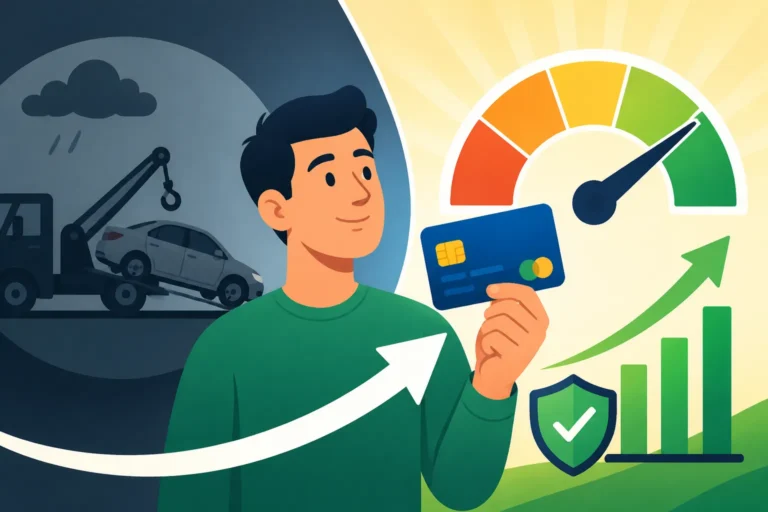
It can feel incredibly frustrating when you realize your credit score isn't where you need it to be, or worse, you have no credit history at all. Whether you're hoping to qualify for a better apartment, a car loan, or just want more financial flexibility, the idea of building good credit can seem like a long, drawn-out process. But what if I told you it's possible to make significant strides in building your credit in as little as six months? This guide will walk you through actionable strategies and crucial steps to build your credit score effectively and efficiently within that timeframe.
Understanding the Building Blocks of Credit in a Short Timeframe
Before we dive into the "how," it's essential to understand what exactly makes up your credit score. Think of it like building a house – you can't just throw up walls without a solid foundation. Your credit score isn't a mysterious number; it's a reflection of your financial responsibility, calculated based on specific factors. When you're aiming for a quick turnaround like six months, knowing these factors is paramount.
What Credit Scores Look At The 5 Key Factors
Credit scoring models, primarily FICO and VantageScore, use a few core components to determine your score. Understanding these will help you strategically focus your efforts. For a deeper dive, you might want to check out our comprehensive guide on What Affects Your Credit Score? The 5 Factors.
- Payment History (35% of your FICO Score): This is the heavyweight champion. Simply put, lenders want to know if you pay your bills on time. A single late payment can ding your score significantly, so consistent, on-time payments are crucial. In a six-month sprint, every single payment you make on time will count positively.
- Amounts Owed / Credit Utilization (30%): This refers to how much credit you're using compared to your total available credit. If you have a credit card with a $1,000 limit and you've used $900, your utilization is 90% – which is very high and signals risk to lenders. Keeping this low is vital. We'll talk more about how to manage this effectively in a bit, but for now, remember that lower is almost always better.
- Length of Credit History (15%): This factor considers how long your credit accounts have been open, both your oldest and newest accounts, and the average age of all your accounts. While you can't magically age your accounts in six months, opening new, well-managed accounts will contribute to building this history over time.
- New Credit (10%): This looks at how many new credit accounts you've recently opened and how many hard inquiries appear on your report. Opening too many new accounts in a short period can be seen as risky, so you'll want to be strategic about which accounts you open in your six-month window.
- Credit Mix (10%): Lenders like to see that you can handle different types of credit responsibly, such as revolving credit (credit cards) and installment loans (car loans, mortgages). While not as impactful as payment history or utilization, a healthy mix can positively influence your score over the long term.
Focusing on payment history and credit utilization will give you the biggest bang for your buck in a six-month period.
Realistic Expectations for 6 Months
Let's be real: you probably won't jump from a 300 to an 800-plus credit score in half a year. That's simply not how credit building works. However, you can absolutely build a "thin file" into a respectable one or significantly improve a struggling score.
For someone starting from scratch, meaning you have no credit history at all, the goal in six months is to establish enough positive data points for FICO or VantageScore to generate a score. You might see your first score pop up in the 600s or even low 700s if you're incredibly diligent. This is a fantastic achievement and opens many doors.
If you're starting with bad credit due to past mistakes, a six-month period can be crucial for showing lenders that you've turned a new leaf. You might see a boost of 50-100 points or even more if you address significant negative items and establish a consistent pattern of positive behavior. The key is consistent, responsible credit usage and timely payments. Don't get discouraged if the needle doesn't move as fast as you'd like initially; credit building is a marathon, but the first six months are a strong sprint.
Foundational Steps to Kickstart Your Credit Journey
Alright, with the groundwork laid, let's talk about the practical steps you can take right now to begin building your credit. These are the entry points, especially if you're starting with a blank slate.
Getting Your First Credit Account
For many, this is the biggest hurdle. How do you get credit when you don't have credit? It's the classic catch-22. Thankfully, there are options designed specifically for this situation. Our guide on How to Get Your First Credit Card With No Credit offers an in-depth look at these.
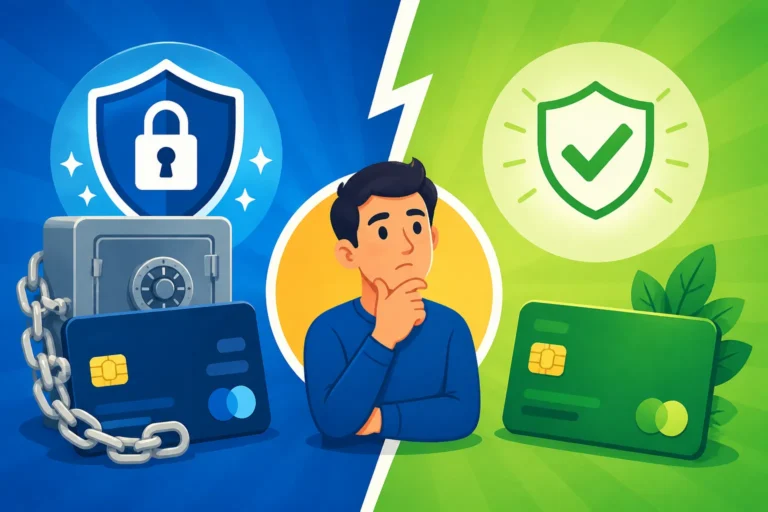
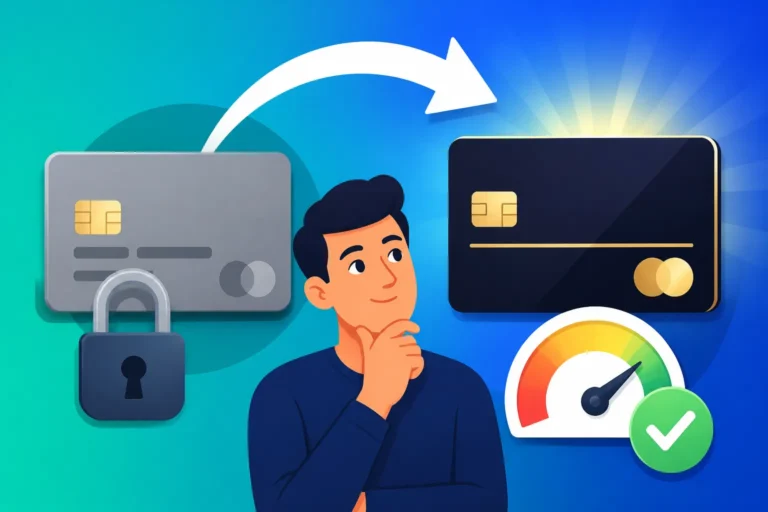
The most common and effective starting point is a secured credit card. These cards require a cash deposit, which typically becomes your credit limit. For instance, if you deposit $200, your credit limit is $200. This deposit acts as collateral, reducing the risk for the issuer, making it easier for them to approve you even with no credit history.
How to make it work in 6 months:
- Apply for one immediately: Don't delay. The sooner you get approved, the sooner your payment history starts building. Look for cards with low or no annual fees and those that report to all three major credit bureaus (Equifax, Experian, and TransUnion). Discover it® Secured Credit Card and Capital One Platinum Secured Card are popular choices that are well-regarded for helping people build credit.
- Use it responsibly: Treat this card like a debit card. Only charge what you can afford to pay off in full every single month. Remember the credit utilization factor? Keeping your balance low (ideally under 10-30% of your limit) and paying it off completely before the statement due date is paramount.
- Consistent payments: Make sure every single payment is on time. Set up auto-pay if you can, or schedule reminders. Your payment history is the most important factor, and you want six months of perfect payments to show for it.
Becoming an Authorized User
Another fantastic way to jumpstart your credit, especially if you have a trusted family member with excellent credit, is to become an authorized user on one of their credit card accounts. This isn't just about having access to their credit limit; it means their positive payment history and account age can appear on your credit report, giving you a boost.
How to make it work in 6 months:
- Find a trusted partner: This usually means a parent, spouse, or very close relative who has a long history of responsible credit use, low credit utilization, and never misses payments.
- Discuss expectations: Make sure both parties understand that you're joining to build your credit, not necessarily to use the card. If you do use it, have a clear agreement on how and when you'll pay back any charges.
- Verify reporting: Confirm with the primary cardholder that the account reports authorized user activity to all three credit bureaus. Most major issuers like American Express, Chase, and Citibank do, but it's always good to double-check.
- The benefit: Within a month or two, the account's history will often appear on your credit report. If the primary user has a long, spotless history and low utilization, this can instantly add age and positive payment data to your file, helping you build credit in 6 months. To learn more about this strategy, read our article Does Being an Authorized User Build Credit?.
This method can be a quick and effective way to establish a positive history, but it relies heavily on the primary cardholder's financial habits. Their missteps could become your missteps on paper, so choose wisely.
Strategic Moves for Rapid Credit Growth
Once you've got the foundational pieces in place, it's time to layer on additional strategies that can accelerate your credit building within your six-month timeline. These are not mutually exclusive; in fact, combining several approaches will often yield the best results.
Secured Credit Cards: A Fast Track
We touched on secured cards, but let's delve a bit deeper into why they're such a powerful tool for rapid credit building and how to maximize their impact. For more detailed information, check out Secured Credit Cards: How They Build Credit.
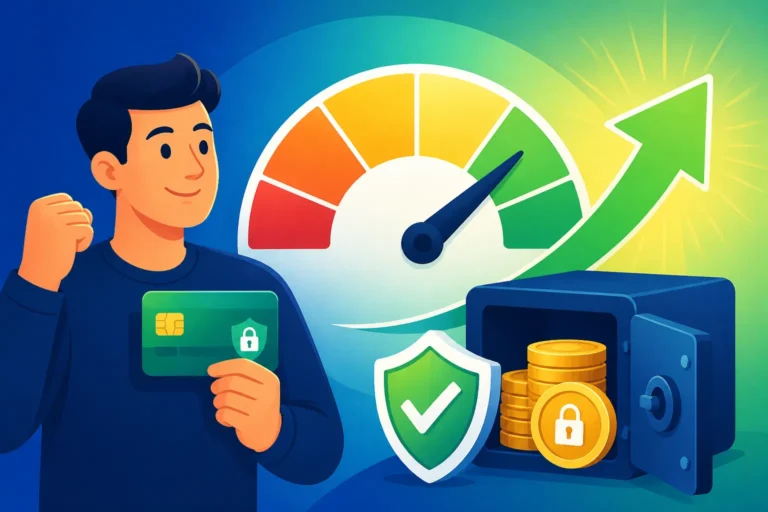
A secured credit card is essentially a training wheel for traditional credit. You put down a deposit, and that becomes your credit limit. It reports to the credit bureaus just like an unsecured card, allowing you to demonstrate responsible credit behavior.
Optimizing Secured Cards in 6 Months:
- Choose wisely: Not all secured cards are created equal. Prioritize cards that report to all three major credit bureaus (Equifax, Experian, TransUnion). Also, look for cards that offer a path to upgrade to an unsecured card after a period of good behavior, usually 6-12 months. This is a clear indicator that the issuer is invested in your credit journey. Many banks, including Bank of America and U.S. Bank, offer secured options that fit this criteria.
- Keep utilization low: This is critical for quick score improvement. If your limit is $200, try to keep your balance below $20-$60 at any given time (10-30% utilization). Using it for small, recurring purchases like a streaming service subscription or a single tank of gas and then paying it off immediately can be a great strategy.
- Pay early and often: Don't wait for the statement due date. Paying your balance in full a few days before the statement closing date ensures that a low (or zero) balance is reported to the credit bureaus. This makes your credit utilization look fantastic, even if you used a good portion of your limit throughout the month.
- Consider a small credit limit increase (if available and no hard pull): Some secured cards might offer a credit limit increase after a few months of excellent payment history. If this doesn't involve a hard inquiry, it could instantly lower your utilization ratio (assuming your spending remains the same), giving your score another boost. Always confirm if it's a hard or soft pull before agreeing.
Credit Builder Loans: Another Avenue
If secured credit cards feel a bit daunting or you're looking for another type of credit to add to your mix, a credit builder loan can be an excellent option. Unlike traditional loans where you receive funds upfront, with a credit builder loan, you make payments first, and then you get the money.
How Credit Builder Loans work for rapid building:
- The structure: You take out a small loan, typically ranging from $500 to $2,500. The loan amount is then held in a locked savings account or Certificate of Deposit (CD) by the lender. You make monthly payments on this "loan," usually over 6 to 24 months. Each payment you make is reported to the credit bureaus. Once the loan is paid off, you receive the full amount that was held.
- Building positive history: This type of loan is perfect for demonstrating consistent, on-time payments, which, as we know, is the most important factor in your credit score. Since the money is held, there's no risk of you defaulting, making it a low-risk option for lenders and a high-reward one for you.
- Credit Strong is a notable provider in this space. They offer credit builder accounts that are specifically designed to help people establish or rebuild credit by reporting your monthly payments to all three major credit bureaus. This consistent reporting over a short period, like six months, can quickly populate your credit file with positive data. Another popular option is Self Inc. If you want more details, check out our guide on Credit Builder Loans Explained (Self, Kikoff & More).
- Combining with a secured card: Using a credit builder loan alongside a secured credit card can create a powerful one-two punch. You'll have both revolving credit and an installment loan reporting, showing a healthy Credit Mix: Does Having Different Loan Types Help? and further strengthening your credit profile in a concentrated timeframe.
Alternative Data Reporting
Beyond traditional credit products, there are increasingly more ways to get your regular monthly payments for things like rent and utilities to count toward your credit score. This is especially beneficial if you have a thin credit file and need more data points.
Utilizing alternative data in 6 months:
- Rent reporting services: Companies like Experian Boost, RentReporters, and LevelCredit allow you to have your on-time rent payments reported to one or more credit bureaus. Since rent is often your largest monthly expense, reporting a consistent six months of on-time payments can significantly impact your score. You can explore this further in Rent Reporting: Can Paying Rent Build Credit?.
- Utility and phone bill reporting: Similarly, some services can report your on-time payments for utilities (electricity, gas, water) and even cell phone bills. Experian Boost is a popular free service that can scan your bank account for these payments and add them to your Experian credit report, potentially giving you an immediate boost.
- The impact: While not all credit scoring models equally weigh alternative data, these services can be particularly helpful for those with limited traditional credit history. In a six-month window, consistently reporting these payments can add valuable positive data, demonstrating your reliability as a payer and helping to build credit in 6 months.
It's worth noting that the impact of alternative data can vary, and it might not be reflected in all credit scores (e.g., some FICO versions don't incorporate it). However, adding these positive data points only helps your overall financial picture and can be a fast way to get something on your report.
Managing Your New Credit for Maximum Impact
Once you've started opening accounts or become an authorized user, the real work begins: managing them wisely. Proper management is the key to seeing those credit scores climb within your six-month goal. It's not enough just to have credit; you need to demonstrate that you can handle it responsibly.
Mastering Credit Utilization
This is arguably the second most important factor after payment history, and it's one you have a lot of control over, even in a short timeframe. Your credit utilization ratio is the amount of credit you're using compared to your total available credit. For example, if you have one credit card with a $500 limit and a $150 balance, your utilization is 30%. If you have three cards with a total limit of $1500 and a total balance of $150, your overall utilization is 10%.
Strategies for low utilization in 6 months:
- Keep it low, low, low: Experts generally recommend keeping your credit utilization below 30% on each card and overall. However, if you're trying to build credit rapidly, aiming for under 10% is even better. Some even suggest aiming for 1-5% for optimal results.
- Small purchases, frequent payments: Use your secured credit card for a small, manageable expense each month—like your streaming service subscription or a recurring bill—and then pay it off in full as soon as the charge posts. Better yet, pay it off before the statement closing date.
- Understand statement closing dates: Your credit card issuer typically reports your balance to the credit bureaus around the statement closing date. If you pay your balance down to a low amount (or even zero) before this date, that low balance is what gets reported, making your utilization look excellent. If you wait until the due date, a higher balance might be reported, even if you pay it off in full. This concept is crucial for rapidly boosting your score.
- Don't close new accounts: While it might be tempting to close a secured card once you qualify for an unsecured one, resist the urge within your six-month window. Closing an account reduces your total available credit, which can increase your utilization ratio even if your balances stay the same. It also shortens your average length of credit history over time. Our guide on Credit Utilization: The Complete Guide goes into more depth here.
The Importance of On-Time Payments
I can't stress this enough: pay every bill on time, every single time. Payment history accounts for a whopping 35% of your FICO score. One missed payment can wipe out months of hard work and set you back significantly.
Ensuring perfect payment history in 6 months:
- Set up auto-pay: This is your best friend. Most credit card issuers and loan providers allow you to set up automatic minimum payments from your bank account. While paying the minimum isn't ideal for debt, it ensures you never miss a payment and incur a late fee or negative mark on your report.
- Calendar reminders: Supplement auto-pay with calendar reminders a few days before each due date. This gives you a chance to review your statement, check for errors, and ensure sufficient funds are in your account for auto-pay to go through.
- Pay in full: Whenever possible, pay your credit card balances in full. This avoids interest charges and keeps your utilization low, hitting two major credit factors at once.
- Small payments throughout the month: Instead of waiting for the statement due date, make multiple small payments throughout the month as you use your card. This keeps your running balance low and helps you avoid overspending.
Remember, every single positive payment within your six-month window is a building block for your score. You're trying to establish a pattern of reliability, and consistent on-time payments are the clearest way to do that. If you are struggling, check out How to Use a Credit Card to Build and Keep Good Credit.
Avoiding Common Pitfalls
Building credit quickly requires not just doing the right things, but also avoiding the wrong ones. A single misstep can negate weeks or months of effort.
- Applying for too much credit: While you want to establish accounts, don't go on an application spree. Each credit application typically results in a "hard inquiry" on your credit report, which can temporarily ding your score. Within a six-month period, aim for one or two strategic applications (e.g., one secured card, one credit builder loan like those from Credit Strong) and then focus on managing those accounts perfectly. Too many inquiries can make you look desperate for credit. You can learn more about this specific pitfall by reading Does Applying for Multiple Cards Hurt Your Credit?.
- Maxing out your cards: As discussed with utilization, using too much of your available credit is a huge red flag for lenders and will actively lower your score. Even if you pay it off quickly, if a high balance is reported, your score will suffer.
- Missing payments (even by a day): A payment reported 30 days or more past its due date can severely damage your credit score, potentially dropping it by 50-100 points or more. It takes a long time to recover from such a hit, far longer than your six-month goal.
- Closing old accounts: While perhaps not an issue if you're starting from scratch, if you have any existing credit, don't close accounts that have a long, positive history. This can shorten your average length of credit history and reduce your total available credit, both of which can negatively impact your score.
- Falling for credit repair scams: Be wary of anyone promising to "erase" negative items instantly or guarantee a certain score. Legitimate credit repair involves disputing errors and consistent good financial behavior. Focus on your actions, not quick fixes.
Monitoring Your Progress and Staying on Track
You're putting in the hard work, so it's natural to want to see the fruits of your labor! Regularly checking your credit reports and scores is not just about gratification; it's a crucial part of managing your credit-building journey. It allows you to spot errors, track progress, and adjust your strategy if needed.
Regularly Checking Your Credit Report
Your credit report is the detailed history of your credit accounts. It's what lenders see when they assess your creditworthiness. You have a right to a free copy of your credit report from each of the three major bureaus—Equifax, Experian, and TransUnion—once every 12 months via AnnualCreditReport.com.
How to use this during your 6-month journey:
- First month check-up: After about 1-2 months, check your credit reports to ensure your new accounts (secured card, credit builder loan from providers like Credit Strong, authorized user account) are appearing correctly. This confirms that your efforts are actually being reported and counted.
- Mid-point review (Month 3-4): Around the halfway mark, pull your reports again. Look for consistent on-time payments, your credit utilization being reported accurately, and no unexpected hard inquiries or new accounts that you didn't authorize. This is also a good time to see if any old, negative items are still lingering, though the focus for a 6-month build is primarily on new positive data.
- Final check (Month 6): As you approach the end of your six months, a final check will show you the comprehensive picture of your progress. You should see a solid history of 6 months of on-time payments on your active accounts.
- Understanding the details: Knowing how to read your credit report is crucial. Our guide How to Read Your Credit Report (2026 Guide) can walk you through the specifics of what each section means. Pay close attention to personal information, account summaries, public records, and inquiries.
What to Do If You Spot Errors
Even when you're doing everything right, mistakes can happen. Credit reports are not immune to errors, and these errors can negatively impact your efforts to build credit in 6 months.
Steps to take for errors:
- Identify the error: It could be anything from an incorrect account balance, a late payment that was actually on time, an account that isn't yours, or even incorrect personal information.
- Gather documentation: Collect any statements, payment confirmations, or other documents that prove the information on your credit report is incorrect.
- Dispute with the credit bureau: You have the right to dispute inaccurate information with the credit bureaus. You can do this online, by mail, or by phone. Clearly state what information is wrong and why, providing your supporting documentation. The bureau then has 30-45 days to investigate. For a detailed walkthrough, see How to Dispute Credit Report Errors (Step-by-Step).
- Dispute with the creditor: It's also a good idea to contact the original creditor who reported the incorrect information. Sometimes, a direct conversation can resolve the issue faster.
- Monitor for resolution: Keep an eye on your credit reports to ensure the error is corrected. If it's not, you may need to follow up or consider further action.
Remember, a clean and accurate credit report is fundamental to building good credit. Being proactive about identifying and correcting errors ensures that all your hard work pays off.
Crafting Your 6-Month Credit Building Plan: A Summary Table
To help you visualize and execute your credit-building journey, here's a quick summary of the key actions to take over the next six months. This isn't a rigid timeline, but rather a guide to prioritize your efforts.
| Month | Key Actions | Focus Area | Expected Outcome in 6 Months |
|---|---|---|---|
| 1 | – Apply for a secured credit card. | – Establish first credit account. | – Secured card approved. |
| – Become an authorized user (if applicable). | – Add positive history. | – Authorized user account appears on report. | |
| – Consider a Credit Strong credit builder loan. | – Diversify credit mix. | – First loan payment made. | |
| – Set up auto-pay for all bills. | – Ensure on-time payments. | – Perfect payment history begins. | |
| 2 | – Make first payment on secured card & credit builder loan. | – Solidify payment history. | – Positive payment history reported. |
| – Keep secured card utilization below 10-30%. | – Optimize utilization. | – Low utilization reported. | |
| – Check credit reports to ensure new accounts are visible. | – Verify reporting. | – Accounts appear correctly on reports. | |
| 3 | – Continue perfect on-time payments. | – Build consistent history. | – 3 months of perfect payments. |
| – Maintain low credit utilization. | – Ongoing score optimization. | – Sustained low utilization. | |
| – Explore rent/utility reporting (e.g., Experian Boost). | – Add alternative data points. | – Alternative payments begin reporting. | |
| 4 | – Continue perfect on-time payments. | – Cement payment habits. | – 4 months of perfect payments. |
| – Re-evaluate secured card usage and payment timing. | – Refine utilization strategy. | – Consistent low utilization. | |
| – Consider a small, authorized credit limit increase (if offered with no hard pull). | – Boost available credit. | – Potentially lower utilization ratio if limit increases. | |
| 5 | – Keep up excellent payment habits. | – Finalize consistent history. | – 5 months of perfect payments. |
| – Ensure all balances are very low before statement dates. | – Prime reports for final snapshot. | – Optimal utilization reported. | |
| 6 | – Continue perfect payments. | – Conclude initial period. | – 6 months of perfect payments. |
| – Pull credit reports from all three bureaus. | – Assess overall progress. | – Visible growth in credit score and history. | |
| – Consider if an upgrade path for secured card is available. | – Plan next steps. | – Potential offer to convert to unsecured card. |
By diligently following these steps and maintaining consistent, responsible financial habits, you can absolutely build a solid foundation for your credit score in six months. It takes dedication, but the financial opportunities it unlocks are well worth the effort.
Building credit in 6 months is not just a dream; it's an achievable goal with the right strategy and consistent effort. By understanding how credit scores work, strategically opening the right accounts like secured credit cards or a Credit Strong credit builder loan, and meticulously managing your payments and utilization, you can significantly improve your financial standing. Remember, patience and diligence are your best friends in this journey. Keep building those positive habits, and you'll be amazed at the progress you can make in half a year.
Disclaimer
The information provided in this article is for general informational purposes only and does not constitute financial, credit, or legal advice. Credit scores and reporting can be complex, and individual results may vary. Always consult with a qualified financial advisor or credit counseling expert for advice tailored to your specific situation.