How to Build Credit Without a Cosigner
It’s a frustrating catch-22, isn't it? You need credit to get credit, but without a solid credit history or someone willing to cosign for you, it feels like you're stuck in a financial no-man's-land. Many people face this daunting challenge, whether they're new to credit, rebuilding after past missteps, or simply don't have a trusted individual available to lend their creditworthiness. But here’s the good news: building a strong credit profile without a cosigner is absolutely achievable. This comprehensive guide will walk you through proven strategies and practical steps to establish and grow your credit independently, opening doors to better financial opportunities on your own terms.
The Unique Challenge of Building Credit Without a Cosigner
When you’re just starting out, or even if you’ve had a few financial bumps in the road, the idea of getting approved for anything credit-related can feel like an impossible task. Lenders want to see a history of responsible borrowing, but how do you get that history if no one will give you a chance? This is where many people consider a cosigner, but relying on someone else's credit isn't always feasible or even ideal.
The Cosigner Conundrum: Why It Feels Impossible
For countless individuals, especially younger adults, immigrants, or those recovering from financial setbacks, the default advice for getting approved for a loan or credit card is often "find a cosigner." A cosigner is essentially a guarantor, someone with an established, good credit history who agrees to take on the responsibility for your debt if you can't pay it. This significantly reduces the risk for the lender, making it easier for you to get approved.
The problem, of course, is that finding a willing and able cosigner isn't easy. It’s a huge ask. When someone cosigns for you, they're putting their own financial reputation on the line. If you miss payments, it impacts their credit score just as much as it would yours, and they become legally obligated to pay the debt. This can strain relationships and create significant stress. It’s no wonder many people don’t have this option, or prefer not to impose such a burden on family or friends. This can leave you feeling isolated, like there's no way forward, and that essential financial milestones like buying a car or renting an apartment are out of reach.
Embracing Financial Independence: Your Path Forward
While the cosigner route offers a shortcut, building credit on your own terms offers a powerful sense of financial independence and teaches invaluable lessons. Instead of feeling disadvantaged by not having a cosigner, view it as an opportunity to truly take control of your financial future. This journey might require a bit more patience and strategic effort, but the benefits are immense. You'll develop strong financial habits, gain a deep understanding of how credit works, and ultimately achieve a credit profile that is entirely your own creation.
The confidence and financial literacy you gain from building credit independently will serve you far beyond just getting approved for a credit card. It’s about building a foundation for long-term financial stability, where you are the architect of your success. This guide is dedicated to showing you exactly how to do that, step by step, empowering you to navigate the credit landscape without needing anyone else's sign-off.
Laying the Groundwork: Understanding Credit Basics
Before you jump into applying for anything, it’s absolutely essential to understand what credit is, how it's measured, and why it matters so much. Think of it as learning the rules of the game before you start playing. This fundamental knowledge will empower you to make smarter decisions and avoid common pitfalls.
What Exactly is a Credit Score and Why Does it Matter?
At its heart, a credit score is a three-digit number that lenders use to predict how likely you are to pay back borrowed money. The most common scores, FICO Scores and VantageScores, range from 300 to 850. A higher score indicates lower risk to lenders, making you a more attractive borrower. Lenders aren't the only ones who care about your score; landlords, insurance companies, and even some employers might check it.
Your credit score is primarily influenced by five key factors:
- Payment History (35%): This is the most crucial factor. Paying your bills on time, every time, is paramount.
- Amounts Owed (30%): Also known as credit utilization, this is the amount of credit you're using compared to your total available credit. Keeping this low is key.
- Length of Credit History (15%): How long your credit accounts have been open and how long it's been since you've used certain accounts. Older accounts generally help.
- New Credit (10%): How many new credit accounts you’ve recently opened and the number of hard inquiries on your report. Too many new accounts too quickly can be a red flag.
- Credit Mix (10%): The different types of credit you have (e.g., credit cards, auto loans, mortgages). A healthy mix can be beneficial over time.
Understanding these factors is the first step in learning How Credit Scores Work: The Complete Guide. A good credit score can unlock better interest rates on loans, lower insurance premiums, and make it easier to rent an apartment or even get certain jobs. Conversely, a poor score can lead to higher costs, limited opportunities, and added stress.
Identifying Your Starting Point: Pulling Your Credit Reports
You can't fix what you don't know, and that applies directly to your credit. Before you do anything else, you need to see what's currently on your credit reports – or if there’s nothing there at all. The three major credit bureaus in the U.S. are Equifax, Experian, and TransUnion. Each maintains its own report on your credit activity, and while they should be similar, sometimes they contain different information.
By law, you are entitled to a free copy of your credit report from each of these bureaus once every 12 months. The only authorized website for this is AnnualCreditReport.com. It's crucial to go directly to this site to ensure you're getting legitimate reports without any hidden fees or subscriptions. When you're trying to build credit from scratch without a cosigner, you might find your reports are "thin" or even non-existent, meaning there's not enough information for the bureaus to generate a score. That's okay! It just confirms your starting point.
It's also important to review these reports carefully, even if you think you have no credit. You might discover an old utility bill that went to collections, an account opened fraudulently in your name, or even just incorrect personal information. Identifying and addressing any inaccuracies is a critical part of the credit-building process. Learning How to Get Your Free Credit Report is a foundational step.
Your First Steps: Credit-Building Products Designed for Independence
Once you understand the basics and know where you stand, it's time to explore the specific financial products designed to help individuals build credit without needing a cosigner. These tools are tailored to mitigate risk for lenders while allowing you to demonstrate responsible financial behavior.
Secured Credit Cards: The Classic Starter
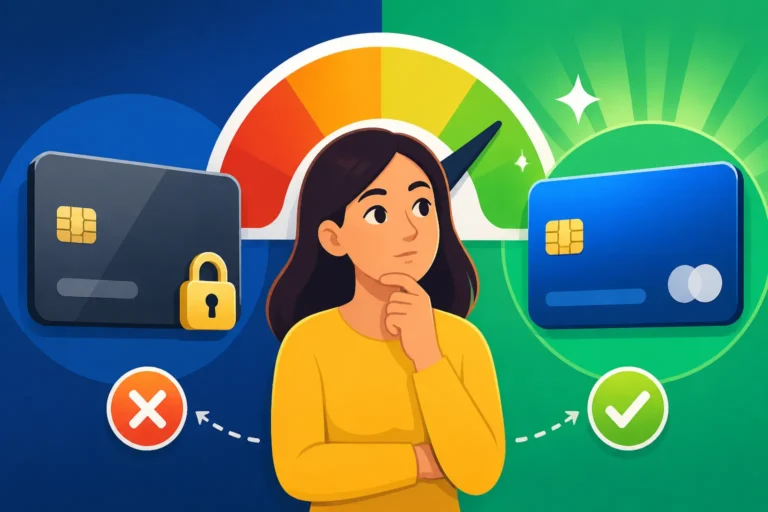
A secured credit card is one of the most straightforward and effective ways to begin building credit history when you don't have a cosigner. It works a lot like a regular credit card, but with one key difference: you put down a cash deposit that typically acts as your credit limit. For example, if you deposit $300, your credit limit will be $300. This deposit minimizes the risk for the card issuer, making it much easier for them to approve applicants with no credit or poor credit.
Once you have a secured card, you use it just like any other credit card. You make purchases, and you receive a monthly statement. The crucial part is to make your payments on time and keep your credit utilization low – ideally below 30% of your limit, but even lower is better. As you consistently demonstrate responsible use, the card issuer reports your activity to the three major credit bureaus. Over time, this positive reporting builds your payment history and shows lenders you can handle credit responsibly. Many secured cards, like the Discover it® Secured Credit Card or the Capital One Platinum Secured Credit Card, even offer paths to graduate to an unsecured card and get your deposit back after a period of good behavior. To dive deeper, check out Secured Credit Cards: How They Build Credit.
Credit Builder Loans: A Different Approach
Another excellent option for independent credit building is a credit builder loan. These loans work a bit differently than traditional loans. Instead of receiving a lump sum upfront, the money you "borrow" is placed into a locked savings account or Certificate of Deposit (CD). You then make monthly payments on the loan, typically for a period of 6 to 24 months. Each on-time payment you make is reported to the credit bureaus.
Once the loan term ends, and you've made all your payments, the locked funds (minus any administrative fees or interest) are released to you. This method serves a dual purpose: it helps you build a positive payment history for an installment loan, which diversifies your credit mix, and it also forces you to save money. Credit builder loans are specifically designed for people with little to no credit history and don't require a cosigner. Companies like Self Financial and Credit Strong are popular providers of these types of loans, offering structured programs that help you build a solid financial track record. They provide a clear pathway to establishing a positive credit history, and with Credit Strong, for instance, you're building savings at the same time. You can learn more about this strategy in Credit Builder Loans Explained (Self, Kikoff & More).
Retail Store Cards or Entry-Level Unsecured Cards (with caution)
While less ideal than secured cards or credit builder loans, some individuals might find success with certain retail store credit cards or other entry-level unsecured credit cards that cater to those with limited credit. Store cards, for example, often have slightly more lenient approval standards because they're typically only usable at that specific retailer.
However, a word of caution is absolutely necessary here. These cards often come with high Annual Percentage Rates (APRs), low credit limits, and sometimes deferred interest offers that can quickly lead to accumulating debt if not managed meticulously. If you consider this route, treat it with extreme care: only charge what you can afford to pay off in full every single month, and be vigilant about avoiding interest charges. They can be a stepping stone, but only if you are disciplined. If you're looking for your very first card without a cosigner, make sure it's a legitimate option and you understand the terms. For more guidance on this, see How to Get Your First Credit Card With No Credit.
Unconventional Ways to Get on the Credit Radar
Beyond traditional credit products, there are innovative services and programs that can help you establish a credit history by leveraging payments you're already making, moving you closer to independent financial standing. These options are particularly useful for those with a "thin credit file," meaning very little credit activity reported.
Rent and Utility Reporting Services
You pay your rent on time every month, right? And your electric, water, and internet bills too? For years, these consistent payments, which demonstrate responsible financial behavior, often went unreported to the major credit bureaus unless you defaulted. Thankfully, that's changing. Several services now exist that will report your on-time rent payments to one or more of the credit bureaus. Some utility companies are also starting to offer this directly, or through third-party reporting services.
These services can be a game-changer for someone without a cosigner, as they take payments you’re already making and turn them into valuable credit history. Imagine your largest monthly expense, rent, finally working for your credit score! Popular options include Rent reporting through platforms like Experian RentBureau, LevelCredit, or even integrated solutions offered by certain financial technology companies. For instance, some programs, including features from Credit Strong, might help integrate these types of payments into your credit profile, reinforcing your reliability. Just be aware that these services may come with a monthly fee, and not all three credit bureaus accept rent or utility data from every reporting service. It’s always smart to confirm which bureaus they report to. This is an excellent strategy for How to Build Credit Without a Credit Card. To learn more about this, explore Rent Reporting: Can Paying Rent Build Credit?.
Leveraging "Boost" Programs for Your FICO Score
In an effort to help consumers with thin credit files or no credit, one of the major credit bureaus, Experian, launched a service called Experian Boost. This free service allows you to connect your bank account and identify qualifying on-time payments for utility bills (gas, electric, water), telecom bills (phone, internet), and even streaming services (like Netflix or Disney+). Experian then adds these payments to your Experian credit file.
The benefit? For many users, Experian Boost can provide an immediate uplift to their Experian FICO Score. It's a quick and simple way to potentially add positive payment history that traditionally wouldn't be included in your credit report. While it's a fantastic tool, it's important to understand its limitations: it only impacts your Experian FICO Score, meaning it might not affect scores from TransUnion or Equifax, or other FICO versions used by lenders. Still, any positive boost to one of your credit scores is a step in the right direction, especially when you're starting from scratch without a cosigner. You can find more details on this in What Is Experian Boost and Does It Work?.
Strategic Habits for Long-Term Credit Growth
Building credit without a cosigner isn't just about opening the right accounts; it's about consistently practicing smart financial habits. These behaviors are the bedrock of a strong credit profile and will serve you well long after you’ve established your initial credit history.
The Golden Rule: Consistent On-Time Payments
This cannot be stressed enough: your payment history is the single most important factor influencing your credit score, accounting for 35% of your FICO Score. A single late payment (especially if it's 30 days or more past due) can have a significantly negative impact, wiping out months of positive behavior and staying on your report for up to seven years.
To ensure you never miss a payment, cultivate diligent habits. Set up automatic payments from your checking account for all your credit accounts. If autopay isn't an option or you prefer more control, set multiple reminders on your phone or calendar a few days before each due date. Always aim to pay at least the minimum amount due, but ideally, pay the full statement balance to avoid interest and further enhance your credit profile. Establishing this habit early on is crucial for anyone building credit, especially if you're doing it solo.
Master Your Credit Utilization Ratio
Your credit utilization ratio refers to the amount of credit you're currently using compared to your total available credit. For example, if you have a credit card with a $500 limit and you have a $150 balance, your utilization is 30%. This factor accounts for 30% of your FICO Score, making it the second most influential element.
Lenders prefer to see low utilization, as it indicates you're not overly reliant on borrowed money. The general advice is to keep your overall credit utilization (and ideally, individual card utilization) below 30%. However, aiming for even lower, like under 10%, can lead to better scores. If you have a secured card with a $300 limit, try to keep your balance below $90, or even just $30. If you do use more, make multiple payments throughout the month to reduce the reported balance before your statement closing date. This proactive approach shows responsible management and can help you build credit How to Build Credit Fast: What Actually Works. It's a powerful way to raise your credit score How to Raise Your Credit Score (Step-by-Step) and demonstrate financial savvy.
Cultivating a Diverse and Mature Credit Mix
While not as heavily weighted as payment history or utilization, having a healthy mix of credit accounts can positively impact your score over time. Credit mix accounts for 10% of your FICO Score. This means demonstrating that you can responsibly manage different types of credit, such as revolving credit (like credit cards) and installment credit (like a car loan or a credit builder loan).
It's important not to rush into this, especially when you're just starting. Your priority should be establishing a solid foundation with one or two accounts and building a consistent payment history. Once you have a few years of positive credit history with secured cards and a credit builder loan, then you might consider adding another type of account if it aligns with your financial needs. The average age of your credit accounts also plays a role in your score (part of the 15% for length of credit history), so avoid closing your oldest accounts once they're established and continue managing them well. Maintaining a Thin Credit File: How to Build a Credit History effectively is about adding quality, not just quantity, over time.
Avoiding Common Pitfalls and Staying on Track
As you embark on your journey to build credit independently, it’s crucial to be aware of potential traps and missteps. Avoiding these common mistakes can save you time, money, and a lot of frustration, ensuring your efforts are focused on positive growth.
The Trap of Too Many Hard Inquiries
Every time you apply for new credit – whether it's a credit card, a loan, or even some rental applications – the lender usually performs a "hard inquiry" on your credit report. This allows them to get a detailed view of your credit history to assess risk. A hard inquiry can temporarily cause a slight dip in your credit score, usually just a few points, and remains on your report for up to two years (though its impact lessens significantly after a few months).
The problem arises when you have too many hard inquiries in a short period. This can signal to lenders that you might be desperate for credit or taking on more debt than you can handle, making you seem riskier. When you're building credit without a cosigner, it's wise to be strategic with your applications. Apply for one or two credit-building products at a time, wait a few months, and focus on establishing good habits before seeking more credit. Don't apply for every card or loan offer you receive. Patience is key here. If you find a hard inquiry on your report that you don't recognize or authorize, it's important to address it promptly. Read up on How to Remove Hard Inquiries From Your Credit Report.
Guarding Against Predatory Offers
Unfortunately, the world of credit can be ripe with companies looking to prey on individuals desperate to build or repair their credit. These predatory lenders or "credit repair" companies often promise quick fixes, guaranteed approvals, or charge exorbitant upfront fees for services you can often do yourself for free or at a much lower cost. They might advertise "guaranteed" credit cards with hidden fees that quickly eat up your small credit limit, or offer loans with astronomically high interest rates.
Always be skeptical of any offer that sounds too good to be true or pressure you into signing up immediately. Legitimate credit-building products like secured cards and credit builder loans have transparent terms and reasonable fees. Do your research, read reviews, and understand exactly what you’re signing up for. If a company demands payment upfront before performing any services, that’s a major red flag for a potential credit repair scam. You should definitely know How to Spot a Credit Repair Scam to protect yourself. Stick to reputable financial institutions and proven methods.
The Virtue of Patience and Persistence
Building a robust credit history from scratch, especially without a cosigner, is not an overnight process. It takes time – typically several months to a year or more – to see significant improvements in your credit score. Many people get discouraged when they don't see immediate jumps in their score or when they face initial rejections.
It’s crucial to understand that credit bureaus need consistent, positive data reported over a period to accurately assess your creditworthiness. Focus on the habits: make every payment on time, keep your utilization low, and review your credit reports regularly. Even if your score doesn't soar instantly, every positive action you take is contributing to a stronger financial future. Don't give up! Consistent effort, even small steps, will compound over time. Understanding How Long Does Credit Repair Take? can help manage your expectations and keep you motivated on your journey to financial independence.
Building Credit Without a Cosigner: A Comparison of Methods
To help you visualize your options, here's a quick comparison of the primary methods for building credit independently. This table highlights the pros and cons of each, allowing you to choose the path that best suits your current financial situation and goals.
| Credit Building Method | Best For | Pros | Cons |
|---|---|---|---|
| Secured Credit Card | Beginners, those with limited history | Easy to get, reports to all 3 bureaus, builds revolving credit | Requires a security deposit, can have annual fees, low credit limits |
| Credit Builder Loan | Building installment history, forced savings | Reports to all 3 bureaus, no upfront collateral (funds locked), builds savings | Funds are inaccessible until loan is paid off, small interest rate may apply |
| Rent/Utility Reporting | Leveraging existing expenses | Uses payments you already make, can boost score quickly | May involve fees, not all landlords participate, not all bureaus accept data |
| Experian Boost | Quick, targeted boost (Experian only) | Free, uses common bills (phone, utilities), immediate potential impact | Only affects Experian FICO scores, requires linked bank account, not guaranteed |
Ultimately, the best strategy for you might involve a combination of these methods. For example, starting with a secured credit card and a credit builder loan, while also signing up for rent reporting, can accelerate your progress by creating multiple streams of positive payment history.
Wrapping Up Your Independent Credit Journey
Building credit without a cosigner might seem like a daunting task at first, but it is entirely within your reach. It’s about taking intentional steps, understanding the rules, and consistently demonstrating responsible financial behavior. By leveraging tools like secured credit cards, credit builder loans (especially from providers like Credit Strong), and even alternative data reporting, you can carve out a strong credit profile that is truly your own.
Remember that patience, persistence, and proactive management are your best allies. You're not just building a score; you're building a foundation for financial freedom and self-reliance. Your journey to independent credit success starts today.
Disclaimer
This article is for general informational purposes only and does not constitute professional advice. Laws, prices and regulations vary by location and change over time. Consult a qualified professional for guidance on your specific situation.