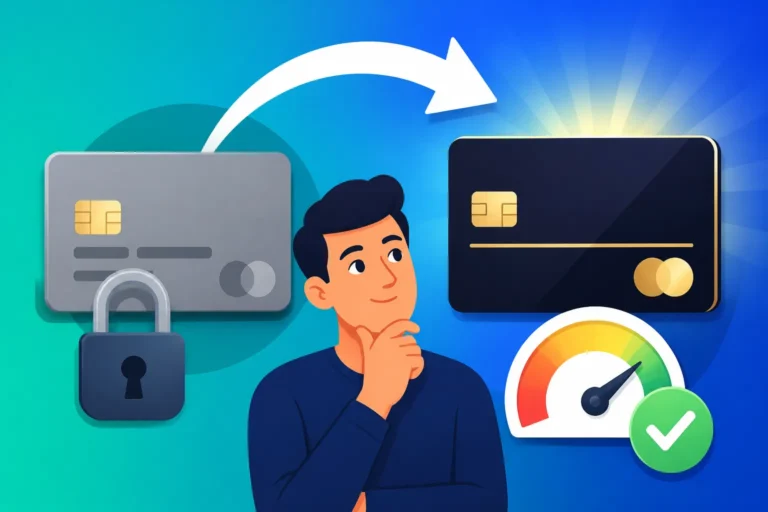
How to Build Credit in Your 20s
If you're in your 20s, the idea of building credit can feel like navigating a dense, confusing jungle with no map. Maybe you've tried to get a credit card only to be denied, or perhaps you're just starting your financial journey and aren't sure where to begin. It's a common frustration, but establishing a solid credit foundation in your twenties is absolutely crucial for your future, and this guide will show you exactly how to do it, step-by-step.
Why Building Credit in Your 20s is Absolutely Essential
Let's be real, turning 20 is a big deal. You're probably thinking about new adventures, career moves, or maybe even settling down a bit. What most people aren't thinking about is their credit score. But trust me, your 20s are the golden ticket when it comes to laying down a robust credit history. The decisions you make now will ripple through your financial life for decades to come, shaping everything from where you live to how much you pay for a car.
The Power of Time and a Long Credit History
One of the most significant factors in your credit score is the "length of credit history." This isn't just about how long you've had credit, but also the average age of all your credit accounts. Starting early means your accounts will naturally mature over time, making you look more reliable to lenders. Imagine two people applying for the same loan: one started building credit at 20, the other at 30. Even with similar usage patterns, the person who started at 20 will likely have a more favorable credit history simply due to the passage of time. This isn't something you can rush; it compounds over years. That's why getting a head start now is invaluable.
Opening Doors to Future Financial Goals
Think about what you might want in the next 5, 10, or even 15 years. Will you want to rent your own apartment? Landlords almost always check your credit report. Will you want to buy your first car or eventually a house? A good credit score is non-negotiable for securing favorable interest rates on auto loans and mortgages. Even things like getting a cell phone plan without a hefty deposit, or qualifying for lower insurance premiums, often depend on your creditworthiness. Neglecting your credit now means facing higher costs and more hurdles for these life milestones later. Building credit in your 20s isn't just about a number; it's about gaining financial freedom and flexibility. For a deeper dive into the fundamental components, check out our guide on What Affects Your Credit Score? The 5 Factors.
Essential First Steps for Establishing Credit
When you're starting with a "thin file"—meaning you have little to no credit history—it can feel like a classic Catch-22: you need credit to get credit. But don't despair! There are several proven strategies to get your foot in the door and begin building that all-important financial track record.
Secured Credit Cards: Your Starter Pack
One of the most straightforward ways to start building credit is with a secured credit card. Unlike traditional credit cards, a secured card requires you to put down a cash deposit, which typically becomes your credit limit. This deposit minimizes the risk for the lender, making it easier for them to approve you even with no credit history.
For example, if you deposit $200, your credit limit will be $200. You use the card just like a regular credit card, making small purchases and paying them off on time each month. The key is responsible usage: keep your balances low (ideally under 30% of your limit) and always pay your bill in full and on time. Most secured cards report your payment activity to the three major credit bureaus (Equifax, Experian, and TransUnion), helping you establish a positive history. After 6-12 months of responsible use, many lenders will "graduate" you to an unsecured card and refund your deposit. Some popular options include the Capital One Platinum Secured Card or the Discover it Secured Card, which are known for their pathways to unsecured cards. Learn more in our comprehensive guide to Secured Credit Cards: How They Build Credit.
Becoming an Authorized User on a Trusted Account
If you have a parent, trusted family member, or partner with excellent credit history, they might be willing to add you as an authorized user on one of their credit card accounts. This can be a fantastic way to piggyback on their good credit and instantly add a positive tradeline to your own credit report.
Here’s how it works: when you're added as an authorized user, the account's history, including its payment history and credit limit, can appear on your credit report. This means if the primary cardholder has a long history of on-time payments and low credit utilization, that positive information can start building your score. However, there's a flip side: if the primary user misses payments or maxes out the card, that negative activity could also reflect poorly on you. So, choose your primary cardholder wisely and ensure they are committed to responsible credit management. It's a great jumpstart, but always remember the shared responsibility. For all the ins and outs, read our article on How to Become an Authorized User to Build Credit.
Credit Builder Loans: A Forced Savings Account with a Credit Boost
A credit builder loan is a clever tool designed specifically for people with no credit or bad credit. It's almost like a loan in reverse. Instead of receiving a lump sum upfront, the money you "borrow" is held in a locked savings account or Certificate of Deposit (CD). You then make monthly payments, usually over 6 to 24 months, with those payments being reported to the credit bureaus. Once you've paid off the full amount, the money is released to you, often with interest.
This method serves a dual purpose: it helps you build a positive payment history and encourages savings. For instance, services like Credit Strong offer these types of loans, allowing you to build credit and savings simultaneously without needing an upfront deposit like a secured card. You’re essentially proving your ability to make regular payments, which is exactly what lenders want to see. When considering these, look for providers that report to all three major credit bureaus to maximize your impact. Dive deeper into how these loans operate with our guide, Credit Builder Loans Explained (Self, Kikoff & More).
Reporting Rent and Utility Payments
In recent years, it's become easier to get credit for things you're already paying for: your rent and utility bills. Historically, these payments weren't reported to credit bureaus unless they went to collections, which was a huge disadvantage for responsible renters. Now, several services can help you get these payments included on your credit report.
Companies like RentReporters, LevelCredit, or even Experian Boost can track and report your on-time rent and utility payments (electricity, gas, water, and even some streaming services) to one or more of the major credit bureaus. While the impact might not be as significant as a credit card or loan, it adds positive payment history, especially useful for those with a limited credit file. It’s a way to turn your existing financial habits into credit-building opportunities. You can find more information on this strategy in our post, Rent Reporting: Can Paying Rent Build Credit?.
Smart Credit Habits to Cultivate in Your Twenties
Building credit isn't a one-and-done task; it's an ongoing commitment to smart financial practices. Your twenties are the perfect time to hardwire these habits, setting you up for a lifetime of good credit.
Paying on Time, Every Time
This is the golden rule of credit building. Your payment history accounts for a massive 35% of your FICO score, making it the most influential factor. One single late payment (usually 30 days or more past due) can significantly drop your score and stay on your report for up to seven years. It sounds harsh, but lenders see it as a major red flag about your reliability.
To ensure you never miss a payment, set up automatic payments or calendar reminders. Pay your bills a few days before the due date to account for any processing delays. Even if you can only afford the minimum payment, make sure it’s on time. Building a flawless payment history is the single most effective thing you can do to establish and maintain excellent credit. If you've ever had a slip-up, our guide on How to Remove Late Payments From Your Credit Report might offer some relief.
Managing Credit Utilization: The 30% Rule
Your credit utilization ratio is another crucial factor, making up about 30% of your credit score. This ratio is calculated by dividing your total outstanding credit card balances by your total available credit limit. For example, if you have a credit card with a $1,000 limit and a $300 balance, your utilization is 30%.
The general rule of thumb is to keep your credit utilization below 30% across all your cards. Ideally, aiming for under 10% is even better for top scores. High utilization signals to lenders that you might be over-reliant on credit or struggling financially, which can negatively impact your score. Even if you pay your bill in full every month, your credit utilization is often reported based on the balance on your statement closing date. So, consider making multiple payments throughout the month or paying down your balance before your statement closes to keep the reported utilization low. You'll find more insights on this in our article How Much of Your Credit Limit Should You Use?.
Understanding Hard Inquiries
Whenever you apply for new credit – like a credit card, a loan, or a mortgage – the lender typically performs a "hard inquiry" (or "hard pull") on your credit report. This inquiry shows up on your report and can cause a small, temporary dip in your credit score, usually by a few points.
A single hard inquiry won't tank your score, but a flurry of them in a short period can signal to lenders that you might be a risky borrower, either because you're desperate for credit or you're trying to take on too much debt. That's why it's wise to be strategic about applying for new credit. Only apply for what you genuinely need, and space out your applications. If you notice a hard inquiry you don't recognize or didn't authorize, it's essential to dispute it. Learn how in our guide How to Remove Hard Inquiries From Your Credit Report.
Checking Your Credit Report Regularly for Accuracy
Think of your credit report as your financial resume. It details your credit accounts, payment history, and any public records related to your finances. Errors on your credit report are surprisingly common, and they can severely impact your credit score.
You have the right to get a free copy of your credit report from each of the three major credit bureaus once every 12 months through AnnualCreditReport.com. Make it a habit to review these reports annually. Look for incorrect account balances, accounts you don't recognize, missed payments that you know you made, or even incorrect personal information. Catching and disputing these errors quickly is critical. An error could be holding your score back unnecessarily. Our article How to Get Your Free Credit Report provides all the details you need to access and understand your reports. If you do find an error, our step-by-step guide on How to Dispute Credit Report Errors (Step-by-Step) can help you fix it.
Navigating Challenges and Accelerating Your Progress
Even with the best intentions, building credit in your 20s can present unique challenges. But with the right strategies, you can overcome these hurdles and even accelerate your journey toward an excellent credit score.
Dealing with a Thin Credit File
One of the biggest frustrations for young adults is the "thin credit file." This means you simply haven't had enough credit accounts or a long enough history for traditional lenders to accurately assess your risk. Besides secured cards and authorized user status, there are other creative ways to beef up that file.
Consider small installment loans specifically designed for credit building, like those offered by Credit Strong. These are structured differently from revolving credit (like credit cards) and can diversify your credit mix, which is another factor in your score. Even a small personal loan from a local credit union, if you qualify, can serve this purpose. The key is to add different types of credit accounts, responsibly managed, to show lenders you can handle various forms of debt. Don't feel pressured to open too many accounts at once; slow and steady wins the race here.
Understanding and Handling Score Drops
It's common for your credit score to fluctuate, especially when you're actively building it. A temporary dip might happen after opening a new account (due to the hard inquiry and a shorter average age of accounts) or if you suddenly use a higher percentage of your available credit. These short-term drops are usually nothing to panic about, as long as you continue good habits.
However, a significant drop due to a missed payment or a new collection account requires immediate attention. If you encounter an unexpected drop, the first step is to check your credit reports from all three bureaus to identify the cause. Is it an error? Is it legitimate? Understanding the "why" allows you to address it directly. For instance, if it's a genuine late payment, you might try writing a goodwill letter to the creditor to see if they'll remove it, especially if it's your first mistake. We detail many common scenarios in Why Did My Credit Score Drop? Common Reasons.
Graduating to Unsecured Credit
The ultimate goal for many starting with secured cards or credit builder loans is to qualify for traditional, unsecured credit cards. This transition shows that you've demonstrated responsible behavior and are now trusted by lenders without needing a deposit.
Typically, after 6-12 months of consistent, on-time payments and low utilization on your secured card, your card issuer might automatically review your account for an upgrade. If not, you can proactively contact them and inquire about graduating to an unsecured card or even applying for a new, entry-level unsecured card from a different issuer. When you do get an unsecured card, remember to maintain the same excellent habits. Don't close your secured card immediately if it's one of your oldest accounts, as closing it could negatively impact your average length of credit history and overall credit limit.
Leveraging Credit Mix Responsibly
While payment history and utilization are paramount, your "credit mix" also plays a minor role in your credit score. Lenders like to see that you can responsibly manage different types of credit:
- Revolving credit: Credit cards and lines of credit where your balance fluctuates.
- Installment credit: Loans with fixed payments over a set period, like auto loans, mortgages, student loans, or personal loans (including credit builder loans from providers like Credit Strong).
As you progress in your 20s, naturally acquiring a car loan or student loan alongside your credit cards can subtly enhance your credit mix. However, this is not a factor to force. Never take out a loan or open a credit card you don't genuinely need or can't afford, just for the sake of improving your credit mix. The potential interest costs and debt burden far outweigh the small credit score boost. Focus on responsible use of the credit you do have, and a healthy credit mix will often develop organically over time.
Comparison of Credit Building Tools for Your 20s
To give you a clearer picture, here's a quick comparison of some popular credit-building tools, especially relevant for those in their 20s:
| Feature | Secured Credit Card | Authorized User | Credit Builder Loan | Rent Reporting |
|---|---|---|---|---|
| Initial Requirement | Cash deposit (e.g., $200-$500) | Trusted primary user with good credit | Regular income for monthly payments | Proof of on-time rent/utility payments (may have fees) |
| Credit Type | Revolving | Revolving (on someone else's account) | Installment | Installment (specific reporting services) |
| Primary Benefit | Builds payment history & utilization, leads to unsecured | Fast boost from established credit history | Builds payment history, forced savings | Turns existing bills into credit history |
| Risk/Consideration | Can lose deposit if not paid, need self-discipline | Tied to primary user's habits (good & bad) | Monthly payments required, money locked initially | May only report to one bureau, requires subscription fees |
| Typical Time to Impact | 6-12 months | Immediate (once reported to bureaus) | 6-24 months | 1-3 months |
| Example Providers | Discover, Capital One | N/A (personal arrangement) | Self, Kikoff, Credit Strong | RentReporters, Experian Boost |
Final Thoughts on Your Credit Journey
Building credit in your 20s is an investment in your future. It requires patience, discipline, and a willingness to learn. Don't get discouraged by temporary setbacks or feel overwhelmed by all the information out there. By focusing on consistent, responsible financial habits, leveraging the right tools like secured cards and credit builder loans (such as those from Credit Strong), and regularly monitoring your progress, you'll set yourself up for significant financial advantages for years to come. Your future self will thank you.
Disclaimer
The information provided in this article is for educational and informational purposes only and does not constitute financial or legal advice. Always consult with a qualified financial advisor or credit counselor before making any significant financial decisions.