Why Did My Credit Score Drop After Paying Off a Credit Card?
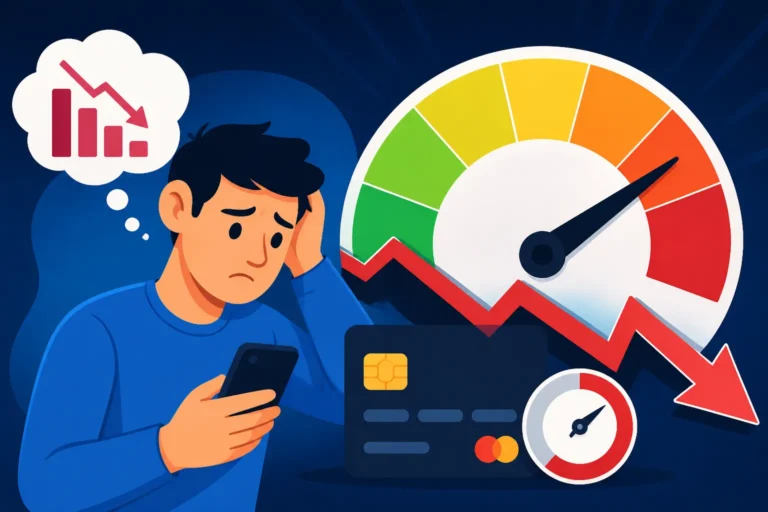
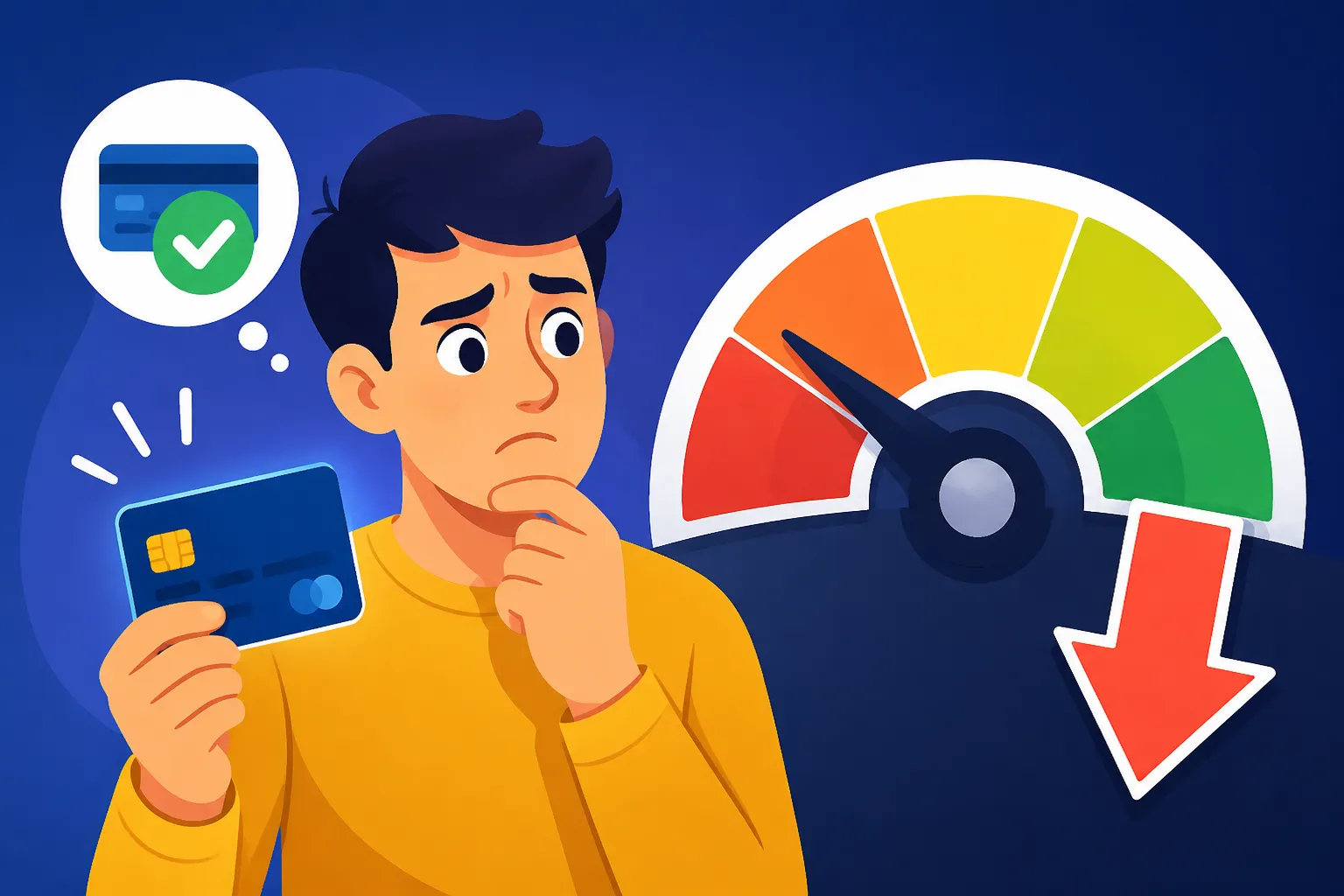
It's incredibly frustrating, isn't it? You've worked hard, pinched pennies, and finally paid off that nagging credit card debt, only to log in and see your credit score has actually dropped. It feels like a slap in the face, completely counterintuitive to everything you thought you knew about building good credit. This guide will walk you through the surprising reasons why your credit score might dip after you pay off a credit card and, more importantly, what you can do to get it back on track.
The Unexpected Dip: Understanding Why Your Score Might Fall
You've done the hard work, made those final payments, and you're feeling great. Then, boom, your credit score takes a hit. It doesn't seem fair, but there are several common, albeit counterintuitive, reasons why this happens in the complex world of credit scoring. It's rarely a sign that you did something wrong, but rather a reflection of how credit scoring models interpret changes in your financial profile.
Shifts in Your Credit Utilization Ratio
One of the biggest factors impacting your credit score is your credit utilization ratio, which is essentially how much of your available credit you're currently using. Lenders like to see this number low, ideally below 30%, and even better, below 10%. When you pay off a credit card, especially if it was your only card carrying a balance, you might think this ratio automatically improves. However, sometimes the opposite can happen, particularly if you then close the account.
If you pay off a credit card and then close the account, you've just removed a chunk of available credit from your overall credit limit. Let's say you had two cards: one with a $5,000 limit that you just paid off, and another with a $2,000 limit where you carry a $500 balance. Before paying off the first card, your total available credit was $7,000, and your total debt was $500. Your utilization was about 7% ($500/$7,000). If you close the paid-off card, your total available credit drops to $2,000, while your debt remains $500. Now, your utilization jumps to 25% ($500/$2,000). While still "good," it's a significant increase from 7% and can cause a temporary score dip. This scenario frequently catches people off guard because their perception is that "less debt equals better score," which isn't always true in the short term. For a deeper dive, check out our guide on Credit Utilization: The Complete Guide.
Impact of Account Closure on Credit Age
The length of your credit history plays a significant role in your credit score, accounting for about 15% of your FICO score. Lenders generally prefer to see a long history of responsible credit use. When you close a credit card account, especially if it's one of your oldest accounts, you effectively shorten the average age of all your credit accounts.
Think of it this way: if your oldest card is 10 years old, your newest is 2 years old, and you have a third that's 5 years old, your average credit age is about 5.6 years. If you close that 10-year-old account, your average age instantly drops to 3.5 years (2+5 divided by 2). This reduction in your average credit age can signal less established credit behavior to the scoring models, leading to a score drop. It's often recommended to keep older accounts open, even if you don't use them frequently, just to maintain that valuable credit history.
Adjustments to Your Credit Mix
Your credit mix, which refers to the different types of credit accounts you have (revolving accounts like credit cards and installment loans like mortgages or car loans), makes up about 10% of your credit score. Lenders like to see that you can responsibly manage various types of credit. If the credit card you paid off and subsequently closed was your only revolving account, or if it significantly altered your balance between revolving and installment credit, it could cause a slight dip.
For instance, if you just finished paying off your car loan and then closed your only credit card, you might find yourself with a very "thin" credit file or one that primarily consists of installment loans (if you have a mortgage, for example) but lacks revolving credit. Credit scoring models prefer a healthy mix, demonstrating your ability to handle different types of financial obligations. While less impactful than payment history or utilization, a sudden shift in your credit mix can still contribute to a temporary decline in your score. You can explore this further in Credit Mix: Does Having Different Loan Types Help?.
Deconstructing the Five Pillars of Your Credit Score
To truly understand why your score might have dropped, it helps to grasp the fundamental components that make up your credit score. These "pillars" are what credit bureaus use to evaluate your creditworthiness, and a change in any of them can cause fluctuations. When you pay off a credit card, it impacts several of these areas simultaneously, sometimes with unforeseen consequences for your score.
Payment History: The Foundation of Your Score
This is by far the most crucial factor, accounting for a massive 35% of your FICO score. It simply measures whether you pay your bills on time. Every single on-time payment you make contributes positively, while late payments, even just one, can significantly harm your score.
When you successfully pay off a credit card, you're essentially demonstrating excellent payment history. So, why the drop? The drop isn't because you paid it off, but rather because of how other factors change as a result of that payoff and any subsequent actions (like closing the account). The positive impact of consistent, on-time payments on that card has already been baked into your score over time. The act of paying off the final balance doesn't add a sudden surge of points to the same degree that closing an account can subtract them. It's like building a strong foundation for years, and then an unexpected change in the structure causes a slight tremor.
Amounts Owed: Your Credit Utilization Ratio
This factor contributes 30% to your FICO score and is all about how much debt you carry relative to your available credit. As we discussed earlier, maintaining a low credit utilization ratio is key. When you pay off a credit card, your goal is to reduce the "amounts owed," which should theoretically improve this ratio.
However, if you closed the account after paying it off, your total available credit shrinks. This can inadvertently increase your utilization ratio across your remaining active cards, even if your total debt has decreased. For example, if you had a $10,000 limit and owed $2,000 (20% utilization) and then paid off and closed a card that gave you an additional $5,000 in credit, your total available credit drops to $5,000. If you still have $2,000 debt on your other cards, your utilization suddenly becomes 40%. Credit scoring models view high utilization as a risk indicator, hence the score drop. This is why many experts advise against closing old, paid-off credit card accounts unless absolutely necessary.
Length of Credit History: Time is Your Ally
Making up 15% of your FICO score, the length of your credit history evaluates how long your credit accounts have been open and how long it's been since you last used certain accounts. Older accounts, especially those with a perfect payment history, are highly valued.
When you pay off a credit card and close it, you shorten the average age of your credit accounts. This factor considers the age of your oldest account, the age of your newest account, and the average age of all your accounts. Closing an old account removes that long-standing positive history from the equation, making your overall credit profile appear "younger" or less established to lenders. This is a common pitfall people fall into, thinking they're tidying up their credit by closing accounts, when in fact, they might be harming their longevity metric.
New Credit: Tread Lightly
New credit, representing 10% of your score, looks at how many new accounts you've recently opened and the number of hard inquiries on your report. A flurry of new applications in a short period can signal risk to lenders.
While paying off a card directly doesn't involve new credit, sometimes people pay off a card with the intention of immediately opening a new one or applying for a loan. If you paid off your card and then promptly applied for a new credit card or a different loan (like a personal loan) to consolidate other debts, the hard inquiry and the new account opening could cause a temporary dip in your score. This isn't a direct consequence of paying off the card, but rather a subsequent action that often coincides with it. Remember, these hard inquiries can typically lower your score by a few points for a short period. Learn more in our article about What Affects Your Credit Score? The 5 Factors.
Credit Mix: A Balanced Portfolio
The final 10% of your score comes from your credit mix, or the types of credit accounts you have. Lenders want to see that you can manage a variety of credit, such as both revolving credit (like credit cards) and installment credit (like a car loan or student loan).
If the credit card you paid off and closed was your primary or only revolving credit account, your credit mix might become less diverse. This doesn't mean you need to have every type of loan under the sun, but a reasonable balance demonstrates versatility in managing debt. For instance, if you only have a mortgage left after paying off your credit cards, your credit profile might look less robust than someone who also manages a credit card responsibly.
Practical Steps to Recover and Enhance Your Score
Seeing a dip after doing the right thing can be disheartening, but it's usually temporary and correctable. There are proactive steps you can take to not only recover those lost points but also build an even stronger credit profile for the long haul. Remember, credit building is a marathon, not a sprint, and consistency is key.
Monitor Your Credit Reports Diligently
The first, and arguably most important, step is to keep a close eye on your credit reports. You are entitled to a free copy of your credit report from each of the three major bureaus—Equifax, Experian, and TransUnion—once every 12 months through AnnualCreditReport.com. Take advantage of this!
When you review your reports, look for any inaccuracies, such as incorrect account statuses, wrong balances, or even accounts you don't recognize. Errors are more common than you might think, and they can certainly drag down your score. If you spot anything amiss, dispute it immediately with the credit bureau. Understanding How to Read Your Credit Report (2026 Guide) will be incredibly helpful here. Don't forget that you can always get How to Get Your Free Credit Report to keep an eye on things.
Keep Old Accounts Open (If You Can Be Responsible)
Resist the urge to close credit card accounts once they're paid off, especially if they are your oldest accounts. As we discussed, closing them can negatively impact your credit utilization and shorten your average credit history.
Instead, consider keeping them open. If you're worried about temptation, simply put them in a safe place. To keep them active and reporting positive payment history, make a small, occasional purchase every few months (like a streaming service subscription or a tank of gas) and then pay off the balance in full immediately. This demonstrates responsible credit use without incurring interest and helps maintain your valuable credit history. This strategy helps keep your credit age robust and your available credit high, both crucial for a healthy score.
Maintain Low Utilization on Remaining Cards
Since credit utilization is such a huge factor, focus on keeping the balances on your remaining active credit cards as low as possible. Aim for under 30% utilization across all your cards combined, but ideally, strive for under 10%. Some highly credit-savvy individuals even aim for 1-9% to optimize their scores.
If you have multiple cards, spread your spending thin or consolidate debt onto the card with the lowest interest rate, but always pay it down quickly. Paying your credit card balance multiple times a month, before the statement closing date, can also help keep your reported utilization low. This proactive approach can quickly counteract any utilization dip you experienced. For more tips, refer to our article on How to Lower Your Credit Utilization Fast.
Explore Credit Building Tools
If your credit profile is still a bit thin after paying off a card, or if you're looking for ways to strengthen it further, consider credit-building tools. Options like secured credit cards or credit builder loans can be excellent resources.
Secured credit cards require a deposit, which often becomes your credit limit, making them less risky for lenders. They report your payment activity to credit bureaus, helping you build positive history. We have a great guide on Secured Credit Cards: How They Build Credit. Another option is a credit builder loan. Companies like Credit Strong offer loans specifically designed to help you build credit. You make payments into a locked savings account, and those payments are reported to the credit bureaus. Once the loan is paid off, you get access to the funds. It's a structured way to demonstrate payment reliability and diversify your credit mix. This can be particularly useful if you find your credit mix is too heavily weighted towards one type of credit after paying off other accounts. You can learn more about these in Credit Builder Loans Explained (Self, Kikoff & More) and Best Credit Builder Apps (Self, Kikoff, Chime). Credit Strong is a notable example that can help you establish a new line of credit and build payment history with all three major credit bureaus.
Consistent On-Time Payments
This cannot be stressed enough: make every payment, on every account, on time, every single month. Payment history is the most significant component of your credit score. One single late payment can cause a substantial drop and stay on your report for seven years.
Set up automatic payments, reminders, or whatever system works best for you to ensure you never miss a due date. Even if you can only afford the minimum payment, make sure it's on time. Consistent, timely payments are the bedrock of a good credit score and will eventually outweigh any temporary dips from closing accounts or utilization shifts.
Long-Term Strategies for a Stronger Credit Profile
Beyond the immediate recovery steps, building and maintaining excellent credit is an ongoing process that requires thoughtful long-term strategies. It's about cultivating financial habits that consistently reinforce positive reporting to the credit bureaus, ultimately leading to a robust and reliable credit profile.
Diversify Your Credit Mix Thoughtfully
While simply having a credit mix won't dramatically boost your score overnight, strategically diversifying your credit over time can be beneficial. As your credit journey progresses, consider adding different types of credit accounts, such as an installment loan (like a small personal loan, if needed for a specific purpose) alongside your revolving credit cards.
The key here is "thoughtfully." Don't take out loans or open credit cards just for the sake of diversity. Only acquire credit that you genuinely need and can manage responsibly. A good credit mix demonstrates to lenders that you can handle various forms of debt, which can be reassuring. However, remember that applying for new credit will involve hard inquiries, which can temporarily ding your score, so time your applications wisely. Our article Credit Mix: Does Having Different Loan Types Help? provides more context on this factor.
Practice Ongoing Credit Management
Building good credit isn't a one-and-done deal; it's a lifestyle. This means regularly reviewing your financial health, budgeting effectively, and understanding how your actions impact your credit.
Part of this ongoing management includes regularly checking your credit scores. While minor fluctuations are normal, a significant drop without a clear reason warrants further investigation. Utilize free credit monitoring services, many of which are offered by credit card companies or banks, to keep tabs on your score and detect any suspicious activity early. For those wondering How Often Should You Check Your Credit Report?, consistent monitoring is highly recommended. Tools that provide insights, like those that explain the factors affecting your score, can empower you to make informed decisions. Consider if Credit Monitoring: Is It Worth It? is right for you. Also, remember that a tool like Credit Strong helps with ongoing management by consistently reporting your payments.
Be Patient and Persistent
Perhaps the most important long-term strategy is patience. Credit scores don't change overnight. Negative items, and sometimes even positive changes like paying off a card, can take time to fully reflect in a higher score. It's a marathon, not a sprint.
Don't get discouraged by temporary dips. Focus on consistently making on-time payments, keeping your credit utilization low, and avoiding unnecessary new debt. Over months and years, these positive habits will compound, leading to a strong, resilient credit score. Understanding How Long Does It Take to Improve Your Credit Score? can help set realistic expectations for your credit building journey. Every responsible action you take, even small ones like paying a utility bill on time that gets reported to bureaus, contributes to your overall credit narrative.
| Credit Score Factor | Weight (%) | How Paying Off a Card Might Affect It (Directly or Indirectly) | What to Do |
|---|---|---|---|
| Payment History | 35% | Long-term positive impact already reflected; final payoff itself doesn't add many new points. | Maintain 100% on-time payments on all accounts. |
| Amounts Owed | 30% | Improves by reducing debt. Can worsen if you close the card and reduce available credit, increasing overall utilization. | Keep utilization below 30% (ideally 1-9%) on all active cards. Avoid closing accounts. |
| Length of Credit History | 15% | Can worsen if you close an old, paid-off account, reducing the average age of your accounts. | Keep old, paid-off accounts open and use them occasionally. |
| New Credit | 10% | Not directly affected by paying off a card. Can worsen if you immediately apply for new credit (hard inquiry). | Avoid unnecessary new applications immediately after. Space out new credit. |
| Credit Mix | 10% | Can worsen if the paid-off card was your only revolving account, making your mix less diverse. | Maintain a healthy mix of revolving and installment credit over time. |
Disclaimer
The information provided in this article is for general informational purposes only and does not constitute financial, legal, or credit advice. Credit scoring models are complex and can vary. Always consult with a qualified financial advisor for advice tailored to your specific situation.