Is 520 a Good Credit Score?
Seeing a 520 credit score can feel like a real blow, an undeniable sign that your financial standing isn't where you want it to be. Many people feel overwhelmed, unsure if there's any path forward from such a low point. This guide is here to cut through the confusion and honestly assess what a 520 credit score means for your financial life right now, and more importantly, lay out a clear, step-by-step path to improve it.
Understanding What a 520 Credit Score Really Means
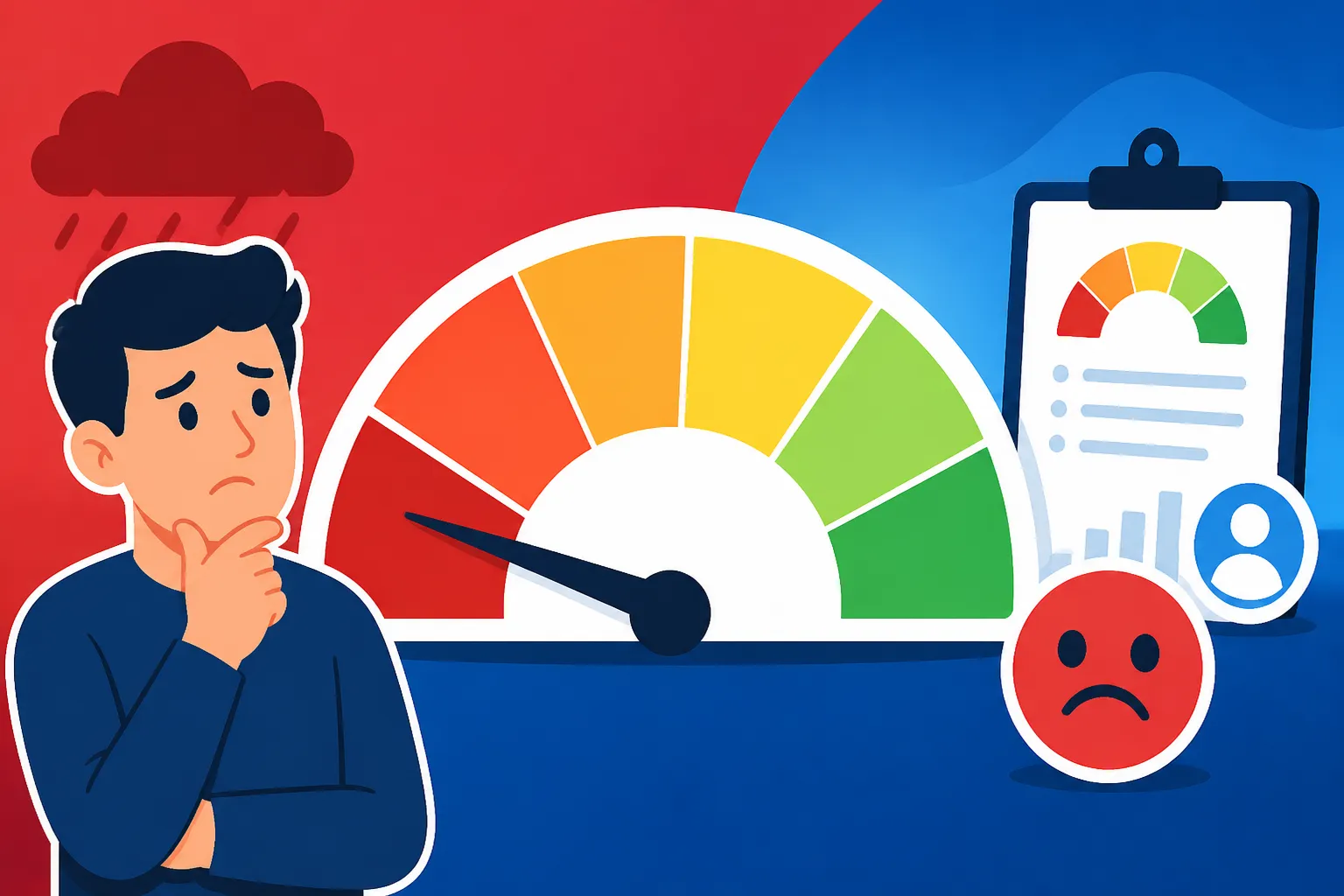
Let's be upfront: a 520 credit score falls squarely into the "Very Poor" or "Poor" category, depending on which scoring model is being used. Whether it's a FICO Score or a VantageScore, a 520 indicates significant risk to lenders. This isn't to discourage you, but to set a realistic foundation for understanding the challenges ahead and appreciating the progress you'll make.
Where Your Score Sits on the Credit Spectrum
Credit scores typically range from 300 to 850. A 520 is far from the top, residing deep within the lower tiers. For example, the FICO Score ranges generally classify scores below 580 as "Very Poor." VantageScore, another widely used model, often puts scores between 300-499 as "Very Poor" and 500-600 as "Poor." Either way, it signals to potential lenders that there have likely been issues in your past financial behavior, such as missed payments, high debt, or perhaps even more severe issues like bankruptcies or collections.
This position on the spectrum means you'll encounter numerous hurdles when seeking new credit. Lenders view individuals with scores in this range as high-risk borrowers who are more likely to default on their obligations. This perceived risk directly translates into either outright denial for credit products or, if approved, significantly higher interest rates and less favorable terms. It's a tough pill to swallow, but understanding this reality is the first step toward changing it.
It's also important to remember that credit scores are dynamic. A 520 isn't a life sentence; it's a snapshot in time. With consistent effort and strategic financial decisions, this number can and will improve. The journey from "Very Poor" to even "Fair" (usually 580-669 for FICO) can unlock a surprising number of new opportunities and significantly reduce the cost of borrowing. This guide will walk you through exactly what those efforts and decisions look like.
The Immediate Implications of a Poor Score
A 520 credit score doesn't just sit there on a report; it actively impacts your daily financial life. The most immediate implication is the difficulty in accessing affordable credit. Need a new car? You'll face higher interest rates, if you can even get approved, which means paying thousands more over the life of the loan. Looking for a new apartment? Landlords often check credit, and a low score could mean a larger security deposit, a requirement for a co-signer, or outright denial of your application.
Beyond major purchases and housing, even seemingly minor things can be affected. Utility companies might ask for a larger deposit to start service, and cell phone providers may require a deposit for a new contract or restrict you to prepaid plans. Insurance premiums, especially for auto insurance, can also be higher for individuals with lower credit scores, as some insurers use credit-based insurance scores as a factor in determining rates. It's a ripple effect that touches many aspects of your financial stability.
The emotional toll can also be significant. Constantly being denied, facing higher costs, or feeling limited in your financial choices can be frustrating and disheartening. It's easy to feel stuck in a cycle. However, this frustration can also be a powerful motivator. By understanding the immediate and tangible impact of your current score, you can channel that energy into making the necessary changes to improve it and regain control over your financial future.
Navigating Financial Applications with a 520 Score
When your credit score hovers around 520, the landscape for obtaining new financial products changes dramatically. What might be a simple application for someone with excellent credit becomes a series of challenges and often, outright rejections. It's crucial to understand these realities so you can set realistic expectations and explore the right strategies.
Credit Cards and Personal Loans
Applying for traditional, unsecured credit cards with a 520 credit score is extremely challenging. Most major banks and credit card issuers reserve their standard offerings for individuals with at least fair credit (typically 580+ FICO Score). If you do get approved for an unsecured card, it will likely come with a very low credit limit, high annual fees, and an extremely high Annual Percentage Rate (APR). The terms will be significantly less favorable, designed to offset the high risk perceived by the lender.
For personal loans, the situation is much the same. Mainstream lenders, including most banks and credit unions, will likely deny your application. Online lenders that cater to those with lower credit scores exist, but they often charge exorbitant interest rates, sometimes as high as 35.99% or more. Taking out a loan at such a high rate can quickly lead to a debt trap, making it even harder to improve your financial situation. It's vital to carefully consider the long-term cost before accepting any high-interest loan.
Instead of traditional options, individuals with a 520 score should focus on credit-building products. Secured credit cards, which require a cash deposit that acts as your credit limit, are an excellent starting point. Companies like Discover and Capital One offer these cards, and they report your payment activity to the credit bureaus, allowing you to demonstrate responsible use. Similarly, credit builder loans, offered by institutions like Credit Strong or Self, are designed specifically to help you establish a positive payment history without needing a significant upfront deposit. You make regular payments into a savings account, and once the loan is paid off, you get the money back, all while building a positive credit history. These are far safer and more effective tools for building credit from scratch than high-interest personal loans. You can learn more about how these work in our guide on Credit Builder Loans Explained (Self, Kikoff & More).
Auto Loans and Mortgages
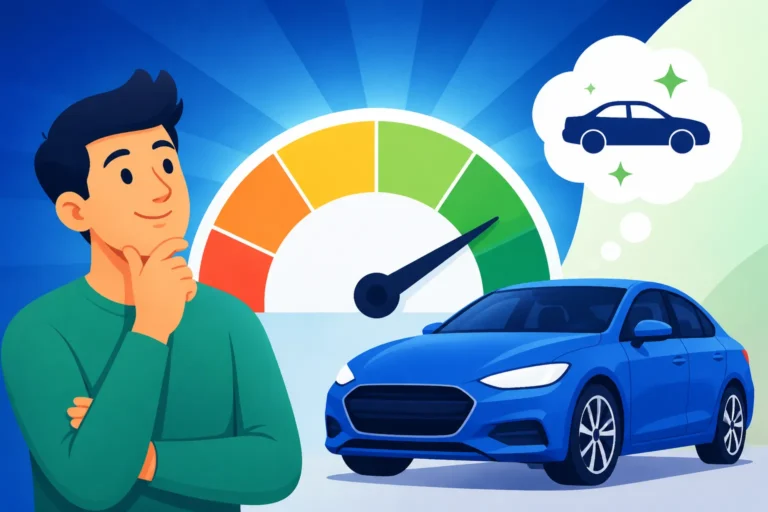
When it comes to larger loans like those for a car or a home, a 520 credit score presents considerable hurdles. For an auto loan, you might be able to get approved, but you'll almost certainly face extremely high interest rates, possibly in the double digits or even higher. For instance, while someone with excellent credit might qualify for a 3-5% APR, you could be looking at 15-20% or more. This means you'll pay significantly more over the life of the loan, driving up the total cost of the vehicle considerably. Some lenders may also require a larger down payment or a co-signer to mitigate their risk. It’s definitely not an ideal situation for your wallet.
As for mortgages, securing one with a 520 credit score is highly improbable, if not impossible, through conventional lenders. Most mortgage programs, including FHA loans which are generally more flexible, require a minimum credit score that is significantly higher, typically at least 580 for FHA with a 3.5% down payment, and even higher for conventional loans. Lenders consider a mortgage a substantial risk, and a 520 score indicates that you are not a safe bet for such a large financial commitment. You can delve into the specific requirements in our article, What Credit Score Do You Need to Buy a House?.
The path to homeownership or an affordable auto loan will require a substantial increase in your credit score. Don't let this discourage you; it simply means your immediate focus should be on building a strong credit foundation rather than applying for these major financing options. Once you’ve built your score up into the "Good" or "Excellent" range, you’ll find the doors to these opportunities wide open and far more affordable.
Renting an Apartment
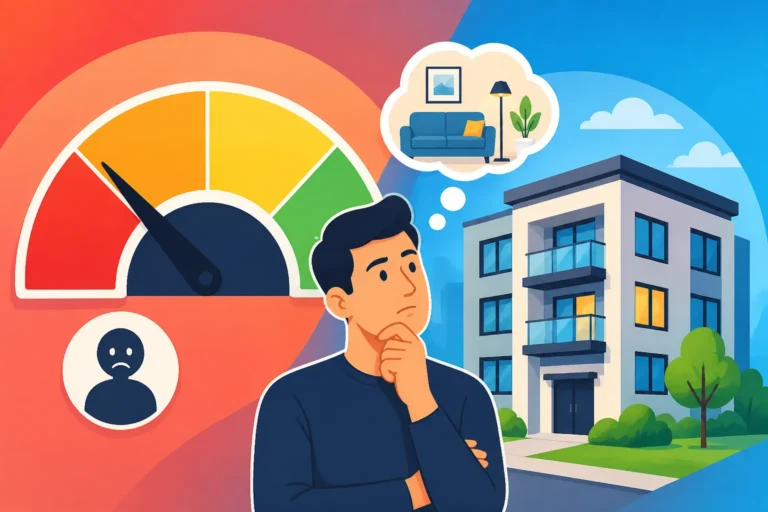
Even renting an apartment can become a complex ordeal with a 520 credit score. Landlords and property management companies frequently run credit checks on prospective tenants to assess their financial reliability. A low score might signal a history of late payments or financial instability, making them hesitant to approve your application. They want reassurance that you'll pay your rent on time, and a 520 score unfortunately doesn't provide that.
In many cases, landlords might still approve your application but with specific conditions. This could include requiring a higher security deposit—sometimes equivalent to two or even three months' rent—or insisting that you have a co-signer with excellent credit. A co-signer takes on the responsibility for the rent if you fail to pay, which gives the landlord an added layer of security. However, finding a willing and qualified co-signer can be difficult and puts a significant burden on that person. Our guide, What Credit Score Do You Need to Rent an Apartment?, offers more insights into this specific challenge.
Sometimes, a landlord might simply deny your application outright, especially in competitive rental markets. If you are denied due to your credit score, it's wise to request the specific reasons for the denial and even your credit report, as you are legally entitled to it. This experience reinforces the importance of focusing on credit improvement. While you're working on it, be prepared to explain your situation to potential landlords, provide references, and possibly offer a larger deposit or a co-signer to secure housing.
| Financial Product | Likelihood of Approval (520 Score) | Typical Terms | Impact on You |
|---|---|---|---|
| Unsecured Credit Card | Very Low | High APR (25%+) or fees, low credit limit | Difficulty getting one, expensive to maintain |
| Secured Credit Card | High | Requires deposit (often matches limit), standard APR | Excellent tool for building credit, reports to bureaus |
| Credit Builder Loan | High | Regular payments build savings, reported to bureaus | Builds payment history, savings returned at end |
| Personal Loan | Very Low (if unsecured) | Extremely high APR (30%+) if approved | Expensive debt trap, high monthly payments |
| Auto Loan | Moderate (with conditions) | High APR (15-20%+), large down payment possible | Significantly higher total cost for the car |
| Mortgage | Very Low (likely impossible) | Not usually an option for conventional/FHA | Requires substantial credit improvement first |
| Renting an Apartment | Low to Moderate (with conditions) | Higher security deposit, co-signer often required | Limited choices, higher upfront costs |
Pinpointing the Causes Behind a 520 Credit Score
It's natural to wonder, "How did my score get this low?" Understanding the root causes of a 520 credit score is incredibly important because it guides your strategy for improvement. Credit scores are complex, influenced by a combination of factors, but a score in this range almost always points to significant issues in your credit history.
The Weight of Negative Marks
The primary driver behind a low credit score like 520 is almost always a history of negative marks on your credit report. The most impactful of these are late or missed payments. Payment history accounts for 35% of your FICO Score, making it the single most important factor. Even one payment that is 30, 60, or 90 days late can severely damage your score, and these marks can linger on your report for up to seven years. Our article, How Long Does a Late Payment Stay on Your Credit Report?, explains this in more detail.
Beyond late payments, more severe negative items can crush a credit score. Collections accounts, where an unpaid debt has been sold or assigned to a collection agency, are a major red flag. Charge-offs, which occur when a creditor writes off a debt as unlikely to be collected, also have a devastating impact. These items signal that a borrower has failed to meet their financial obligations, making future lenders extremely wary. You can find strategies for addressing these in How to Remove Collections From Your Credit Report.
Even more serious public records, such as bankruptcies, foreclosures, or repossessions, will cause your credit score to plummet. A Chapter 7 bankruptcy, for example, can stay on your credit report for ten years and significantly hinder your ability to obtain credit during that time. While these are usually last resorts, their impact on a credit score is profound and long-lasting. If you've been through one, our guide on How to Remove a Bankruptcy From Your Credit Report might offer some solace and a path forward.
High Debt and Short History Factors
While negative marks are often the biggest culprits, a 520 score can also be heavily influenced by how you manage your existing credit, particularly your credit utilization. This refers to the amount of credit you're using compared to your total available credit. If you have a credit card with a $1,000 limit and you owe $900 on it, your utilization is 90%, which is considered extremely high. Lenders prefer to see utilization below 30%, and ideally, even lower (below 10%). High utilization tells lenders you might be over-reliant on credit or struggling financially, and it can significantly drag down your score. Our detailed guide, Credit Utilization: The Complete Guide, covers this essential factor thoroughly.
Another contributing factor can be a short credit history, sometimes referred to as a "thin file." If you haven't had credit accounts open for very long, or you have very few accounts, the credit bureaus have less data to assess your reliability. This lack of history, combined with any negative items or high utilization, can result in a low score. The average age of your accounts, and the total length of your credit history, both play a role in your score. If you're starting with very little credit, our guide, Thin Credit File: How to Build a Credit History, is a great resource.
It's not uncommon for individuals with a 520 score to have a combination of these issues. Perhaps you had a few late payments years ago, and now you're relying heavily on one or two credit cards, keeping their balances high. This combination creates a perfect storm that keeps your score in the "Very Poor" range, making it a challenging but not insurmountable situation to overcome.
The Silent Saboteurs: Errors and Identity Theft
Sometimes, your low credit score isn't entirely your fault. Errors on your credit report and instances of identity theft can silently sabotage your financial standing without you even realizing it. These inaccuracies can range from simple mistakes, like an incorrect account balance or a duplicate entry, to more serious issues, such as accounts that don't belong to you or payments wrongly marked as late.
Identity theft is a particularly insidious problem. If someone has opened accounts in your name, run up debt, and then defaulted, those negative marks will appear on your credit report, unfairly dragging down your score. This can be incredibly frustrating, as you're dealing with problems you didn't create. These fraudulent accounts can make it look like you have high debt or numerous missed payments, even when you've been financially responsible.
This is precisely why regularly checking your credit reports from all three major bureaus—Equifax, Experian, and TransUnion—is absolutely non-negotiable. You're entitled to a free report from each bureau once every 12 months through AnnualCreditReport.com. When you review them, scrutinize every detail. Are all accounts yours? Are the balances correct? Is your payment history accurate? Even small discrepancies can have a noticeable impact on your score. Our comprehensive guide, How to Read Your Credit Report (2026 Guide), will walk you through what to look for. If you find errors or suspect identity theft, acting quickly to dispute them is crucial, which is covered in How to Dispute Credit Report Errors (Step-by-Step).
A Practical Plan to Boost Your 520 Credit Score
Improving a 520 credit score might seem like climbing a mountain, but it's entirely achievable with a strategic and consistent approach. It won't happen overnight, but every positive step you take builds momentum. Think of it as a marathon, not a sprint, and you'll steadily see that number rise.
Starting with Your Credit Reports
The absolute first step is to get a clear picture of what's actually on your credit reports. As mentioned, you need to pull your free reports from Equifax, Experian, and TransUnion via AnnualCreditReport.com. Don't just glance at them; dive deep. You might be surprised at what you find. Each bureau's report might have slightly different information, so review all three carefully. This is your financial fingerprint, and you need to know exactly what it says. Our resource, How to Get Your Free Credit Report, can guide you through this process.
Once you have your reports in hand, meticulously check for errors or inaccuracies. Look for accounts you don't recognize, incorrect payment statuses, wrong balances, or outdated personal information. Even a minor error, like an old address still tied to a fraudulent account, can impact your score. If you find anything that looks suspicious or incorrect, you need to dispute it. The Fair Credit Reporting Act (FCRA) gives you the right to challenge information you believe is inaccurate, incomplete, or unverifiable. You can dispute directly with the credit bureaus, and they have a legal obligation to investigate your claim. Our guide, How to Dispute With Equifax, Experian, and TransUnion, provides a step-by-step walkthrough for each bureau. This step alone can sometimes give your score a quick, albeit modest, bump.
Tackling Your Debt and Negative Accounts
Once you've cleaned up any errors, the next critical phase is to actively address the negative items and high debt that are dragging your score down. Start by prioritizing high-interest credit card debt. These accounts often have the highest APRs, making them the most expensive to carry and the hardest to pay down if you're only making minimum payments. Consider strategies like the debt snowball or debt avalanche methods to pay off accounts strategically. The Debt Snowball vs Debt Avalanche: Which Is Better? article can help you decide which approach is best for you.
For collection accounts, research your options. Sometimes, you can negotiate a "pay for delete" agreement where the collection agency agrees to remove the item from your credit report in exchange for payment. However, these are not guaranteed and should always be obtained in writing. If a collection account is very old and approaching the statute of limitations for reporting (typically seven years), it might make sense to let it age off your report rather than paying and potentially resetting the reporting clock. For guidance on this, check out How to Remove Collections From Your Credit Report.
If you have late payments that were truly mistakes or due to extenuating circumstances, consider writing a goodwill letter to the original creditor. This is a polite request for them to remove the late payment mark from your report as a gesture of goodwill, especially if you have a good payment history otherwise. While there's no guarantee they will comply, it's worth a shot. You can find templates and tips in our article, What Is a Goodwill Letter and Does It Work?.
Establishing New, Positive Credit
With a 520 score, establishing new credit is less about accumulating many accounts and more about building a solid, positive payment history. Your best friend here is a secured credit card. These cards require a cash deposit, which typically becomes your credit limit. This deposit minimizes the risk for the issuer, making them accessible to those with lower credit scores. Use it responsibly: make a few small purchases each month and pay the full balance on time, every time, before the due date. This consistent, positive behavior is reported to the credit bureaus and will start to rebuild your score. Learn more in Secured Credit Cards: How They Build Credit.
Another excellent tool is a credit builder loan. These loans, offered by companies like Credit Strong, work by placing the loan amount into a locked savings account while you make regular payments. Once you've paid off the loan, you get access to the funds. The key benefit is that your consistent, on-time payments are reported to the credit bureaus, building a positive payment history and demonstrating financial responsibility. These are specifically designed for people looking to establish or rebuild their credit without significant risk.
Finally, consider becoming an authorized user on a trusted family member's credit card, but only if they have excellent credit and a low utilization ratio. When you're added to their account, their positive payment history and credit limit can positively reflect on your credit report. This can be a fast way to get a boost, but choose wisely, as their negative activity could also impact you. Our guide, How to Become an Authorized User to Build Credit, provides a detailed look at the pros and cons.
Long-Term Habits for Sustainable Growth
Building a healthy credit score from 520 isn't a one-time fix; it's about adopting long-term habits that promote financial health. Consistency is king. Always pay your bills on time, especially credit card payments, loan installments, and even rent and utility bills if they are reported to the credit bureaus (some services like Experian Boost can help with this). Timely payments are the bedrock of a good credit score.
Next, focus on maintaining low credit utilization. Once you have a secured card or any other credit account, strive to keep your balances well below 30% of your credit limit. Ideally, aim for below 10%. If your credit limit is $500, try not to carry a balance over $50. You can achieve this by making multiple small payments throughout the month or by paying off your balance in full before the statement closing date. This shows lenders you're not maxing out your available credit. More detail is in How Much of Your Credit Limit Should You Use?.
Avoid applying for too much new credit at once. Each application typically results in a hard inquiry on your credit report, which can cause a small, temporary dip in your score. While minor, these add up, especially when your score is already low. Be patient, let the positive changes take effect, and your 520 score will steadily climb towards a brighter financial future. With dedication, you can absolutely move past a 520 score and open up new opportunities.
Disclaimer
The information provided in this article is for general informational purposes only and does not constitute financial, legal, or professional advice. Credit scores and financial situations are highly individualized. It is recommended to consult with a qualified financial advisor or credit counselor to discuss your specific circumstances and develop a personalized plan.